Key takeaways:
Flu symptoms in kids can range from mild, like cough or sore throat, to serious, like trouble breathing. The flu usually lasts about 1 week in kids.
There are prescription flu medicines for kids, like Tamiflu. These flu medications can help kids feel better faster.
If your child’s flu symptoms are getting worse, or they’re having trouble breathing or eating, it’s time to see a healthcare professional.
The flu, or influenza, is a viral illness that affects children of all ages. Flu symptoms in kids can range from mild to more serious. Most children recover from influenza without problems, but sometimes the flu can cause serious complications.
Understanding the stages of flu illness can help you figure out if your child is getting better. And knowing the symptoms of worsening flu can help you know when it’s time to get medical care for your child’s illness.
Here’s what every parent and caregiver should know about flu symptoms in kids.
Search and compare options
What flu symptoms do kids get?
When a child has the flu, they might have the following symptoms.
Fever
Fever is one of the most common symptoms of the flu — in both adults and kids. A fever is a sign the body is fighting off an infection. The body’s normal temperature is around 98.6°F or 37°C (from 97.5°F to 99.5°F, or from 36.3°C to 37.5°C).
Any temperature above 100.4°F (38°C) is a fever.
It’s not uncommon to see high fevers — 102°F (38.8°C) or higher — if your child has the flu. But you should contact your child’s healthcare team if they develop a high fever.
Sore throat
Early on, your child may develop a sore throat. If they’re young, they may not specifically complain of throat pain. Instead, they may not want to eat or drink as much as usual. A sore throat may last up to 1 week. Antibiotics won’t help a sore throat feel better, but home remedies like cool fluids or ice pops can help.
Cough
Cough is a common flu symptom in kids. The flu can affect the upper and lower respiratory tracts. If your child develops an upper respiratory tract infection from the flu, they may develop a cough along with a runny nose and stuffiness. A lower respiratory tract infection from the flu will also cause a cough. But your child might also develop trouble breathing or rapid breathing.
If your child has a cough, avoid over-the-counter (OTC) cough medication. Experts don’t recommend these medications for young children.
Congestion
Children often develop a runny nose and congestion when they’re sick with the flu. In school-age kids, you may notice sniffling, sneezing, and more tissue use. But since infants and toddlers can’t blow their nose, you may only notice that they seem stuffy or that their voice or cry sounds different. Babies may have trouble eating if they’re congested. You may notice that your baby isn’t nursing for as long as usual or not finishing a bottle.
Headache
Headaches are common symptoms of the flu in kids. Toddlers and preschoolers may not be able to verbalize a headache. Instead, they may seem grouchy or more tired.
Your child’s headaches should go away with OTC pain medications like acetaminophen or ibuprofen. Seek care right away if your child has a headache that doesn’t get better with these medications or they have a very intense headache with neck pain. This could be a sign of a complication from the flu, like viral meningitis.
Muscle aches
Many children develop body aches or muscle pain with the flu. These symptoms are more common during the first 2 or 3 days. Warm baths can help soothe their aching muscles. OTC pain relievers can also offer relief.
Fatigue
Children with the flu often feel very tired. This is part of the body’s response to infection, and it usually improves as they recover.
Vomiting or diarrhea
Kids are more likely than adults to get vomiting and diarrhea from the flu. This can quickly lead to dehydration, especially in young children and infants.
Loss of appetite
Loss of appetite is a common symptom. When kids feel sick, they may not feel like eating as much as usual. This is usually temporary and improves as they start to recover.
How long does the flu last in toddlers and kids?
The flu usually lasts about a week. The worst days of the flu are often days 2 to 4. After that, the symptoms start to fade.
School-age kids will start to perk up a little more each day until they’re back to their usual selves after a week. But it might take several weeks for toddlers and babies to get all their energy back. Extra rest is important until they’re fully recovered.
Take notice if your kids’ flu symptoms aren’t getting better after a few days, or their symptoms start getting worse later in the illness. These could be causes for concern.
Which flu treatments are helpful for kids?
A mild flu illness can often be treated at home without a prescription. You can use OTC treatments and home remedies to help ease your child’s symptoms. These treatments can help your child feel better while their body’s immune system fights the flu virus. But they won’t make the flu go away faster.
OTC treatments for flu
The most helpful OTC medications for kids with influenza are acetaminophen (Tylenol) or ibuprofen (Motrin or Advil). These medications lower fever and help relieve pain or achiness. That’s often enough to get kids eating, drinking, and sleeping peacefully while they recover from the flu.
There are dozens of other OTC products marketed for young children with the flu. But they’re not recommended for toddlers and young children. And studies show they don’t fight the flu virus or make the flu go away any faster. And there’s a chance they can cause side effects that are worse than the symptoms they’re supposed to treat.
If your child is over 6 years old, there are some OTC cold and flu medications available, including:
Pseudoephedrine (Sudafed)
Guaifenesin (Mucinex)
Chlorpheniramine (Chlor-Trimeton)
Dextromethorphan (Robitussin)
If you’re going to try one of these flu medications for kids, be sure to follow these safety tips:
Use the lowest dose for your child’s age and weight.
Stop using the medication as soon as your child starts feeling better.
Stick to single-ingredient medications.
Check the labels to make sure you don’t accidentally double up on medications.
Home remedies for flu symptoms
Children’s immune systems are very good at fighting the flu virus. It’s helpful to focus on ways to get your child through the illness as comfortably as possible. Some treatments you can use at home are:
Fluids: It’s important to keep your child hydrated. Offer plenty of fluids like water, juice, or milk. You can also try Pedialyte or other electrolyte drinks. You can even make your own Pedialyte at home.
Humidifiers: A cool mist humidifier can soothe a cough and break up mucus, allowing your child to breathe easier.
Honey: Children older than 12 months can take a teaspoon of honey to help calm a cough. You can also make cough syrup at home using honey and other natural ingredients. Just make sure not to give honey to babies younger than 1.
Rest: Rest gives the immune system time to fight off an infection. Make sure your child is getting enough sleep and taking it easy during the day.
Nasal saline: Nasal saline rinses and sprays can help clear mucus and ease congestion.
Prescription flu treatments
There are prescription flu medicines for kids. These medications are available for children as young as 2 weeks old and can help your child feel better faster:
Oseltamivir (Tamiflu) is approved for children over 2 weeks old. It comes as either a pill or liquid.
Zanamivir (Relenza) is approved for children ages 7 and older. It comes as an inhaler.
Baloxavir marboxil (Xofluza) is approved for children over age 12. It comes as a single-dose pill.
Children should start these medications as soon as they develop flu symptoms. Not every child needs to take prescription flu medications. These medications are most helpful for children who:
Have severe symptoms from the flu
Also have a chronic medical condition, such as asthma, heart disease, or diabetes
Have a weak or suppressed immune system, such as from cancer or an organ transplant
Live with a newborn, an elderly person, or someone else who might be at risk for severe complications from the flu
How do I know my child has the flu and not something else?
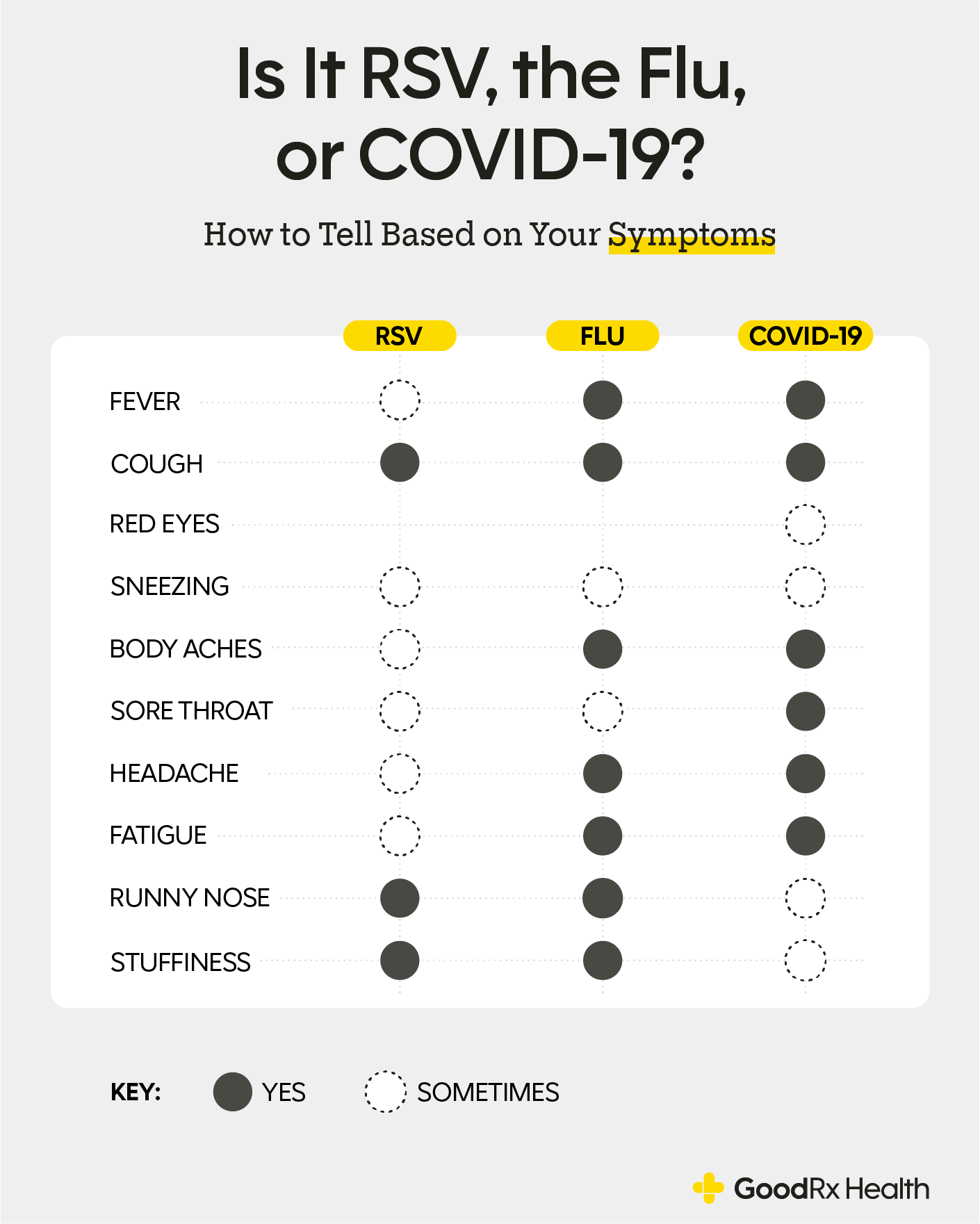
It can be hard to tell if your child has the flu or another virus is causing their symptoms. Flu symptoms can look a lot like COVID-19 or respiratory syncytial virus (RSV). Getting your child tested for the flu is the only way to know for sure if your child has the flu.
There’s a higher chance your child has the flu if:
It’s flu season and there’s flu in your community (especially if someone else in your home has the flu)
Your child has a fever, cough, and irritability
When should you call the doctor about your kid’s flu?
Sometimes, kids get very sick from the flu and need to be treated in the hospital with intravenous (IV) fluids and IV antiviral medications. So, when should you be worried about the flu in your child?
Here are signs that it’s time to get urgent medical care:
Trouble breathing
Rapid breathing
Use of muscles in the chest to breathe
Chest pain
No urine production for more than 6 hours
No tears when crying
Dry mouth and cracked lips (a sign of dehydration)
Excessive sleepiness
Confusion
Intense headache
Fever over 102°F (38.8°C)
Your child should start to feel better after 3 to 4 days. If their symptoms aren’t improving after 3 or 4 days, or if they start to get better but then get worse, let a healthcare professional know. This can be a sign that they’ve developed another illness or more severe flu illness.
Frequently asked questions
You’re more likely to get sick with the flu if you share a home with a child who’s sick with the flu. Preschool-age kids are more likely to spread the flu to household members than older children. But just because your child has the flu doesn’t mean you’re definitely going to get the flu too. You have about a 1 in 3 chance of catching the flu from a sick household member.
Flu illness peaks around days 2 to 4 of illness. This is when your child’s symptoms will likely be at their worst. After that, your child should get a little bit better each day. Most children recover completely within a week.
You’re more likely to get sick with the flu if you share a home with a child who’s sick with the flu. Preschool-age kids are more likely to spread the flu to household members than older children. But just because your child has the flu doesn’t mean you’re definitely going to get the flu too. You have about a 1 in 3 chance of catching the flu from a sick household member.
Flu illness peaks around days 2 to 4 of illness. This is when your child’s symptoms will likely be at their worst. After that, your child should get a little bit better each day. Most children recover completely within a week.
The bottom line
Influenza spreads easily in the fall and winter months, and kids who catch it can feel very sick. Most of the time, children develop mild flu symptoms. Common flu symptoms in kids include fever, cough, and congestion. But some children can get very sick. If you’re ever frightened by your child’s symptoms, or aren’t sure what to do next, get medical care right away.

Why trust our experts?


References
Centers for Disease Control. (2025). About viral meningitis.
HealthyChildren.org. (2025). Fever without fear: Information for parents.
HealthyChildren.org. (2026). Acetaminophen dosing tables for fever and pain in children.
MedlinePlus. (2024). Flu.
Smith, S. M., et al. (2014). Over‐the‐counter (OTC) medications for acute cough in children and adults in community settings. Cochrane Database of Systematic Reviews.
Tsang, T. K., et al. (2016). Household transmission of influenza virus. Trends in Microbiology.
Viboud, C., et al. (2004). Risk factors of influenza transmission in households. The British Journal of General Practice.