Key takeaways:
Corneal abrasions are a common eye injury that cause eye pain, tearing, and blurry vision.
Corneal abrasions can heal on their own within a few days, but prescription eye drops can help with symptoms and speed up the healing process.
To help prevent corneal injuries, you can wear safety glasses while working and practice good contact lens hygiene.
Corneal abrasions are one of the most common types of eye injuries. They can be incredibly painful. And they can be caused by minor things like an accidental fingernail scratch or a fleck flying into your eye. Here’s what to know if you have a corneal abrasion.
What is a corneal abrasion (scratched cornea)?
A corneal abrasion is a scratch or small tear on the cornea. It’s sometimes called a scratched cornea or a scratched eye. The cornea is the clear covering on the front of your eye. It helps focus light so that you can see clearly.

Your cornea regularly comes in contact with things that get into your eye, like dust, pollen, or other foreign objects. This makes your cornea vulnerable to injury.
Your cornea also has a lot of nerve endings, so it’s very sensitive. This actually helps keep your eye safe. When something gets into your eye, you immediately feel eye pain and irritation. That’s your cornea’s nerve endings shooting off signals to let you know something’s wrong, so you can get that foreign body out of your eye.
But sometimes those foreign bodies can injure your cornea, even if you act quickly to get them out. This causes corneal abrasions, which can be quite painful. Large abrasions can also be dangerous for your eye and vision.
Corneal abrasions should always be evaluated and treated by an eye doctor, no matter what their size.
What are symptoms of a corneal abrasion?
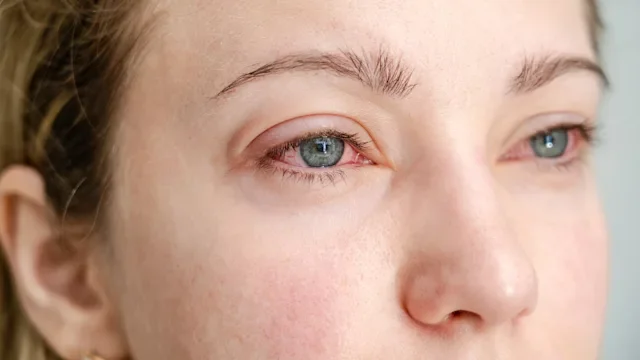
Eye pain and discomfort are the most common symptoms of a corneal abrasion. Some people feel like there’s sand in their eye. But others feel a sudden, severe pain.
Other symptoms of a corneal abrasion include:
Light sensitivity (photophobia)
Watery eyes
Blurry or hazy vision
Feeling like something is stuck in your eye
What is the average healing time for a corneal abrasion?
Most corneal abrasions heal within 1 to 3 days. Your vision can be blurry until your abrasion heals completely. But your vision should go back to normal once your cornea has recovered.
Larger abrasions will take longer to heal, just like larger wounds on your skin take longer to heal than smaller ones. Larger corneal abrasions can take up to a week to completely heal.
Your eye doctor will want to see you regularly until the abrasion has completely gone away. If your corneal abrasion isn’t healing, you’ll need to see an ophthalmologist who specializes in corneal care. You may also need to see an ophthalmologist if you develop an ulcer from your corneal abrasion.
What is the difference between a corneal ulcer and a corneal abrasion?
A corneal ulceration is an inflammation of the cornea. Sometimes, people with corneal abrasions develop corneal ulcers.
A corneal abrasion is technically a wound — it’s just really small. A break in your skin can lead to skin infections, like impetigo. Similarly, a corneal abrasion can lead to corneal infections, like corneal ulcerations.
What can cause a corneal abrasion?
Corneal abrasions develop when something scratches your cornea. Even small things or minor trauma can cause a corneal abrasion. Some common things that lead to corneal abrasions are discussed below.
Contact lenses
You’re at higher risk for getting a corneal abrasion if you wear contact lenses. That’s because contact lenses sit directly on your cornea. You might scratch your cornea with your fingernail as you put in or take out your contact lenses. Rips or damage to your contact lens can also scratch your cornea.
Debris
Flying debris is a common cause of corneal abrasions. A bit of sand or dirt that hits your eye the wrong way can cause a corneal abrasion. People who operate machinery can get corneal abrasions if small splinters get in the eye. This can also cause more severe eye injuries. So, you should always use protective eye equipment when operating machinery.
Minor eye injuries
Minor eye injuries like a poke or scratch can cause corneal abrasions. Common culprits include makeup brushes and other things you put near your eye. Low-hanging branches and long fingernails can also cause corneal abrasions.
Eye conditions
People with certain eye conditions — like chronic dry eye or autoimmune eye conditions — are more likely to develop corneal abrasions. This is because they don’t produce as many tears to lubricate the eye and wash away foreign materials, like specks of dirt and dust.
How serious is a scratched cornea?
Small corneal abrasions will heal with treatment. They won’t cause long-term damage to your eye.
But if you have a large abrasion or if you develop complications — like a corneal ulceration or infections — you can develop long-term vision loss. That’s why it’s so important to see an eye doctor if you think you have a corneal abrasion.
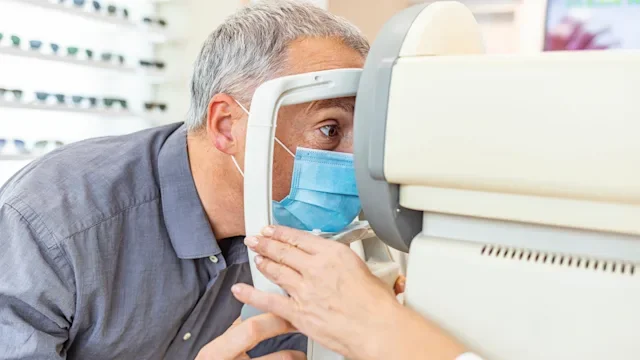
An eye doctor will do a full eye exam to see if your symptoms are from a corneal abrasion. They will start treatment and make sure your corneal abrasion is healing properly. They can also check for any possible complications and start treatment for them too.
What are the treatments for a corneal abrasion?
Prescription eye drops can help your corneal abrasion heal. They can also help you feel more comfortable. Your eye doctor may prescribe:
Antibiotic eye drops or ointments to help treat or prevent infections
Cycloplegic eye drops to relieve light sensitivity (photophobia)
Nonsteroidal anti-inflammatory drug (NSAID) eye drops to help with pain
If you have a large corneal abrasion, your eye doctor may place a bandage contact lens, a special type of contact lens. This can help the corneal abrasion heal more quickly. But studies show that eye patches don’t help smaller abrasions heal faster. So you won’t need to cover your eye if you have a small abrasion.
While your abrasion is healing, try not to rub your eyes. You should also stop wearing contact lenses and avoid any activities that could result in debris getting into your eyes.
How can you prevent corneal abrasions?
There are steps you can take to prevent a scratched cornea like:
Wear eye protection: Always wear eye protection during activities that create small splinters or particles. Activities involving powered saws or any power tools often create flying debris. Most powered lawncare equipment also creates debris, like blowers and mowers. You should also wear eye protection during sports that are linked to eye injuries, like hockey, baseball, lacrosse, and racquetball.
Keep your fingernails short: Keeping your fingernails short can help you avoid corneal abrasions when you put in or remove contact lenses. You’re also less likely to scratch your cornea if you need to rub or touch your eyes.
Stay up-to-date with contact lens fittings: The wrong-fitting contact lens can lead to a corneal abrasion. Stay up-to-date with contact lens fittings to make sure your contacts fit correctly.
Frequently asked questions
The fastest way to heal a scratched cornea is to follow your eye doctor’s instructions. This may include using prescription eye drops to help your corneal heal. They may also recommend staying away from activities that put you at risk for another abrasion until your eye heals.
Most people don’t need an eye patch to treat a corneal abrasion. Studies have shown that small abrasions heal just as well if your eye is open or closed. But if you have a large abrasion or an ulcer, you may need a bandage contact lens.
Large corneal abrasions can become infected and develop into corneal ulcers. Corneal ulcers can cause permanent vision damage if they aren’t treated. Always work with an eye doctor if you have a corneal abrasion. They can make sure your abrasion heals without causing eye damage.
The fastest way to heal a scratched cornea is to follow your eye doctor’s instructions. This may include using prescription eye drops to help your corneal heal. They may also recommend staying away from activities that put you at risk for another abrasion until your eye heals.
Most people don’t need an eye patch to treat a corneal abrasion. Studies have shown that small abrasions heal just as well if your eye is open or closed. But if you have a large abrasion or an ulcer, you may need a bandage contact lens.
Large corneal abrasions can become infected and develop into corneal ulcers. Corneal ulcers can cause permanent vision damage if they aren’t treated. Always work with an eye doctor if you have a corneal abrasion. They can make sure your abrasion heals without causing eye damage.
The bottom line
Corneal abrasions are an eye injury that can be very painful. They usually heal within 2 to 3 days. But larger abrasions will take longer to heal. Your eye doctor may recommend medicated drops to help treat your eye pain and other symptoms.

Why trust our experts?



References
Ahmed, F., et al. (2015). Corneal abrasions and corneal foreign bodies. Primary Care: Clinics in Office Practice.
American Academy of Ophthalmology. (2016). Cornea.
Boyd, K. (2024). Corneal abrasion and erosion. American Academy of Ophthalmology.
Domingo, E., et al. (2024). Corneal abrasion. StatPearls.
Kaiser, P. K. (1995). A comparison of pressure patching versus no patching for corneal abrasions due to trauma or foreign body removal. Corneal abrasion patching study group. Ophthalmology.
Wilson, S. A., et al. (2004). Management of corneal abrasions. American Family Physician.
Wipperman, J. L., et al. (2013). Evaluation and management of corneal abrasions. American Family Physician.