Key takeaways:
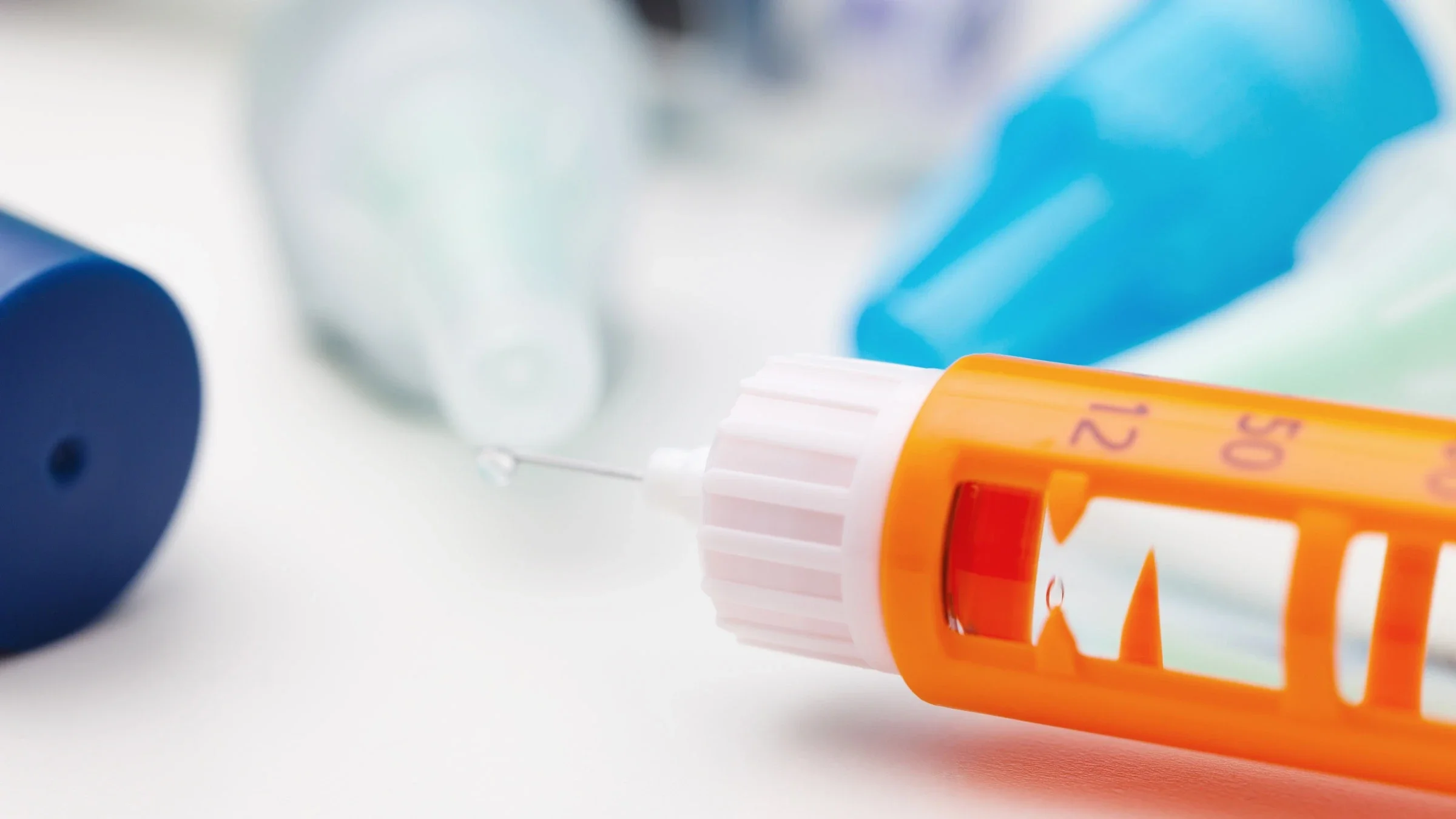
Insulin pens are either disposable or reusable. When the insulin expires, you throw the pen away. If it’s reusable, you reload it with a new insulin cartridge.
Expiration dates vary by brand. It’s important to know the difference between “expiration” and “use-by” dates.
Insulin breaks down over time and can become less effective. This can happen even sooner when it’s not stored properly. Throw away spoiled or expired insulin — even if there’s some leftover.
If you take insulin for diabetes, storing it correctly and keeping track of both the “expiration” and the “use-by” date is important for your health. That’s because proteins in insulin break down over time and make the insulin less effective.
As a general rule, never use expired or spoiled insulin — even if there are leftovers. But just how long is your disposable insulin pen or replaceable insulin cartridge good for? Let’s take a look at recommendations, so you’ll know when insulin is safe to use — and when it’s time to throw it away.
Does insulin expire?
Yes. In general, insulin in your pen expires about 28 days after opening. That said, recommendations may vary from brand to brand, and some must be used within 10 or 14 days.
Regardless of the type of insulin you’re using, there will be an expiration date printed on the insulin cartridge (if you’re using a reusable pen) or on the insulin pen (if you’re using a disposable pen). When stored properly, an unopened insulin pen or cartridge should last until this date.
But once it’s opened and used, a new date applies. This “use-by” date is different from the manufacturer’s expiration date on the pen or cartridge. So you need to keep track of both.
Below, we’ll break down the specific timelines by insulin type.
Good to know: Insulin pens and cartridges often have different use-by dates than insulin vials. If you’re switching from vials to pens or cartridges (or vice versa), double check your product’s use-by date.
Rapid-acting insulins
Here’s how long you can use rapid-acting insulin after opening:
Admelog SoloStar pen: Use within 28 days after opening.
Apidra SoloStar pen: Use within 28 days after opening.
Fiasp (FlexTouch Pen and PenFill cartridges): Use within 28 days after opening.
Humalog pens (Junior KwikPen, Tempo Pen, U-100 KwikPen, U-200 KwikPen, and cartridge): Use within 28 days after opening.
Lyumjev pens (Junior KwikPen, Tempo Pen, U-100 KwikPen, U-200, and cartridge KwikPen): Use within 28 days after opening.
NovoLog (FlexPen, FlexTouch, and cartridge): Use within 28 days after opening.
Short-acting insulins
Here’s how long you can use short-acting insulin after opening:
Intermediate-acting insulins
Here’s how long you can use intermediate-acting insulin after opening:
Insulin mixes
Here’s how long you can use insulin mixes after opening:
Humalog Mix 75/25 (KwikPen): Use within 10 days of opening.
Humalog Mix 50/50 (KwikPen): Use within 10 days of opening.
NovoLog Mix 70/30 (FlexPen): Use within 14 days of opening.
Long-acting insulins
Here’s how long you can use long-acting insulin after opening:
Basaglar (KwikPen and Tempo Pen): Use within 28 days after opening.
Lantus SoloStar: Use within 28 days after opening.
Semglee Pen: Use within 28 days after opening.
Toujeo (SoloStar and Max SoloStar): Use within 56 days after opening.
Tresiba (U-100 FlexTouch and U-200 FlexTouch): Use within 56 days after opening.
Other injectable diabetes medications
There are other non-insulin injectable medications for Type 2 diabetes — glucagon-like peptide-1 (GLP-1) receptor agonists. They come in pen devices too. Just like insulin, follow the manufacturer’s recommended expiration date and “use-by” dates.
Here’s how long GLP-1 receptor agonists last after opening:
What happens if you use expired insulin?
Depending on how much insulin you need with each dose, there may be some insulin left in your pen by the time it reaches its expiration or use-by date. And while it might seem wasteful to throw away unused insulin, it’s important to do so. That’s because using expired insulin can cause you more harm than good.
Even insulin that’s “in date” can spoil if it’s not stored correctly. Expired or spoiled insulin begins to break down and doesn’t work as well to lower your blood glucose (sugar) levels.
Risks of using expired insulin
Using expired or spoiled insulin can cause:
Higher than normal blood sugar levels
Symptoms of high blood sugar, like increased thirst and urination, tiredness, and blurry vision
Emergencies, like diabetic ketoacidosis (DKA)
At what temperature should insulin be kept?
Once open, keep insulin pens at room temperature. That means between 56ºF and 77°F or 86ºF, depending on the product.
If you receive several pens or cartridges at the same time, store any extras in the refrigerator (at a temperature of 36ºF to 46ºF) to maximize their shelf life. Unopened Toujeo pens, in particular, must be stored in the refrigerator.
What’s the best way to store insulin?
Here are some tips for storing your insulin to keep it safe and effective:
Store your insulin on a center shelf, not the fridge door: The temperature in the door can change a lot, so the center shelf (and away from the cooling element) is best. Consider buying a refrigerator thermometer to track the temperature, as built-in thermostats can be inaccurate.
Avoid light exposure and extreme temperatures. Heat, light, and freezing temperatures cause insulin to break down. If your insulin was exposed to extreme conditions — like a hot car or the freezer — don’t use it, even if it’s in date. Open a new pen that was stored in safe conditions.
Check the expiration date before using. Only use new insulin pens that are in date.
Keep a note of the “use-by” date. When you start a new insulin pen, mark the date you opened it, and set a reminder on your calendar for when to stop using it. Remember, once you open an insulin pen, the expiration date printed on the pen no longer applies.
Using smart insulin pens
Consider trying a “smart” pen, an insulin pen that’s connected to a smartphone app. Smart pens track and notify users through alerts and reminders. This can help to keep track of things like insulin doses and times, expiring insulin, and unsafe temperature changes.
Here are a few “smart” options:
InPen by Medtronic: a reusable, rapid-acting insulin pen
Bigfoot Unity System by Bigfoot Biomedical: a reusable, smart insulin cap
NovoPen Echo: a reusable pen with a memory function
How can you tell if insulin has gone bad?
Expired insulin may not look any different, so always check the date. But it’s still important to inspect your insulin before using it. If you notice any changes in color, clumps, white particles, or crystals in the liquid, don’t use it. Instead, bring your unopened pen back to the pharmacy you got it from. They should be able to exchange it.
What can you do with expired insulin pens?
You need to throw out expired pens or cartridges. There’s no safe way to use them, and insulin pens can’t be shared person to person. After an injection, blood can back up into the cartridge. So, even when you change the needle, it can still spread infectious diseases among people who use it. Be sure to put needles in a sharps container — not the trash — to avoid injury to someone else.
It’s always a good idea to check the expiration dates of your insulin pens and cartridges when you get them. If they’ll expire sooner than you’ll use them, tell the pharmacist. This can save you money and help to prevent waste.
You’re not alone if you’re struggling to afford insulin. The American Diabetes Association can help. Please don’t take a chance by skipping insulin doses or using expired insulin. There are resources and solutions.
The bottom line
Insulin pens have a limited shelf life — both before and after opening. There are two dates you need to keep track of. The pen or cartridge “expiration” date is how long the insulin can last unopened. The “use-by” date depends on when you open it and your specific brand of insulin pen.
How you store insulin also matters: Insulin pens are sensitive to temperature extremes, and they can spoil if not stored correctly. Expired or spoiled insulin can break down and become less effective. This can make your diabetes difficult to manage and cause dangerous highs in your blood glucose levels. Always follow the storage instructions for your specific type of insulin. Check with your healthcare team and pharmacy if you have questions about proper use of your insulin pen.

Why trust our experts?




References
American Diabetes Association. (n.d.). Bigfoot Unity System.
American Diabetes Association. (n.d.). Health insurance aid for diabetes.
American Diabetes Association. (n.d.). InPen.
American Diabetes Association. (n.d.). NovoPen Echo.
DailyMed. (2024). Humalog Mix50/50- insulin lispro injection, suspension. Humalog Mix50/50 Kwikpen - insulin lispro injection, suspension.