Key takeaways:
Clinical depression can include feelings of sadness, hopelessness and exhaustion, as well as thoughts of suicide. But the feelings vary from person to person.
Therapy and medication can be helpful in treating depression symptoms.
Here, three people describe what their diagnosis of clinical depression is like.
Clinical depression — also known as major depressive disorder — is one of the most common mental health conditions in the world. People who have it often feel persistently sad and hopeless and lose interest in their normal activities.
Depression affects how you feel, think, and handle daily activities. It often leads to other emotional and physical concerns.
To understand how the diagnosis of clinical depression affects people, GoodRx talked with three people about what it’s like to have clinical depression.
Search and compare options
Years of feeling like she was under a dark cloud
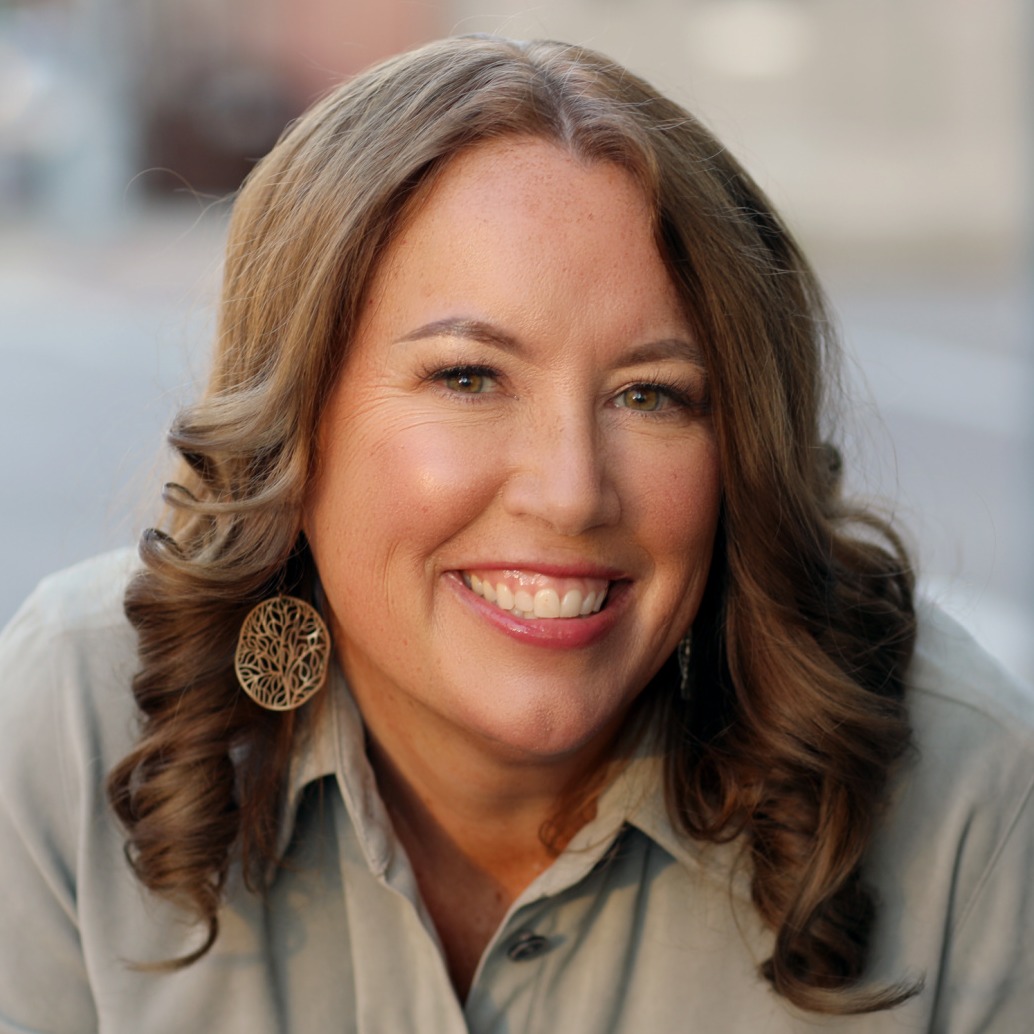
Sheila Houlahan is an actress who lives in Seattle. While her life from the outside may seem like all glitz and glamour, she says that on the inside she has hurt deeply from depression for most of her life.
She says it took time to realize that a variety of factors caused her depression — from her brain to her genetics and environment.
As a young child, Sheila recalls feeling like her “world was a little more gray” than that of her peers. She remembers feeling like she didn’t belong.
By middle school, her feelings of depression and loneliness began to grow even more intense. She says she felt confused about herself and her own identity. She recalls thinking: “There’s something about me that’s different, and I have to hide it.”
As a teenager, her depression became even more intense.
“By the end of high school, I started to feel suicidal ideation for the first time,” Shelia says. That desire lasted for years.

In her 20s, Sheila’s depression was so unbearable that she took herself to the hospital emergency department to seek help.
“I could not shake the urge to kill myself for 5 days,” she says. “Nothing I would do could distract me. By Day 5 [of feeling this way], I was worn out. And I was like, ‘I don't trust myself right now.’”
After that hospital stay, she says, she knew she needed more help. She enrolled in a dialectical behavioral therapy program to learn about mindfulness and regulating emotions. While in therapy, her care team recommended that she try medication, as well.
“I had a lot of feelings about [antidepressants],” Sheila says. “I tried one in the past, but it really didn’t work. It made me feel like a robot. I wasn’t super thrilled. Yet, at the same time, I was like, ‘I am not [really] alive right now. I’m not functioning or doing anything I want to do with my life.’ So I went on [Lexapro], and it was the first time I’d felt relief.”
Sheila has taken Lexapro for 4 years and says it has helped her to live a “normal life.”
Her biggest realization about her depression came when she stopped taking hormonal birth control. She says she never realized just how much the medication was influencing her depressive symptoms.
She had been taking Yaz, a combination oral contraceptive, for more than 15 years. She began using the birth control at about the same time her suicidal ideations began. Now that she and her husband are looking to start a family, she has stopped taking birth control medication. She says she is feeling so great emotionally that she is discussing with her doctor the possibility of weaning off of Lexapro, as well.
“I have never felt this good,” Sheila says. “My body is healing, and my mind feels great. I have a love for life again that I haven’t felt in a really long time. And I’m doing better than ever.”
Periods of transition have always been difficult
Marci Rossi, a 35-year-old life coach in Texas, specializes in helping people change their attitudes about alcohol.
She remembers periods of transition in her own life being difficult, especially when she went to college.
She says she first dealt with depression when she was 19 and studying abroad in Australia. That transition brought on feelings of loneliness and hopelessness. While she was able to put on a brave face around others, she says she turned to unhealthy coping strategies to manage her feelings. When she wasn’t in class, she would binge-watch TV and drink.

“I was able to put on a brave face and go out and party with people and go to my classes and everything,” Marci says. “I’ve always been able to manage my depression in that way. But then as soon as I got home, it was PJs and alcohol.”
Marci says she wasn’t necessarily embarrassed about asking for help, she just didn’t know where to go for help and wasn’t even sure she needed it.
“I’m a strong person. I don’t like to ask for help,” she says. Being so far from home, Marci says she wasn’t sure where to go for help at first, so it took her several months before she saw a doctor once she arrived back in the U.S.
Throughout her adult life, Marci has been prescribed various medications, including Effexor and Wellbutrin, to treat her depression symptoms. She says that while some of the medications were beneficial for her mental health, she often suffered side effects that were difficult to manage.
Marci says that she does not consider depression to be a lifelong condition for her, but rather something that occurs on occasion, especially during times of transition.
“My depressive episodes tend to be around periods of upheaval or change,” she says. She also says that she had to come to the realization that alcohol use played a major role in her issues with mental health. Marci says she quit drinking in January 2023 and has noticed a big difference in overall health. When she does start to feel like she is experiencing depression, she now turns to healthier coping strategies, such as exercise.
One thing Marci says she strives to teach others, especially in her coaching business, is that things really can get better, even when your mind is telling you that things will never change. Every time she begins to feel hopeless, Marci says she digs deep to remind herself that she has been here before, and it is possible to turn things around.
In a way, Marci says, she is grateful for the lessons that depression has taught her.
“A lot of my depressive episodes have kind of sparked change to make me say, ‘OK, if I’m not happy in this one area of my life, it’s not going to help me be happy in other areas of my life, either.”
That’s why she says she has left jobs when the stress was too much or the position no longer sparked joy. Instead, she turned to a career that let her pursue things that she is more passionate about.
A feeling of total darkness lifted after she got help
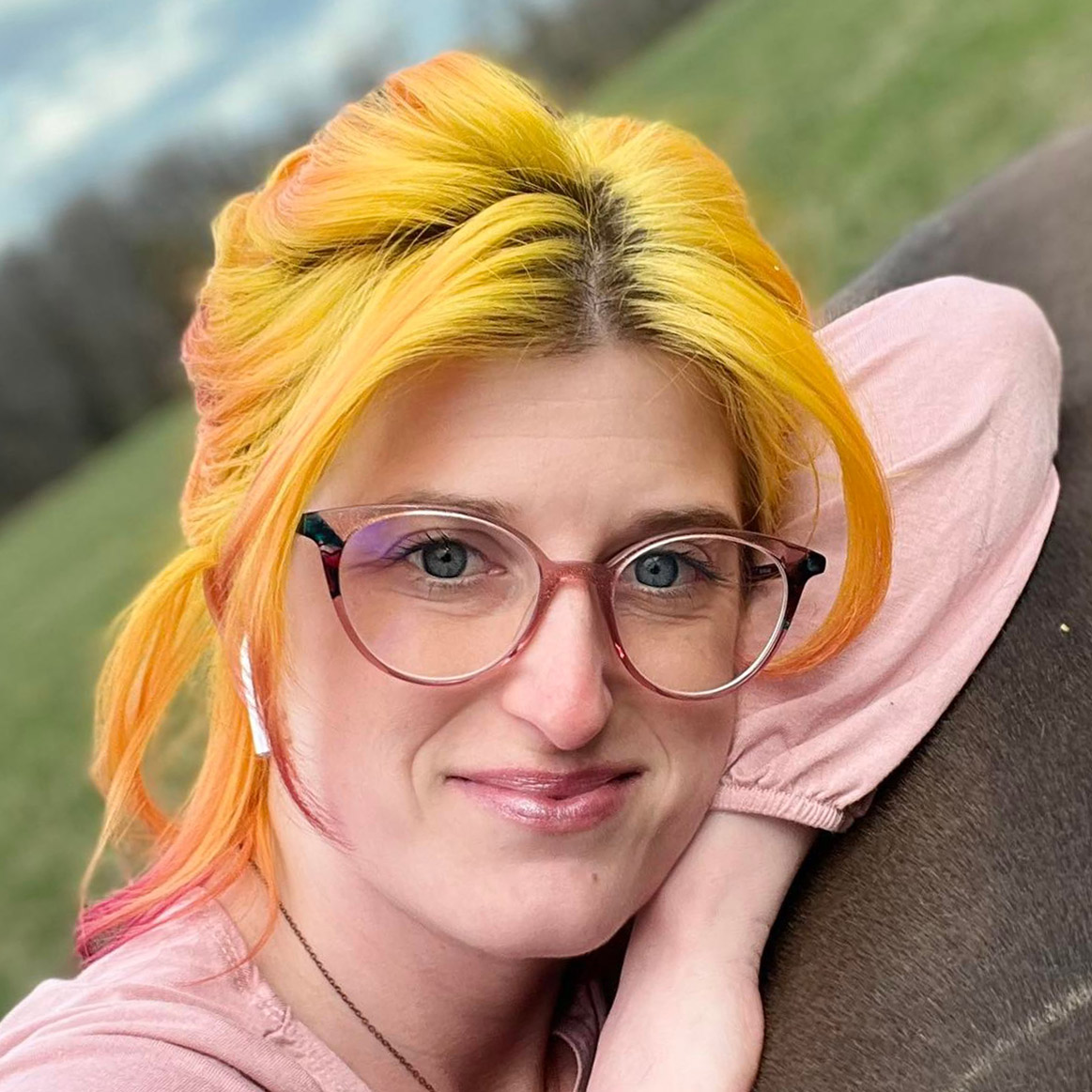
Deb Harrison — a 48-year-old speaker, author, and business consultant from Montgomery, New York — says she used to feel like her mental health issues held her back from living the life she wanted.
Now, she uses her experiences with mental health challenges to encourage others. But it wasn’t always easy to talk about.

For as long as she can remember, Deb has dealt with intense feelings. In elementary school, she says, she didn’t know how to explain it, but she would tell her parents that she had “really bad feelings.” Deb describes these feelings as a constant fear that something bad was going to happen.
That constant fear made her feel hopeless, alone, and exhausted. She recalls being referred to as “sensitive” or “emotional” and says she would often watch her peers run around the playground laughing and playing and wonder why she didn’t feel as carefree and happy as they did. Deb says that mental health issues run in her family, and she never had the support she needed as a child to identify these big emotions or learn how to cope with them.
As she got older, Deb says that “bad feeling” followed her and never really went away. Once she was in high school, she started talking to her counselor and realized that she didn't want to live her entire life feeling that way. It wasn’t until college that she received a diagnosis.
“I went to a doctor because of a variety of things that were happening to me,” including exhaustion, she says. “And he said to me, ‘You know, this sounds like depression.’”
For Deb, the diagnosis put things into perspective. She realized that the feelings she had had since she was a kid had a name and an origin. Now that she could name the feelings, she could describe how it felt to be living with depression all these years.
She describes depression like this: “It's so intense and dark. It’s devoid of hope. I remember standing in the sunlight and thinking, ‘The sun is shining, but it doesn't feel like a sunny day.’ There’s just this feeling of total darkness.”
At one point, a doctor prescribed her Zoloft, which she did not find helpful. Later, she was prescribed Prozac, which she says has helped manage her depression quite well. But it was getting into regular therapy that Deb says has helped the most. Learning how to identify her feelings and recognize her triggers made her feel empowered. The more she learned about her diagnosis, the more control she felt over her life.
In some ways, she says, her experience with depression has given her a deeper appreciation for life. “I feel moved by what I see and appreciate the beauty in simple things in a way that I think is connected to my depression,” she says.
She wants others to know there is no shame in seeking help.
“I think there's the sense that if you are really strong, you can overcome it. That’s not the case with mental illness any more than it is with any other type of illness,” Deb says. “Give yourself the validation that what you’re feeling is real. It’s not some figment of your imagination. There is hope, and there are many people who have been there and have come out of it.”
What does the doctor say?

Patricia Pinto-Garcia, MD, MPH
Senior Medical Editor
Most people experience symptoms of depression from time to time. But people with major depressive disorder — sometimes referred to as clinical depression — experience depression symptoms most days for prolonged periods of time. These symptoms must include either a depressed mood or anhedonia. People with anhedonia may feel numb or like they can’t experience joy or pleasure, even when doing things they usually enjoy, such as spending time with friends. Some people have trouble recognizing these symptoms, especially if they’ve experienced them for a long time or if the symptoms came on gradually.
Getting diagnosed with depression has become much more straightforward with standardized criteria and tools. But finding the right treatment for depression can still be difficult. There’s no one “right” treatment plan for everyone. Most people respond very well to SSRIs, a first-line treatment for depression. But SSRIs aren’t the right fit for everyone. Some people need different medications or even medication combinations to help relieve their symptoms. Therapy and complementary treatments can also help.
As these stories show, it’s important to pay attention to how you feel as you’re going through treatment. There’s no one-size-fits-all approach. What might work well for one person may not make a difference in your symptoms. And what might make one person’s symptoms worse may not impact your symptoms at all.
Living with depression can be difficult. But a strong support system and the right care plan can help get you back to living the life you love.

Why trust our experts?