Key takeaways:
Teeth whitening may cause mild tooth pain, sensitivity, and gingival irritation.
Tooth sensitivity after whitening is usually caused by irritation of your tooth’s nerve (pulp) after being exposed to peroxide — a common ingredient in whitening products.
Tooth sensitivity and gum pain after whitening should only last a few days. If your pain is severe and long-lasting, let your dentist know right away. There are ways to find relief.
Teeth whitening has become very popular over the last several years for many reasons. Some may want a whiter smile because of tooth discoloration. Others may just want to boost their self-confidence.
For many, whitening products have been the answer. But if you’ve tried teeth whitening, you may have had temporary tooth sensitivity and even gingival (gum) inflammation. This is common and expected. Fortunately, there are some easy ways to manage the pain and sensitivity both during and after teeth whitening.
What causes sensitive teeth after whitening?
Tooth sensitivity after whitening is due to carbamide peroxide, hydrogen peroxide, and the nerve inflammation these peroxides can cause. These are the most common ingredients in teeth whitening products. They work by creating a chemical reaction with the chromogens on your teeth. Chromogens are the bacteria that form on your teeth and cause staining.
Search and compare options
When the peroxides in whitening products come into contact with chromogens, they lighten your tooth shade. But sometimes exposure to these peroxides can cause inflammation of the pulp or nerve inside your tooth.
As a result, after teeth whitening, you may experience short periods of tooth pain or sensitivity with:
Air
Cold beverages or foods
Sweet, sour, or acidic foods
Brushing your teeth
6 tips to deal with tooth pain and sensitivity after whitening
The most common side effects after using teeth whitening products are temporary tooth pain and sensitivity. But there are some tips you can try that may help lower the likelihood of discomfort after teeth whitening. You may find sensitivity relief by following the six tips below.
1. Use a lower concentration of whitening product
In over-the-counter (OTC) whitening strips, hydrogen peroxide concentrations can vary from 5.3% to 6.5%. Your dental provider may use products with carbamide peroxide at much higher strengths. These products can have concentrations ranging from 10% to 45%. The higher the concentration used, the more sensitive your teeth can become.
2. Decrease the amount of whitening product in the tray
If using an at-home whitening tray, follow the manufacturer’s instructions closely. This is important regarding the amount of whitening gel to place in the tray. Only a small drop of gel should go in each area of the tray where there’s a tooth.
It’s important that you don’t overfill the tray. If excess gel overflows onto your gums, you’ve used too much. This may raise the likelihood of sensitivity. Remove the excess whitening gel with your toothbrush or cotton swab.
3. Increase the time between whitening treatments
You may choose to skip whitening days if gingival irritation or the sensitivity becomes too painful. It’s okay to skip days to allow your gums time to heal and tooth sensitivity to settle down. You’ll still get the same whitening results, but it may take more days to get there.
4. Take a break from whitening treatment until sensitivity lessens
If skipping days from whitening doesn’t give you the relief you need, you may need to take a break from whitening your teeth. You may need to wait a month or more before trying to whiten again.
5. Brush with sensitive toothpaste
Sensitive toothpastes contain an ingredient called potassium nitrate. This compound is effective in reducing tooth sensitivity caused by whitening. Potassium nitrate was shown to be effective when used twice a day before or during the teeth whitening process.
6. Use a desensitizing gel or fluoride varnish applied by your dental provider
Desensitizing gels and fluoride varnish can give you quick relief from the sensitivity caused by teeth whitening. Fluoride varnish contains high concentrations of sodium fluoride, up to 5%. It’s painted directly onto your teeth in a thin layer by your dental care provider. The relief is often fast and long-lasting — in some cases up to 8 weeks.
How long does tooth sensitivity last after teeth whitening?
Tooth sensitivity from teeth whitening should go away after the treatment is over. This will usually happen by the fourth day. If sensitivity continues, there could be an underlying dental issue.
Other factors that may influence sensitivity include:
Teeth with decay
Exposed dentin (the layer underneath enamel that protects the nerve of your tooth)
Cracks in your teeth
Defective or broken-down restorations (like fillings, crowns, veneers, or bridges)
It’s important to include your dental provider in your whitening journey. A complete exam of your teeth and existing restorations may help you avoid sensitivity caused by other factors. Your dentist can also help you narrow down which whitening products are best for you and take care of any dental needs before whitening your teeth.
How do you treat whitening burns?
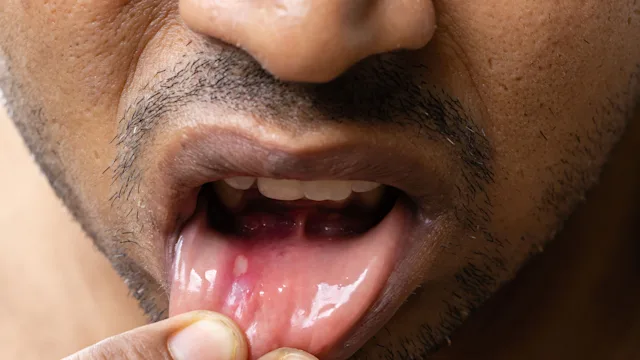
Another common side effect of teeth whitening is gingival irritation, also known as whitening burns. You may notice your gums turn white or bright red while using whitening products. This mild to moderate burning sensation can begin within the first day of whitening and may last for several days.
But there are some things you can try to get relief from mild to moderate gingival irritation pain. These can include:
Saltwater rinses
Removal of excess whitening gel on your gums with a cotton swab
Leaving the whitening product in place for only the recommended amount of time
Giving your gums a break from whitening until pain is gone
Once you stop the whitening process, your gums will usually heal within a few days. If the pain persists, it’s best to see your dental provider. They may suggest other options to soothe and heal your gums.
What should you avoid after teeth whitening?
Now that you’ve whitened your teeth and have the brighter smile you desired, let’s talk about ways to keep them white.
Staining on the outer surface of your teeth that causes discoloration is known as extrinsic stains. Extrinsic staining is a result of environmental factors. These can include smoking and consuming dark-colored foods and beverages.
To prolong the whiteness of your teeth, try to avoid:
Tobacco
Dark fruits (like blueberries)
Red wine
Coffee
Tea
Dark colas
Frequently asked questions
Taking over-the-counter (OTC) nonsteroidal anti-inflammatory drugs (NSAIDs), like ibuprofen (Advil, Motrin), can help relieve pain and sensitivity associated with tooth whitening. Some people prefer not to take ibuprofen due to possible side effects. In this case, you can try other pain relievers like acetaminophen (Tylenol).
Whitening leaves your teeth porous and dry. Luckily, teeth only need naturally made saliva to rehydrate. Saliva contains the proper minerals your teeth need to restore themselves after whitening. Drinking plenty of water will help moisten your mouth but won’t necessarily lead to rehydration of your teeth.
“Zingers” are short, shooting pains that some people experience after getting their teeth whitened. They mostly occur when drinking extremely cold or hot drinks. Avoiding foods and drinks with extreme temperatures for a few days after whitening treatment may help reduce the amount of zingers.
Permanent sensitivity after teeth whitening is rare. Most sensitivity, if any, is temporary and usually lasts for one to two days after treatment. People with periodontal disease and large cavities may be at risk of prolonged sensitivity. If you’re having long-lasting tooth sensitivity, let your dentist know.
Taking over-the-counter (OTC) nonsteroidal anti-inflammatory drugs (NSAIDs), like ibuprofen (Advil, Motrin), can help relieve pain and sensitivity associated with tooth whitening. Some people prefer not to take ibuprofen due to possible side effects. In this case, you can try other pain relievers like acetaminophen (Tylenol).
Whitening leaves your teeth porous and dry. Luckily, teeth only need naturally made saliva to rehydrate. Saliva contains the proper minerals your teeth need to restore themselves after whitening. Drinking plenty of water will help moisten your mouth but won’t necessarily lead to rehydration of your teeth.
“Zingers” are short, shooting pains that some people experience after getting their teeth whitened. They mostly occur when drinking extremely cold or hot drinks. Avoiding foods and drinks with extreme temperatures for a few days after whitening treatment may help reduce the amount of zingers.
Permanent sensitivity after teeth whitening is rare. Most sensitivity, if any, is temporary and usually lasts for one to two days after treatment. People with periodontal disease and large cavities may be at risk of prolonged sensitivity. If you’re having long-lasting tooth sensitivity, let your dentist know.
The bottom line
As the demand for having whiter, brighter smiles continues to grow, so will the use of whitening products. You should expect mild tooth sensitivity and gum irritation with most whitening products. But this will typically resolve within a few days after completing your whitening treatment.
The goal is to have minimal discomfort while whitening your teeth. And this starts with including your dental care provider in the process. If you’re considering teeth whitening, talk to your dentist for recommendations on how to get a whiter smile.

Why trust our experts?



References
American Dental Association. (2022). Whitening.
Ashe, S., et al. (2017). Novel chromogenic bacteria characterized and their probable treatment options using herbal products and reagents to restrict biofilm formation. Journal of Applied Biomedicine.
Browning, W. D., et al. (2010). Prebrushing with a potassium nitrate dentifrice to reduce tooth sensitivity during bleaching evaluated in a practice-based setting. Compendium of Continuing Education in Dentistry.
Carey, C. M. (2014). Tooth whitening: What we know. Journal of Evidence-Based Dental Practice.
Joshi, S. (2016). An overview of vital teeth bleaching. Journal of Interdisciplinary Dentistry.
Peterson, L. G. (2013). The role of fluoride in the preventive management of dentin hypersensitivity and root caries. Clinical Oral Investigations.
Schiff, T., et al. (1994). Efficacy of a dentifrice containing potassium nitrate, soluble pyrophosphate, PVM/MA copolymer and sodium fluoride on dentinal hypersensitivity; A twelve-week clinical study. Journal of Clinical Dentistry.