Key takeaways:
Regular dental exams can help detect gum disease and tooth decay early when they are most treatable. These examinations can also help dental professionals identify other conditions such as oral cancers, diabetes, and cardiovascular disease.
The average cost of a dental exam if you don't have insurance is about $200, though the cost could increase if your mouth needs a more thorough review, such as with a full-mouth X-ray series.
Ways to save on dental services include dental discount plans and new patient specials. You could also pay less for dental care at community health centers and dental schools.
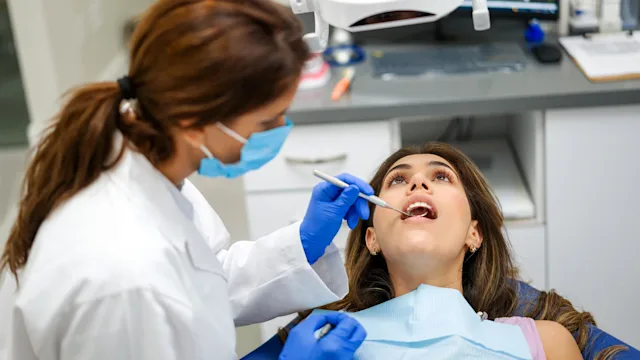
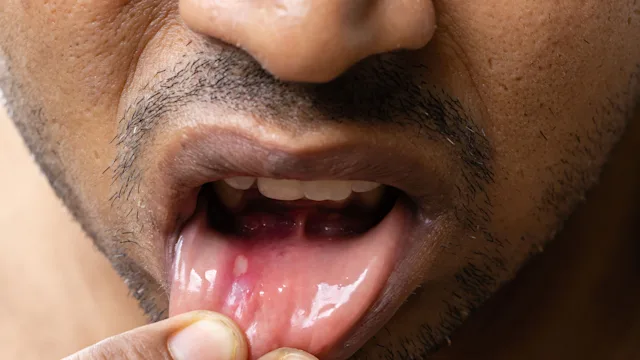
A dental exam is a standard part of preventive healthcare that can detect conditions beyond your mouth. In addition to finding cavities and gum disease early, when they are most easily treatable, a dental exam can also reveal oral cancers as well as systemic conditions such as diabetes and heart disease.
How much does a dental exam cost without insurance?
Before you open your mouth, it’s important to understand that a dental exam is a more comprehensive visit than just teeth cleaning. While a cleaning is typically a component of the appointment, a dental exam usually includes:
Dental health assessment
Dental X-rays
Treatment planning, which could include deep cleaning or debridement.
Search and compare options
The cost of a dental exam without insurance depends on your dental care professional and where you receive the service. The average cost is about $200 in the U.S., which may include a full cleaning and X-rays, according to CareCredit, a health and wellness cash pay-over-time product.
Some dental practices may charge more or less, with prices ranging from $50 to $350. The cost can increase if you have a panoramic X-ray or full-mouth X-ray series versus standard bitewing X-ray films. Additionally, fees may be higher if a more extensive dental cleaning beyond a routine preventive cleaning is needed.
What is the most affordable way to get a dental exam?
It depends. You may end up paying less if you have dental insurance. This would be true if your share of a dental plan’s premiums and your copay for a dental exam total less than the self-pay dental care price.
Cash-pay healthcare is an option for accessing medical treatment, preventive medicine, and wellness services without insurance. You could spend less with a self-pay, discounted price offered by your dental professional because the practice doesn’t have to spend resources working with an insurer.
You could also find the lowest price with a dental savings plan, which is offered by some practices — namely dental care chains — which we will discuss in more detail next.
How can you save on the cost of a dental exam?
There are a number of ways to save on the cost of a dental exam if you don't have dental insurance. Dental discount plans, also known as dental savings plans, are membership programs in which members benefit from negotiated pricing for specific dental services. Typically you pay the plan's membership fee to gain access to a network of participating dental professionals. When you need a service, you'll pay the discounted rate.
Some dental practices offer new patient specials in which they provide certain services at a discount to attract new customers, such as $59 for an exam, cleaning, and X-ray. You may also be able to get discounted dental care through a community health center, which provides low-cost care in underserved areas. Some dental schools and dental hygienist programs also offer low-cost dental services as a way to support the community while training students.
GoodRx Companion can help you save on self-pay dental services, such as a root canal. This is a subscription with a low monthly price. Once you join, you could save on cash-pay prescriptions, telehealth, imaging, diagnostics, vision care, and lab work. This program also gives you access to more than 250 generic medications at no additional cost and hundreds more for less than $10 per fill.
Does a dental exam include cleaning?
Typically, a dental exam comes with a routine cleaning, but there may be a clinical reason that you need to have them separately. If your dentist or dental hygienist identifies trouble areas, such as inflammation in your gums or a heavy plaque buildup, they may recommend another appointment for deep cleaning — which would likely not be part of the dental exam and would have an additional cost.
Frequently asked questions
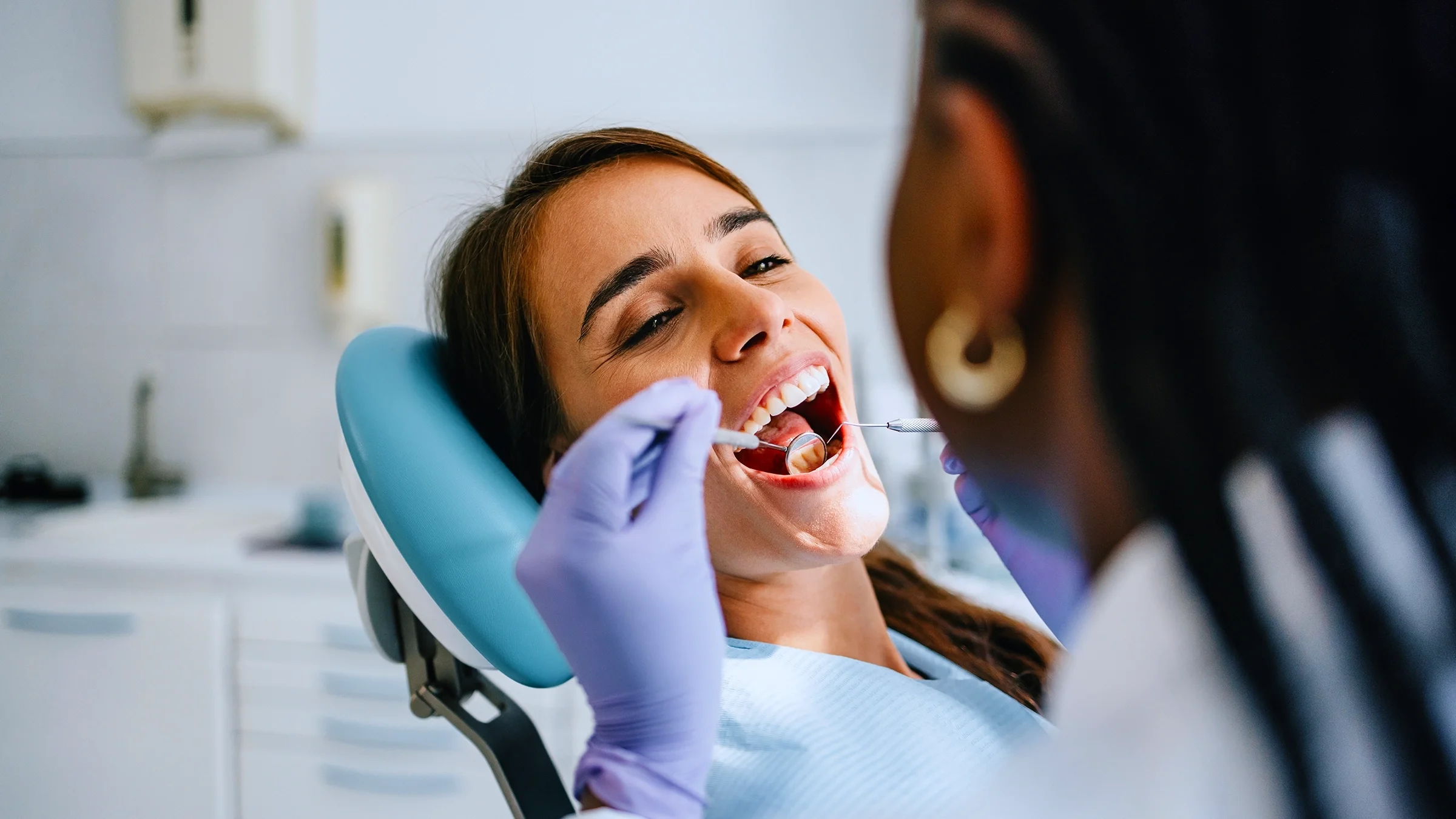
During a standard dental exam, a dentist will conduct a thorough inspection of your teeth and mouth to look for cavities and signs of gum disease. A dentist or hygienist may also take X-rays that can reveal early oral health issues such as hidden cavities and bone loss in the jaw. The dentist may also check your bite, to make sure your top and bottom teeth fit together, and screen you for oral cancer. Dental exams also typically include teeth cleaning by a hygienist.
Dental insurance plans typically cover preventive care, which includes dental exams. Generally, your insurance plan will cover a designated number of exams, cleanings, and X-rays per coverage year. A dental exam is often covered at 100%.
Experts recommend that you have a dental exam, minimally, once per year. Many dentists advise two exams per year, which provide adequate surveillance of diagnosed dental conditions and the opportunity to catch other issues early. Some people with serious gum disease or tooth decay could benefit from three or four exams annually.
The bottom line
Regular dental exams play a major role in checking your mouth for gum disease and tooth decay. These checkups can also detect conditions such as oral cancers, diabetes, and heart disease. Dental exams typically include dental cleanings and X-rays. While the average cost of a dental exam in the U.S. is about $200 without insurance, the cost can range from $50 to $350. There are ways to save on dental care, including buying a dental discount plan, taking advantage of new patient specials, and using GoodRx Companion for self-pay dental services. You could also pay less for care at community health centers, as well as from schools that train dentists and dental hygienists.

Why trust our experts?




References
Aspen Dental. (n.d.). Dental check-up: What to expect.
Aspen Dental. (n.d.). How much does a dental checkup cost?
CareCredit. (n.d.). Dental exam and procedure costs.
Carter, E. (2026). How much does a dentist visit cost without insurance? Average 2026 prices. MySmile Dental Care.
Celebrate Dental. (2025). Do dental exams include cleanings?
Cigna Healthcare. (n.d.). What happens during a dental check-up? Dental check-ups help ensure your teeth and gums are healthy year after year.
Fenton Family Dental. (2026). $59 cleaning, exam & X-ray.
Lowcountry Family Dentistry. (n.d.). Full mouth debridement.
MedlinePlus. (n.d.). Dental exam: What is a dental exam?
Messina, M. J. (2023). Health issues a dentist can identify by looking in your mouth. Ohio State Health & Discovery.
Penn Dental Medicine at PHMC. (2024). How often should you go to the dentist?