Key takeaways:
There are certain lifestyle factors, medical conditions, and medications that can increase your risk of a blood clot.
Some common causes of blood clots include conditions like cancer or pregnancy, medications like oral birth control pills, and long periods of immobility.
There are steps you can take to decrease your risk of a blood clot. These include moving around during a flight, quitting smoking, or even changing up your medications.
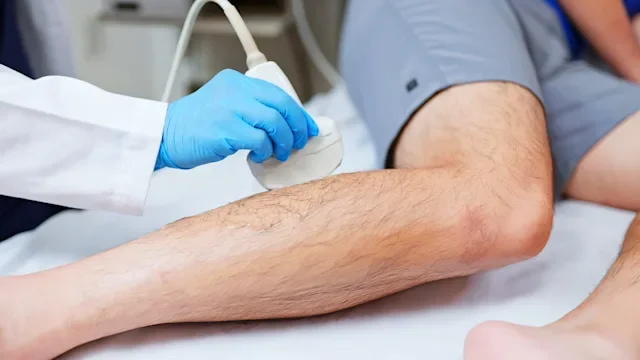
Blood is designed to clot. Our bodies rely on clotting to prevent unnecessary bleeding. But sometimes, a clot can form in a vein when there’s no bleeding. This kind of blood clot is called a deep vein thrombosis (DVT), and it most likely happens in the veins of your legs.
If the blood clot stays in your leg, it causes pain and swelling. But the clot can also break off and travel through your bloodstream. When this happens, it can get stuck in your lungs and cause a pulmonary embolism (PE). Or it can travel to your brain and cause a stroke.
Both of these conditions can be life-threatening. So, it helps to know if you have any of the conditions that put you at an increased risk for a blood clot. That way, you know what you can do to decrease your risk.
Quiz: Do I have DVT?
What causes blood clots?
There are many reasons why blood clots can form in the wrong place. Some conditions affect how quickly your blood clots. Other conditions cause your blood to pool in your veins, which makes it more likely to clot. Here are the most common reasons this can happen.
Immobility
When your muscles contract, they help squeeze blood through your veins. So normal, everyday movements like walking are important to keep blood flowing. Without this physical activity, blood can collect in your legs, like water in a tide pool. When blood isn’t moving, it’s more likely to clot.
Here are some examples of when you might not be moving enough:
Travel: Long plane rides — like cross-country or overseas flights — put you at risk for blood clots. Long car rides without breaks can also cause blood clots. This higher risk of blood clots happens when you travel for 4 hours or longer.
Surgery: Right after surgery, you usually spend more time resting in bed. This is especially true after surgeries like knee or hip replacements, which affect your ability to walk.
Being bedbound: Some people can’t get out of bed because of medical conditions. These can be permanent conditions, like in people with dementia or those who are weak from a stroke. It can also include temporary conditions, like when someone is recovering from an injury or infection.
Medical conditions
Some medical conditions make your blood more likely to form clots. Conditions can do this in three main ways:
They cause edema (swelling) in your legs, which slows down blood flow (similar to immobility that we described above)
They change the blood clotting process
They cause inflammation in your blood vessels
Conditions that raise your risk for blood clots because they cause fluid to collect in your legs include:
Venous insufficiency: Your veins have valves that keep blood moving in the right direction. If your valves are leaky, blood has a harder time getting out of your legs.
Heart failure: If your heart has trouble pumping blood forward, it can back up in your legs.
Liver failure: Conditions like cirrhosis make it hard for your body to move or get rid of extra fluid. This fluid can collect in your legs.
Lymphedema: There are vessels in your body that carry fluid to your lymph nodes. These are part of your immune system. If there’s damage to these vessels, fluid can build up in the legs behind them.
Conditions that make the clotting proteins in your blood overactive. This can make the clotting system turn on in the wrong places. Some examples are:
Factor V Leiden: This is an inherited blood condition. People who have it are born with a genetic mutation that makes their blood more likely to clot.
Autoimmune conditions: Some autoimmune conditions, like lupus and antiphospholipid syndrome, can trigger the blood clotting process.
There are other conditions that increase your risk of blood clots for reasons that are a little less clear. It’s likely related to the way these conditions increase inflammation in your body. Examples include:
Cancer: Some types of cancer raise your risk of blood clots more than others. But most people with any type of cancer have an increased risk for blood clots.
Having a BMI or 30 or more: This could be for a few different reasons. In addition to increased inflammation, body fat may also affect how your body breaks down clotting proteins.
COVID: The increased inflammation from a COVID infection can increase your risk for blood clots. And that risk seems to remain elevated for nearly a year after infection.
Vitamin D deficiency: Vitamin D seems to have both an anti-inflammatory effect and a blood-thinning effect in your body. And researchers have observed a link between very low vitamin D levels and increased blood clot risk.
Pregnancy
Women are five times more likely to develop a blood clot during pregnancy. This is because the higher levels of estrogen can make blood clot faster. The risk of blood clots during pregnancy seems to be highest in the third trimester and in the first 6 weeks after giving birth.
Medications
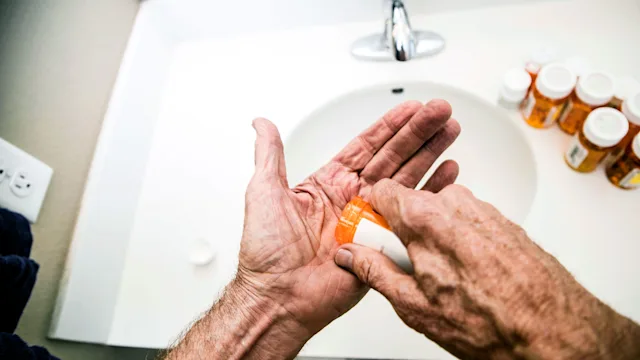
Some medications can raise your risk of blood clots — particularly those that contain hormones. These include:
Birth control pills with estrogen
Estrogen-based oral treatments that help with menopause symptoms
Smoking
Smoking can damage blood vessels, which can then trigger blood clots. It also affects platelets — the cells in your blood that make it clot. Smoking makes platelets stickier, which increases the likelihood of a clot.
How long does it take a blood clot to form?
The length of time it takes a blood clot to form depends on the cause.
For example, a blood clot from trauma can form within minutes. If you cut your leg, it usually doesn’t take very long for the bleeding to stop.
But some blood clots form at a slower rate. For example, a blood clot in your leg caused by long travel can take several hours to form. And some blood clots may take even longer — like those that form over time in people who have edema in their legs.
Can you prevent a blood clot?
While you can’t change some of the conditions that cause blood clots, there are some steps you can take to decrease your risk. These are good measures for anyone to take. But they are especially important if you’re at higher risk for developing a blood clot:
Avoid long periods of immobilization. If you’re traveling long distances, change positions often or get up to walk around as much as possible.
Prevent blood from pooling in your legs. This might mean elevating your legs as much as possible. You can also wear compression socks to prevent blood from pooling.
Consider cutting back or quitting smoking.
If you take an estrogen-containing medication and have other risk factors for a blood clot, it may be worth talking with your healthcare team to see if there are other options.
Frequently asked questions
A bruise is unlikely to cause a blood clot in a deep vein (DVT). Bruising happens when small blood vessels near your skin get damaged — not the deeper veins where blood clots can be more serious.
That said, more significant trauma can cause both a bruise on the surface of your skin and deeper injury that could increase your risk for a blood clot. But even in these cases, it isn’t the bruise itself that would cause a blood clot.
The connection between stress and blood clots is a topic of ongoing research. Chronic stress can put you at risk for many health conditions — especially those involving your heart and blood vessels.
There’s some evidence that links depression and anxiety to increased blood clot risk. But the mechanisms behind this are complex, and scientists are still learning how and if these might be related.
A blood clot in your leg doesn’t always cause symptoms. But when it does, the first signs are often swelling, pain, redness, or warmth in one leg.
A bruise is unlikely to cause a blood clot in a deep vein (DVT). Bruising happens when small blood vessels near your skin get damaged — not the deeper veins where blood clots can be more serious.
That said, more significant trauma can cause both a bruise on the surface of your skin and deeper injury that could increase your risk for a blood clot. But even in these cases, it isn’t the bruise itself that would cause a blood clot.
The connection between stress and blood clots is a topic of ongoing research. Chronic stress can put you at risk for many health conditions — especially those involving your heart and blood vessels.
There’s some evidence that links depression and anxiety to increased blood clot risk. But the mechanisms behind this are complex, and scientists are still learning how and if these might be related.
A blood clot in your leg doesn’t always cause symptoms. But when it does, the first signs are often swelling, pain, redness, or warmth in one leg.
The bottom line
Blood clots are caused by a lot of different things. These causes tend to be conditions that impair blood flow through your veins or affect the proteins in your blood that cause it to clot. But even if you have an increased risk for a blood clot, you can still lower your risk. One of the best ways is to keep moving and walking as much as you’re able.

Why trust our experts?



References
American Cancer Society. (2024). Blood clots.
Agency for Healthcare Research and Quality. (2017). Your guide to preventing and treating blood clots.
American Heart Association. (2023). Risk factors for excessive blood clotting.
Blokhin, I. O., et al. (2013). Mechanisms of thrombosis in obesity. Current Opinion in Hematology.
Centers for Disease Control and Prevention. (2022). Advice for travelers: Blood clots.
Hung, K., et al. (2023). Is circulating vitamin D status associated with the risk of venous thromboembolism? A meta-analysis of observational studies. Nutrients.
Merschel, M. (2022). Blood clot risk remains elevated nearly a year after COVID-19. American Heart Association News.
National Blood Clot Alliance. (n.d.). Blood clot info.
National Blood Clot Alliance. (n.d.). Expecting or recently had a baby? Don’t let a blood clot spoil your joy.
Pomp, E. R., et al. (2008). Pregnancy, the postpartum period and prothrombotic defects: Risk of venous thrombosis in the MEGA study. Journal of Thrombosis and Haemostasis.
Rosovsky, R. P., et al. (2024). Anxiety and depression are associated with heightened risk of incident deep vein thrombosis: Mediation through stress-related neural mechanisms. American Journal of Hematology.