About 1.6 million people in the United States have some type of inflammatory bowel disease (IBD), with about 70,000 new diagnoses annually, according to the Crohn’s and Colitis Foundation. IBD is an autoimmune condition that causes the immune system to attack the digestive tract, resulting in abdominal pain, diarrhea, inflammation, and rectal bleeding.
“With inflammatory bowel disease, there [are] two major subtypes: Crohn's disease and ulcerative colitis,” says David P. Hudesman, MD, associate professor of the Department of Medicine and medical director of the IBD Center at NYU Langone Health.
For people with ulcerative colitis (UC), the immune system attacks only the large intestine, or the colon. On the other hand, for people with Crohn’s disease, the immune system can attack anywhere in the digestive tract, from the mouth to the anus and everywhere in between. Learn more about the difference between UC and Crohn’s disease.
What causes Crohn’s disease?
The exact cause of Crohn’s disease — as with other autoimmune diseases — is yet unclear. However, researchers are getting closer to figuring out exactly what triggers the start of the disease.
“Everybody has something in their genes that [makes] them more likely to get [a] disease,” says Dr. Hudesman. This is known as a genetic predisposition. “Then you need some type of trigger in the environment which sets things off.”
Potential environmental triggers that researchers have studied could include:
Taking antibiotics: While these may be necessary to treat a dangerous infection, they may increase the risk of IBD.
Smoking: Studies show that smokers have double the risk of developing Crohn’s disease, compared to nonsmokers.
Taking nonsteroidal anti-inflammatory drugs (NSAIDs): OTC painkillers like ibuprofen, aspirin, or naproxen may raise the risk of IBD.
Normally, the immune system attacks a threat until the threat is eliminated, but an autoimmune disease causes the immune system to stay active indefinitely. “With Crohn's disease, once your body starts attacking, it doesn't stop. Your body keeps attacking … even though that trigger is gone,” says Dr. Hudesman.
Treatment for Crohn’s disease
While Crohn’s disease does not currently have a cure, it can be treated and managed in order to reduce the severity of symptoms and its effect on a person’s life. Treatment can even lead to remission — a period of no or mild disease activity.
“We have great therapies for Crohn's where we can heal the inflammation and get people back to a normal quality of life where they can do everything that they want to do,” says Benjamin Cohen, MD, gastroenterologist at The Mount Sinai Hospital.
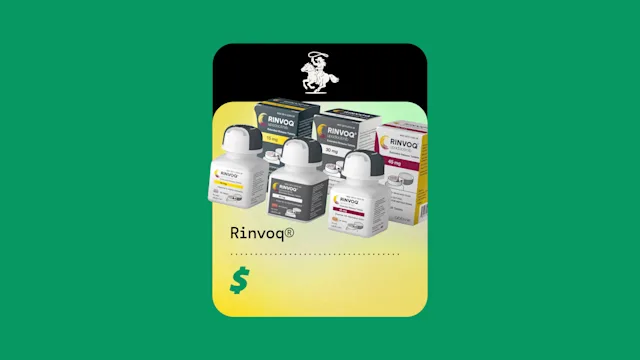
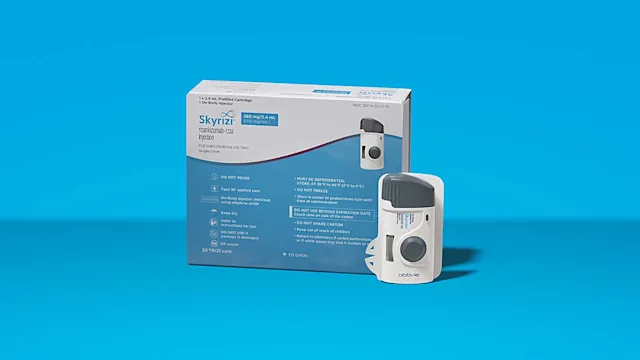
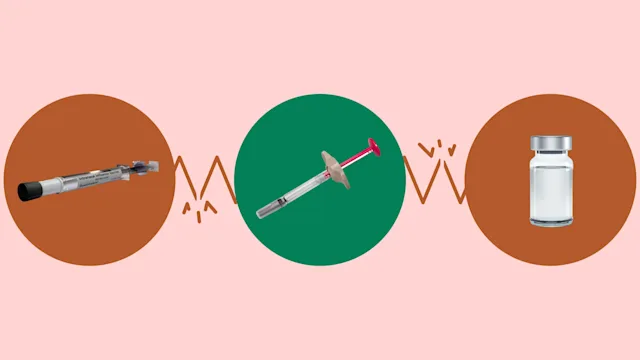
Medications for Crohn’s disease include immunomodulators, which help reduce inflammation caused by Crohn’s, and biologics, which help prevent inflammation from occurring. Surgery for Crohn’s disease may also be necessary for some patients — if medication is ineffective or intolerable.
Additionally, lifestyle changes to manage Crohn’s disease, such as staying physically active and not smoking, are also helpful at reducing the risk of flares and complications. Lifestyle modifications alone are likely not enough to get Crohn’s under control, but it can help improve your quality of life and make your medications more effective.
“There's more and more therapies coming down the pipeline, so even if you're not responding as well as you'd like to to one of the therapies we have now, in the future, we're gonna have lots of different therapies and we're going to understand how to use these therapies together to treat the underlying causes of the inflammation,” says Dr. Cohen. “I think the future is bright.”
Dr. Cohen is a gastroenterologist at The Mount Sinai Hospital in New York City.
Dr. Hudesman is a professor in the Department of Medicine and medical director of the IBD Center at NYU Langone Health.
References
Crohn’s & Colitis Foundation. (2014). The facts about inflammatory bowel disease.
Peppercorn, M.A., et al. (2023). Patient education: Crohn's disease (beyond the basics). UpToDate.

Why trust our experts?