Key takeaways:
Being immunocompromised means that your immune system is weakened.
If you’re immunocompromised, you’re at higher risk for all types of infections, from UTIs to the flu.
Many different health conditions and medications can cause you to be immunocompromised. Diabetes, corticosteroids, cancer, and cancer treatments are a few examples.
Being immunocompromised means your immune system isn’t working as well as it should. That can make it harder for your body to fight off infections, even ones that might be mild or barely noticeable to someone else. Some people are born with immune system issues, while others become immunocompromised because of an illness or a treatment. In some cases, the immune system is intentionally weakened through medications — a state known as being immunosuppressed.
But not everyone who’s immunocompromised is affected the same way, and the reasons behind it can vary a lot. So what exactly causes someone to be immunocompromised or immunosuppressed? And what steps can you take to stay healthy if you are? Read on to find out.
What does ‘immunocompromised’ mean?
Immunocompromise is a general term that describes a weakened immune system. There’s overlap with immunosuppression and immunodeficiency, but there are some subtle differences between these terms:
Immunocompromise describes an immune system that isn’t working properly, no matter the cause. It can be temporary or permanent, and can happen as a result of a health condition or medications.
Immunosuppression is when your immune system is deliberately weakened with medications, like after an organ transplant, or with chemotherapy for cancer.
Immunodeficiency is when your body can’t make enough of certain blood cells to defend itself against infection. It’s not deliberate (like from medications), it’s usually permanent, and it’s a medical diagnosis. Some people are born with immunodeficiency (primary immunodeficiency), and this is usually diagnosed in childhood. Some people develop immunodeficiency later in life, from illness. This is called secondary, or acquired, immunodeficiency.
Search and compare options
Being immunocompromised, whatever the underlying reason, means you’re more likely to get an infection. It also means you’re more likely to have a severe illness from that infection compared with someone whose immune system is working well (this is known as being immunocompetent).
What health conditions can cause you to be immunocompromised?
If you have a health condition that affects your immune system, it’s possible that you might be immunocompromised.
Health conditions that can cause secondary immunodeficiency include:
Autoimmune disorders: This is when your immune system acts against your own body. Common autoimmune disorders include Type 1 diabetes, lupus (SLE), multiple sclerosis, inflammatory bowel disease, and rheumatoid arthritis.
Chronic health problems: Many chronic diseases can also cause immunodeficiency, like Type 2 diabetes, kidney failure, and liver cirrhosis.
Infections: Certain bacterial, mycobacterial, and viral infections can cause immunodeficiency. These include tuberculosis, HIV/advanced HIV, and measles.
Cancer: Any type of cancer can make you immunodeficient, like solid (organ) cancers and blood cancers such as Hodgkin disease, leukemias, and myelomas. Chemotherapy or radiation therapy for cancer can make you immunocompromised, too.
Not having a spleen: Not having a spleen (asplenia) or having reduced spleen function (hyposplenism) can cause immunodeficiency. This can happen because of physical trauma or sickle cell disease, among other causes.
Serious burns: Significant burns can lead people to become immunocompromised.
Pregnancy can cause changes to your immune system, too. Though you aren’t technically immunocompromised during pregnancy, it can increase your risk of getting very ill from certain infections.
Certain life experiences and lifestyle choices can also weaken your immune system. This includes stress, exposure to environmental toxins, tobacco smoking, excessive alcohol use, and even normal aging.
Can medications cause you to become immunocompromised?
Yes. Some types of medications can cause you to become immunocompromised.
Certain medications — called immunosuppressants — deliberately make your immune system weaker. This can be helpful in certain situations, like if you have an autoimmune condition, cancer, or after an organ transplant.
Medications that can weaken your immune system include:
Chemotherapy or radiation for cancer
Medications that treat autoimmune disorders (like corticosteroids, cyclosporine, methotrexate, azathioprine, and biologic therapies like rituximab and etanercept)
Medications that destroy bone marrow before a transplant
Medications to prevent or treat graft-versus-host disease, a rare and serious condition that can happen after bone marrow transplant when donor cells attack the recipient’s cells
Medications that prevent or treat rejection after an organ transplant (for example, mycophenolate, tacrolimus, or cyclosporine)
What are the symptoms of being immunocompromised?
Most people who are immunocompromised know they are because they had been told by their medical team — either during childhood, or as part of their medical care for their underlying health conditions and the medications they take.
But it’s important to know that being immunocompromised is not an all-or-nothing deal. It can manifest in a variety of ways. Some people have mild symptoms, others have life-threatening ones.
Here are some of the symptoms of a weakened immune system:
Having more frequent infections
Having more serious infections
Having rare infections
Taking longer to fight off common infections
How is being immunocompromised diagnosed?
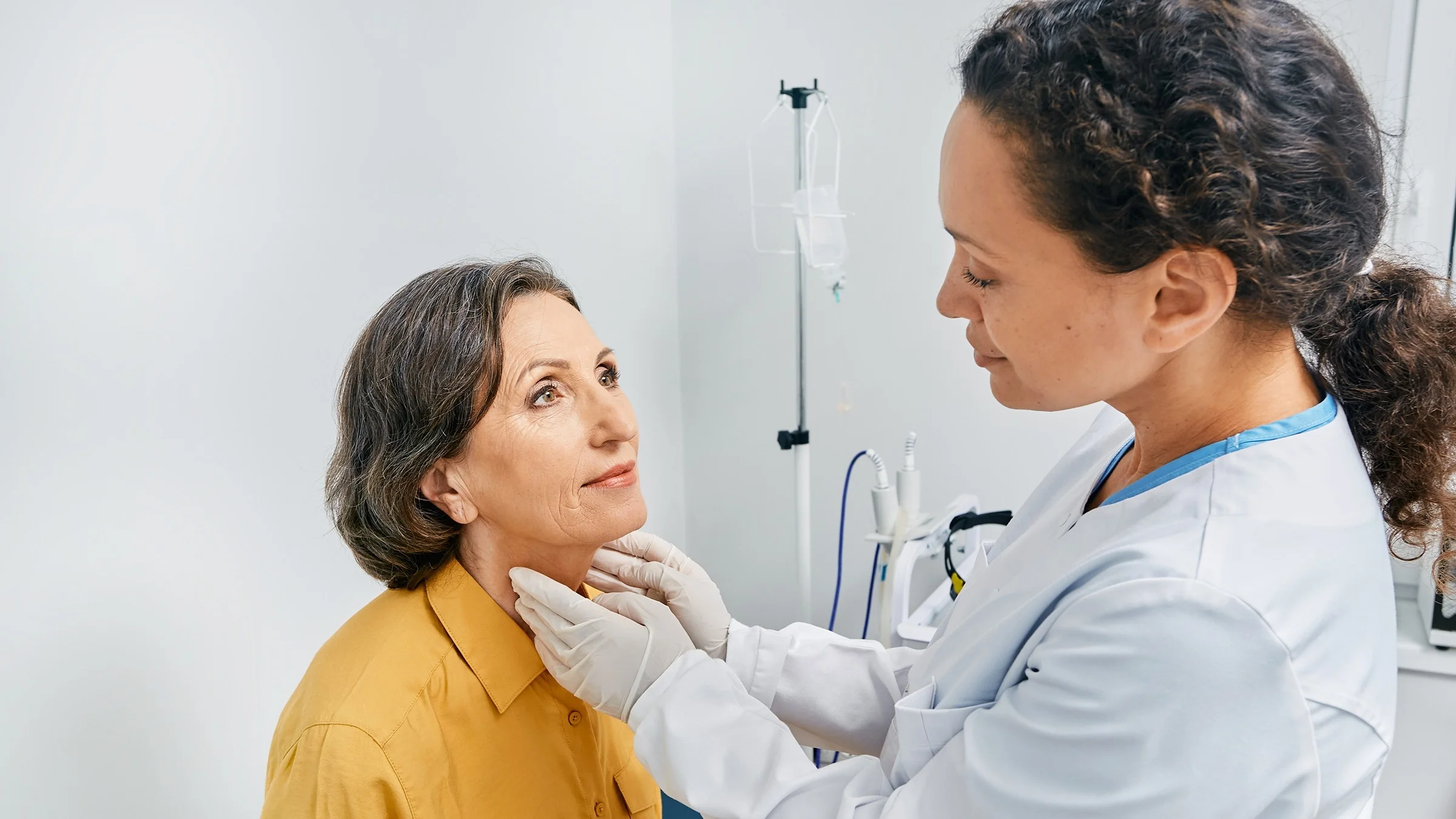
If you think you might be immunocompromised, you’ll need a thorough consultation with a physician, a physical examination, and likely, a range of lab tests. If lab tests show that you’re immunocompromised, your primary care provider will want to find the cause. This can involve many more tests, depending on your individual circumstances and what your care team thinks might be going on.
Sometimes the issue is easy to spot, like a medication you’re taking or recent chemotherapy treatment. Other times, it takes more digging to uncover an underlying condition. Either way, figuring out why your immune system isn’t working properly is the first step toward managing it.
Infections in people with compromised immune systems
When your immune system isn’t working at full strength, even minor infections can turn into something more serious. You might get sick more often, take longer to recover, or develop infections that most people don’t usually get, like certain fungal or viral infections. Some people who are immunocompromised might not show the usual signs of infection, like fever, which can make infections harder to spot. That’s why staying on top of any new symptoms, even if they seem small, is so important when you're immunocompromised.
And when infections do happen, they can progress much faster and become more severe than usual. What starts as a mild cough or a low-grade fever can quickly turn into pneumonia or sepsis. This is why early treatment is a big deal, since it gives your body the best chance to fight back before things get serious.
Treating infections when someone is immunocompromised
If you’re immunocompromised and get an infection, your medical team might take a more aggressive approach than they would with other people. That could mean starting antibiotics, antivirals, or antifungals sooner. It could also mean using stronger medications than someone with a healthy immune system might need. You may also need more frequent follow-ups or lab monitoring to make sure the treatment is working and the infection is going away. You might even need to be admitted to the hospital for IV antibiotics. The goal is to catch and treat infections early, before they have a chance to spread or cause complications.
When should you seek emergency care if you’re immunocompromised?
If you’re immunocompromised, it’s important to take symptoms seriously, even ones that seem mild at first. A fever of 100.4°F (38°C) or higher is often a reason to call a healthcare professional right away, since it could be an early sign of an infection. You should also get immediate care if you have shaking chills, shortness of breath, chest pain, confusion, or a rapid heart rate. These could be signs that your body is having a hard time keeping up.
But here’s the bottom line: If something feels off, don’t wait it out. When your immune system is weakened, infections can move quickly. It’s always better to get checked early than to wait until symptoms get worse.
Frequently asked questions
Yes, while you can’t avoid every germ, there are proven ways to lower your risk of getting infected, even if you are immunocompromised. For some people with severely weakened immune systems, doctors may prescribe daily preventive antibiotics or antifungals to help prevent serious infections before they start. Staying current on vaccines, washing your hands regularly, and avoiding people who are sick also play a big role.
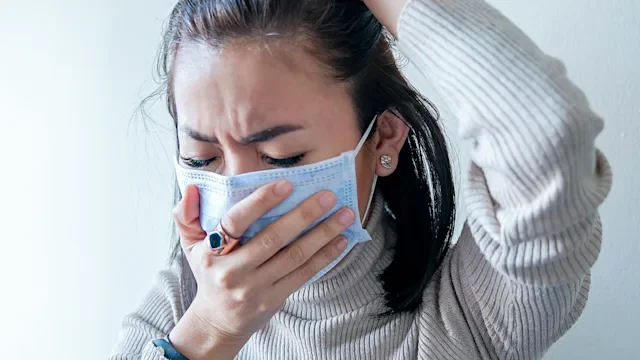
People with weakened immune systems are more likely to get seriously ill from infections like COVID. While you can’t always control your immune status, you can take steps to lower your risk of getting sick. Staying current on vaccines (including boosters), practicing good hygiene, wearing face masks, and avoiding close contact with people who are sick can all go a long way. And if you do end up getting COVID, a healthcare professional may prescribe you antiviral medications like Paxlovid to help reduce the severity of your illness.
You might be immunocompromised if you take certain medications (like chemotherapy or steroids), or if you have a condition that affects your immune system (like HIV, cancer, an autoimmune disease, or diabetes). If you find that you get sick more often, or more severely, than the people around you, that could also be a sign. A healthcare professional can review your medications and medical history to help you understand your risk and what steps you should take to stay protected.
Yes, while you can’t avoid every germ, there are proven ways to lower your risk of getting infected, even if you are immunocompromised. For some people with severely weakened immune systems, doctors may prescribe daily preventive antibiotics or antifungals to help prevent serious infections before they start. Staying current on vaccines, washing your hands regularly, and avoiding people who are sick also play a big role.
People with weakened immune systems are more likely to get seriously ill from infections like COVID. While you can’t always control your immune status, you can take steps to lower your risk of getting sick. Staying current on vaccines (including boosters), practicing good hygiene, wearing face masks, and avoiding close contact with people who are sick can all go a long way. And if you do end up getting COVID, a healthcare professional may prescribe you antiviral medications like Paxlovid to help reduce the severity of your illness.
You might be immunocompromised if you take certain medications (like chemotherapy or steroids), or if you have a condition that affects your immune system (like HIV, cancer, an autoimmune disease, or diabetes). If you find that you get sick more often, or more severely, than the people around you, that could also be a sign. A healthcare professional can review your medications and medical history to help you understand your risk and what steps you should take to stay protected.
The bottom line
Being immunocompromised isn’t one-size-fits-all — it’s a broad term that describes many different situations where the immune system isn’t working at full strength. Whether it’s due to a medical condition, a treatment, or both, the result is the same: Your body is more vulnerable to infections and may have a harder time getting rid of them. But being immunocompromised isn’t always obvious, and it’s not something you can self-diagnose. If it applies to you, a healthcare professional will typically flag it — often as part of guiding your care, protecting you from infections, or making treatment decisions. Understanding what it means is the first step toward managing it with confidence.

Why trust our experts?



References
HIVinfo. (2023). HIV and AIDS: The basics.
Immune Deficiency Foundation. (n.d.). Patient and family handbook for primary immunodeficiency diseases.
National Cancer Institute. (n.d.). Definition of immunocompromised.