Chronic obstructive pulmonary disease, or COPD, takes decades to develop. Continued inflammatory attacks on the lungs and airways — such as from smoking — lead to damage in the air sacs or bronchial tubes that cannot be reversed. “COPD cannot be cured. It is a chronic disease, so once you have it, you have it,” says Margarita Oks, pulmonologist at Lenox Hill Hospital, Northwell Health.
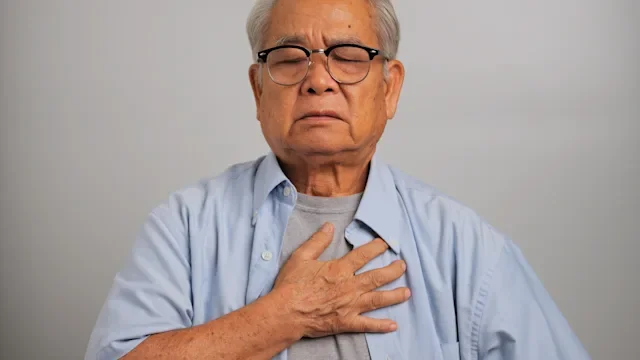
However, COPD is also a progressive disease. Symptoms of COPD, such as shortness of breath and coughing with mucus, may get worse over time if not effectively managed. For this reason, treatment is incredibly important to avoid more severe symptoms and other health complications. “The goal of treatment is to keep the disease as stable as possible — to make sure that it does not progress, that your lung function does not deteriorate, and [that] we can maintain a person’s daytime functioning,” says Dr. Oks.
Dr. Oks is a pulmonologist at Lenox Hill Hospital and Northwell Health. She is triple board-certified in Internal Medicine, Critical Care Medicine, and Pulmonary Disease.
References
American Lung Association. (2023). Oxygen therapy.
American Lung Association. (2023). Pulmonary rehabilitation.
American Lung Association. (2023). Understanding your COPD medications.
COPD Foundation. (2021). What is COPD?

Why trust our experts?