Key takeaways:
Certain foods and drinks can make constipation worse. Examples include refined grains, foods high in sodium, red meat, and alcohol.
When you’re constipated, choose foods that help digestion. Look for foods high in fiber, rich in water, or with probiotics. Examples include whole grains, fruits, and fermented foods.
You can manage constipation by staying physically active, drinking water, and going to the bathroom when you feel the urge to go.
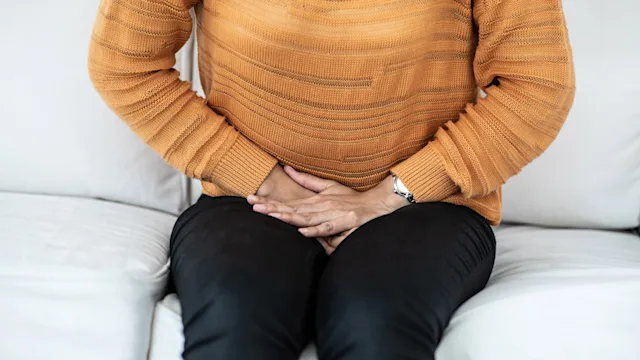
Pretty much everyone has dealt with constipation at some point, and it can be very uncomfortable. Many people use over-the-counter (OTC) medications for relief. But what you eat matters, too. Some foods can make constipation worse. Let’s look at which foods to avoid when constipated, and what to eat instead.
1. Refined grains
Eating a lot of refined grains can make constipation worse. That’s because refined grains are processed to remove the bran and germ. The result is a grain kernel with very little fiber. But fiber is essential for keeping your stool soft and easy to pass.
Many types of grains can be refined, including wheat, rice, and corn. These refined grains are used to make foods like:
Bread, bagels, and crackers
Breakfast cereals
Pasta
White rice
Tortillas
Search and compare options
Try to choose whole grains more often. Whole grains are less processed, so they keep their fiber and important nutrients. This is better for constipation — and your overall health.
2. Red meat
Animal proteins don’t contain fiber. If they replace high-fiber foods in your diet, they can lead to constipation. Red meat, in particular, may be harder to digest than other animal proteins like chicken or fish. For some people, red meat can also lead to digestive discomfort.
Eating large amounts of red meat — especially with a diet high in sugar or fat— may also disrupt the balance of bacteria in your gut. This can worsen constipation.
Types of red meat include:
Beef
Pork
Lamb
Veal
3. High-sodium foods
High-sodium foods may worsen constipation in a couple different ways.
When you eat a lot of salty foods without enough fluids, it can affect the fluid balance in your body and intestines. This can make your stool dry, hard, and more difficult to pass. High-sodium foods may also change your gut bacteria, slowing digestion.
Foods high in sodium include:
Processed meats like bacon and sausage
Chips, pretzels, and crackers
French fries
Condiments like ketchup, bottled salad dressing, and soy sauce
4. Fast food
The National Institutes of Health (NIH) recommends avoiding fast food when you’re constipated. One major reason is that it’s low in fiber. Fast food also combines several constipation-triggering factors including refined grains, high sodium, and red meat. Plus, it’s high in saturated fat, which can slow digestion and interfere with normal gut movement (motility).
5. Dairy products
Dairy foods can be a gut irritant for some people, especially those with lactose intolerance. People with lactose intolerance can’t digest lactose, the sugar found in milk and milk products. Experts estimate that almost 70% of the world’s population has a reduced ability to digest lactose. Lactose intolerance can cause constipation or make it worse.
Examples of dairy products high in lactose include:
Cow’s milk
Some yogurts
Ice cream
Certain soft, unaged cheeses like ricotta, cream cheese, and Brie
But it’s important to note that fermented dairy products may actually be helpful for some people who aren’t lactose intolerant. For example, some yogurts contain probiotics — live yeasts and bacteria that support the natural flora in your intestine. These yogurts may actually help prevent or relieve constipation.
Both Greek and regular yogurt can contain probiotics. To find out if a yogurt has probiotics, check the label. It should say “live and active cultures” and list the specific types of bacteria used.
6. Foods high in added sugars
Diets high in added sugar are linked to constipation. Foods high in sugar are often low in fiber and may include ingredients that can worsen constipation, like:
Refined grains
Saturated fat
Sodium
Like with sodium and red meat, added sugar may also affect gut bacteria.
Some foods are clearly high in added sugar, like candy, baked goods, and other sweets. But many high-sugar foods may surprise you, like:
Cereal
Some granola bars or protein bars
Sweetened yogurts
Condiments like ketchup, barbecue sauce, teriyaki sauce, and bottled salad dressing
Sugar-sweetened beverages — like soda, energy drinks, and juice — are also linked to a higher risk of constipation.
7. Unripe fruits
Most unripe fruits are safe to eat, but they can be tougher for your digestive system to handle than ripe fruits. They tend to be firmer, have less water, and contain more starch. These factors make them harder to break down. As a result, unripe fruits — such as bananas and avocados — can slow down digestion.
8. Alcoholic drinks
If you have constipation, drinking alcohol could make it worse. One reason is that alcohol acts as a diuretic. This means it makes you pee more often, causing your body to lose more fluids.
Some evidence also suggests that drinks with higher alcohol concentrations (above 15%) can slow down bowel movements. Many alcoholic drinks fall into this range. So if you have constipation, alcohol can make it worse.
In some cases, alcohol can cause diarrhea by irritating your intestines. Whether alcohol leads to diarrhea or constipation depends on factors like how much you drink, the type of alcohol, and your individual gut microbiome.
Foods to help prevent constipation
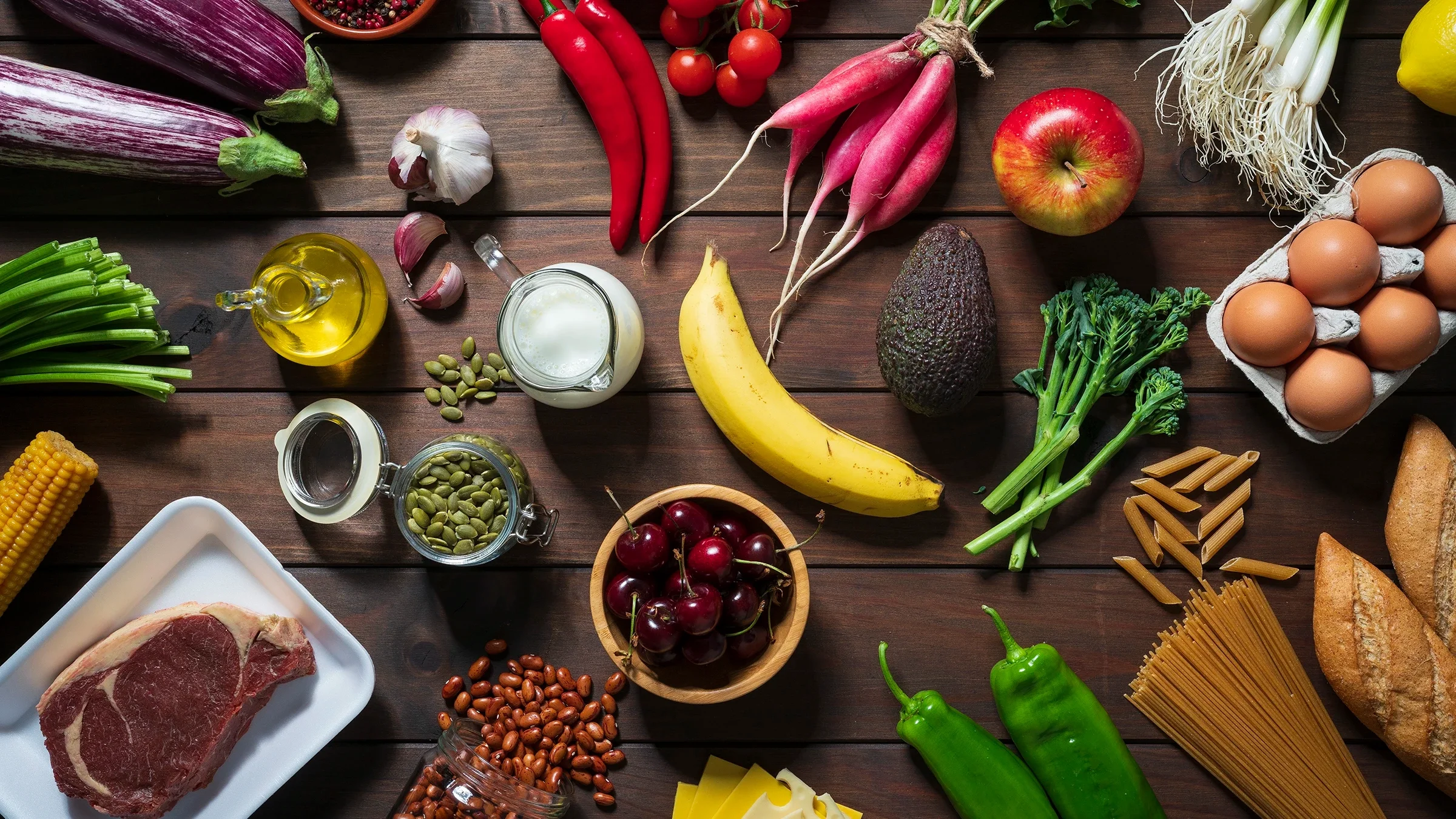
While some foods can worsen constipation, others can help keep your digestion regular and prevent it from happening in the first place. Most of these foods contain some combination of:
Fiber
Water
Probiotics
Foods that help prevent constipation include:
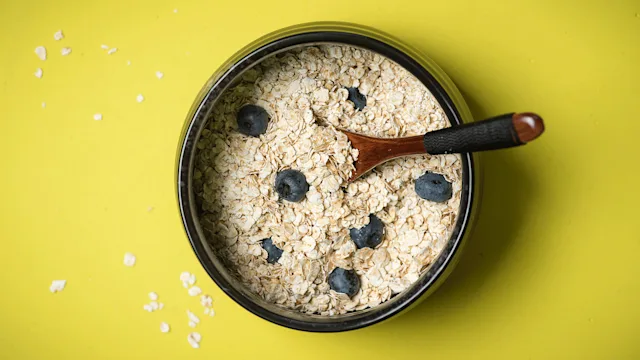
Whole grains, such as whole wheat bread or crackers, oats, and brown rice
Fruits like pears, avocado, and berries
Vegetables like leafy greens, carrots, and broccoli
Fermented foods and drinks like kombucha, kefir, sauerkraut, and yogurt with live and active cultures
Aim for 25 g to 35 g of fiber each day. If you’re increasing your fiber intake, do so gradually to help avoid digestive discomfort. Also, be sure to drink enough water, since fiber works best when you’re well hydrated.
Other lifestyle tips to prevent constipation
Besides diet, certain lifestyle habits can help prevent and manage constipation. Try these bowel-friendly habits:
Get adequate physical activity. Being active helps prevent constipation in a few different ways, including by moving stool through your digestive tract.
Stay hydrated. Drinking enough water every day helps to keep your stool soft and easier to pass. Water-containing foods can also contribute to your daily hydration.
Go to the bathroom when you have the urge. Ignoring the urge to poop can make stools harder and more difficult to pass. And if you ignore it often, your body may gradually become less sensitive to these signals. This makes constipation more likely and harder to correct.
Frequently asked questions
Bananas don’t usually cause constipation. They can actually help relieve constipation because they contain fiber. But this isn’t necessarily the case for unripe (green) bananas. These bananas have less water and are harder to digest, which may contribute to constipation.
Yes, prune juice is one of the best drinks for constipation. Unlike most other juices, prune juice contains fiber because of how it’s made. Prune juice also contains a sugar alcohol called sorbitol, which helps pull water into your colon. Both the fiber and sorbitol can help relieve constipation.
Bananas don’t usually cause constipation. They can actually help relieve constipation because they contain fiber. But this isn’t necessarily the case for unripe (green) bananas. These bananas have less water and are harder to digest, which may contribute to constipation.
Yes, prune juice is one of the best drinks for constipation. Unlike most other juices, prune juice contains fiber because of how it’s made. Prune juice also contains a sugar alcohol called sorbitol, which helps pull water into your colon. Both the fiber and sorbitol can help relieve constipation.
The bottom line
When you’re constipated, certain foods can make it worse. These include refined grains, high-sodium foods, red meat, and sugary snacks. Try to limit these foods (whether you’re constipated or not). And remember, food isn’t the only factor that affects constipation. Hydration, exercise, and other lifestyle habits all work together to manage and prevent constipation.

Why trust our experts?




References
Albracht-Schulte, K., et al. (2021). Systematic review of beef protein effects on gut microbiota: Implications for Health. Advances in Nutrition.
Bae S. H. (2014). Diets for constipation. Pediatric Gastroenterology, Hepatology & Nutrition.
Cui, J., et al. (2024). Physical activity and constipation: A systematic review of cohort studies. Journal of Global Health.
Digestive & Liver Disease Consultants P.A., (2025). The impact of red meat on liver and digestive health.
Grad, S., et al. (2016). The effect of alcohol on gastrointestinal motility. Reviews on Recent Clinical Trials.
Jung, S. J., et al. (2020). Effects of rice-based and wheat-based diets on bowel movements in young Korean women with functional constipation. European Journal of Clinical Nutrition.
Koyama, T., et al. (2022). Prune juice containing sorbitol, pectin, and polyphenol ameliorates subjective complaints and hard feces while normalizing stool in chronic constipation: A randomized placebo-controlled trial. The American Journal of Gastroenterology.
Leszkowicz, J., et al. (2022). Can lactose intolerance be a cause of constipation? A narrative review. Nutrients.
Mushref, M. A., et al. (2013). Effect of high fat-diet and obesity on gastrointestinal motility. Annals of Translational Medicine.
National Institute of Diabetes and Digestive and Kidney Diseases. (2018). Definition & facts for lactose intolerance.
National Institute of Diabetes and Digestive and Kidney Diseases. (2018). Eating, diet, & nutrition for constipation. What should I eat and drink if I’m constipated?
National Institute on Alcohol Abuse and Alcoholism. (2025). What is a standard drink?
Ohkusa, T., et al. (2019). Gut microbiota and chronic constipation: A review and update. Frontiers in Medicine.
Rollet, M., et al. (2021). Association between dietary factors and constipation in adults living in luxembourg and taking part in the ORISCAV-LUX 2 survey. Nutrients.
Salazar-Irrazabal, M. D., et al. (2023). Avocado seed starch: Effect of the variety on molecular, physicochemical, and digestibility characteristics. International Journal of Biological Macromolecules.
Satokari R. (2020). High intake of sugar and the balance between pro- and anti-inflammatory gut bacteria. Nutrients.
Smiljanec, K., et al. (2019). Sodium, hypertension, and the gut: Does the gut microbiota go salty? American Journal of Physiology Heart and Circulatory Physiology.
Van Horn, L. (1997). Fiber, lipids, and coronary heart disease : A statement for healthcare professionals from the nutrition committee, American heart association. Circulation.
Veysey, M., (2022). Why holding back your urge to poop can wreak havoc on your insides – a gastroenterologist explains. ABC News.
Wang, D. C., et al. (2025). The association of moisture intake and constipation among us adults: Evidence from NHANES 2005-2010. BMC Public Health.
Yan, J., et al. (2023). Effects of probiotics and its fermented milk on constipation: A systematic review. Food Science and Human Wellness.
Zhang, X., et al. (2025). The impact of sugar-sweetened beverages consumption on constipation: Evidence from NHANES. BMC Public Health.