Key takeaways:
A LEEP (loop electrosurgical excision procedure) uses a thin electrical loop to remove precancerous cells from the cervix.
LEEPs are effective in treating precancer of the cervix before it becomes cancer. But you’ll need regular follow-up to make sure it doesn’t come back or progress.
Knowing what to expect before, during, and after a LEEP can help you prepare both physically and emotionally.
If you’ve just found out that you have an abnormal Pap smear test, you may feel like your nerves are on edge. And for treatment, a healthcare professional may have recommended a LEEP (loop electrosurgical excision procedure). Now, you’re trying to process your test results and figure out what this procedure means.
Facing something like a LEEP can be stressful. But understanding the procedure can help to relieve some of that stress. Here, we’ll cover what a LEEP is, what it’s used for, and what you can expect before, during, and after the procedure.
What is a LEEP, and what is it used for?
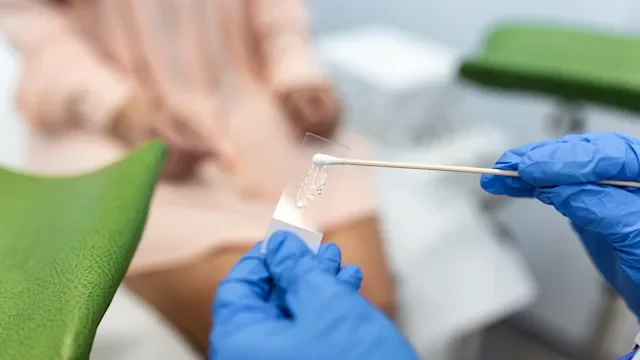
LEEP is short for “loop electrosurgical excision procedure.” A LEEP is done after a Pap smear or colposcopy suggests precancer of the cervix.
To remove layers of cells from the cervix, a healthcare professional uses a small wire loop that’s charged with an electrical current. Then a lab examines these cells for precancer and cancer. Removing precancerous cells also prevents them from turning into cancer.
How to prepare for a LEEP
A LEEP can take place in a medical office or an outpatient surgery center. The procedure itself doesn’t take very long — usually 10 to 20 minutes. But there are some things to know that can help you prepare for it.
Here are a few things that most professionals recommend to prepare for a LEEP:
Let your healthcare team know if you have your menstrual period on the day of the LEEP (when it’s more than a little spotting). Bleeding may affect how well the professional performing the procedure can see the parts of the cervix that need treatment.
Tell your team about all of the medications you take, especially aspirin or blood thinners. These could make bleeding more likely after the procedure.
Don’t put anything in your vagina for 24 hours before the LEEP. This includes tampons, douching, creams, and vaginal sex.
You may be able to take a pain reliever shortly before to help with cramps. Ask your healthcare team if this is an option.
What happens during a LEEP?
Some steps in the process may vary a little by the practice or location. But here are some common things to expect during a LEEP:
The medical team will review your health information and have you sign a consent form before the procedure. They’ll also want to make sure all your questions are answered, so don’t hesitate to bring up anything that feels unclear.
You may need to give a urine sample before your procedure. This is for a routine pregnancy test.
Someone on the team will place a grounding pad on your thigh. This protects you from the electricity they use during the LEEP.
The professional performing the procedure will use a speculum to open the vagina and see the cervix. This will feel similar to what happens during a routine pelvic exam or Pap smear.
They’ll then put a mild vinegar solution on the cervix. It might sting a little. This is so they can see what the cervix looks like with a colposcope (a device that magnifies the cervix).
They’ll numb the cervix with a local anesthetic like lidocaine. This part might feel like an unpleasant pinching or burning. To make this part more comfortable, some offices give light anesthesia through an IV (intravenous) line or face mask.
They’ll use an electric loop to remove thin layers of cervix. They’ll send these to a lab to examine the cells.
They’ll check the cervix for bleeding. They may apply a paste to the cervix that helps to stop bleeding.
Is a LEEP painful?
You may experience some brief discomfort when the healthcare professional injects the numbing medication. But, after that, you shouldn’t feel anything sharp or burning from the procedure.
Sometimes, there’s some cramping or pressure during or after a LEEP. Your team will likely recommend or prescribe medication you can take for cramps.
What’s the recovery process like?
In the first couple of days after a LEEP, you may have pink discharge or light bleeding, as well as mild cramps. You may also have discharge that looks light brown, dark brown, or black. This is actually the paste used to stop the bleeding. It usually has a thicker consistency than blood.
You may notice your bleeding increases in the second week after your procedure. This can happen when most of the paste has fallen off, which protects your cervix right after the procedure. Your bleeding may feel more like a heavy period.
How long does bleeding last after a LEEP?
The heavier bleeding will likely improve quickly. But you might have watery discharge or light bleeding for a few weeks. Contact your healthcare team right away if you have:
Heavy bleeding or clots, especially if you’re soaking more than 1 pad per hour
Severe cramps or abdominal pain
Fever or chills
Discharge with a very strong odor
Restrictions
While your cervix heals, you might have a few restrictions to prevent infection or excess bleeding. Your healthcare team will likely recommend:
Nothing in the vagina, including tampons, douches, or vaginal sex
No hard exercise, like running or riding a bike (more gentle physical activity like walking is usually fine after a couple days)
No swimming or baths
These restrictions are usually in place for a few weeks. But your healthcare team will give you guidance for your specific circumstances.
And don’t forget about your emotional health. It’s common to feel anxious or worried when having a procedure like a LEEP. Work with your healthcare team to get your questions answered, and take time for self-care. It can also help to surround yourself with supportive people.
How effective is a LEEP?
In most cases, a LEEP is effective in removing precancerous cells from the cervix. This prevents them from turning into cancer.
What are the chances of cervical cancer after a LEEP?
Even after a LEEP, you may still have human papillomavirus (HPV) in your body that affects your cervix. This may cause more precancerous changes over time. Fortunately, this only happens about 8% of the time after a LEEP.
The risk of recurrence after a LEEP procedure is more likely with the following circumstances:
Age 55 and over
HIV infection
A diagnosis of invasive cancer, rather than precancer
Positive margins, which means that abnormal cells are present at the edges of the removed tissue
Your healthcare team will design a plan with you to keep a close eye on any changes.
Is there any special follow-up after a LEEP?
You’ll likely have a follow-up visit a couple of weeks after your procedure. This is to make sure your cervix is healing, to review the results, and set up a plan for future screening tests.
Most people repeat a Pap smear in 6 months to 1 year. Once a series of Pap smears remains normal, you may be able to go back to having a test every 3 years.
Are there risks with a LEEP?
Although a LEEP is generally safe, there are risks for any type of surgery or procedure. The risks associated with a LEEP include:
Heavy or prolonged bleeding after the procedure
Infection
Narrowing of the opening of the cervix
Premature birth in future pregnancies (more common if a LEEP is needed more than once or if a greater amount of cervix is removed)
Are there any alternatives to a LEEP?
There are also alternative procedures that remove precancerous tissue in different ways, including:
Laser treatment
Cryotherapy (freezing)
Cold knife conization (using a scalpel to remove abnormal tissue)
Depending on your health status and level of risk, a healthcare professional may also talk with you about waiting and repeating a colposcopy before going ahead with a LEEP or other procedure.
How much does a LEEP procedure cost?
Without insurance, the procedure alone can cost more than $1,000. The price can vary based on several factors:
A LEEP in an office or surgery center can cost less than going to a hospital.
You’re often billed separately for anesthesia.
You may face a facility fee at a surgery center or hospital.
You’ll likely have additional costs for lab fees to test the removed tissue.
The average cost in the U.S. for a LEED is over $11,000, according to MDsave, a price-shopping tool for people without insurance or those with high-deductible health plans. But the procedure costs $5,878 on average for people who use the MDsave platform and pay a bundled price upfront with participating healthcare professionals.
If you have a health plan, your procedure may be covered. You’ll be responsible for out-of-pocket costs, such as meeting your deductible and potential coinsurance and copays.
With Medicare, the average cost for a LEEP can vary depending on where you have the procedure, according to the Medicare procedure price lookup:
At a surgery center, the average cost is nearly $2,000, with about $400 out of pocket.
At a hospital, the average cost is about $3,500, with $700 out of pocket.
These amounts include the cost of seeing a healthcare professional as well as the facility fees. The Medicare comparison notes that you may have additional costs.
Frequently asked questions
A LEEP procedure is unlikely to affect fertility or your ability to get pregnant. But it may increase the risk of complications if you get pregnant. Since the procedure removes part of the cervix, it can weaken the cervix. This can affect someone’s ability to carry a pregnancy to term.
In the U.S., about half a million LEEP procedures are performed each year. Note that this is based on data from over 10 years ago. And some studies suggest this number may be declining, particularly in younger women. A study in one state noted that in 2011, less than 1% of women had a LEEP procedure. This decline in rate may be partially due to improved guidelines regarding who needs one.
A LEEP procedure is unlikely to affect fertility or your ability to get pregnant. But it may increase the risk of complications if you get pregnant. Since the procedure removes part of the cervix, it can weaken the cervix. This can affect someone’s ability to carry a pregnancy to term.
In the U.S., about half a million LEEP procedures are performed each year. Note that this is based on data from over 10 years ago. And some studies suggest this number may be declining, particularly in younger women. A study in one state noted that in 2011, less than 1% of women had a LEEP procedure. This decline in rate may be partially due to improved guidelines regarding who needs one.
The bottom line
A LEEP (loop electrosurgical excision procedure) is an outpatient procedure that can prevent cancer of the cervix. Like any procedure, it has its risks as well as its benefits. It helps to know what usually happens during and after a LEEP. That way you can ask questions and bring up concerns with your healthcare team. Facing precancer can be frightening. But understanding your treatment is a bold and brave step in caring for your health.

Why trust our experts?



References
Bogani, G., et al. (2020). Recurrence rate after loop electrosurgical excision procedure (LEEP) and laser conization: A 5-year follow up study. Gynecologic Oncology.
Brooklyn Gynecology Place. (n.d.) LEEP procedure.
Ciavattini, A., et al. (2021). An online survey on emotions, impact on everyday life, and educational needs of women with HPV positivity or abnormal pap smear result. Medicine.
Khunnarong, J., et al. (2021). Treatment outcomes of patients with cervical intraepithelial neoplasia or invasive carcinoma who underwent loop electrosurgical excision procedure. World Journal of Oncology.
Kinney, W., et al. (2014). Cervical excisional treatment of young women: a population-based study. Gynecologic Oncology.
MDsave. (n.d.). LEEP procedure.
Medicare.gov. (n.d.). Conization of cervix, with or without fulguration, with or without dilation and curettage, with or without repair; loop electrode excision.
My Health Alberta. (2025). Loop electrosurgical excision procedure (LEEP): Before your procedure.
Planned Parenthood. (n.d.). What happens after LEEP?.
Planned Parenthood. (n.d.). What is a colposcopy?
Rezniczek, G. A., et al. (2020). Syringe or mask? Loop electrosurgical excision procedure under local or general anesthesia: A randomized trial. American Journal of Obstetrics & Gynecology.
The American College of Obstetricians and Gynecologists. (2025). Loop electrosurgical excision procedure (LEEP).
Wright, J. D., et al. (2022). Patient education: Management of a cervical biopsy with precancerous cells (Beyond the basics). UpToDate.