Key takeaways:
A Pap smear tests the cells of your cervix. Almost all abnormal Pap smear results are caused by human papillomavirus (HPV) infection.
HPV infections can lead to precancerous changes in your cervix. Many of these infections and changes clear on their own. But sometimes, cervical cells go through changes that begin to look more like cancer.
In many cases, an abnormal Pap smear means you need to follow up to make sure the changes clear up on their own. Other times, more testing is needed to look for a higher risk of cervical cancer.
A Pap smear is a routine test, and if the results are normal, you won’t have to think about it again for a few years. But what if you get a message from your healthcare team that something didn’t look quite right? That can be a frightening experience. So it’s empowering to understand what those Pap results mean.
We’ll walk you through an explanation of an abnormal Pap smear. This way you can be fully informed when it's time to have a conversation with your healthcare team about what happens next.
What is a Pap smear, and what does it detect?
A Pap smear is a test that looks for cancer and precancer of your cervix. It also looks for signs of human papillomavirus (HPV) infection, the most common cause of cervical cancer and precancer.
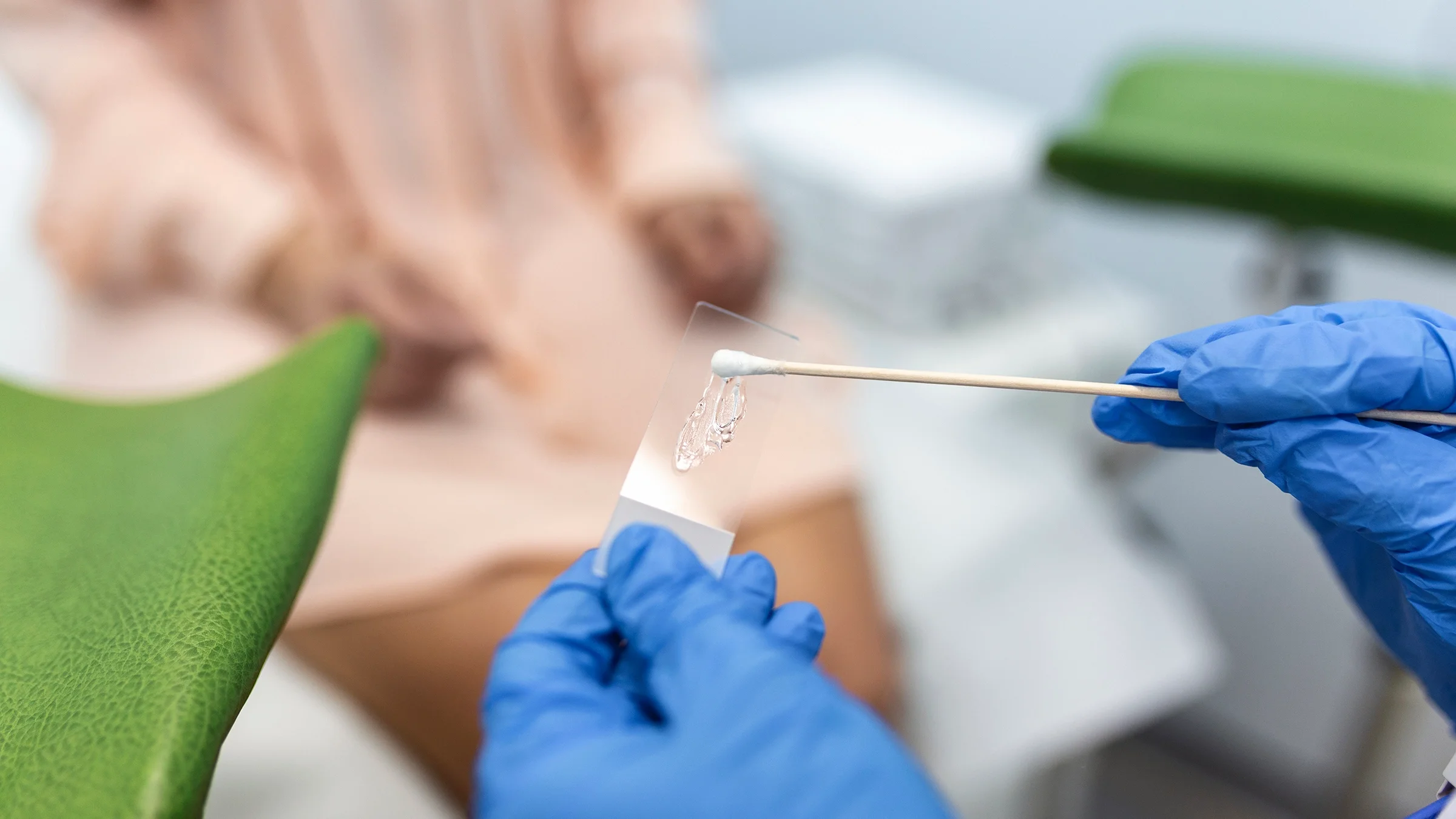
The cervix is located at the lower part of the uterus. It works like a tunnel between the uterus and the vaginal canal. A healthcare professional can perform a Pap smear during a pelvic exam, although not every pelvic exam includes one. During the exam, they use a small swab or brush to collect cells from your cervix. Then, they check those cells for any changes that could lead to cervical cancer.
Cervical cancer usually develops slowly over many years. If your immune system isn’t working well, it could develop faster. Before cervical cancer starts, there are a series of precancerous changes. That’s what a Pap smear is designed to find. It can also check for HPV.
Because these changes usually happen slowly, most people don’t need to do Pap smears very often. But it’s still an important test that can detect and prevent cervical cancer.
Experts recommend a Pap smear at the following intervals:
Between ages 21 and 29: every 3 years
Between ages 30 and 65: every 3 years, or every 5 years if done with an HPV test
After age 65: you don’t need a Pap smear if previous tests weren’t high risk
You may need a test more often if your Pap smear shows changes from HPV or if you have a health condition that affects your immune system.
How reliable are the results of a Pap smear?
As a screening test, the Pap smear has been around for a long time. And the technology for collecting and examining the cells has improved over the years. But like any test, it’s not perfect. Getting a Pap smear at the recommended intervals improves its ability to detect changes over time.
When someone has the earliest precancerous changes, a Pap smear is about 68% sensitive. This means that it correctly finds these changes in about 68% of people who truly have them.
Pap smears are also around 75% specific for these early changes. This means that the test correctly shows normal results in about 75% of people who don’t have precancerous changes.
When looking for more advanced precancerous changes, a Pap smear is 70% to 80% sensitive and 95% specific.
What does an abnormal Pap smear indicate?
In general terms, Pap smear results are classified as normal (negative), unclear (ASC-US), or abnormal. HPV results are either positive (HPV is present) or negative (no HPV is present).
Abnormal results are broken down into these groups:
ASC-US: This stands for “atypical squamous cells of undetermined significance.” These are cells that don’t quite look normal, but it’s not clear that they’re precancerous. An ASC-US result usually means there’s an HPV infection, which can cause cells to look slightly abnormal. This is why a test for HPV can help to clarify the results (more on this below).
LSIL: This is a “low-grade squamous intraepithelial lesion.” It means the cells are mildly abnormal. Like ASC-US, it’s usually caused by an HPV infection. Over time, your body often clears the infection and the abnormal cells. But you’ll need follow-up testing to be sure.
HSIL: This stands for “high-grade squamous intraepithelial lesion.” It means there are more advanced changes in the cervical cells. This requires additional testing and close follow-up to be sure it doesn’t become cancer.
ASC-H: This stands for “atypical squamous cells, cannot exclude HSIL.” This result is like ASC-US in that it can’t be classified exactly. But in this case, there are changes that look more like precancer. ASC-H also needs close follow-up and additional tests.
AGC: This stands for “atypical glandular cells.” Glandular cells are found deeper inside the cervix and in the uterus. This result could also be a kind of precancer. It requires other types of tests and close follow-up.
As you can see, any abnormal Pap smear result includes some uncertainty about two things:
What the abnormal result ultimately indicates (HPV infection, precancer, or cancer)
How your body will respond to the changes (and whether your immune system will clear the abnormal cells or not)
This is where additional testing comes in. It helps figure out why your cells are abnormal and what the follow up plan should be.
What causes an abnormal Pap smear?
An abnormal Pap smear result simply means that some of cervical cells look unusual. This doesn’t mean the cells are in the early stages of cancer, even though that’s what the test is meant to screen for.
An abnormal Pap smear can be caused by:
HPV infection (the most common cause)
Precancer or cancer of the cervix
A yeast or bacterial infection other than HPV
Inflammation or irritation
Benign (harmless) growths
Hormonal changes, like the kind that happen normally in a menstrual cycle
Gels, lubricants, tampons, or other objects that come into contact with your cervix
Sometimes, an abnormal Pap smear can also be a false positive. This means that the test results show abnormal cells, but there’s no true problem. False positives can happen because of lab or testing errors.
What is the next step after an abnormal Pap smear?
Every person’s case is a little different. The additional testing you may need is based on several factors:
Your initial results and what category they fall into
Your age
Any additional risk factors for cervical cancer
Your previous Pap smear results
Your healthcare team will help you figure out what other tests you may need. Some of these tests may include:
HPV testing and typing: If you didn’t have an HPV test done at the same time as your Pap smear, you may need one if your Pap results are abnormal or unclear. This test can show whether HPV is present and which specific types of HPV there are. Some types of HPV are more likely to cause cervical cancer than others. Your provider can do HPV testing with the same sample of cells that was originally taken for your Pap smear.
Repeat testing: An abnormal Pap smear result may simply mean you need to repeat the test in 6 months or 1 year. This helps check to see whether your body has cleared the abnormal cells.
Colposcopy: This test is like a more involved Pap smear that allows a closer look at your cervix. A healthcare professional will perform another pelvic exam and use a device that magnifies your cervix. If an area appears abnormal, they’ll take a small sample of tissue to send to a lab for analysis.
Endometrial sampling: If you have an AGC result, your provider will use a thin, flexible tube to take a sample of tissue from the lining of your uterus.
It might feel frustrating to have to go through more testing or to wait for clearer answers. But this stepwise approach is intentional. Many abnormal Pap smears are caused by temporary changes in your cervix. A careful approach can save you from testing or treatment that you might not need. It also gives you more complete information if treatment is needed to help prevent cervical cancer.
Frequently asked questions
Not necessarily. Sometimes, abnormal pap smear results take longer if the sample requires more testing or a second opinion before the results are reported. If your Pap smear results are taking a while to come back, don’t worry. It doesn’t mean that they’re abnormal. Contact your healthcare team’s office if it has been longer than 3 weeks and you still don’t have your results.
Endometriosis usually doesn’t cause an abnormal Pap smear. In very rare cases, if endometrial tissue is growing on the cervix, it can lead to an abnormal result of a Pap smear. But this is very unlikely.
Abnormal pap smears are very common. About 4% of pap smears are abnormal.
Not necessarily. Sometimes, abnormal pap smear results take longer if the sample requires more testing or a second opinion before the results are reported. If your Pap smear results are taking a while to come back, don’t worry. It doesn’t mean that they’re abnormal. Contact your healthcare team’s office if it has been longer than 3 weeks and you still don’t have your results.
Endometriosis usually doesn’t cause an abnormal Pap smear. In very rare cases, if endometrial tissue is growing on the cervix, it can lead to an abnormal result of a Pap smear. But this is very unlikely.
Abnormal pap smears are very common. About 4% of pap smears are abnormal.
The bottom line
It can feel scary to hear you have an abnormal Pap smear result. But it helps to remember that this is what screening tests are for. Pap smears are designed to pick up on any abnormality to prevent cervical cancer in the future.
Fortunately, cells affected by HPV usually change slowly. And your body often clears the infection over time. Follow-up tests will help make sure that precancerous changes of your cervix don’t turn into something more serious.

Why trust our experts?



References
American Cancer Society. (2025). Risk factors for cervical cancer.
Mayer, C., et al. (2023). Abnormal papanicolaou smear. StatPearls.
MedlinePlus. (2024). Pap smear.
National Cancer Institute. (2025). Cervical cancer screening (PDQ®)- Health professional version.
Rodriguez-Urrego, P. A., et al. (2017). Endometriosis mimicking glandular atypia in a cervical cytology. Journal of Cytology.
The American College of Obstetricians and Gynecologists. (2025). Abnormal cervical cancer screening test results.
World Health Organization. (2025). Cervical cancer.