Key takeaways:
Canker sores are common, painful ulcers in the mouth. They can take 1 to 2 weeks to resolve, so it helps to know which foods might cause or worsen the pain.
You should avoid nuts, spicy, acidic, and salty foods when you have mouth sores.
If you have a canker sore, you should try to eat foods that are soft, cold, bland, or contain dairy.
When you have a canker sore, it can be painful to eat, drink, or even talk. Thankfully, canker sores are usually temporary and resolve on their own. In the meantime, you can adjust what you eat to help yourself feel better. Some foods can help soothe those pesky mouth sores, while others can make them worse.
What are canker sores?
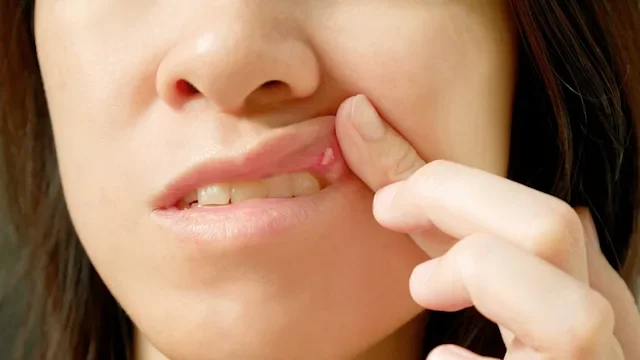
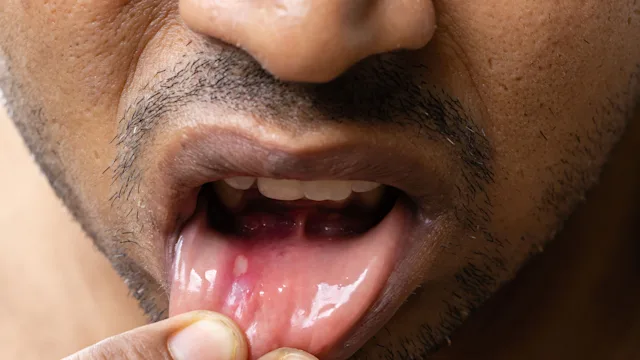
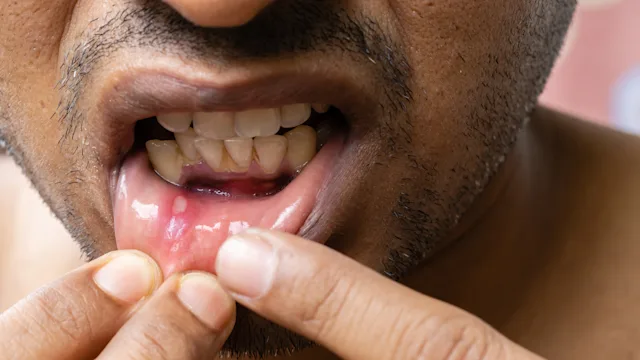
Canker sores, also called aphthous ulcers, are small, painful ulcers that show up on the inside of your mouth. They usually look like white circles with a reddish border. You might have only one canker sore, or you might develop a cluster of three or four at the same time. We don’t know why people get these mouth ulcers, but they’re pretty common. About 50% of people will experience canker sores at some point in their lifetime.
What foods should you avoid with canker sores?
Eating certain foods can trigger mouth ulcers, make you feel more pain, and may even slow down the healing process. The following are some foods you should avoid when you have a canker sore.
1. Nuts
Nuts can serve as both mechanical irritants (because of texture) and possible allergenic foods. For some, the physical abrasion plus the allergenic potential combine to trigger or worsen canker sores. Also, salted or heavily spiced nuts may add extra irritation.
Examples include:
Peanuts
Tree nuts, such as almonds, walnuts, cashews, hazelnuts
Salted or roasted nuts (more abrasive)
Nut butters (if nuts themselves trigger reaction)
Mixed nut snacks
2. Spicy foods
Spicy foods contain capsaicin, which can trigger a pain response and may irritate your mouth ulcer even more. So if you love hot peppers or jalapeños, you’re better off avoiding them until after your mouth sores heal. You should also avoid adding spicy seasoning to your meals while you have a canker sore.
Examples include:
Hot peppers (jalapeños, habaneros, chili peppers)
Hot sauce
Salsa with chili
Curry dishes with heavy spice
Chili powder or crushed red pepper flakes
3. Acidic foods
Acidic foods can cause your canker sore to be more painful. This includes many fruits. Tomatoes are also acidic, so if you’re eating pasta, you might want to skip the pasta sauce. Keep in mind that carbonated drinks are also acidic, so you should avoid drinking soda when you have a canker sore.
Examples include:
Oranges, lemons, and limes
Grapes
Pineapple
Tomatoes and tomato-based sauces
Soda and other carbonated drinks
4. Hard foods
Avoid hard foods like toast, tortilla chips, or pretzels. These foods can scrape against an open ulcer and lead to more irritation and pain.
Examples include:
Crusty bread
Chips
Crackers
Granola or trail mix
5. Salty foods
When you have an open sore like a canker sore, salt can cause a stinging pain. While gargling with diluted salt water can sometimes help with pain and healing, more direct exposure to salt can be quite painful.
Examples include:
Salted nuts
Salted pretzels
Pickles
Processed cured meats (like salami or bacon)
6. Acidic drinks like coffee and alcohol
Both coffee and alcohol are known triggers for canker sores in many people. They tend to be acidic, may dry out the mouth, and can irritate sensitive or already damaged oral tissue. Some studies suggest that higher coffee intake is associated with more frequent canker sores.
Examples include:
Hot or very strong brewed coffee (especially when very hot)
Espresso or dark roast coffees (high acidity)
Alcoholic beverages, such as wine, spirits, and liquors
Beer (can be acidic, and some types dry out the mouth)
Mixed alcohol-/coffee-based cocktails
7. Allergenic foods
Food allergies or sensitivities can be a root cause of canker sores. In some people, certain foods provoke immune reactions in the oral mucosa that lead to ulceration. Studies also confirm a link between foods containing gluten and certain food additives with oral lesions in susceptible individuals.
Examples include:
Cow’s milk or other dairy proteins (casein, whey)
Gluten (from wheat, barley, rye)
Specific food additives or preservatives (e.g. certain artificial colors, flavor enhancers)
Shellfish or fish, in people allergic to those proteins
Eggs, for those with sensitivity or allergy
8. Chocolate
Some people have sensitivities to cocoa or to ingredients commonly paired with chocolate (milk, sugars, additives). Chocolate’s acidity, as well as possible allergenic components, can worsen pain or delay healing of ulcers.
Examples include:
Milk chocolate bars
Dark chocolate (higher cocoa content; sometimes more bitter or acidic)
Chocolate desserts, cakes, brownies, etc.
Hot chocolate or chocolate drinks (especially with added dairy or sugar)
Chocolate candy with nuts, caramel, or other mix-ins
What are the best foods to eat with canker sores?
If you have a canker sore, it helps to eat foods that don’t irritate your gums and the inner surface of your mouth. Bland, soft, and cool foods usually help soothe the area.
Soft foods
Soft foods are less likely to irritate your mouth. They’re easier to chew and less likely to scrape against your ulcers. Some good examples of soft foods include:
Soups and stews
Oatmeal
Mashed potatoes
Eggs
Cold foods
Cold food items tend to be more soothing and less irritating than hot foods. So when trying any of the soft foods above, it’s best to let them cool off to a lukewarm temperature.
Other great cold foods include:
Ice cream
Popsicles
Smoothies
Yogurt
Bland foods
Foods that have a lot of spices or salt can cause canker sores to sting. So try and avoid anything too seasoned. The following foods are still tasty without having to add a lot of other ingredients:
Rice
Pasta
Baked potatoes
Steamed vegetables
Milk and dairy products
Dairy is more alkaline, which means that it’s less acidic than other foods. This is thought to help prevent irritation. Yogurt or ice cream are good examples of dairy products that are both cold and soft.
But it’s important to note that if you have recurrent canker sores, you might actually want to think about avoiding dairy in general. Some people with recurrent canker sores have antibodies to cow’s milk protein. These people may find that eliminating dairy from their diet prevents them from getting mouth ulcers in the first place.
How long do canker sores last?
Most canker sores are considered minor sores. These are less than a centimeter in size and can last for 1 to 2 weeks. The pain is usually gone within a week but it might take up to 2 weeks for it to resolve completely.
If the canker sore is larger than a centimeter, it’s considered major. Major canker sores can last longer and take up to 4 weeks to heal completely.
How do you treat canker sores at home?
Most canker sores will get better on their own without treatment. But you might want to treat the pain, since canker sores can make simple activities like eating and talking difficult. Some simple home remedies that can help ease the pain of a canker sore include:
Rinsing with salt water: Unlike direct exposure to salt, rinsing with diluted salt water can help speed up the healing process.
Applying honey to the area: Honey has some anti-inflammatory properties that may help reduce inflammation and help with healing.
Using a baking-soda rinse: Adding baking soda to warm water has been shown to rival over-the-counter (OTC) or prescription rinses. It has the added benefit of being cheap and easy to find.
Gargling with apple cider vinegar: There’s some evidence that apple cider vinegar can help treat mouth conditions like gingivitis and plaque buildup. It might help for oral ulcers as well. But evidence is still limited. And make sure to mix with warm water, since apple cider vinegar is acidic and can sting if it’s not diluted.
If changing your diet and home remedies aren’t enough to ease the pain, consider using OTC or prescription treatments for canker sores. A healthcare professional can help you figure out if a prescription treatment is needed.
Frequently asked questions
Yes, certain vitamin deficiencies can raise your risk of getting canker sores. Low levels of iron, vitamin B12, or zinc have all been linked with more frequent or severe mouth ulcers. Not everyone with a deficiency will develop them, but if you get canker sores often, it’s worth asking a healthcare professional whether you should be tested.
No — canker sores are not like pimples, and you should never try to pop them. They’re small ulcers, which means they’re already an open wound in your mouth. Popping or scraping them will only increase your pain, slow healing, and raise the risk of infection.
Canker sores hurt because the top layer of tissue in your mouth breaks down, leaving raw nerve endings exposed. Every time you eat, drink, or even talk, those nerve endings can get irritated, which makes the pain feel sharp and out of proportion to the size of the sore. The good news is that most canker sores heal on their own within 1 to 2 weeks.
Yes, certain vitamin deficiencies can raise your risk of getting canker sores. Low levels of iron, vitamin B12, or zinc have all been linked with more frequent or severe mouth ulcers. Not everyone with a deficiency will develop them, but if you get canker sores often, it’s worth asking a healthcare professional whether you should be tested.
No — canker sores are not like pimples, and you should never try to pop them. They’re small ulcers, which means they’re already an open wound in your mouth. Popping or scraping them will only increase your pain, slow healing, and raise the risk of infection.
Canker sores hurt because the top layer of tissue in your mouth breaks down, leaving raw nerve endings exposed. Every time you eat, drink, or even talk, those nerve endings can get irritated, which makes the pain feel sharp and out of proportion to the size of the sore. The good news is that most canker sores heal on their own within 1 to 2 weeks.
The bottom line
Canker sores can be painful and irritating, but they usually resolve on their own within 2 weeks. Knowing what foods to eat can help make sure that you have less pain and more comfort while those sores are healing. Avoid spicy, salty, acidic, or hard foods. Instead reach for options that are bland, cold, and soft. You can also try some dairy products like yogurt and ice cream. If you’re still feeling pain, home remedies like saltwater gargles or baking soda rinse can help speed up the healing.

Why trust our experts?




References
Asaad, N., et al. (2022). Effectiveness of apple cider vinegar and mechanical removal on dental plaque and gingival inflammation of children with cerebral palsy. Cureus.
Besu, I., et al. (2013). The role of specific cow’s milk proteins in the etiology of recurrent aphthous ulcers. Journal of Oral Pathology and Medicine.
Chainani-Wu, N., et al. (2017). Resolution of recurrent aphthous ulcers after discontinuation of cow’s milk protein intake. The Journal of the American Dental Association.
Chandel, S., et al. (2017). The effect of sodium bicarbonate oral rinse on salivary pH and oral microflora: A prospective cohort study. National Journal of Maxillofacial Surgery.
Chang, A., et al. (2023). Capsaicin. StatPearls.
Huynh, N. C. N., et al. (2016). Rinsing with saline promotes human gingival fibroblast wound healing in vitro. PLoS One.
InformedHealth.org. (2022). Canker sores (mouth ulcers): Learn more – What can you do if you have a canker sore?. Institute for Quality and Efficiency in Health Care.
InformedHealth.org. (2022). Overview: Canker sores (mouth ulcers). Institute for Quality and Efficiency in Health Care.
Manoj, M. A., et al. (2023). Prevalence and risk factors of recurrent aphthous stomatitis among college students at Mangalore, India. The Open Access Journal for Life and Environment Research.
Nuraeny, N. (2015). Oral lesions related to food allergy.
Ozler, G. S. (2014). Zinc deficiency in patients with recurrent aphthous stomatitis: A pilot study. The Journal of Laryngology and Otology.
Ranneh, Y., et al. (2021). Honey and its nutritional and anti-inflammatory value. BMC Complementary Medicine and Therapies.
Staley, R. (2003). Salt and wounds: A new mechanism for neuropathic pain. Nature Medicine.
Sumathi, K., et al. (2014). Significance of ferritin in recurrent oral ulceration. Journal of Clinical & Diagnostic Research.
Taleb, R., et al. (2022). Role of vitamin B12 in treating recurrent aphthous stomatitis: A review. International Journal for Vitamin and Nutrition Research.
Voelker, R. (2024). What are canker sores? JAMA.
Xiang, Q., et al. (2021). Capsaicin—the spicy ingredient of chili peppers: A review of the gastrointestinal effects and mechanisms. Trends in Food Science and Technology