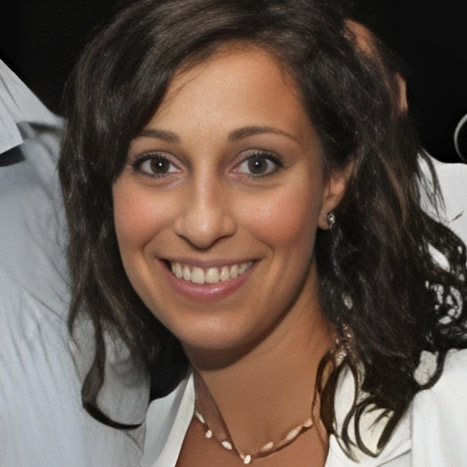
A lot can happen in your early 20s. It’s when you can legally go to a bar for the first time. It’s when you sign a lease for the first time and get a “real” job. You might start dating seriously and potentially find your future spouse. For people like Roshni Kamta, however, one diagnosis can interrupt that chapter.
“I was diagnosed last April with triple-negative breast cancer at 22 years old, just before my 23rd birthday,” says Kamta.
The emotional struggle
Kamta — who had a lumpectomy, radiation, and 16 rounds of chemo — says she is still processing the experience. “I haven’t fully come to terms with what’s happened to me. I’m working on that, and I know that’s going to take a long time,” she says. “It just brings up a lot of emotions for me when I say that I’m a breast cancer survivor.”
Going through breast cancer at any age is challenging. However, having this diagnosis and getting treatment in your 20s may be particularly isolating.
Triple-negative breast cancer is a subtype that tends to skew a little younger, but this type is notably less common than other breast cancer types.
“Your friends are going out and living carefree lives, and you have to sometimes stay home because your white blood count is low [and] you can get sick,” says Kamta. “You’re pausing your life to do treatment while they’re moving ahead [in] their career or personal lives.”
Unique considerations for younger women
When young women receive a breast cancer diagnosis, they must consider different factors than older women. For example, treatments like chemotherapy can affect fertility. Women who have not yet had children, but want to someday, may need to undergo fertility treatments prior to their cancer treatments.
Kamta and Hanna Irie, MD, Oncologist at Mount Sinai Hospital who treated Kamta, also considered how her treatments would affect her relationships with her peers, as well as her ability to continue working. These were priorities as Kamta navigated her treatment options. (Learn more about how triple-negative breast cancer is treated.)
“Roshni is mature well beyond her years. She processed a lot of information about her diagnosis … and dealt with it and made careful decisions,” says Dr. Irie. “I think she has done remarkably well, and she’s an amazing young woman who I’m very optimistic will have lifelong remission from her cancer.”
Hanna Irie, MD, is a Medical Oncologist at the Dubin Breast Center at Mount Sinai Hospital.
References
Centers for Disease Control and Prevention. (2024). Breast cancer in young women.
Centers for Disease Control and Prevention. (2024). Breast cancer basics.

Why trust our experts?