Bipolar Disorder 1 and 2: Your GoodRx Guide
Comprehensive information for you or a loved one — including treatment options and discounts on popular medications.

Bipolar disorder is a mental illness that involves significant shifts in your mood, energy, and functioning. More than 4% of adults in the U.S. are diagnosed with bipolar disorder at some point in their lifetimes. The disorder typically begins in early adulthood.
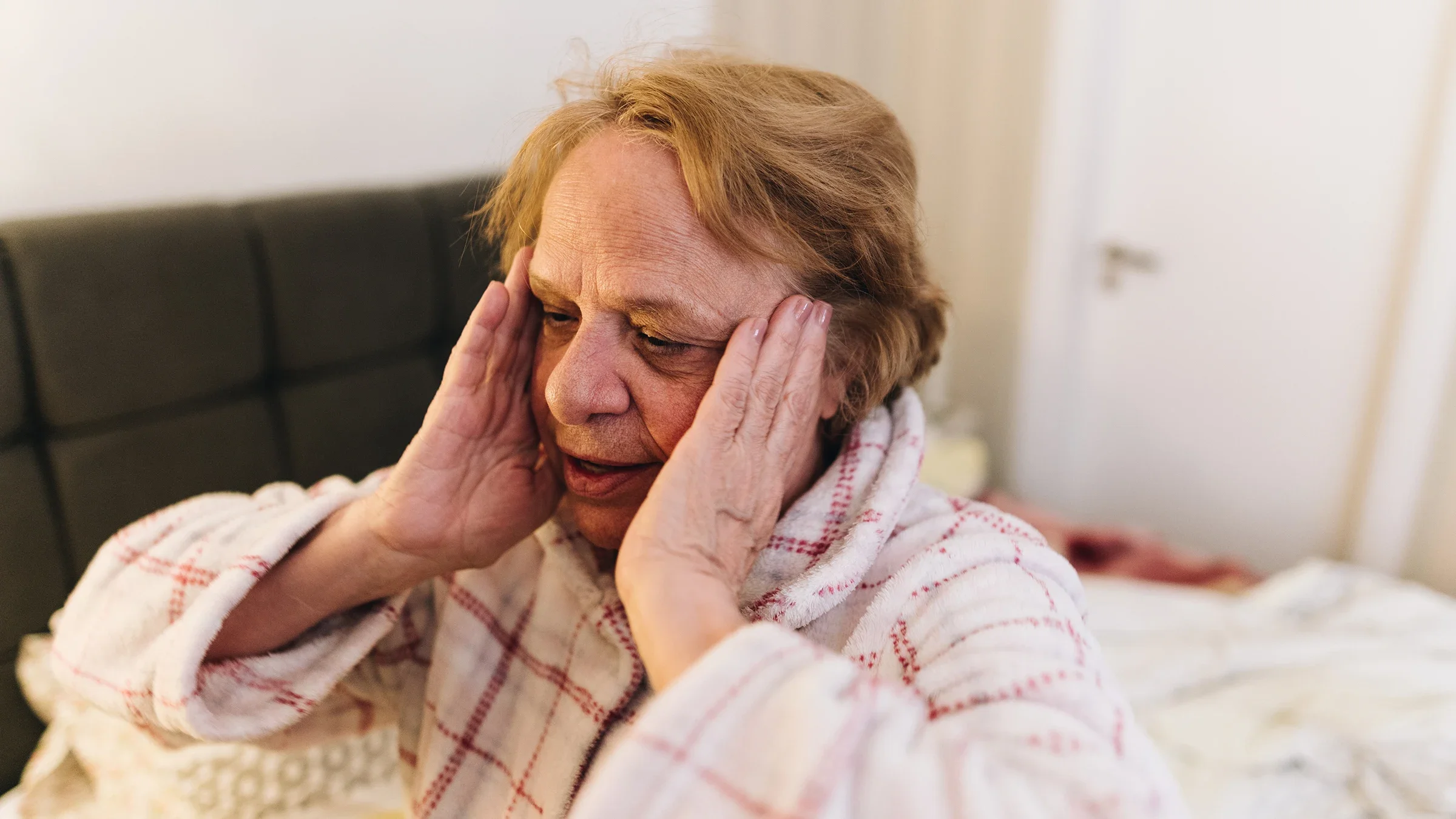
People with bipolar experience mood episodes where their feelings can go from extreme highs to extreme lows. These episodes can include:
Depression: feelings of sadness, low energy, and lack of motivation
Mania: an elevated or highly irritable mood
Hypomania: an elevated mood that is less severe than mania
Mixed: an episode involving symptoms of depression and mania or hypomania at the same time
Nearly everyone has mood changes at times. But those with bipolar disorder have extreme shifts that last several days or weeks. These mood episodes can lead to personal, relationship, financial, and legal problems.
Bipolar disorder is a chronic condition. But with treatment and support, you can manage your symptoms and live a fulfilling life.


Bipolar disorder has a wide range of symptoms, depending on the type you have. There are three main types of bipolar disorder:
Bipolar I: You have had at least one manic episode.
Bipolar II: You have both hypomanic and depressive episodes.
Cyclothymic disorder: You experience more frequent but less severe episodes of depression and hypomania.
A manic episode is an elevated or irritable mood that lasts at least 1 week. Mania severely affects your ability to function. Other symptoms include:
Sleeping much less than usual
Rapid speech
Racing thoughts
Being distracted easily
Increased activity
Engaging in risky behaviors
During a hypomanic episode, symptoms are less severe than a manic episode and last for a shorter period of time.
A depressive episode is a period of sadness that lasts at least 2 weeks. The symptoms are the same as major depression and may include:
Less interest in things that were once enjoyable
Fatigue
Negative feelings about yourself
Poor concentration
Changes in activity level
Changes in sleep and/or appetite
Bipolar disorder is diagnosed after an evaluation from a mental health professional. Because of the complex nature of bipolar disorder, it can sometimes take years from the time symptoms appear to get an accurate diagnosis.
Distinguishing between bipolar disorder 1 and 2 is important. The two types of bipolar disorder differ in their course and severity and require different treatments.
Professionals must also consider whether you have bipolar disorder or another condition with similar symptoms. Bipolar disorder is sometimes misdiagnosed as other conditions such as:
It is common for bipolar disorder to also occur alongside other mental health conditions such as:
Getting an accurate diagnosis is important for treatment planning. If you have more than one condition, treatment should address all of your mental health concerns.
Compare prices and information on the most popular Bipolar Disorder medications.
There is no single cause of bipolar disorder. Rather, experts believe that a combination of factors contribute to the condition. These factors include:
Genetics: A number of genes have been linked to bipolar disorder. Studies have found that having a family member with bipolar disorder significantly increases your risk.
Brain chemistry: Bipolar disorder seems to be linked to an imbalance of serotonin and dopamine in the brain.
Environment: Your environment also plays a critical role. Stressful life events and childhood abuse are some experiences linked to bipolar disorder.
Childbirth: The hormonal changes and stress that occur during the postpartum period can also trigger bipolar episodes. Women with a history of bipolar disorder are at high risk of a relapse during the postpartum period.
These factors can also interact with each other to increase your risk of developing bipolar disorder. Biological factors like genetics may predispose you to bipolar disorder. And then an environmental stressor — such as a breakup — may trigger an episode.
Treatment for bipolar disorder usually involves a combination of medications and therapy.
Medications can be prescribed to treat your immediate symptoms. Medications used to treat bipolar mood episodes include:
Mood stabilizers: These medications are generally used to manage manic/hypomanic episodes. They include lithium, divalproex (Depakote), and more.
Antipsychotics: These medications are prescribed for both manic and depressive symptoms. They include olanzapine (Zyprexa), lurasidone (Latuda), quetiapine (Seroquel), risperidone (Risperdal), and more.
Antidepressants: This class of medications is sometimes used to treat depression in people with bipolar disorder. However, antidepressants can trigger mania. So they’re often combined with other stabilizing medications, like lithium or an antipsychotic.
Many of these medications are also used long term to prevent future bipolar episodes.
Therapy can help those with bipolar disorder accept their condition, cope with triggers, and maintain a healthy lifestyle. It can also help you learn to recognize what triggers your mood episodes. By understanding your triggers, you can better avoid the things that lead to symptoms.
There are many types of therapy. But the ones most often used to treat bipolar disorder include:
Cognitive behavioral therapy: CBT helps you understand how your thoughts, emotions, and behaviors influence each other. This allows you to develop new coping skills and ways to manage your mental health symptoms.
Interpersonal and social rhythm therapy: IPSRT is a type of therapy designed to help you track what factors impact your mood. You track your activities and sleep patterns each day, rating your mood as you go. With this information, you and your therapist can find ways to best manage your symptoms.
Family-focused therapy: FFT enlists people in your family to help you manage your bipolar episodes. You’ll work together to understand your condition and how your loved ones can support you. Family therapy can also help families communicate more effectively.
Dialectical behavior therapy: DBT focuses on building your coping skills. You’ll practice interpersonal skills, emotion regulation, distress tolerance, and mindfulness. And you’ll learn how to best use these tools to manage your symptoms.
If you have bipolar disorder, understanding what triggers your mood episodes is critical. This can help you anticipate and plan ahead. Triggers can vary from person to person. But some of the most common triggers for bipolar episodes include:
Seasonal shifts
Substance use
Stressful life events
Changes in sleeping patterns
Antidepressant medications
Childbirth
Illness or injury
New creative projects
Maintaining a healthy lifestyle is also an important part of managing bipolar disorder. Taking care of your basic physical and mental health needs can help you live your best life with the condition. Healthy lifestyle practices include:
Managing stress
Getting enough sleep
Exercising
Eating well
Connecting with social support
Taking medications consistently and as prescribed
For more information on bipolar disorder and treatment, see the following organizations:
Bipolar disorder usually does not go away on its own. It is a complex condition that affects people differently. Some people may only have one or two mood episodes, but the majority have multiple episodes.
Even though bipolar disorder may not go away completely, it is treatable. A combination of therapy, medication, social support, and lifestyle practices can help you manage your symptoms.
Bipolar disorder usually does not go away on its own. It is a complex condition that affects people differently. Some people may only have one or two mood episodes, but the majority have multiple episodes.
Even though bipolar disorder may not go away completely, it is treatable. A combination of therapy, medication, social support, and lifestyle practices can help you manage your symptoms.
Coping skills for bipolar disorder include a combination of emotion-focused and problem-focused strategies such as:
Accepting your illness
Reframing stressors
Seeking support
Mindfulness is another coping skill that can help you manage your emotions. You may benefit from learning and practicing exercises like:
Seated meditation
Body scanning
Yoga
Anger is a common aspect of bipolar disorder. You’re most likely to experience irritability, anger, and rage during manic or hypomanic episodes. But you can also have these emotions during depressive episodes.
Anger management is often incorporated into treatment for bipolar disorder. This can help you more effectively cope with your anger and express yourself assertively. Certain medications may also be prescribed to help manage anger.
Irritability and agitation are common symptoms during a manic episode. If a person is going through a manic episode, try to:
Reduce stimulation by limiting loud noises and bright lights
Maintain a calm demeanor
Respect their personal space
Encourage good self-care practices, like getting enough sleep
Avoid topics that could trigger anger and agitation
Encourage them to follow their treatment plan, take their medications, and go to all their appointments
American Psychiatric Association. (n.d.). What are bipolar disorders?
American Psychiatric Association. (2020). What is depression?
Prescription savings
Stop paying too much for your prescriptions. Compare prices, get pharmacy coupons, and save up to 80%. Find expert answers to your health questions so you can make the best decisions for yourself and your family.
Health conditions
Medications & treatment
Access & affordability
 Our monthly healthcare membership can help you save thousands on your prescription costs.
Resources