Acne: Your GoodRx Guide
Comprehensive information for you or a loved one — including treatment options and discounts on popular medications.

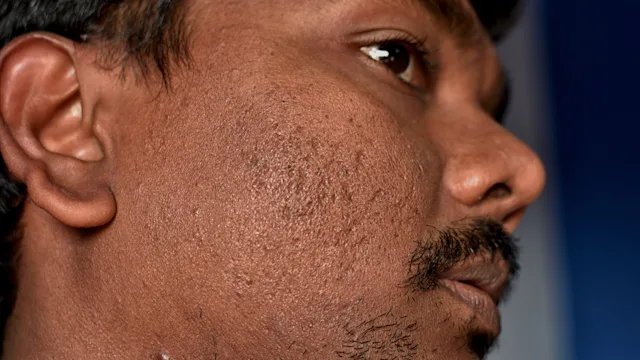
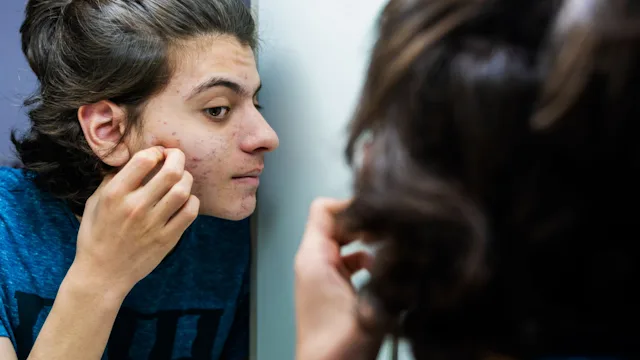
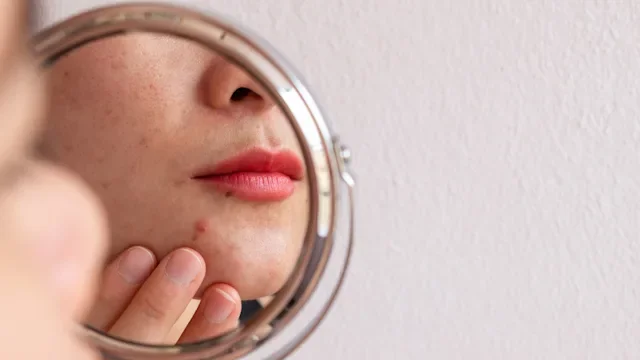
Acne is the medical term for a condition that causes pimples to develop in the skin.
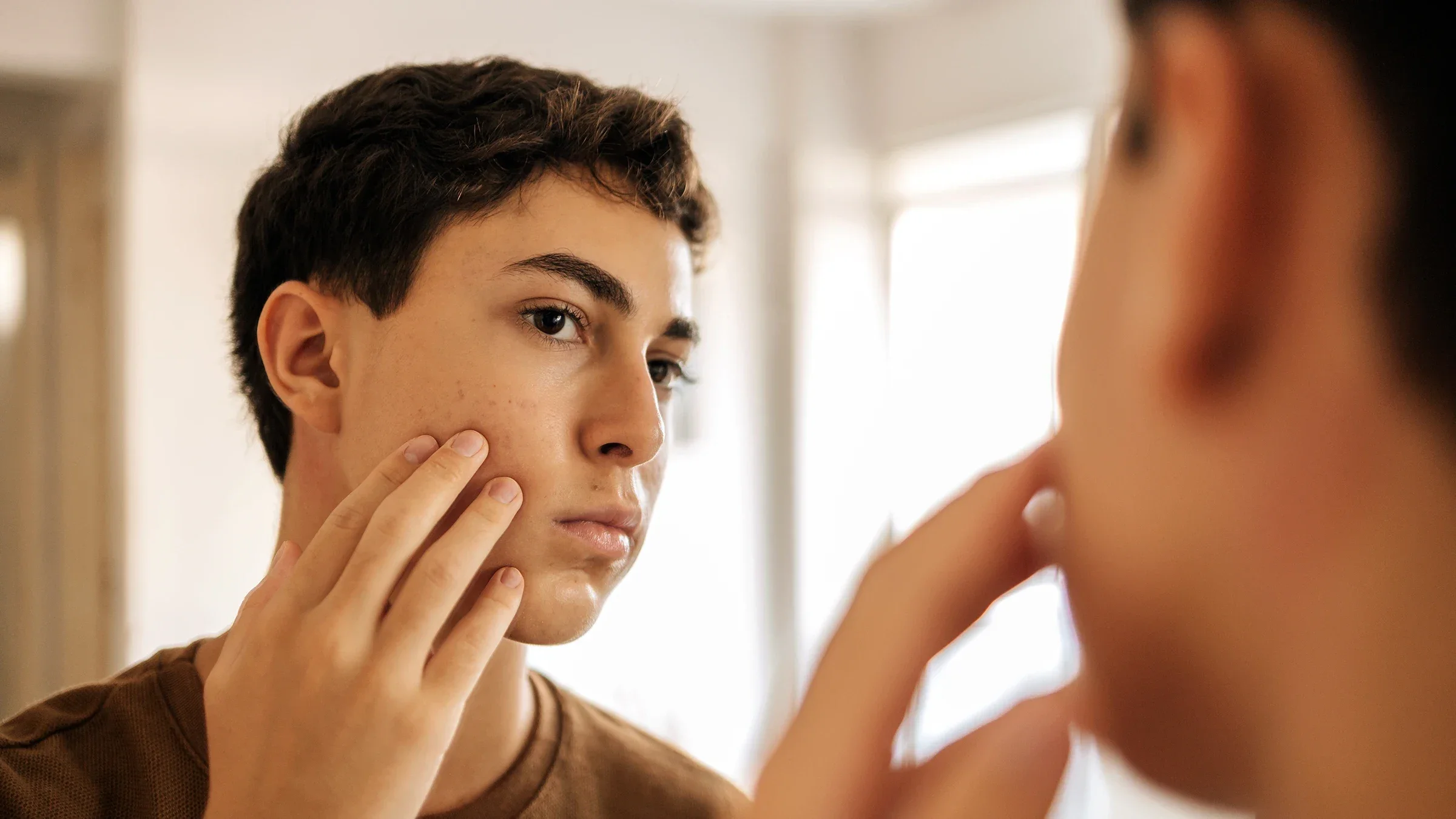
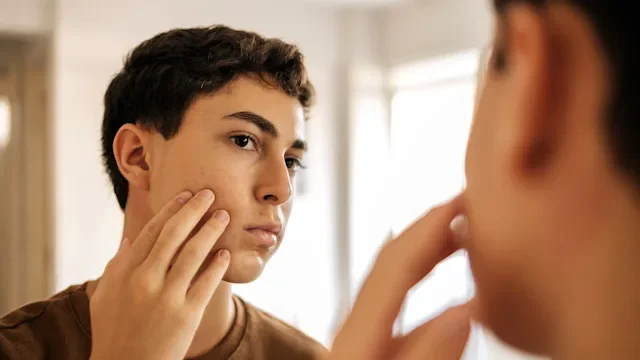
It is the most common skin disorder in North America. It affects about 85% of teenagers, although it can happen to babies, children, and adults of any age.
Pimples are caused by clogged oil pores in the skin, otherwise known as hair follicles. Pores are tiny openings all over the skin that allow for housekeeping of the hair follicle. The pore allows oil to come out onto the skin to keep it soft, and also allows dead skin cells, bacteria, and other gunk to be expelled from the hair follicle.
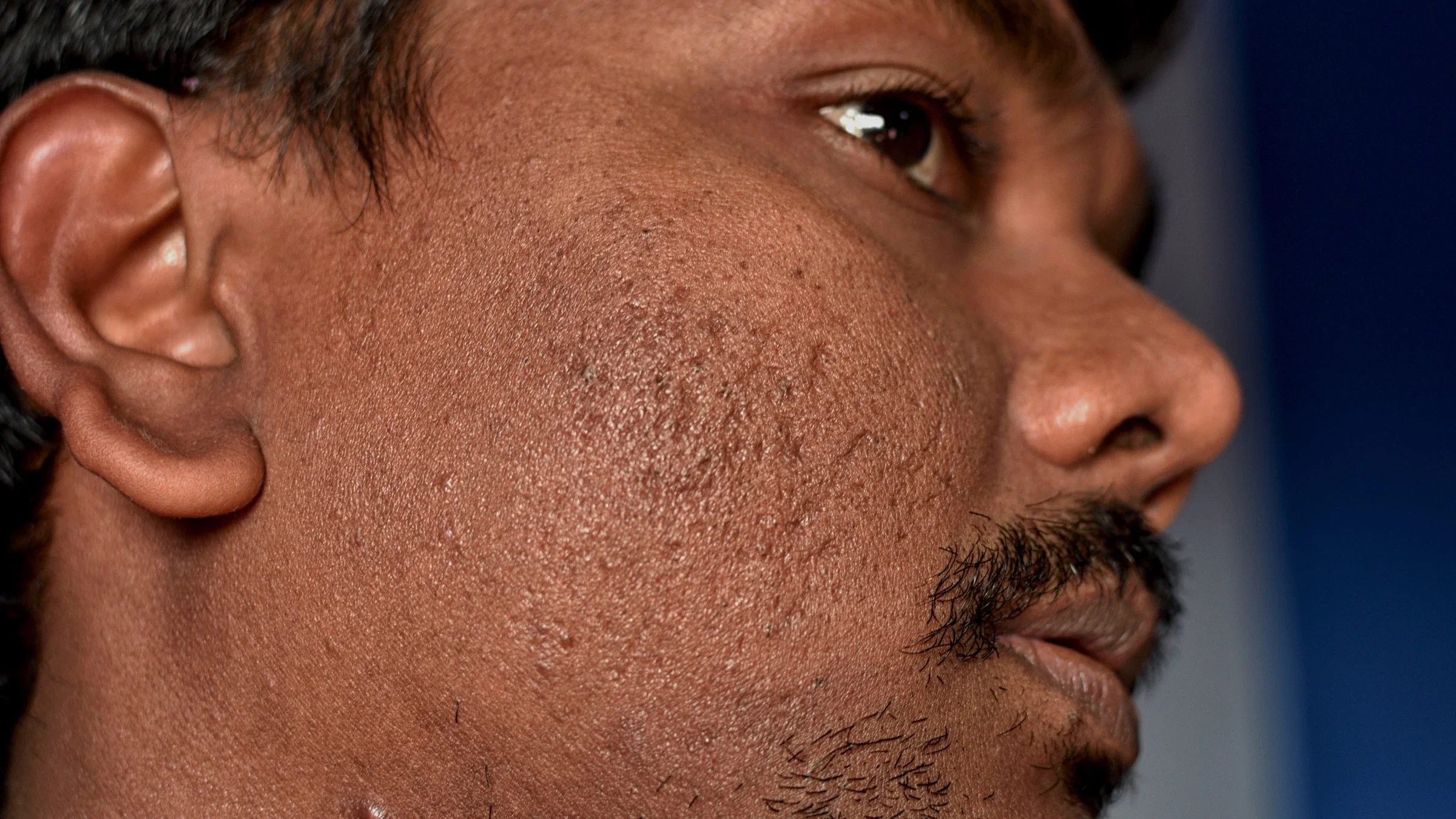
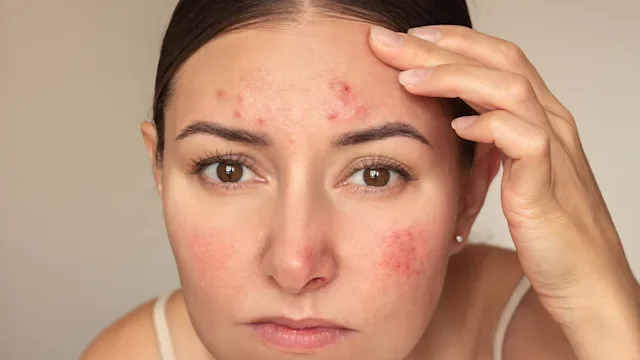
In acne, the oil, bacteria, dead skin cells, and other gunk become trapped in the hair follicle. Sometimes the skin produces excess oil or isn’t able to get rid of dead skin cells very well. The result is acne — the skin gets inflamed and can turn red or swell under the surface.
Sometimes acne goes away on its own as we get older. But if acne doesn’t go away and isn’t treated, it can cause:
Skin darkening or redness
Permanent scarring
Social embarrassment
Feelings of depression and anxiety
Poor self-esteem
Acne can be caused by a combination of different things:
Hormonal changes, for example during adolescence, menstruation, and pregnancy
Medications, such as certain birth control pills or corticosteroids
Genetics (having parents who had acne)
Sometimes acne can be caused by medical conditions that increase the levels of androgen hormones in the body, such as:
Polycystic ovary syndrome (PCOS)
Congenital adrenal hyperplasia
Other disorders of the adrenal glands or ovaries
These skin care behaviors can make acne worse:
Using soaps or astringents on your skin
Aggressive scrubbing of your skin
Using oil-based skin products and makeup
More research is needed, but there may be a link between acne and:
A diet high in refined sugars and carbohydrates
Stress
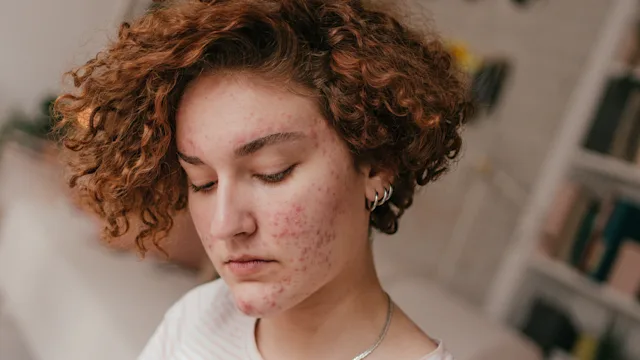
Acne spots come in different shapes and sizes. Some terms used to describe acne spots include:
Blackheads (also known as open comedones)
Whiteheads (also known as closed comedones)
Red bumps and pus bumps (also called pimples)
Cysts (deep bumps that can be painful)
Over time, acne can lead to scarring, which can also vary in type. These include:
Atrophic: depressed scars that look like craters (also called icepick, rolling, or boxcar)
Hypertrophic: thickened scars with raised scar tissue (also called hypertrophic scars or keloids)
Post-inflammatory: skin discoloration (red, white, and/or dark marks)
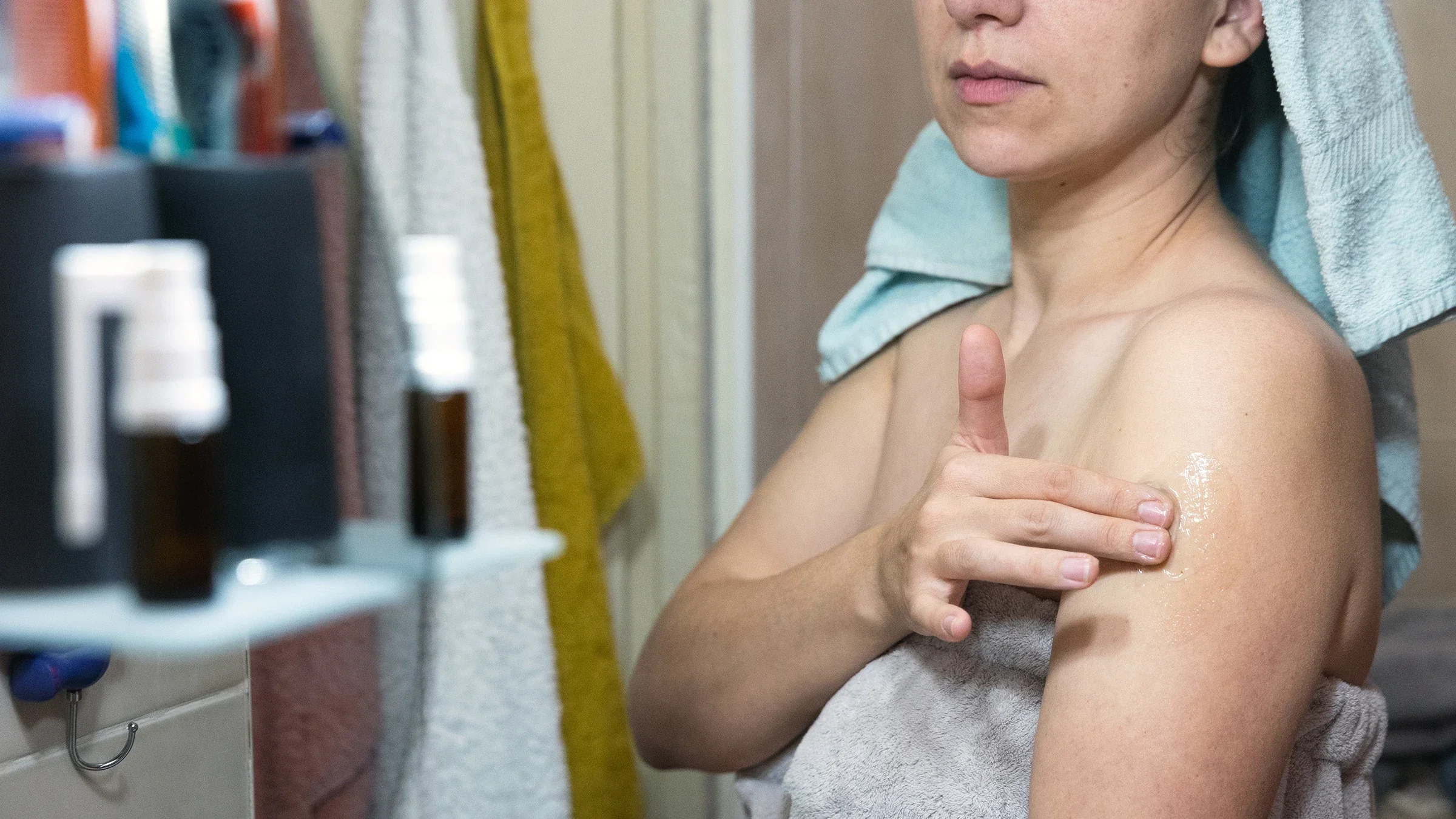
Acne is most common on the face, neck, chest, upper back, and upper arms. This is because these locations have the most oil pores.
Compare prices and information on the most popular Acne medications.
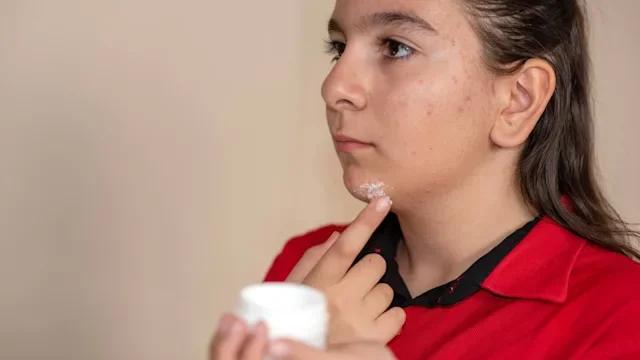
Many products are available over the counter for mild acne. You may need to use a combination of products to get a good result.
The more common medications recommended by dermatologists to treat mild acne are applied directly to the skin:
Benzoyl peroxide (kills skin bacteria)
Salicylic acid (removes dead skin layers and unclogs pores)
Topical retinoids (removes dead skin layers and unclogs pores)
Treatment for moderate and severe acne usually involves a combination of medications used for mild acne, sometimes at a higher strength, plus antibiotic creams or pills. Many treatments for moderate and severe acne require a prescription. Options include:
Topical retinoids, including tretinoin, adapalene, tazarotene (Tazorac), and trifarotene (Aklief)
Antibiotics, such as clindamycin and doxycycline
Hormone therapy, such as birth control pills, spironolactone (Aldactone), and steroids
isotretinoin (Accutane)
There is no single medicine or combination of medications that works best for everyone. Most people need to try different treatments until they find what works best for them. Dermatologists usually recommend sticking with a treatment plan for 2 to 3 months before moving on to something else.
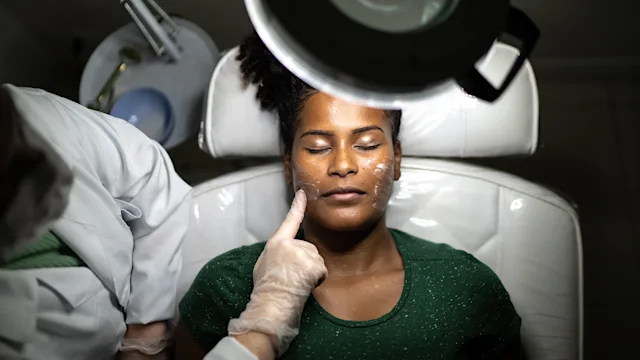
While medications are the mainstay of treatment for acne, other options are available. These are commonly offered in a dermatologist’s office:
Physical removal of whiteheads and blackheads, called comedone extraction
Steroid injections into painful acne cysts to decrease inflammation
Chemical peels
Lasers and lights
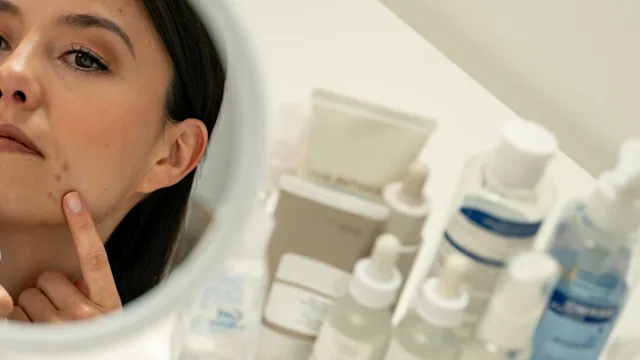
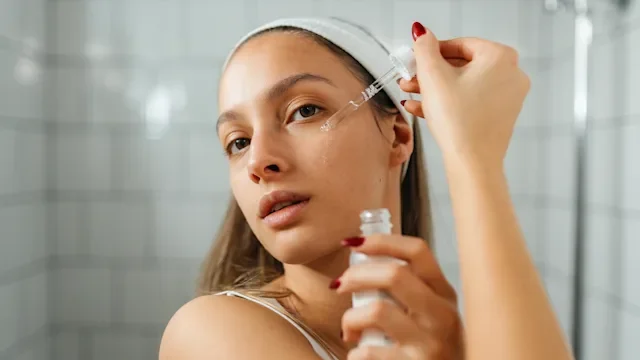
Last, but not least, it’s important to mention the role of skin care in the treatment and prevention of acne. Some helpful tips include:
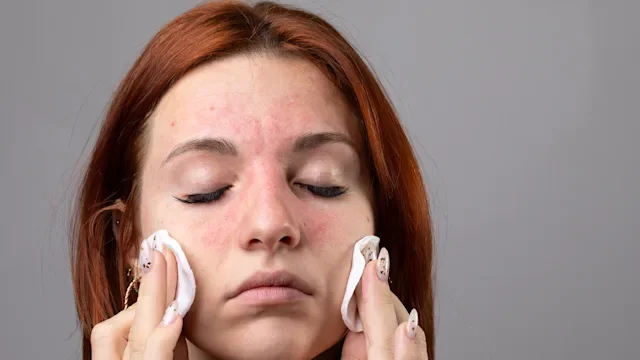
Wash your face twice a day with warm water and a gentle non-soap facial skin cleanser. Avoid scrubbing your face as this can make acne worse and damage the skin.
Always wash your face after sweating or wearing makeup.
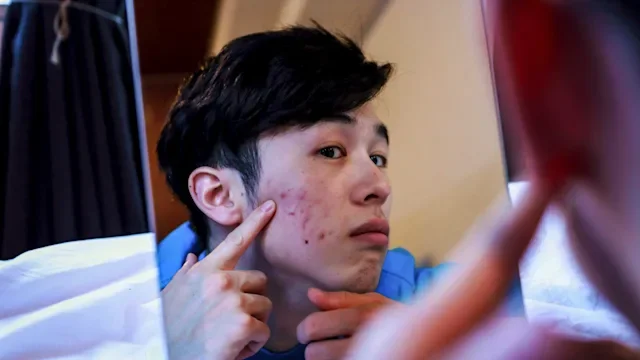
Try not to pick or squeeze pimples. We know this can be really hard, especially when a pimple is painful or really visible. But picking a pimple can make it worse, lead to infection, and damage the skin.
Don’t use skin products — moisturizers, sunscreens, or makeup — that contain oil. Look for products that say "non-comedogenic" on the label.
Yes, acne can be cured. Most acne goes away by itself as you get older. If you can’t wait that long, there are many treatments available. The options range from over-the-counter to prescription, creams to pills, DIY to clinic-based procedures. With the right help, you can get rid of your acne and improve skin scarring and other skin damage.
Yes, acne can be cured. Most acne goes away by itself as you get older. If you can’t wait that long, there are many treatments available. The options range from over-the-counter to prescription, creams to pills, DIY to clinic-based procedures. With the right help, you can get rid of your acne and improve skin scarring and other skin damage.
Diet might be involved in the development of acne, but it’s not a straightforward relationship. Some foods have been studied for their possible role in causing acne, such as milk, chocolate, and sugar. More research is needed.
Overall, the evidence for any sort of relationship with food is pretty weak. You might not be able to eat your way out of acne. But making sensible dietary choices may improve your acne, especially when combined with good skincare and acne medications.
Not a lot. They’re basically the same thing. Acne is the medical term for a skin condition that causes lots of pimples.
We all know people who get a pimple on their face once a year — that’s not acne.
Scarring can be caused by inflammation due to acne or trauma from squeezing, popping, and picking pimples. There are several options for treating acne scars, including topical treatments, injections, peels, and even procedures. With so many options, it’s a good idea to consult with a dermatologist to help decide what’s best for you.
While mental health problems don’t directly cause acne, they can make it worse. Additionally, people with acne are more likely to experience depression and anxiety. The good news is symptoms often improve with acne treatment.
American Academy of Dermatology/Milliman. (2017). Burden of Skin Disease.
Bhate, K., et al. (2013). Epidemiology of acne vulgaris. The British Journal of Dermatology.

Prescription savings
Stop paying too much for your prescriptions. Compare prices, get pharmacy coupons, and save up to 80%. Find expert answers to your health questions so you can make the best decisions for yourself and your family.
Health conditions
Medications & treatment
Access & affordability
 Our monthly healthcare membership can help you save thousands on your prescription costs.
Resources