Key takeaways:
Benzoyl peroxide, salicylic acid, or a pimple patch can help pimples go away faster.
Your dermatologist can give you a cortisone injection to help a deep, painful, inflamed pimple heal quickly.
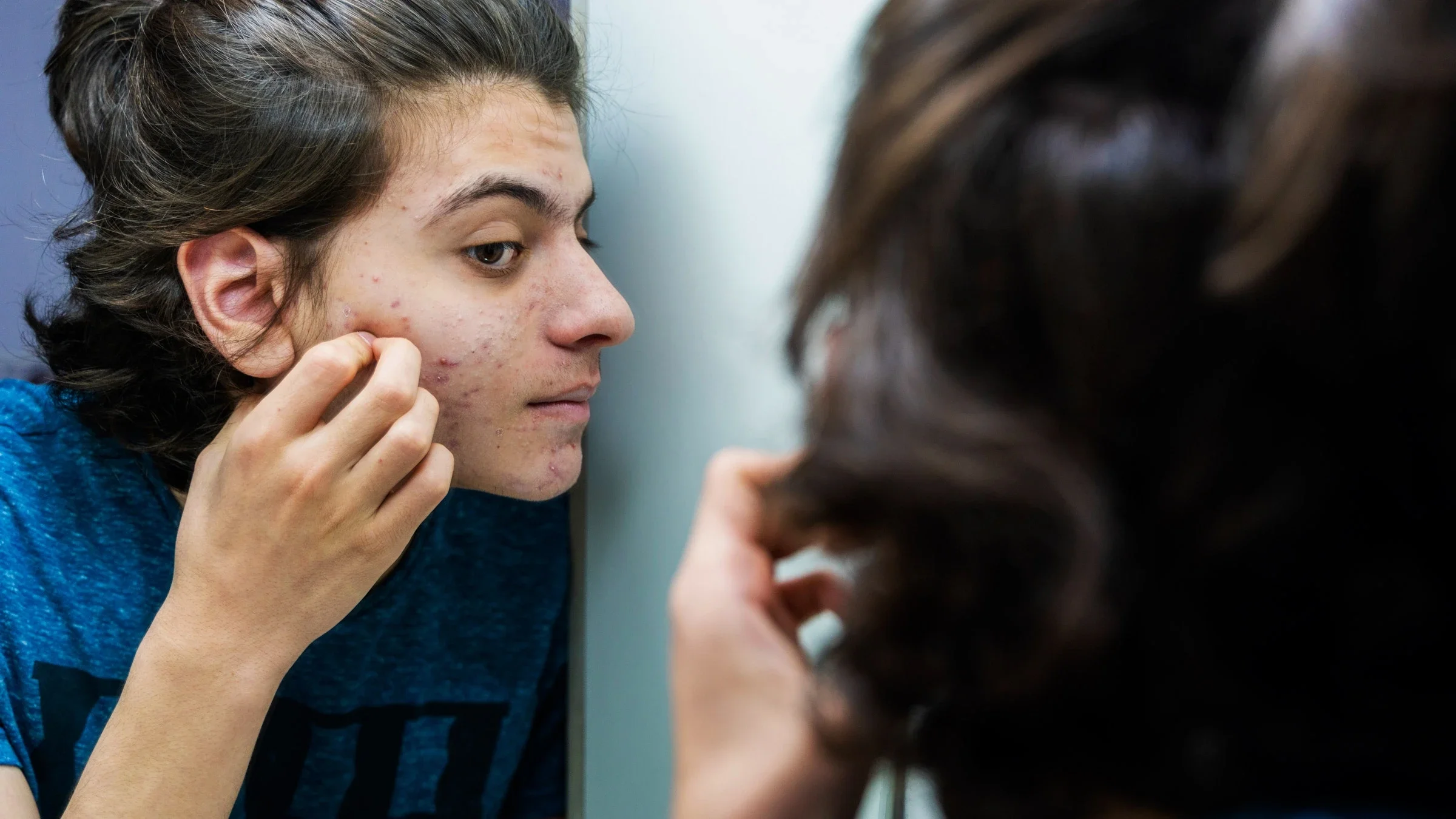
Avoid picking at or trying to pop your pimple since this can lead to more inflammation, redness, and scarring.
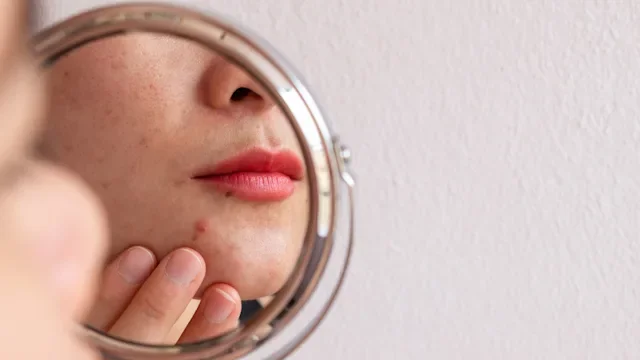
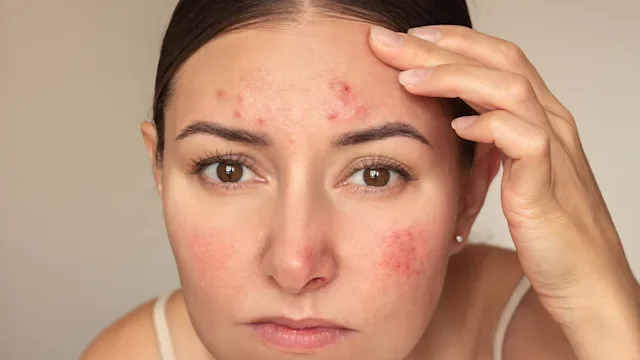
Dealing with a breakout is never fun, and pimples always seem to show up at the worst possible time. Whether you have a job interview, a school presentation, or a date, having a pimple pop up can zap your confidence. To make matters worse, the stress of worrying about pimples can actually trigger more breakouts.
Most pimples last about 3 to 7 days. But the good news is that you don’t have to just wait it out. While there’s no way to make a pimple disappear instantly, there are steps you can take to help it heal more quickly.
Below, we’ll share some practical tips for how to get rid of pimples fast. First, though, it helps to understand what causes pimples.
Search and compare options
What causes pimples?
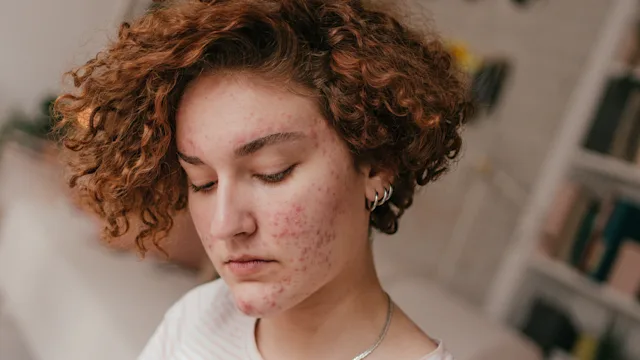
Pimples develop when there’s inflammation inside your pore. A pore is an opening in your skin that contains a hair follicle and an oil-producing gland. Inflammation can develop inside your pore if:
Oil builds up in your pore.
Dead skin cells build up and block your pore.
Bacteria that normally live on your skin start to overgrow and cause inflammation.
Several different factors can make pimples more likely, including:
Hormonal changes, like during adolescence, menstruation, pregnancy, and perimenopause
Genetics
Medical conditions like polycystic ovary syndrome (PCOS)
Certain skin care and lifestyle habits can also lead to blocked pores, such as:
Using oil-based skin products that clog pores
Not having a consistent daily cleansing and moisturizing routine
Using soaps or astringents on your skin
There may be a link between pimples and:
A diet high in refined sugars and carbohydrates
How to to get rid of pimples
Below are seven ways to get rid of pimples.
1. Dab on some benzoyl peroxide
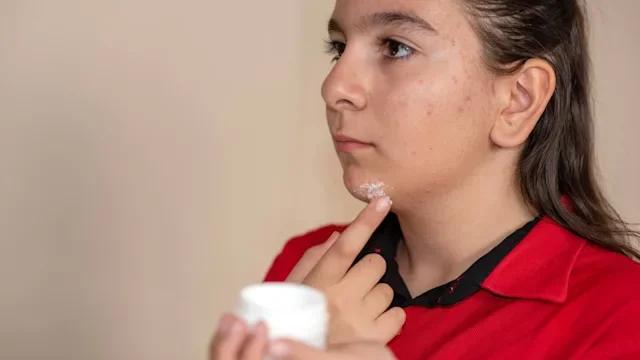
Benzoyl peroxide is an effective pimple treatment that has been around for decades. It reduces inflammation, breaks apart pore-clogging oils and dead skin cells, and kills bacteria that clog pores. All these things can help pimples heal fast — and make them much less noticeable in the meantime.
Benzoyl peroxide is available over the counter (OTC) in many different formulations, such as creams, gels, and foams. You can also find it in different concentrations ranging from 2.5% to 10%. Keep in mind that benzoyl peroxide can be irritating and drying, so start with a lower strength, and see how you tolerate it.
2. Apply ice
If your pimple is red, inflamed, and tender, using a little ice can help. Ice can lower inflammation by tightening the blood vessels around a pimple. It can also reduce any pain you may be experiencing. To use ice safely, wrap it in a cloth or paper towel, and then apply it to the pimple for just a few minutes at a time.
3. Use products with salicylic acid
Salicylic acid is a beta-hydroxy acid. It exfoliates your skin, which means it removes dead cells that can build up and block your pores.
Salicylic acid is available in various forms, including lotions, gels, creams, and washes. And you can buy it OTC in strengths of 0.05% to 5%. It’s best to start with a lower concentration, especially if you have sensitive skin. Like benzoyl peroxide, salicylic acid can irritate and dry out skin.
4. Apply hydrocortisone cream
If your pimple is very red and inflamed, you can try applying a little hydrocortisone 1% cream. Hydrocortisone is a corticosteroid that helps lower inflammation, reduce redness, and soothe tenderness. But you’ll want to use hydrocortisone sparingly, and only for a day or two. Using it for too long can cause skin thinning and other problems.
5. Use a pimple patch
Pimple patches are tiny adhesive bandages you can stick right onto your pimple. Most pimple patches contain gel-forming material (hydrocolloid) that can absorb excess oil and pus from pimples. Some patches also include anti-acne ingredients like salicylic acid or benzoyl peroxide.
Pimple patches provide a moist environment that can lead to faster healing. They also create a protective barrier, which can be especially helpful if you’re a pimple-picker.
6. Try tea tree oil
Some studies have shown that treating pimples with a small amount of diluted tea tree oil can be effective. Tea tree oil may lower inflammation and fight bacteria. But some people are allergic to tree tea oil. So it’s important to test a small amount on another part of your skin (like your inner arm) for 24 hours before applying it to your face.
7. Visit your dermatologist
For a deep, painful, red pimple such as a nodule or cyst, a visit to your dermatologist can help. They can inject a small amount of corticosteroid into the pimple to quickly reduce redness and swelling. This can also speed up healing.
What not to do if you have a pimple
Certain habits can lead to more irritation. If you have a pimple, try your best to avoid:
Touching or picking at your face
Popping your pimple
Experimenting with home remedies like toothpaste, hydrogen peroxide, or rubbing alcohol
Using harsh scrubs or astringents
Tips to prevent pimples
Certain habits in your skin care routine and daily life can help prevent pimples from forming.
Skin care tips to help prevent pimples include:
Using a gentle skin care regimen daily: Your daily skin regimen should include a cleanser, a lightweight moisturizer, and sunscreen. If you have oily skin, use oil-free products (look for the word “noncomedogenic,” which means it won’t clog pores).
Exfoliating regularly: Exfoliation removes dead skin cells from the surface of your skin. You can use either physical or chemical exfoliation (such as with gentle acids or enzymes), or alternate with both.
Shampooing regularly: This removes excess oil from your scalp that can lead to breakouts.
Lifestyle habits that can help prevent pimples include:
Eating a balanced diet: Your diet has an impact on the health of your skin. The American Academy of Dermatology (AAD) recommends eating low-glycemic foods to help avoid pimples. Emphasize fresh fruits and vegetables, legumes, and whole grains.
Keeping high-touch surfaces clean: Be sure to frequently clean your bedding, washcloths, phone, hats, and any other surfaces that regularly come in contact with your face. They can harbor bacteria that transfers to your face.
Choosing the right makeup: If you use face makeup, choose formulas that are oil-free or noncomedogenic. And be sure to remove your makeup thoroughly each day.
Washing makeup tools: Brushes and sponges can also easily accumulate bacteria, so make sure to clean them regularly.
Managing stress levels: Learning how to manage stress is important for many reasons, skin health included. Stress causes the skin to increase oil production, which can lead to breakouts.
Exercising: Physical exercise helps stabilize your blood sugar, which keeps your insulin levels from spiking. This can help prevent skin breakouts. Exercise also helps reduce stress.
Frequently asked questions
It can be very tempting to pop a pimple, but it’s never a good idea. Popping pimples can worsen inflammation, redness, and swelling. It may also lead to scarring. But if you really can’t resist, it’s safest to pop whiteheads and blackheads that aren’t red or inflamed. Be sure to wash your hands first to lower the risk of infection.
There’s no solid scientific evidence that salt can remove pimples. Some health influencers suggest using salt water or salt scrubs because of salt’s mild antibacterial and anti-inflammatory properties. But applying salt to your skin — especially in large amounts — can cause dryness and irritation, which may actually make pimples worse.
Vaseline — or petroleum jelly — doesn’t help pimples. In fact the American Academy of Dermatology (AAD) suggests that people with acne-prone skin avoid using it on their face. Vaseline is an occlusive ointment, which means it’s thick and forms a physical barrier on the skin. This can trap oil and dirt, triggering breakouts in those who are prone.
Lemon and lemon juice contain some nutrients that may help fight inflammation and bacteria on the skin. But there isn’t enough research to prove that lemon can help pimples. In some cases, lemon may be irritating to the skin and lead to more inflammation or unwanted skin changes.
Cystic acne can be harder to treat and isn’t likely to go away overnight. If you’re prone to cystic acne breakouts, it’s best to see a dermatologist for a treatment plan. This may include prescription medications that can help to decrease the inflammation and pain of acne cysts and nodules.
It’s unclear whether honey can help with pimples. On the one hand, honey has known antibacterial, anti-inflammatory, and wound-healing properties. But the research is mixed. Some studies show honey may reduce acne. Other research doesn’t support honey for this use. So more research is needed.
If your acne is tough to treat and nothing seems to be working, talk with a dermatologist. They can figure out which treatment will work best to clear your skin.
It can be very tempting to pop a pimple, but it’s never a good idea. Popping pimples can worsen inflammation, redness, and swelling. It may also lead to scarring. But if you really can’t resist, it’s safest to pop whiteheads and blackheads that aren’t red or inflamed. Be sure to wash your hands first to lower the risk of infection.
There’s no solid scientific evidence that salt can remove pimples. Some health influencers suggest using salt water or salt scrubs because of salt’s mild antibacterial and anti-inflammatory properties. But applying salt to your skin — especially in large amounts — can cause dryness and irritation, which may actually make pimples worse.
Vaseline — or petroleum jelly — doesn’t help pimples. In fact the American Academy of Dermatology (AAD) suggests that people with acne-prone skin avoid using it on their face. Vaseline is an occlusive ointment, which means it’s thick and forms a physical barrier on the skin. This can trap oil and dirt, triggering breakouts in those who are prone.
Lemon and lemon juice contain some nutrients that may help fight inflammation and bacteria on the skin. But there isn’t enough research to prove that lemon can help pimples. In some cases, lemon may be irritating to the skin and lead to more inflammation or unwanted skin changes.
Cystic acne can be harder to treat and isn’t likely to go away overnight. If you’re prone to cystic acne breakouts, it’s best to see a dermatologist for a treatment plan. This may include prescription medications that can help to decrease the inflammation and pain of acne cysts and nodules.
It’s unclear whether honey can help with pimples. On the one hand, honey has known antibacterial, anti-inflammatory, and wound-healing properties. But the research is mixed. Some studies show honey may reduce acne. Other research doesn’t support honey for this use. So more research is needed.
If your acne is tough to treat and nothing seems to be working, talk with a dermatologist. They can figure out which treatment will work best to clear your skin.
The bottom line
Having pimples can be frustrating, and it’s understandable to want to get rid of them as quickly as possible. There are home treatments you can try to help them go away faster or appear less visible. OTC products like benzoyl peroxide, salicylic acid, and hydrocortisone can be helpful. But for deeper, more inflamed blemishes, or stubborn acne that won’t go away, it’s best to talk with your dermatologist who may be able to provide other treatment options.

Why trust our experts?




References
American Academy of Dermatology. (n.d.). 5 ways to use petroleum jelly for skin care.
American Academy of Dermatology. (n.d.). Can the right diet get rid of acne?
Hadi, H., et al. (2016). Honey, a gift from nature to health and beauty: A review. British Journal of Pharmacy.
Nascimento, T., et al. (2023). Tea tree oil: Properties and the therapeutic approach to acne-a review. Antioxidants.
Nuutila, K., et al. (2021). Moist wound healing with commonly available dressings. Advances in Wound Care.
ScienceDirect. (n.d.). Search results for: Benzoyl peroxide.
Semprini, A., et al. (2016). Randomised controlled trial of topical kanuka honey for the treatment of acne. BMJ Open.
Zouboulis, C. C., et al. (2004). Neuroendocrine regulation of sebocytes -- a pathogenetic link between stress and acne. Experimental Dermatology.