Key takeaways:
Isotretinoin (Accutane) is very effective for severe or treatment-resistant acne. Many people see permanently clear skin after one course.
Some people have concerns about Accutane’s potential side effects, including common ones (like dry skin) and more serious ones (like birth defects).
Alternatives to Accutane include topical retinoids, antibacterial medications, and hormonal treatments.
Save on related medications
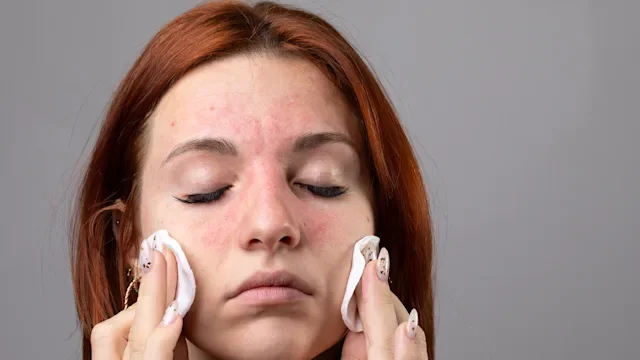
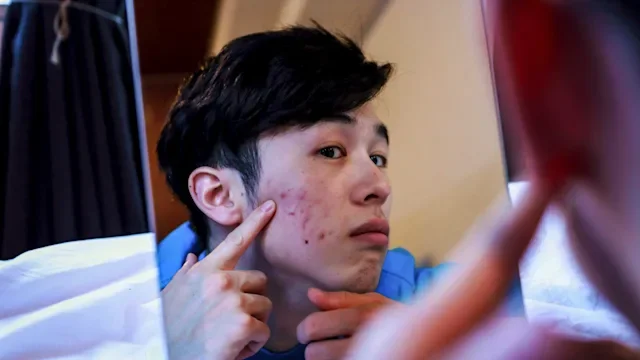
If you’re dealing with stubborn acne, you’ve probably heard about Accutane (isotretinoin). It’s known for being incredibly effective, especially for severe or scarring breakouts.
But Accutane isn’t for everyone. Some people feel unsure about the possible side effects, and others simply want to explore different options first. Whatever the reason, it’s helpful to know that there are other effective medications that can help you get clear skin.
Here we’ll go over how Accutane works, common side effects, and Accutane alternatives to consider.
Search and compare options
What is Accutane, and how does it work?
Accutane (isotretinoin) is a vitamin A-derived medication used to treat severe acne, especially when it’s scarring or doesn’t respond to other treatments. It works by lowering oil production, preventing clogged pores, and reducing acne-causing bacteria.
Accutane’s success rate is high: About 85% of people get permanently clear skin after one course of treatment.
Accutane isn’t available over the counter. It needs to be prescribed by a dermatologist or other qualified healthcare professional.
People’s concerns about isotretinoin are usually related to its side effects. The most common side effects are usually pretty mild and include things like dry skin, sun sensitivity, and temporary hair loss.
More serious side effects are also possible, including serious birth defects, if taken during pregnancy. Accutane has also been linked to other conditions, like depression and inflammatory bowel disease. So far, studies don’t definitively prove that Accutane causes these conditions. However, dermatologists carefully screen and monitor people when they take Accutane, to lower the risks of side effects.
If you’ve looked into isotretinoin and decided that you’d like to try something else first, below are some Accutane alternatives that you may want to talk about with your dermatologist.
1. Topical retinoids
Isotretinoin is a type of retinoid, but it’s not the only one used to treat acne. Others include tretinoin (Retin-A), tazarotene (Tazorac), adapalene (Differin), and trifarotene (Aklief). Unlike isotretinoin, which you take as a pill, you apply these other retinoids topically, meaning you put them directly onto your skin. They work by helping to unclog pores and regulate skin cell growth, so your pores don’t get clogged as often. They also have fewer side effects than isotretinoin.
You may experience some temporary skin side effects while using retinoids, such as:
Dryness
Irritation
Redness
Peeling or flaking
But these symptoms are easy to manage or eliminate with proper use. Just like isotretinoin, you shouldn’t use these medications if you’re pregnant.
Cost of topical retinoids
Isotretinoin tends to be more expensive than other types of retinoids. But, in general, retinoids are pricier than other types of acne treatments, although insurance may cover them. Generic versions are usually more affordable than brand names, and Differin 0.1% is now available over the counter (OTC) at a lower cost than prescription options.
2. Antibacterial medications
Antibacterial medications work mainly by killing the acne-causing bacteria in your pores. They’re commonly used to treat acne. And, for some people, they could be a good alternative to Accutane.
Antibiotic treatment for acne
An antibiotic can be applied to your skin or taken by mouth as a pill. If you’re dealing with more severe acne, this may not be the best option. Long-term use of antibiotics can cause bacteria to develop resistance, and the medication may become less effective over time.
Keep in mind that each antibiotic has its own possible side effects. This can include stomach upset and sun sensitivity from the pills and skin irritation and dryness from the topical treatments.
Here are some of the most commonly prescribed antibiotics for acne:
Tetracyclines: Minocycline (Dynacin) and doxycycline (Vibramycin) are the most frequently used antibiotics for acne.
Macrolides: Azithromycin (Zithromax) and erythromycin (Ery-Tab) are usually used as topicals for acne.
Sulfonamides: Trimethoprim-sulfamethoxazole (Bactrim) is a second-choice antibiotic for acne. Your dermatologist may prescribe it if you’re allergic or don’t respond to topical antibiotics and tetracycline pills.
Sulfones: Dapsone (Aczone) is a newer topical treatment for acne and tends to be a bit more expensive.
Cost of antibiotics
In general, brand-name antibiotics tend to be more expensive. There are many effective generic options that are less expensive, and your insurance may even cover them.
Benzoyl peroxide
Benzoyl peroxide is a topical medication that’s available OTC. You can find this ingredient in face washes, body washes, gels, and creams.
If your acne is mild, benzoyl peroxide may do the trick on its own. But, if your acne is moderate or severe (such as hard or pus-filled pimples or bumps), your dermatologist or other healthcare professional will probably prescribe another medication to use with it, like a topical retinoid or antibiotic. The combination works better than either medication when used alone.
Like other topical acne medications, you may have some minor skin redness, peeling, and irritation that will go away once you stop the medication.
One tip about using benzoyl peroxide: Make sure you rinse thoroughly after applying it because it can bleach your towels and clothes.
Cost of benzoyl peroxide
Benzoyl peroxide is usually pretty inexpensive, and it’s available in many generic, store-brand options.
3. Hormonal treatments
If you’re female, you may want to look into hormonal acne treatments. For teenagers and adult women, hormone changes around periods and menopause can cause acne.
These treatment options help control certain hormones in your body, called androgens. These are “male” sex hormones, but they’re found in women, too. When androgen levels are too high, they can cause the skin to produce excess oil, which contributes to acne.
Birth control pills
Birth control pills can be used on their own or along with other treatments. Insurance usually covers them, and people without insurance can get them for free or at a low cost from places like Planned Parenthood.
Some types of birth control pills that work well for acne are:
Ethinyl estradiol / norgestimate (Ortho Tri-Cyclen)
Ethinyl estradiol / norethindrone acetate / ferrous fumarate (Estrostep FE)
Cost of birth control pills
Generic versions of birth control pills tend to be less expensive, and insurance usually covers them. Coupons (like those from GoodRx) can also offer significant savings.
Anti-androgen pills
The medication spironolactone is another treatment option for women. It’s a diuretic (“water pill”) commonly used to treat high blood pressure, but its hormonal effects can help acne as well.
It’s not safe to take during pregnancy, and it may interact with some medications.
Side effects can include headache, dizziness, and more frequent urination. Spironolactone requires a prescription. And you may have to get blood tests every now and then because it can affect potassium levels.
Cost of spironolactone
Spironolactone is available in a relatively inexpensive generic form. Many insurance companies will also cover it as a treatment for acne.
Anti-androgen cream
If you want to stick with topical treatments, an anti-androgen cream called Winlevi (clascoterone) is available to treat acne. It’s the only acne cream that targets hormones that cause excess oil.
Cost of Winlevi
Because it’s newer, it may be more expensive. However, there are ways to save on Winlevi. If you’re eligible, use the manufacturer’s saving card to access Winlevi for as little as $20 per month.
Are there natural alternatives to Accutane?
Products — such as tea tree oil, barberry extract, and gluconolactone — are promoted as natural treatments for acne. Unfortunately, they haven’t been very well studied. As a result, the American Academy of Dermatology doesn’t recommend them based on a lack of evidence. More research is needed to determine whether these natural Accutane alternatives are safe and effective ways to treat acne.
Frequently asked questions
When taken in large doses, vitamin A can have similar effects to Accutane. However, because it can build up in your body’s tissues and it has similar side effects as Accutane, vitamin A shouldn’t be used to treat acne.
Most Accutane side effects go away once you stop the medication. However, mild, long-term side effects may be possible. One study identified dry skin, dry eyes, and joint pain as possible long-term side effects in a small percentage of people. In another study, seven people who had taken Accutane also reported depression, anxiety, irritable bowel syndrome (IBS), and constipation as possible long-term symptoms.
No, there’s no direct link between taking Accutane and gaining weight. However, people on Accutane may experience side effects, like tiredness and muscle pain. These effects may keep you from being active and make it easier to gain weight. Taking a lower dose of Accutane can help minimize these side effects.
When taken in large doses, vitamin A can have similar effects to Accutane. However, because it can build up in your body’s tissues and it has similar side effects as Accutane, vitamin A shouldn’t be used to treat acne.
Most Accutane side effects go away once you stop the medication. However, mild, long-term side effects may be possible. One study identified dry skin, dry eyes, and joint pain as possible long-term side effects in a small percentage of people. In another study, seven people who had taken Accutane also reported depression, anxiety, irritable bowel syndrome (IBS), and constipation as possible long-term symptoms.
No, there’s no direct link between taking Accutane and gaining weight. However, people on Accutane may experience side effects, like tiredness and muscle pain. These effects may keep you from being active and make it easier to gain weight. Taking a lower dose of Accutane can help minimize these side effects.
The bottom line
Isotretinoin (Accutane) can be life-changing for people with severe acne, but it’s not the only option. If you’re looking for Accutane alternatives to treat your acne, there are many effective options to try, including topical retinoids, antibacterial medications, and hormonal treatments. The best acne treatment is the one that balances results, safety, and your comfort level. Talk to a healthcare professional about a treatment plan that works for you.

Why trust our experts?




References
American Academy of Dermatology Association. (n.d.). What can clear severe acne?
Cook, M., et al. (2022). Oral vitamin A for acne management: A possible substitute for isotretinoin. Journal of Drugs in Dermatology.
Ghadimi, T. R., et al. (2023). Self-reported long-term side effects of isotretinoin: A case series. Journal of Drugs in Dermatology.
Goulden, V., et al. (1994). Long-term safety of isotretinoin as a treatment for acne vulgaris. British Journal of Dermatology.
Huang, Y. C., et al. (2017). Isotretinoin treatment for acne and risk of depression: A systematic review and meta-analysis. Journal of the American Academy of Dermatology.
McCarty, M., et al. (2011). Chronic administration of oral trimethoprim-sulfamethoxazole for acne vulgaris. The Journal of Clinical and Aesthetic Dermatology.
Strait, J. E. (2018). Medication for severe acne alters skin microbiome. Washington University School of Medicine in St. Louis.
Sun Dermatology. (n.d.). Winlevi savings.
Zaenglein, A. L., et al. (2016). Guidelines of care for the management of acne vulgaris. Journal of the American Academy of Dermatology.