


A Guide to Hair Loss in Women: Causes and Treatment for Thinning Hair
There are several causes of hair loss and hair thinning in women. The most likely cause depends on your age and the pattern of hair loss.
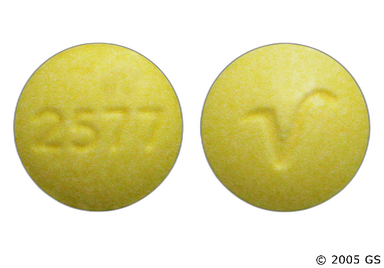
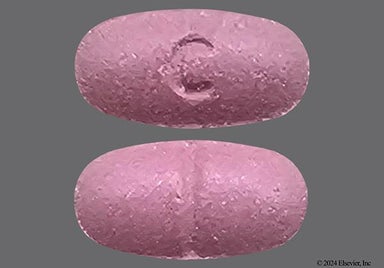
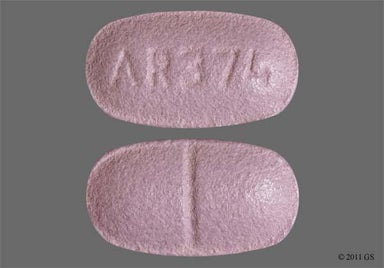
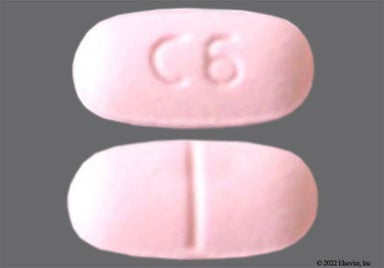
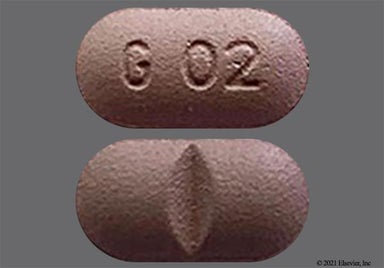
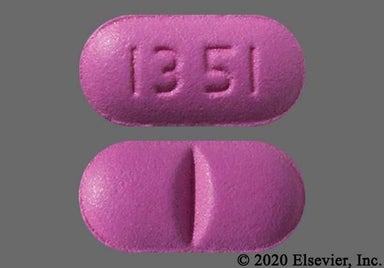
Colchicine 0.6 mg tablet, also known by its brand name Colcrys, is used to treat and prevent gout flares (attacks) in adults. It can also treat a genetic condition called familial Mediterranean fever (FMF) in people ages 4 years and up. Colchicine (Colcrys) works as an anti-inflammatory medication. In general, you take your dose by mouth once or twice per day. To treat a gout flare, it's taken once at the first sign of the attack, then again an hour later. Side effects include diarrhea and nausea. Colchicine (Colcrys) is available as a brand-name and generic medication.

Colchicine (Colcrys) is an anti-inflammatory medication. It works by blocking certain immune cells that cause inflammation. This can help relieve pain related to gout or FMF.
| Common Brands | Colcrys |
|---|---|
| Drug Class | Antigout |
| Controlled Substance Classification | Not a controlled medication |
| Generic Status | Lower-cost generic available |
| Availability | Prescription only |

The following side effects may get better over time as your body gets used to the medication. Let your healthcare provider know immediately if you continue to experience these symptoms or if they worsen over time.
Note: Side effects were from people with gout. Side effects might differ for people with FMF.
Contact your healthcare provider immediately if you experience any of the following.
Side effects that you should report to your care team as soon as possible:
Side effects that usually do not require medical attention (report these to your care team if they continue or are bothersome):




Colchicine (Colcrys) can cause some serious health issues. This risk may be even higher for certain groups. If this worries you, talk to your doctor or pharmacist about other options.
An overdose of colchicine (Colcrys) can happen if you take too much of the medication. This is serious and life-threatening. Only take colchicine (Colcrys) as directed by your prescriber. And keep the medication out of reach from children.
Early symptoms of a colchicine (Colcrys) overdose include stomach pain, nausea, vomiting, and diarrhea. These can lead to serious dehydration. More dangerous symptoms can happen later. That's why it's important to get help as soon as possible. If you think you or someone else has overdosed on colchicine (Colcrys), call the Poison Control Center at 1-800-222-1222 or call 911 right away.
Colchicine (Colcrys) can sometimes lower your blood cell counts, which can be serious. Low white blood cells can put you at risk of infection. Low platelets can make you bleed or bruise more easily. And low red blood cells can lead to anemia.
Tell your care team right away if you have signs of a low blood cell count while taking colchicine (Colcrys). These can include fever, tiredness, chills, cough, or trouble breathing. Other signs include pale skin, fast heart rate, dizziness, or easy bruising or bleeding.
Colchicine (Colcrys) can interact with many medications. These interactions can make the level of colchicine (Colcrys) in your body get too high. This can lead to dangerous side effects.
Some examples include heart medications called calcium channel blockers (CCBs) like diltiazem (Cardizem). It can also include digoxin (Lanoxin). Other examples are statins and fibrates for cholesterol. Even more are certain antifungals and antivirals.
Make sure your healthcare team has a full list of the medications you take. Also let your prescriber know if you have any liver or kidney problems. These health issues can make the effects of some drug interactions worse. Your prescriber can adjust the dose of your medications if needed to keep you safe.
Some people who take colchicine (Colcrys) for a long time have had nerve or muscle problems. Although rare, it can include a serious condition called rhabdomyolysis, where muscles get damaged and break down.
The risk of muscle damage is higher for older people and those with kidney problems. It also might be higher if you take statins, fibrates, or cyclosporine (Neoral, Gengraf, or Sandimmune).
If you have muscle pain or weakness, dark or red urine, or trouble moving your arms or legs while taking colchicine (Colcrys), get medical help right away. These can be signs of muscle or nerve problems. You might need to stop taking the medication. These symptoms often go away within a week, but sometimes months, after stopping.

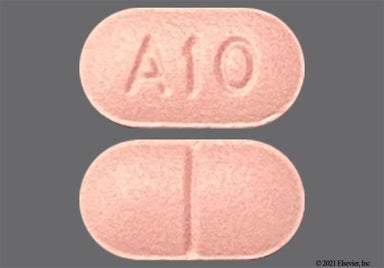
 Tablet
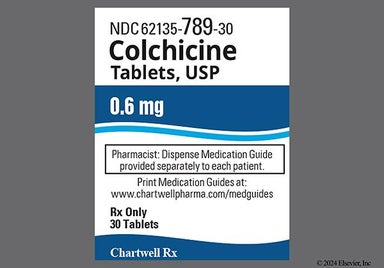
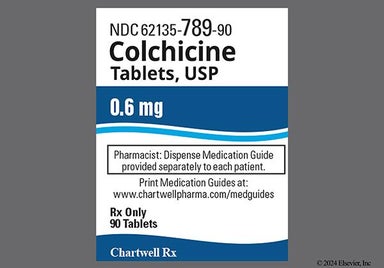
| Dosage | Quantity | Price as low as | Price per unit |
|---|---|---|---|
| 0.6mg | 30 tablets | $17.38 | $0.58 |
Gout in people 16 years and up
Familial Mediterranean fever in people 4 years and up
Your dose might differ if you take a medication that interacts with colchicine (Colcrys). It also might differ if you have kidney or liver problems.


Contraindications are specific health conditions or situations in which a person should not take a medication due to safety concerns. If you have any of the following conditions or if any of the following apply to you, let your healthcare provider know because Colchicine (Colcrys) will not be safe for you to take.









Prescription savings
Stop paying too much for your prescriptions. Compare prices, get pharmacy coupons, and save up to 80%.Resources
About GoodRx
 Find expert answers to your health questions so you can make the best decisions for yourself and your family.
Health conditions
Medications & treatment
Access & affordability
Well-being
Medication discounts

For treating a gout attack, it can take about 24 hours for pain to improve after you take Colchicine. Talk to your prescriber if the medication doesn't give you enough pain relief.
How much Colchicine you can take depends on why you're taking it. It might also depend on your kidney or liver function and other medications you might be taking. For a gout attack, you usually take two 0.6 mg tablets at the first sign of the attack, then one 0.6 mg tablet an hour later. Don't take any more within that hour. For preventing gout, you usually take one 0.6 mg tablet once or twice a day. If you have a gout attack while taking Colchicine to prevent flares, talk to your prescriber about specific timing of your doses. Don't take extra doses unless they say it's okay since this can be dangerous. Always follow your prescriber's exact directions. Ask them if you're not sure how much Colchicine you should be taking.
The 2025 American College of Cardiology guidelines say that Colchicine tablets are a possible option for pericarditis. This is when there's inflammation around the heart. The recommended dosage for the Colchicine tablets is 0.6 mg twice per day for pericarditis. It's usually taken with a non-steroidal anti-inflammatory drug (NSAID). Note that Colchicine isn't FDA approved for pericarditis. So, this is an off-label use of the medication. But some studies show that it might be beneficial for managing inflammation around the heart. Talk to your cardiologist to see if Colchicine is right for you.
No, Colchicine isn't usually used to prevent heart attack or stroke. It's FDA approved for gout flares. It's also approved for familial Mediterranean fever (FMF). But there's another brand name of colchicine called Lodoco. Lodoco is approved for lowering the risk of heart attack, stroke, and heart-related death in adults with atherosclerotic heart disease or other risk factors for heart disease. Both contain colchicine, but Colcrys and Lodoco come in different strengths. They have different dosages for the different health conditions they're each used for.
No, Colchicine isn't considered a nonsteroidal anti-inflammatory drug (NSAID). It also works to reduce inflammation and pain. But Colchicine does this in a different way. Depending on how severe your symptoms are, your prescriber might say to take Colchicine and an NSAID together. Check with your prescriber first to make sure this is a safe option for you.
Yes, you can take Colchicine with allopurinol (Zyloprim) if your prescriber gave you both. They work in different ways and have different roles in treating gout. Allopurinol (Zyloprim) works to lower uric acid levels. Colchicine reduces inflammation to prevent and treat gout attacks. Your prescriber might have you take Colchicine when you first start allopurinol (Zyloprim). It can help prevent gout flares at the beginning of therapy. Talk to your prescriber to compare the two medications and see how they can help with your gout.
There are some foods to avoid while taking Colchicine. Avoid grapefruit and grapefruit juice. It can make the levels of the medication get very high in your body. This can raise your risk of serious side effects from the medication. Also if you take it for gout, try to do your best to limit how much shellfish, canned fish, alcohol, and meat you consume. These foods can raise your risk for gout attacks. Talk to your prescriber or a nutritionist if you have trouble coming up with a meal plan that works best for you.
It's best to avoid or limit drinking alcohol while you're taking Colchicine. Alcohol can make some side effects, like nausea, diarrhea, and headache, worse. Also, drinking alcohol can raise your risk of having gout flares. Speak with a healthcare professional about your drinking habits. They can make sure Colchicine is safe for you to take.
