probenecid / colchicine
Probenecid/colchicine is a combination anti-gout medication. It helps prevent gout in people who get gout flares (attacks) often. Probenecid is a uricosuric agent that works in your kidneys to lower uric acid levels, while colchicine helps ease inflammation. Probenecid/colchicine comes as a tablet that's taken by mouth once or twice per day. Some side effects include stomach upset, headache, and dizziness. Avoid drinking alcohol while taking this medication because doing so raises your risk of a gout attack. Probenecid/colchicine is available only as a generic; brand name Colbenemid has been discontinued.


What is Probenecid/colchicine?
What is Probenecid/colchicine used for?
- Treatment of chronic (long-term) gout in people who get frequent gout flares (attacks)
How Probenecid/colchicine works
Probenecid/colchicine is a combination of two medications that treat gout.
- Probenecid is a uricosuric agent. It works in the kidneys to lower uric acid levels in your body. This can help prevent gout attacks because having lower uric acid levels means uric acid crystals are less likely to form in your joints.
- Colchicine is an anti-inflammatory medication. It's thought to prevent gout flares by lowering swelling and pain.
Drug facts
| Common Brands | Colbenemid |
|---|---|
| Drug Class | Antigout |
| Controlled Substance Classification | Not a controlled medication |
| Generic Status | Lower-cost generic available |
| Availability | Prescription only |

Side effects of Probenecid/colchicine
The following side effects may get better over time as your body gets used to the medication. Let your healthcare provider know immediately if you continue to experience these symptoms or if they worsen over time.
Common Side Effects
Probenecid
- Headache
- Dizziness
- Sudden gout attack (sharp pain and swelling at the joints)
- Nausea
- Vomiting
- Kidney stones
- Nerve pain
- Muscle weakness
- Nausea
- Vomiting
- Diarrhea
Less Common Side Effects
- Hair loss
- Flushing
- Itching
Probenecid/colchicine serious side effects
Contact your healthcare provider immediately if you experience any of the following.
- Severe allergic reaction: facial swelling, anaphylaxis (e.g., closing of the throat), trouble breathing
- Kidney stones: severe back pain, stomach pain, blood in your urine, fever, chills
- Low blood cell counts: fever, trouble breathing, chills, weakness, unusual bruising or bleeding, blood in urine or stool
The following Probenecid/colchicine side effects have also been reported
Along with its needed effects, a medicine may cause some unwanted effects. Although not all of these side effects may occur, if they do occur they may need medical attention.
Check with your doctor immediately if any of the following side effects occur:
Rare
Fast or irregular breathing
puffiness or swelling of the eyelids or around the eyes
shortness of breath, troubled breathing, tightness in chest, or wheezing
changes in the skin color of the face occurring together with any of the other side effects listed here
or skin rash, hives, or itching occurring together with any of the other side effects listed here
Check with your doctor immediately if any of the following side effects occur:
Check with your doctor as soon as possible if any of the following side effects occur:
Less common
Difficult or painful urination
lower back or side pain (especially if severe or sharp)
skin rash, hives, or itching (occurring without other signs of an allergic reaction)
Rare
Black or tarry stools
cloudy urine
cough or hoarseness
fast or irregular breathing
numbness, tingling, pain, or weakness in hands or feet
pinpoint red spots on skin
sores, ulcers, or white spots on lips or in mouth
sore throat, fever, and chills
sudden decrease in the amount of urine
swelling of face, fingers, feet, and/or lower legs
swollen and/or painful glands
unusual bleeding or bruising
unusual tiredness or weakness
yellow eyes or skin
Some side effects may occur that usually do not need medical attention. These side effects may go away during treatment as your body adjusts to the medicine. Also, your health care professional may be able to tell you about ways to prevent or reduce some of these side effects. Check with your health care professional if any of the following side effects continue or are bothersome or if you have any questions about them:
Less common
Dizziness
flushing or redness of face (occurring without any signs of an allergic reaction)
frequent urge to urinate
sore gums
unusual loss of hair
Other side effects not listed may also occur in some patients. If you notice any other effects, check with your healthcare professional.
Call your doctor for medical advice about side effects. You may report side effects to the FDA at 1-800-FDA-1088.

Get your GoodRx coupon

Pros and cons of Probenecid/colchicine
Pros
- Taken once or twice a day
- Conveniently combines two medications in one pill
- Available as a generic medication
Cons
- Not a first-choice treatment option for gout
- Can cause nausea, vomiting, and diarrhea
- Can interact with other medications

Pharmacist tips for Probenecid/colchicine

- Mark your appointments on your calendar to see your prescriber and to get any blood work done. You should regularly follow up with your prescriber to review your symptoms and your uric acid levels. Your prescriber will use this information to adjust your dose of probenecid/colchicine, if necessary.
- You can take probenecid/colchicine with or without food. But stomach-related side effects (e.g., nausea, vomiting, diarrhea, stomach pain) are possible, so it's best to take with food to help prevent or ease these from happening.
- Make sure to stay hydrated while you're taking probenecid/colchicine to prevent kidney stones. Ask your healthcare team about a recommended daily amount to drink.
- It's best to avoid drinking alcohol while you're taking probenecid/colchicine. Doing so can worsen side effects like drowsiness and dizziness. Drinking can also raise your risk for gout flares.
- Avoid grapefruit or grapefruit juice while taking probenecid/colchicine because it can raise the amount of colchicine in your body. This can raise your risk of side effects (e.g., diarrhea, nausea, headache, etc.).
- Probenecid and colchicine interact with other medications, including aspirin, many antibiotics, and certain cholesterol medications. Make sure to let your care team know about all the medications you're taking (including vitamins and supplements) before starting probenecid/colchicine so that they can help you check for interactions.
- Discuss with your prescriber about which foods and beverages you should try to avoid while you're taking probenecid/colchicine. Certain foods and drinks can worsen gout or raise your risk for kidney stones.

Risks and warnings for Probenecid/colchicine
Probenecid/colchicine can cause some serious health issues. This risk may be even higher for certain groups. If this worries you, talk to your doctor or pharmacist about other options.
More gout attacks
Some people have experienced more gout flares after starting probenecid/colchicine. If you experience this, talk with your healthcare team right away. They might prescribe another gout medication, such as allopurinol (Zyloprim), for you to take with probenecid/colchicine to help prevent gout attacks.
Kidney stones and kidney injury
- Risk factors: History of kidney problems or kidney stones | Dehydration
People who take probenecid/colchicine can develop kidney stones. Sometimes, these kidney stones can lead to kidney injury. The risk might be higher for people who already have kidney problems or who've had kidney stones before.
To prevent kidney stones, stay hydrated while taking probenecid/colchicine. Also try avoiding foods that can raise your risk for kidney stones. Get medical help if you have severe sharp pain towards your side and back, nausea, vomiting, or pain or burning when urinating. These might be signs of a kidney stone.
Abnormal blood conditions
- Risk factors: Glucose-6-phosphate dehydrogenase (G6PD) deficiency
People with a genetic condition called G6PD deficiency are at higher risk of developing rare, but serious blood problems while taking probenecid. If you have G6PD deficiency or experience these symptoms, talk to your prescriber to see whether there's another medication for gout that's safer for you.

Probenecid/colchicine dosage
 Tablet
| Dosage | Quantity | Price as low as | Price per unit |
|---|---|---|---|
| 500mg/0.5mg | 90 tablets | $40.58 | $0.45 |

Interactions between Probenecid/colchicine and other drugs
Although certain medicines should not be used together at all, in other cases two different medicines may be used together even if an interaction might occur. In these cases, your doctor may want to change the dose, or other precautions may be necessary. When you are taking this medicine, it is especially important that your healthcare professional know if you are taking any of the medicines listed below. The following interactions have been selected on the basis of their potential significance and are not necessarily all-inclusive.
Using this medicine with any of the following medicines is not recommended. Your doctor may decide not to treat you with this medication or change some of the other medicines you take.
- Amiodarone
- Atazanavir
- Boceprevir
- Carvedilol
- Clarithromycin
- Cobicistat
- Conivaptan
- Cyclosporine
- Darunavir
- Diltiazem
- Dronedarone
- Erythromycin
- Flibanserin
- Idelalisib
- Indinavir
- Itraconazole
- Ketoconazole
- Ketorolac
- Lapatinib
- Lopinavir
- Nefazodone
- Nelfinavir
- Nilotinib
- Posaconazole
- Quinidine
- Ranolazine
- Ritonavir
- Saquinavir
- Sunitinib
- Telaprevir
- Telithromycin
- Tipranavir
- Vemurafenib
- Verapamil
- Voriconazole
Using this medicine with any of the following medicines is usually not recommended, but may be required in some cases. If both medicines are prescribed together, your doctor may change the dose or how often you use one or both of the medicines.
- Abametapir
- Amprenavir
- Aprepitant
- Atorvastatin
- Avibactam
- Baricitinib
- Capmatinib
- Cephalexin
- Citalopram
- Crizotinib
- Deferiprone
- Delavirdine
- Doripenem
- Fenofibrate
- Fenofibric Acid
- Fluconazole
- Fluvoxamine
- Fosamprenavir
- Fosaprepitant
- Fosnetupitant
- Gemfibrozil
- Imatinib
- Indomethacin
- Interferon Alfa-2a
- Lasmiditan
- Letermovir
- Lovastatin
- Lumateperone
- Methotrexate
- Mibefradil
- Mifepristone
- Naproxen
- Netupitant
- Pegloticase
- Pexidartinib
- Pitavastatin
- Pravastatin
- Reserpine
- Rosuvastatin
- Sacituzumab Govitecan-hziy
- Simvastatin
- Tacrolimus
- Venetoclax
- Zalcitabine
Using this medicine with any of the following medicines may cause an increased risk of certain side effects, but using both drugs may be the best treatment for you. If both medicines are prescribed together, your doctor may change the dose or how often you use one or both of the medicines.
- Amoxicillin
- Aspirin
- Bezafibrate
- Bismuth Subsalicylate
- Cefditoren Pivoxil
- Cefotaxime
- Cefpodoxime Proxetil
- Cefprozil
- Choline Magnesium Trisalicylate
- Ciprofibrate
- Ciprofloxacin
- Clofibrate
- Digoxin
- Enprofylline
- Ertapenem
- Fluvastatin
- Gatifloxacin
- Lorazepam
- Magnesium Salicylate
- Meropenem
- Norfloxacin
- Phenprocoumon
- Piretanide
- Pralatrexate
- Sodium Salicylate
- Sodium Thiosalicylate
- Zidovudine
- Zomepirac

How much does Probenecid/colchicine cost?
$40.58

Probenecid/colchicine contraindications
Contraindications are specific health conditions or situations in which a person should not take a medication due to safety concerns. If you have any of the following conditions or if any of the following apply to you, let your healthcare provider know because Probenecid/colchicine will not be safe for you to take.
- Current gout attack
- Children under 2 years of age
- Currently pregnant
- Abnormal blood conditions
- Uric acid kidney stones

What are alternatives to Probenecid/colchicine?

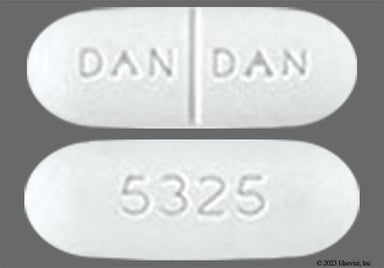
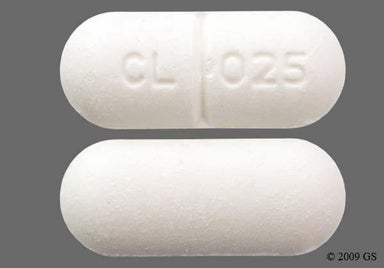
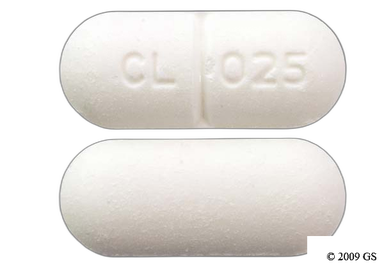
Probenecid/colchicine images