Key takeaways:
Antidepressant discontinuation syndrome (ADS) is a group of withdrawal symptoms that happen when you stop taking an antidepressant or lower your dose.
Common ADS symptoms include dizziness, nausea, and physical sensations like electric shocks or “pins and needles.”
Antidepressant withdrawal symptoms are usually mild and short-lived, lasting 1 to 2 weeks. Tapering off your medication slowly may help.
Save on related medications
If you’ve ever missed a few doses of a selective serotonin reuptake inhibitor (SSRI) or other antidepressant, you may have noticed some uncomfortable symptoms. That’s because stopping an antidepressant can lead to something called antidepressant discontinuation syndrome (ADS), especially if you stop taking your medication too suddenly. Here’s what you need to know.
What is antidepressant discontinuation syndrome?
Antidepressant discontinuation syndrome (ADS) is a group of symptoms that can happen when you stop your antidepressant or lower your dose. It may be especially likely if you stop taking your medication all at once. And while it’s rarely dangerous, it can be uncomfortable.
ADS can happen with many types of antidepressants, including:
SSRIs like sertraline (Zoloft), paroxetine (Paxil), and fluoxetine (Prozac)
Serotonin and norepinephrine reuptake inhibitors (SNRIs) like duloxetine (Cymbalta) and venlafaxine
Monoamine oxidase inhibitors (MAOIs) like phenelzine (Nardil) and isocarboxazid (Marplan)
Tricyclic antidepressants (TCAs) like amitriptyline and clomipramine (Anafranil)
Atypical antidepressants like trazodone and mirtazapine (Remeron)
Search and compare options
What causes antidepressant discontinuation syndrome?
Antidepressants affect how your body uses certain neurotransmitters, such as serotonin, norepinephrine, and acetylcholine. These neurotransmitters play a role in mood, energy, and well-being.
We don’t know exactly what causes ADS. But it’s possible that when you stop taking an antidepressant, your body needs some time to readjust to new levels of these neurotransmitters.
What are the symptoms of antidepressant discontinuation syndrome?
ADS symptoms usually appear in the first few days after stopping most antidepressants. Symptoms include:
Dizziness or trouble with balance
Nausea or vomiting
Flu-like symptoms (such as tiredness, muscle aches, and diarrhea)
Trouble sleeping or vivid dreams
Brief electric shock sensations or “pins and needles”
Anxiety, irritability, or feeling on edge
Restlessness
Tinnitus (ringing in the ears)
Sweating
Low mood or crying spells
Confusion
It’s good to remember that everyone’s experience is unique. You could have only a few of these symptoms, or you could have several. Or you might have no withdrawal symptoms at all.
Some antidepressants have unique withdrawal symptoms too. For instance, stopping TCAs too quickly can cause movement problems, like stiff muscles and tremors. And stopping MAOIs too fast can cause muscle spasms or psychosis (losing touch with reality).
How long do antidepressant withdrawal symptoms last?
For the most part, ADS symptoms are mild and short-lived. Symptoms usually get better on their own within 1 to 2 weeks. Some people have more severe symptoms or symptoms that last longer — in some cases, weeks to months.
What raises the risk of experiencing antidepressant discontinuation syndrome?
Some people may be more likely than others to experience ADS. This includes people who:
Take antidepressants for 6 weeks or longer
Stop taking an antidepressant that leaves the body quickly
Stop taking an antidepressant without a healthcare professional's guidance
Antidepressants that stay in the body for a long time have a lower risk of withdrawal symptoms. This is because it may take longer for your body to notice the changes in neurotransmitters after stopping them. An example of a longer-lasting antidepressant is fluoxetine (Prozac).

Read more like this
Explore these related articles, suggested for readers like you.




Which antidepressants are the hardest to stop?
Everyone’s experience stopping antidepressants is different. But there’s evidence that withdrawal symptoms may be especially likely with:
Phenelzine
Tranylcypromine (Parnate)
Paroxetine
Venlafaxine
Desvenlafaxine (Pristiq)
Clomipramine
Duloxetine
Are there any treatments available for antidepressant withdrawal?
ADS usually goes away on its own in 1 to 2 weeks. But if you’re having a hard time with withdrawal symptoms, here are some things that can help:
Temporarily restarting your antidepressant. This can help restore neurotransmitter levels in the brain and ease symptoms. If symptoms appear while lowering your dose, your prescriber may suggest raising it again temporarily. Then, once your symptoms let up, you can try again more slowly.
Switching to an antidepressant that lasts longer in the body, such as fluoxetine. Longer-lasting antidepressants may be easier to stop. In some cases, your prescriber might have you switch to a different antidepressant first, and then taper off from there.
Using another medication to treat your ADS symptoms. Your prescriber might also add on another medication to help with your symptoms.
How can I come off antidepressants safely?
There isn’t one “best” way to stop taking an antidepressant. Some experts suggest lowering the dose by 25% or less and waiting a few weeks to see how you feel. If this is successful, the dose can be lowered again. Completely stopping antidepressants may take several weeks.
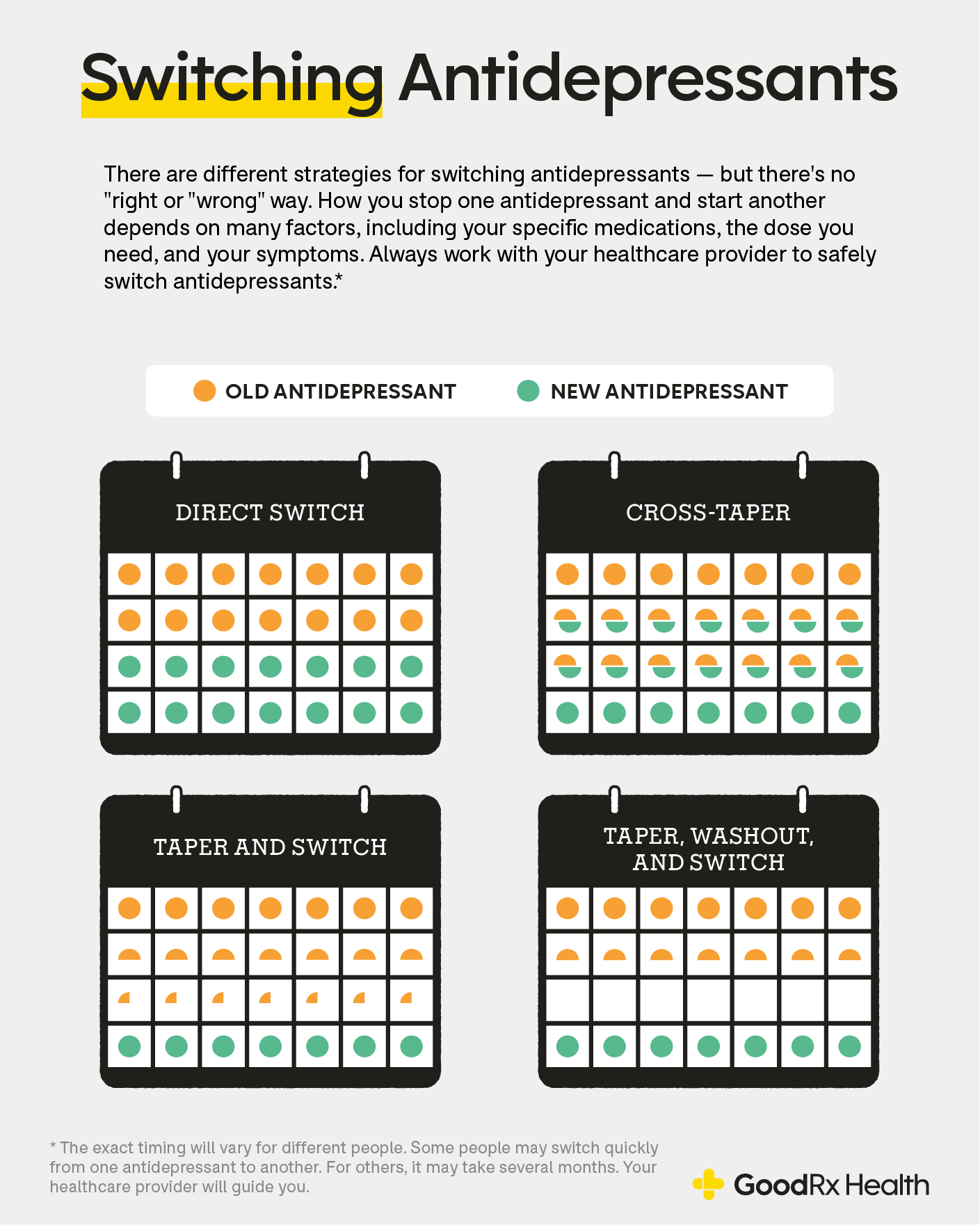
And remember: The best way to stop taking an antidepressant safely is to talk with a healthcare professional first. Together, you can make a plan for tapering off of your medication and for managing any withdrawal symptoms that appear.
Frequently asked questions
It’s hard to say how long emotional blunting lasts after stopping antidepressants. For many people, it will get better within a couple weeks after stopping the medication. But in some cases, it can last for a longer time.
If you’re feeling emotionally numb, talk to a healthcare professional. They can help you understand what to expect over time.
Yes, antidepressants can cause seizures, but it’s rare. The risk is highest right when a person starts taking the medication and when the dose is increased. Taking too much medicine, or having certain brain conditions like epilepsy, can also make seizures more likely.
Antidepressants are generally considered safe medications for most people to try. They’re a first-choice treatment for many different conditions, including depression and anxiety.
Like all medications, antidepressants can have side effects and risks. If you’re interested in trying an antidepressant, talk to a healthcare professional. They can help you understand whether trying an antidepressant could be worthwhile for you.
The bottom line
Antidepressant discontinuation syndrome (ADS) is a group of symptoms that can happen when you stop taking an antidepressant or lower your dose. It’s more likely to happen if you take an antidepressant for more than 6 weeks and with certain types of antidepressants.
If you’re interested in stopping your antidepressant, the best first step is to talk to a healthcare professional. They can guide you in tapering off the medication slowly and safely and help you manage any ADS symptoms that do appear.

Why trust our experts?




References
Corwin, E. (2010). After quitting antidepressants, some people suffer surprising, lingering symptoms. NPR.
Henssler, J., et al. (2019). Antidepressant withdrawal and rebound phenomena. Deutsches Ärzteblatt international.
National Center for Biotechnology Information (2026). PubChem compound summary for CID 3386, fluoxetine.
Rizkalla, M., et al. (2020). Antidepressant discontinuation syndrome: A common but underappreciated clinical problem. Journal of Osteopathic Medicine.
Sørensen, A., et al. (2022). Clinical practice guideline recommendations on tapering and discontinuing antidepressants for depression: A systematic review. Therapeutic Advances in Psychopharmacology.