Key takeaways:
Glucagon-like peptide-1 (GLP-1) medications work by acting like the gut hormone GLP-1. Some medications in this group also act like another hormone called glucose-dependent insulinotropic polypeptide.
GLP-1s help lower blood glucose (blood sugar) and help you feel fuller longer. They also target areas of the brain that balance appetite and food cravings.
GLP-1s affect many other areas of the body, too. Some of these medications can also treat other conditions, including obstructive sleep apnea and certain types of liver disease.
There are ways to save on GLP-1s, including GoodRx coupons and manufacturer savings cards. Subscribers to GoodRx for Weight Loss can also access FDA-approved, brand-name GLP-1 medications.
Glucagon-like peptide-1 (GLP-1) medications are a growing class of medications. They’ve changed the way people manage Type 2 diabetes and approach weight loss. And their utility doesn’t stop there. From treating obstructive sleep apnea to providing cardiovascular protection, GLP-1 medications have many uses.
But how do they treat so many health conditions? And what impact do these medications have on your body? Below are details about how GLP-1s work for weight loss, diabetes, and more.
What are GLP-1s?
GLP-1 receptor agonists (sometimes shortened to GLP-1s) are part of a larger group called incretin-based therapies. They act like natural incretins (gut hormones). GLP-1s act like the GLP-1 hormone in your body.
Examples of GLP-1 receptor agonists include:
Ozempic (semaglutide)
Wegovy (semaglutide)
Rybelsus (semaglutide)
Trulicity (dulaglutide)
Victoza (liraglutide)
Saxenda (liraglutide)
Byetta (exenatide)
Mounjaro (tirzepatide) — also a glucose-dependent insulinotropic polypeptide (GIP) receptor agonist
Zepbound (tirzepatide) — also a GIP receptor agonist
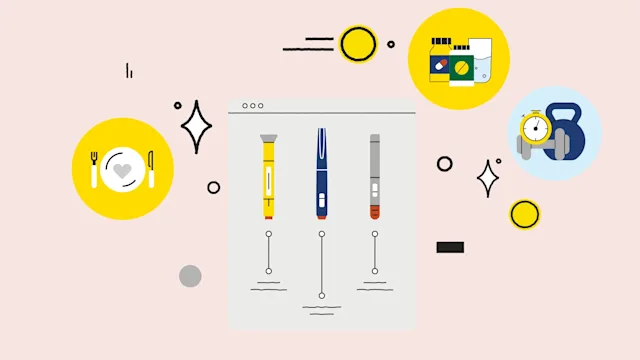
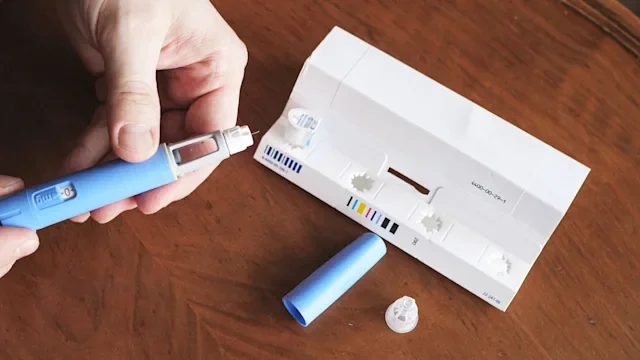
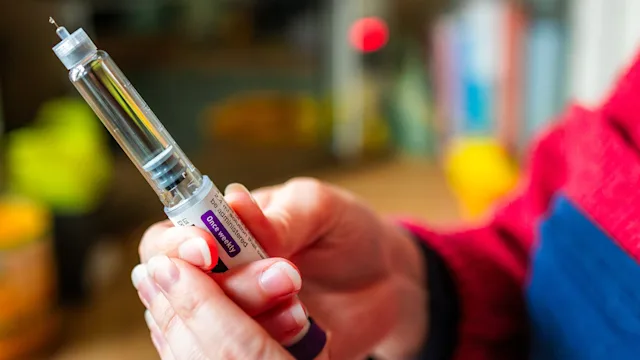
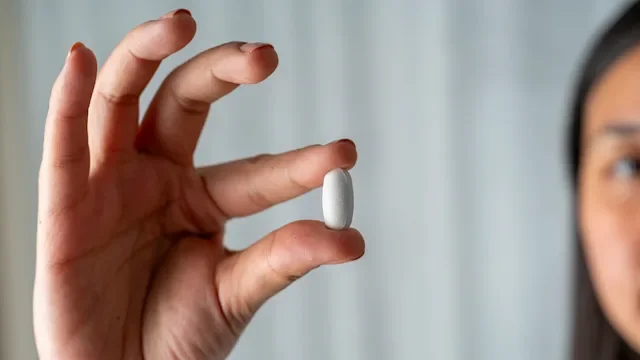
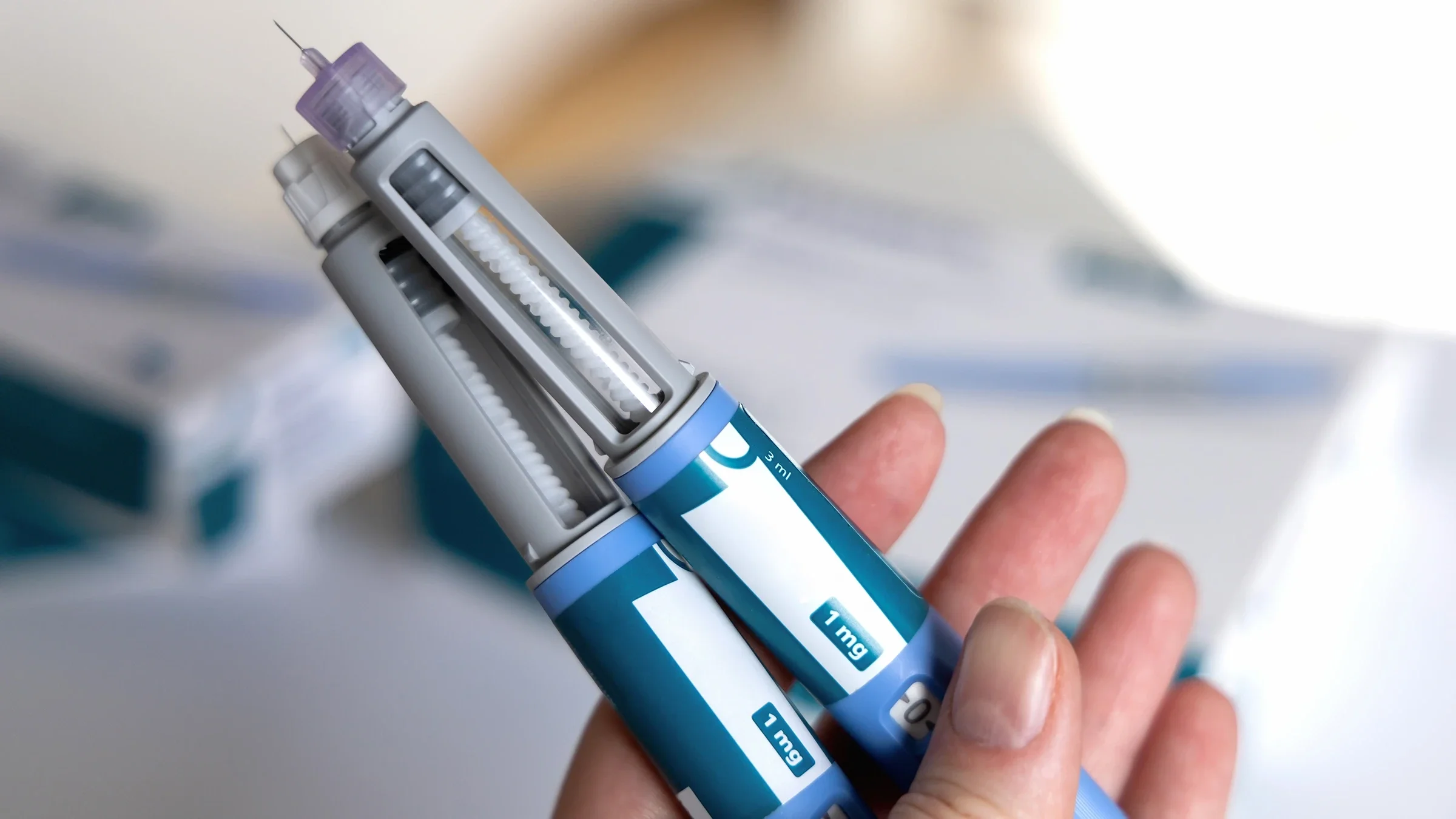
Most GLP-1s are available as beneath-the-skin injections. Many are used once a week. But some need to be injected once or twice a day. Once-daily GLP-1 pills are also available (with more oral options likely to be FDA approved in the future).
What’s the difference between GLP-1s and GIP/GLP-1s?
There are some GLP-1s, such as Mounjaro and Zepbound, that also target a second gut hormone called GIP. These medications are known as dual GIP/GLP-1 receptor agonists. This added target can help boost the effects of the medication. GIP/GLP-1s can lead to more weight loss and better blood glucose (blood sugar) management for some people.
For ease of reading, the term “GLP-1s” in this article refers to all incretin-based therapies, including GIP/GLP-1 medications.
How do GLP-1s work?
GLP-1s work by acting like one or more natural gut hormones in the body. This has several effects, including:
Telling your pancreas to release more insulin when you eat
Telling your liver to make less sugar
Slowing the passage of food through your digestive tract, helping you to feel fuller longer
Targeting areas of your brain that help balance appetite and food cravings
Counteracting certain hunger hormones that contribute to weight gain
These are the primary ways that GLP-1s promote weight loss and help manage Type 2 diabetes. Certain GLP-1s may also reduce levels of chemicals that contribute to inflammation. This is why researchers are studying GLP-1s as potential treatments for inflammatory conditions, such as osteoarthritis and inflammatory bowel disease.
How long does it take GLP-1s to work for weight loss and diabetes?
GLP-1s don’t lower blood sugar or promote weight loss immediately. It can take several months for these medications to provide meaningful results. However, some people report experiencing certain effects, such as feeling fuller, within the first few doses.
With most GLP-1s, the dose you start with is meant to help limit side effects. It doesn’t typically have much effect on blood sugar or body weight. You’ll use this starting dose for a few weeks and then raise it. Your prescriber may suggest additional dose increases, depending on which GLP-1 you’re using and your response.
For Type 2 diabetes, your prescriber should check your hemoglobin A1C (HbA1C or A1C) after you’ve been using a GLP-1 for about 3 months. That’s because your A1C represents your average blood sugar levels over the past 2 to 3 months. Depending on the GLP-1 you’re using and your response to it, you may see an A1C improvement at this time.
For weight loss, it takes about 1 month for most people to notice initial body weight changes. Over the next several months, you’ll likely see more significant results. Studies suggest that most of the weight loss happens over the course of about 6 to 12 months after starting a GLP-1 medication. And continuing with a GLP-1 long term can help you maintain the weight loss.
How do GLP-1s affect your body?
GLP-1s’ primary effects include blood sugar regulation and weight loss. But certain medications in this class have shown additional benefits, such as:
Improved liver scarring and inflammation for people with metabolic dysfunction-associated steatohepatitis (MASH), a type of fatty liver disease
A lower risk of major cardiovascular events — heart attack, stroke, or cardiovascular death — in people with heart disease or risk factors for developing it
Heart and kidney protection for people with Types 2 diabetes and chronic kidney disease
Improved sleep quality and fewer symptoms for people living with obstructive sleep apnea
Improved symptoms and physical functioning in people living with heart failure with preserved ejection fraction (HFpEF)
Improved quality of life and lower risk of condition worsening for certain people living with peripheral artery disease
GLP-1s may have more benefits than these. Researchers are exploring possible benefits for many other conditions, including plaque psoriasis, opioid use disorder, and polycystic ovary syndrome (PCOS).
What are the side effects of GLP-1s?
The most common GLP-1 side effects involve the gastrointestinal (GI) tract, such as:
Nausea and vomiting
Diarrhea
Constipation
Stomach pain
Bloating
Heartburn
Indigestion
These are generally mild and manageable with dietary or lifestyle changes. GI side effects are usually most noticeable shortly after starting the medication or raising your dose. They should improve with time as your body adjusts to the medication.
Serious side effects are rare, but it’s good to know about them. People using GLP-1s have reported the following:
Hypoglycemia (low blood sugar)
Gallbladder problems, including gallstones
Pancreatitis (swelling of the pancreas)
Gastroparesis (slowed stomach emptying)
Bowel obstruction (blockage)
Ileus (paralyzed intestines)
Sudden kidney damage, especially if you’ve been having severe vomiting or diarrhea
Worsening of diabetes eye problems
Allergic reactions
All GLP-1s also have a boxed warning (the FDA’s strictest medication warning) for thyroid C-cell tumors. This warning is based on animal studies of GLP-1 medications. This risk hasn’t been confirmed in human studies. To be safe, people with a personal or family history of medullary thyroid cancer shouldn’t take GLP-1s. You should also avoid these medications if you have an inherited condition called multiple endocrine neoplasia type 2.
These aren’t the only possible GLP-1 side effects. Discuss the potential risks and how to watch out for them with your prescriber.
Quiz: Think you know how to use a GLP-1?
How to save on GLP-1s
There are ways to save on GLP-1 medications. GoodRx can help you navigate your options, including GoodRx discounts, copay savings cards, and patient assistance programs. By searching your medication’s name on GoodRx’s homepage, you can find details for all the savings opportunities available for it.
If you’re new to using GoodRx for semaglutide (Ozempic, Wegovy) savings, pay an introductory price for the first two fills: $199 per month for Ozempic or Wegovy injections, or $149 for the Wegovy pill (only available for certain doses). After that, most ongoing fills are $299 or $349 per month, depending on the medication and dose. You can also access Zepbound (tirzepatide) KwikPens through GoodRx starting at $299 per month.
Subscribers to GoodRx for Weight Loss can also access FDA-approved, brand-name GLP-1 medications such as Wegovy or Zepbound.
Frequently asked questions
You shouldn’t take GLP-1s if you have a personal or family history of medullary thyroid cancer. You also shouldn’t take them if you have an inherited condition called multiple endocrine neoplasia type 2.
You should speak with your prescriber before using a GLP-1 if you:
Have a history of pancreatitis
Have severe GI conditions, such as gastroparesis
Are pregnant or trying to become pregnant
Are nursing
Have had a serious allergic reaction to a GLP-1 before
Have a history of an eating disorder, such as anorexia
Have a history of gallstones
Have eye problems related to diabetes
All GLP-1s are considered safe for most people when used as directed. There’s no GLP-1 medication that’s definitively safer than others. Everyone reacts differently to medications. So it may take some trial and error to find the one that works well for you with the least side effects.
No, Ozempic is one example of a GLP-1 medication. There are several other GLP-1s available, such as Wegovy, Zepbound, and Saxenda.
You shouldn’t take GLP-1s if you have a personal or family history of medullary thyroid cancer. You also shouldn’t take them if you have an inherited condition called multiple endocrine neoplasia type 2.
You should speak with your prescriber before using a GLP-1 if you:
Have a history of pancreatitis
Have severe GI conditions, such as gastroparesis
Are pregnant or trying to become pregnant
Are nursing
Have had a serious allergic reaction to a GLP-1 before
Have a history of an eating disorder, such as anorexia
Have a history of gallstones
Have eye problems related to diabetes
All GLP-1s are considered safe for most people when used as directed. There’s no GLP-1 medication that’s definitively safer than others. Everyone reacts differently to medications. So it may take some trial and error to find the one that works well for you with the least side effects.
The bottom line
Glucagon-like peptide-1 (GLP-1) medications can be helpful for managing Type 2 diabetes or promoting weight loss. GLP-1s work by acting like the gut hormone GLP-1. Some medications in this group also act like a second hormone called glucose-dependent insulinotropic polypeptide (GIP).
GLP-1s help lower blood glucose (blood sugar) and slow the passage of food through your gut. They also target areas of your brain that regulate appetite and food cravings. GLP-1s have many other effects on the body, which make them useful for more than just weight loss and diabetes. Discuss which GLP-1 medication might be right for you with your prescriber.

Why trust our experts?



References
Alharbi, S. H. (2024). Anti-inflammatory role of glucagon-like peptide 1 receptor agonists and its clinical implications. Therapeutic Advances in Endocrinology and Metabolism.
Alqifari, S. F., et al. (2024). Practical guide: Glucagon-like peptide-1 and dual glucose-dependent insulinotropic polypeptide and glucagon-like peptide-1 receptor agonists in diabetes mellitus. World Journal of Diabetes.
American Diabetes Association. (2025). Semaglutide increases walking capacity in patients with peripheral artery disease and Type 2 diabetes. ADA 85th Scientific Sessions.
American Diabetes Association Professional Practice Committee for Diabetes. (2026). 6. Glycemic goals, hypoglycemia, and hyperglycemic crises: Standards of care in diabetes—2026. Diabetes Care.
ClinicalTrials.gov. (2025). Role of semaglutide in restoring ovulation in youth and adults with polycystic ovary syndrome (RESTORE). National Library of Medicine.
ClinicalTrials.gov. (2025). Semaglutide for helping opioid recovery (SHORE). National Library of Medicine.
ClinicalTrials.gov. (2026). Ixekizumab concomitantly administered with tirzepatide in adults with moderate-to-severe plaque psoriasis and obesity or overweight (TOGETHER-PsO). National Library of Medicine.
Decarie-Spain, L., et al. (2021). Ghrelin and glucagon-like peptide-1: A gut-brain axis battle for food reward. Nutrients.
Gonzalez-Rellan, M. J., et al. (2025). The expanding benefits of GLP-1 medicines. Cell Reports Medicine.
Kosiborod, M. N., et al. (2023). Semaglutide in patients with heart failure with preserved ejection fraction and obesity. The New England Journal of Medicine.
Lee, A. A., et al. (2025). Incretin-based therapies through the decades: Molecular innovations and clinical impact. Medical Sciences.
Liu, Q. K. (2024). Mechanisms of action and therapeutic applications of GLP-1 and dual GIP/GLP-1 receptor agonists. Frontiers in Endocrinology.
Thomsen, R. W., et al. (2025). Real‐world evidence on the utilization, clinical and comparative effectiveness, and adverse effects of newer GLP‐1RA‐based weight‐loss therapies. Diabetes, Obesity and Metabolism.
Zheng, Z., et al. (2024). Glucagon-like peptide-1 receptor: Mechanisms and advances in therapy. Signal Transduction and Targeted Therapy.