


10 Oral MS Medications: What to Know About Aubagio, Gilenya, and More
Multiple sclerosis (MS) can be managed with disease-modifying therapies and medications for symptom relief. Learn about 10 oral MS medications, here.
Cladribine injection is a chemotherapy medication used to treat hairy cell leukemia, a rare blood cancer that causes abnormal white blood cells to build up in the body. It’s given into a vein (IV) continuously for 5 to 7 days by a healthcare professional. In some cases, it might be given as a 2-hour infusion once a day for 5 days. Most people only need one course of treatment. Common side effects include fever, tiredness, and nausea.

Cladribine is an antimetabolite chemotherapy. It works by getting inside cancer cells and interfering with how they make and repair DNA. This damages the cancer cells and causes them to die.
| Common Brands | Leustatin |
|---|---|
| Drug Class | Antimetabolite |
| Controlled Substance Classification | Not a controlled medication |
| Generic Status | Lower-cost generic available |
| Availability | Prescription only |

The following side effects may get better over time as your body gets used to the medication. Let your healthcare provider know immediately if you continue to experience these symptoms or if they worsen over time.
Contact your healthcare provider immediately if you experience any of the following.
Side effects that you should report to your care team as soon as possible:
Side effects that usually do not require medical attention (report these to your care team if they continue or are bothersome):




Cladribine can cause some serious health issues. This risk may be even higher for certain groups. If this worries you, talk to your doctor or pharmacist about other options.
Cladribine can cause serious nervous system problems, including severe weakness or paralysis in your arms or legs. These side effects are most common at doses higher than those used for hairy cell leukemia, with symptoms reported about 1 to 3 months after starting high-dose treatment. But they can rarely happen at regular doses too. Contact your care team right away if you develop new weakness, numbness, tingling, or trouble walking.
Cladribine can cause serious kidney problems, especially at doses much higher than the currently approved dose. In studies of high-dose treatment, some people had trouble urinating and needed dialysis. While this is less likely with regular doses, your care team will monitor your kidney health with lab tests during treatment.
Cladribine injection can lower your white blood cells, red blood cells, and platelets. Many people with hairy cell leukemia already have low blood cell counts, and treatment can temporarily lower them even more. Low white blood cells can raise your risk of infection, low platelets can make you bleed or bruise more easily, and low red blood cells can make you feel tired.
Blood cell counts typically drop the most during the first month after treatment, so close monitoring is especially important during the first 4 to 8 weeks. Your care team will check your blood counts regularly. Contact your oncologist if you develop fever, chills, unusual bruising or bleeding, or severe tiredness.
Some people taking cladribine injection have developed serious infections, including pneumonia and sepsis. Your oncologist might recommend medications, such as antibiotics or antivirals, to help prevent infections.
Watch for signs of infection, such as fever, chills, or body aches. Fever is especially important to watch for because cladribine can lower your white blood cell count, making fever the only sign of an infection. Contact your care team right away if your temperature reaches 100.4°F or higher.
Don't receive live vaccines during treatment with cladribine injection. Because the medication weakens your immune system, a live vaccine could cause an infection. Check with your care team before receiving any vaccines during or after treatment.
Although rare, cladribine injection can cause tumor lysis syndrome (TLS). This happens when many cancer cells die quickly and release their contents into the blood. TLS can cause serious problems, including kidney damage and changes in your electrolyte levels. Your care team might monitor you more closely if you’re at risk for this serious condition.
Cladribine hasn’t been studied in human pregnancy. But based on animal studies and how the medication works, it could harm an unborn baby. If you can become pregnant, use effective birth control during treatment. Tell your care team right away if you become pregnant during treatment.

The typical dose is 0.09 mg/kg per day, given as a continuous IV infusion for 7 days in a row. In some cases, you might receive it as a continuous infusion for 5 days or as a 2-hour IV infusion once a day for 5 days, depending on your treatment plan.
Receiving more than one treatment course isn’t recommended.


Prescription savings
Stop paying too much for your prescriptions. Compare prices, get pharmacy coupons, and save up to 80%. Find expert answers to your health questions so you can make the best decisions for yourself and your family.
Health conditions
Medications & treatment
Access & affordability
Medication discounts


Answer: Yes, Cladribine injection is considered a chemotherapy medication. It works by targeting fast-growing cells like cancer cells. More specifically, it belongs to a class of medications called antimetabolites, which damage the DNA inside these cells so they can no longer divide, grow, or survive.
You get Cladribine injection in a hospital or clinic, where a healthcare professional slowly infuses it through an IV line into a vein over 24 hours a day for 7 days in a row. Your cancer care team will closely watch over you during your visit to make sure you stay safe and comfortable.
In general, it takes about 1 to 2 days for most of Cladribine injection to leave your body after treatment. This estimate is based on the medication’s half-life of about 5 to 7 hours. But its effects can last much longer because the medication becomes active and builds up inside certain blood cells.
You can lose hair while receiving Cladribine injection, but it’s not a common side effect. Hair loss from chemotherapy is usually temporary, and your hair will typically start growing back after treatment ends. Keep in mind that your risk of hair loss can also depend on whether you’re receiving other cancer treatments along with Cladribine.
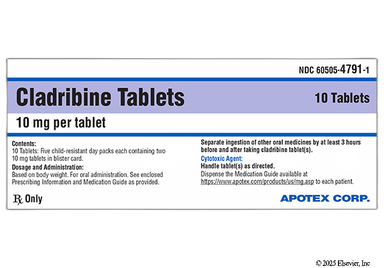
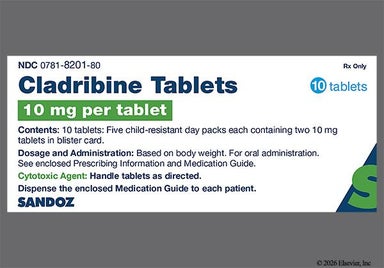
Cladribine injection and tablets contain the same active ingredient but they’re used for different conditions. The injection is a chemotherapy treatment for hairy cell leukemia and is given into a vein (IV) by a healthcare professional. The tablets, also available under the brand name Mavenclad, are taken by mouth to treat certain forms of multiple sclerosis (MS). Because the two forms have different uses, they also have different dosing schedules, risks, and monitoring requirements. Talk to your healthcare professional if you have questions about how the two forms compare.
