


Which Muscle Relaxers Are Best for Neck and Back Pain?
Muscle relaxers are medications that help your muscles unwind, relieving muscle stiffness and pain. Learn the names of common muscle relaxers and how they work.
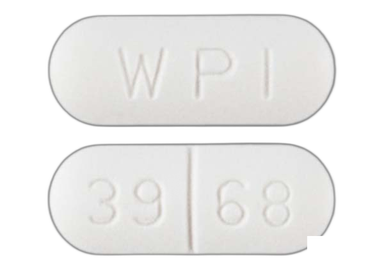
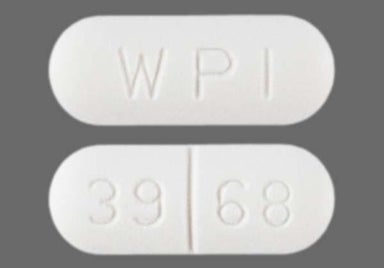
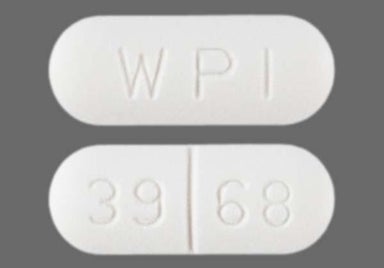
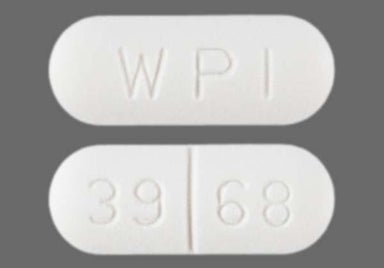
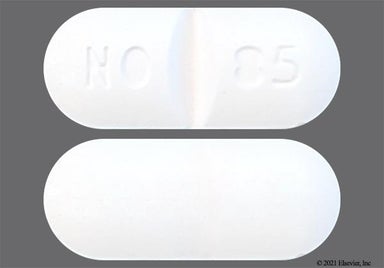
Chlorzoxazone, also known by the now discontinued brand name Lorzone, is a muscle relaxant used to treat sudden muscle pain in adults, along with rest and physical therapy. It's thought to work by calming nerve signals that cause muscles to tighten or cramp. The medication comes in tablet form, and you'll typically take a dose by mouth three or four times a day. Though chlorzoxazone is generally well tolerated, side effects can include drowsiness, dizziness, and feeling lightheaded.

Chlorzoxazone is a muscle relaxant. Experts aren't exactly sure how it works, but it doesn't seem to act directly on the muscles. It's thought to help by calming the nerves that make your muscles tighten or cramp, which can reduce pain and discomfort.
| Common Brands | Lorzone |
|---|---|
| Drug Class | Muscle relaxant |
| Controlled Substance Classification | Not a controlled medication |
| Generic Status | Lower-cost generic available |
| Availability | Prescription only |

The following side effects may get better over time as your body gets used to the medication. Let your healthcare provider know immediately if you continue to experience these symptoms or if they worsen over time.
Contact your healthcare provider immediately if you experience any of the following.
Along with its needed effects, a medicine may cause some unwanted effects. Although not all of these side effects may occur, if they do occur they may need medical attention.
Check with your doctor immediately if any of the following side effects occur:
Rare
Bloody or black, tarry stools
clay-colored stools
dark urine
decreased appetite
difficulty swallowing
dizziness
fast heartbeat
headache
large, hive-like swelling on the face, eyelids, lips, tongue, throat, hands, legs, feet, or sex organs
loss of appetite
puffiness or swelling of the eyelids or around the eyes, face, lips, or tongue
severe stomach pain
shortness of breath
skin rash
swelling of the feet or lower legs
tightness in the chest
unusual tiredness or weakness
vomiting of blood or material that looks like coffee grounds
yellow eyes or skin
Get emergency help immediately if any of the following symptoms of overdose occur:
Some side effects may occur that usually do not need medical attention. These side effects may go away during treatment as your body adjusts to the medicine. Also, your health care professional may be able to tell you about ways to prevent or reduce some of these side effects. Check with your health care professional if any of the following side effects continue or are bothersome or if you have any questions about them:
Rare
Bruising
large, flat, blue, or purplish patches in the skin
small red or purple spots on the skin
Other side effects not listed may also occur in some patients. If you notice any other effects, check with your healthcare professional.
Call your doctor for medical advice about side effects. You may report side effects to the FDA at 1-800-FDA-1088.




Chlorzoxazone can cause some serious health issues. This risk may be even higher for certain groups. If this worries you, talk to your doctor or pharmacist about other options.
Although rare, serious liver damage (including life-threatening cases) has been reported with chlorzoxazone. Stop taking it and contact your prescriber right away if you notice fever, rash, loss of appetite, nausea, vomiting, tiredness, upper right stomach pain, dark urine, or yellowing of your skin or eyes. Your prescriber might also check your liver enzymes during treatment.
Don’t drink alcohol or take medications that make you sleepy — like sleep aids, anxiety medications, or strong painkillers — while taking chlorzoxazone unless your prescriber says it’s okay. Taking them together can make you extra sleepy, dizzy, or even slow your breathing, which can be dangerous. Always check with your prescriber or pharmacist before combining medications.
Use chlorzoxazone carefully if you’ve ever had an allergic reaction to medications. If you notice itching, redness, or hives, stop taking the medication and call your prescriber right away.


Although certain medicines should not be used together at all, in other cases two different medicines may be used together even if an interaction might occur. In these cases, your doctor may want to change the dose, or other precautions may be necessary. When you are taking this medicine, it is especially important that your healthcare professional know if you are taking any of the medicines listed below. The following interactions have been selected on the basis of their potential significance and are not necessarily all-inclusive.
Using this medicine with any of the following medicines is usually not recommended, but may be required in some cases. If both medicines are prescribed together, your doctor may change the dose or how often you use one or both of the medicines.
Using this medicine with any of the following medicines may cause an increased risk of certain side effects, but using both drugs may be the best treatment for you. If both medicines are prescribed together, your doctor may change the dose or how often you use one or both of the medicines.


Prescription savings
Stop paying too much for your prescriptions. Compare prices, get pharmacy coupons, and save up to 80%. Find expert answers to your health questions so you can make the best decisions for yourself and your family.
Health conditions
Medications & treatment
Access & affordability
Medication discounts


Always talk with your healthcare team before taking new medications after a gastric bypass surgery. A research study found that taking Chlorzoxazone after this type of surgery can cause your body to absorb more of the medication than usual. This might happen because the surgery could change how your body breaks down certain medications. To lower your chance of side effects or other problems, ask your prescriber if Chlorzoxazone is safe for you to take after surgery.
No, Chlorzoxazone isn't a controlled substance. This means it doesn't have a high risk of misuse and addiction.
Chlorzoxazone can interact with many other medications, so it's important to make sure your prescriber and pharmacist have a full list of your medications before you start. Be extra careful if you're taking other medications that can make you sleepy, especially if you need to drive or do anything that requires focus. Combining these medications can be dangerous.
Drinking alcohol while taking Chlorzoxazone can make side effects like dizziness and drowsiness worse. This could put you at risk if you need to drive or do anything that requires concentration. To stay safe, it’s best to avoid alcohol while using Chlorzoxazone.
Yes, you can usually take Chlorzoxazone with ibuprofen. These two medications work in different ways —ibuprofen helps reduce inflammation and pain, while Chlorzoxazone is a muscle relaxant that helps calm muscle spasms. In fact, they are often prescribed together for muscle pain. But you should still check with your prescriber, especially if you have other health conditions or are taking other medications that could interact.
Chlorzoxazone starts to show up in the blood within 30 minutes and reaches its highest levels around 1 to 2 hours after taking it. But pain relief can vary from person to person. Some people might feel better quickly, while others might take a little longer depending on their health, condition, or other medications they’re taking. If you’re not noticing improvement after a few doses, it’s a good idea to check in with your prescriber.
