




What Is Gynecomastia and Which Medications Can Cause It in Men?
Gynecomastia is a condition in which men develop enlarged breast tissue. Certain medications can cause the condition. Read on to learn more.

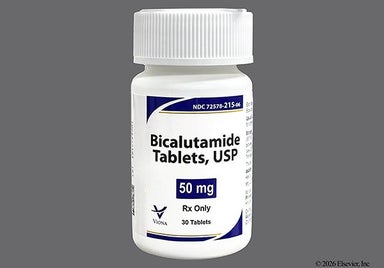
Bicalutamide (Casodex) is a hormonal therapy known as an androgen receptor inhibitor or antiandrogen. It treats prostate cancer by blocking testosterone in the body. While it's FDA-approved to treat metastatic prostate cancer, it's also one of the recommended options (off-label) for early-stage prostate cancer as well. Bicalutamide (Casodex) is taken by mouth once a day. Usually, people also need to take another medication called luteinizing hormone-releasing hormone (LHRH) agonist during treatment. Some of the more common side effects of bicalutamide (Casodex) include hot flashes, pain, and weakness.

Most prostate cancer cells need testosterone to grow and spread. Testosterone is a type of male sex hormone called an androgen.
Bicalutamide (Casodex) is an androgen receptor inhibitor (antiandrogen), a type of hormone therapy that works by blocking testosterone from binding to prostate cancer cells. Without testosterone, cancer cells won’t have the "fuel" they need to spread.
| Common Brands | Casodex |
|---|---|
| Drug Class | Androgen receptor inhibitor |
| Controlled Substance Classification | Not a controlled medication |
| Generic Status | Lower-cost generic available |
| Availability | Prescription only |

The following side effects may get better over time as your body gets used to the medication. Let your healthcare provider know immediately if you continue to experience these symptoms or if they worsen over time.
Note: These side effects are from people taking bicalutamide (Casodex) with a LHRH agonist, and might not be from bicalutamide (Casodex) alone
Contact your healthcare provider immediately if you experience any of the following.
Along with its needed effects, a medicine may cause some unwanted effects. Although not all of these side effects may occur, if they do occur they may need medical attention.
Check with your doctor immediately if any of the following side effects occur:
More common
Bloating or swelling of the face, arms, hands, lower legs, or feet
blood in the urine
blurred vision
body aches or pain
chills
congestion
cough producing mucus
difficult or labored breathing
dizziness
dryness or soreness of the throat
headache
hoarseness
lower back or side pain
nervousness
painful or difficult urination
pounding in the ears
rapid weight gain
slow or fast heartbeat
sweating
tender, swollen glands in the neck
tightness in the chest
tingling of the hands or feet
trouble with swallowing
unusual weight gain or loss
voice changes
Less common
Abnormal growth filled with fluid or semisolid material
ankle, knee, or great toe joint pain
arm, back, or jaw pain
bleeding from the rectum or bloody stools
blindness
bloody nose
burning feeling while urinating
burning, tingling, numbness, or pain in the hands, arms, feet, or legs
change in bowel habits
chest pain, discomfort, tightness or heaviness
confusion
decrease in frequency of urination
decrease in urine volume
decreased vision
difficulty in passing urine (dribbling)
difficulty with swallowing or eating
dilated neck veins
fainting
irregular breathing or heartbeat
joint stiffness or swelling
lightheadedness
loss of appetite
lump or swelling in the abdomen or stomach
no blood pressure or pulse
noisy breathing
pain or discomfort in the arms, jaw, back, or neck
painful blisters on the trunk of the body
persistent, non-healing sore
rapid, shallow breathing
reddish patch or irritated area
sensation of pins and needles
shiny bump
stabbing pain
stomach discomfort
stopping of the heart
sunken eyes
thirst
tumor
unconsciousness
unexplained weight loss
unusual tiredness or weakness
vomiting
white, yellow, or waxy scar-like area
wrinkled skin
yellow skin or eyes
Incidence not known
Bleeding gums
coughing up blood
hives or welts, itching, skin rash
increased menstrual flow or vaginal bleeding
large, hive-like swelling on the face, eyelids, lips, tongue, throat, hands, legs, feet, or sex organs
paralysis
prolonged bleeding from cuts
red or black, tarry stools
red or dark brown urine
redness of the skin
Some side effects may occur that usually do not need medical attention. These side effects may go away during treatment as your body adjusts to the medicine. Also, your health care professional may be able to tell you about ways to prevent or reduce some of these side effects. Check with your health care professional if any of the following side effects continue or are bothersome or if you have any questions about them:
More common
Belching
breast pain
decreased interest in sexual intercourse
difficulty with moving
hair loss or thinning of the hair
inability to have or keep an erection
indigestion
leg cramps
loss in sexual ability, desire, drive, or performance
loss of strength or energy
muscle ache, cramp, pain, or weakness
pain in the pelvis
pain or tenderness around the eyes and cheekbones
passing of gas
sleepiness or unusual drowsiness
stomach pain or fullness
stuffy or runny nose
swelling of the breasts or breast soreness in both females and males
Other side effects not listed may also occur in some patients. If you notice any other effects, check with your healthcare professional.
Call your doctor for medical advice about side effects. You may report side effects to the FDA at 1-800-FDA-1088.




Bicalutamide (Casodex) can cause some serious health issues. This risk may be even higher for certain groups. If this worries you, talk to your doctor or pharmacist about other options.
Although rare, bicalutamide (Casodex) can cause serious liver damage. This usually happens within 3 to 4 months of starting treatment. Because of this risk, your provider will do blood work to monitor your liver before you start and during treatment with bicalutamide (Casodex). Let your provider know right away if you experience symptoms of liver problems, such as tiredness, loss of appetite, nausea or vomiting, dark urine, right-side stomach pain, or yellowing of the eyes or skin, because you might have to stop taking bicalutamide (Casodex).
Bicalutamide (Casodex) can raise your risk for serious bleeds if you’re also taking the blood thinner warfarin (Coumadin).This can happen even if you were previously stable on your dose of warfarin (Coumadin). Serious bleeds can happen days to weeks after starting bicalutamide (Casodex). You might need to check your international normalized ratio (INR) more regularly to make sure your warfarin dose is right for you while you’re on bicalutamide (Casodex). Seek medical help right away if you have sudden weakness or numbness in your body, severe headache, confusion, dizziness, seizures, changes in vision, loss of balance, slurred speech, throwing up blood, or bloody or black and tarry stools. These can be signs of serious bleeds and need to be treated immediately.
Bicalutamide (Casodex) can cause breast enlargement, tenderness, and pain if you take doses that are higher than what's typically recommended. Talk with your provider if you experience breast pain or tenderness.
When you take bicalutamide (Casodex) with LHRH agonists, your body might have a difficult time controlling your blood sugar, and this can result in high blood sugar. You and your provider should monitor your blood sugars more closely, especially if you have diabetes. If you’re taking medications to control your blood sugar, your dose might need to be adjusted depending on your blood sugar levels. Let your provider know if you become more thirsty or hungry, urinating more, or have headaches and blurry vision.

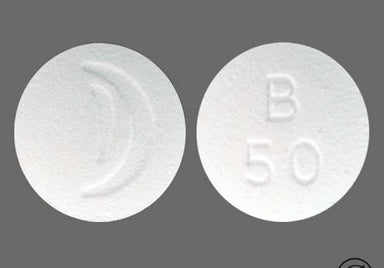
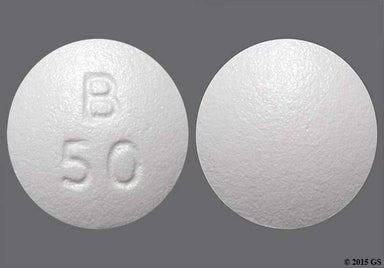
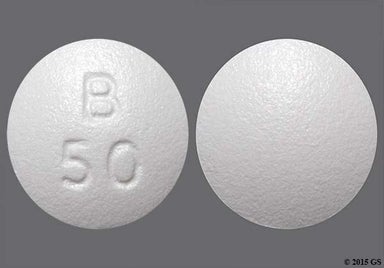
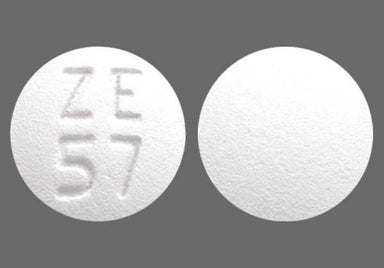
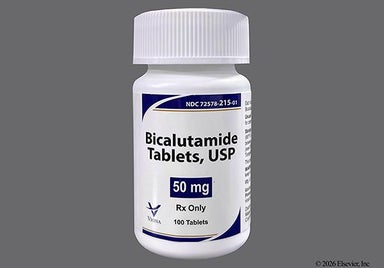
 Tablet
| Dosage | Quantity | Price as low as | Price per unit |
|---|---|---|---|
| 50mg | 30 tablets | $22.39 | $0.75 |

Although certain medicines should not be used together at all, in other cases two different medicines may be used together even if an interaction might occur. In these cases, your doctor may want to change the dose, or other precautions may be necessary. When you are taking this medicine, it is especially important that your healthcare professional know if you are taking any of the medicines listed below. The following interactions have been selected on the basis of their potential significance and are not necessarily all-inclusive.
Using this medicine with any of the following medicines is usually not recommended, but may be required in some cases. If both medicines are prescribed together, your doctor may change the dose or how often you use one or both of the medicines.


Contraindications are specific health conditions or situations in which a person should not take a medication due to safety concerns. If you have any of the following conditions or if any of the following apply to you, let your healthcare provider know because Bicalutamide (Casodex) will not be safe for you to take.





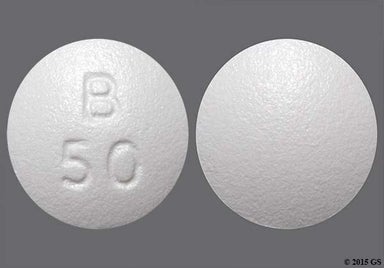
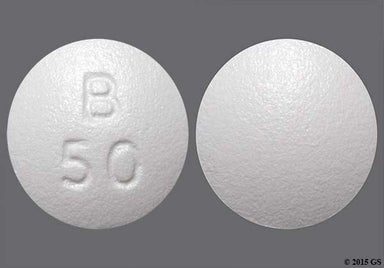
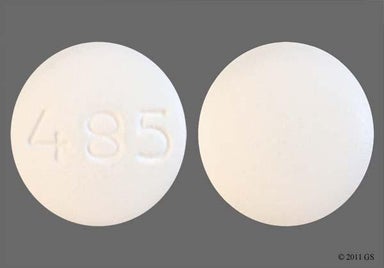
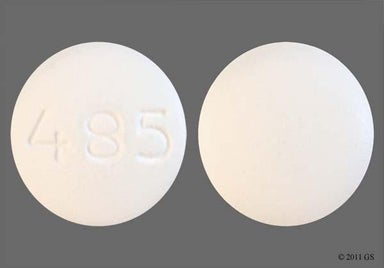
Prescription savings
Stop paying too much for your prescriptions. Compare prices, get pharmacy coupons, and save up to 80%. Find expert answers to your health questions so you can make the best decisions for yourself and your family.
Health conditions
Medications & treatment
Access & affordability
Medication discounts

No, Bicalutamide is not considered a chemotherapy medication. Chemotherapy works by attacking any cell in your body that grows quickly, including cancer cells. But Bicalutamide doesn’t work this way. Instead, bicalutamide is a hormone therapy known as an antiandrogen. It treats prostate cancer by blocking testosterone from binding to receptors on cancer cells. In doing so, Bicalutamide stops prostate cancer cells from growing.
Bicalutamide doesn’t cure prostate cancer, but can slow down its growth. Most commonly, Bicalutamide is prescribed to help people with advanced or metastatic prostate cancer live longer. But sometimes, providers might prescribe Bicalutamide off-label to people with early-stage prostate cancer after surgery to help prevent prostate cancer from coming back.
Typically, Bicalutamide will lower your prostate specific antigen (PSA). If you have prostate cancer and your PSA level is high, starting treatment with Bicalutamide usually lowers your PSA as the cancer cells slow down or stop growing. Your provider will monitor your PSA level while you’re taking Bicalutamide. If your PSA starts to rise again after starting treatment, they might recommend you switch to a different treatment to bring it down again.
When you start Bicalutamide, you might notice certain side effects of the medication caused by hormone changes in the body. The most common side effect is hot flashes, or a sudden feeling of heat in your face and chest. Your provider might recommend a medication called venlafaxine (Effexor) to help manage hot flashes. You might also feel tired and weak. If so, your provider might recommend some exercises and ask you to take short rest breaks as needed. If you have serious side effects or don’t feel well while taking Bicalutamide, talk with your provider.
You should take Bicalutamide as long as instructed by your provider because the duration can differ depending on how serious your cancer is. Usually, your provider will recommend that you take Bicalutamide for as long as it’s working to control the spread of the cancer and isn’t causing serious side effects. But in certain situations, providers might recommend some people to take it together with radiation for a total of two years. Talk to your provider if you’re unsure how long you should take Bicalutamide, and don’t stop taking Bicalutamide without first talking with your provider.
Let your provider know if you experience hot flashes while taking Bicalutamide and they can suggest ways to help you manage this side effect both with and without medications. Medications that can ease your hot flashes include gabapentin (Neurontin) and venlafaxine (Effexor). But these medications can cause additional side effects that you might find bothersome, including nausea, tiredness, or dizziness. If you want to avoid medications, ask your provider about relaxation techniques, breathing exercises, behavioral therapy, and hypnosis, to cope with hot flashes. You can also try wearing loose-fitting clothing or using fans to keep cool.
It's best if you can avoid drinking alcohol while taking Bicalutamide. This is because drinking alcohol can worsen some of the side effects of this medication, such as hot flashes, nausea, and weakness. In addition, drinking too much alcohol can raise the risk for liver damage, which is a also a side effect of Bicalutamide. If you drink alcohol regularly and it's difficult for you to stop, ask your provider what might be a safer amount to drink.
No, people taking Bicalutamide don’t typically lose their hair. If you do notice unexpected hair loss or thinning while taking Bicalutamide, talk to your provider. There might be other causes they want to look into.
