



How to Choose the Best Blood Pressure Medication for You
Certain blood pressure medications are better suited to you than others, depending on your age, race, and blood pressure reading. Learn more here.
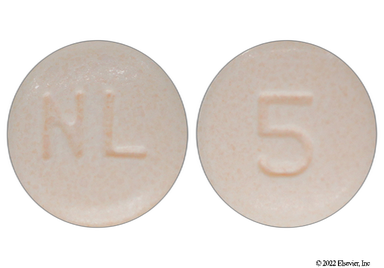
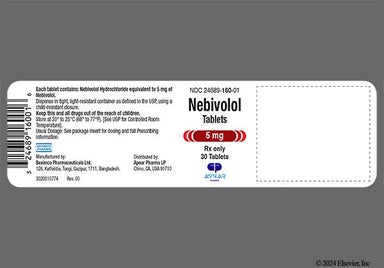
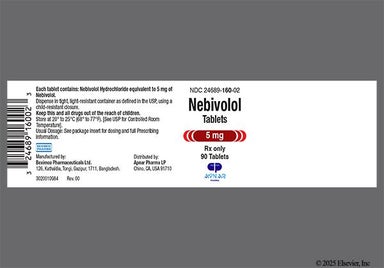
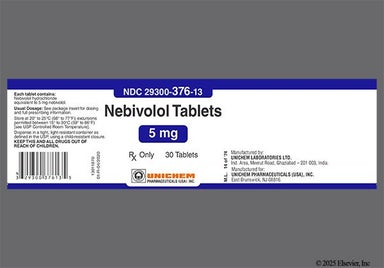
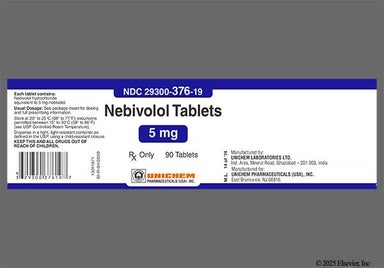
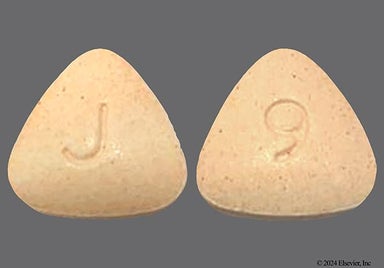
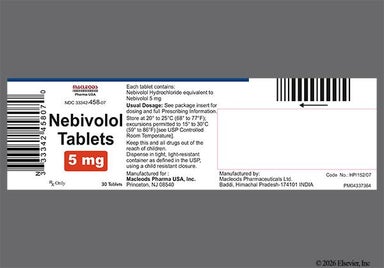
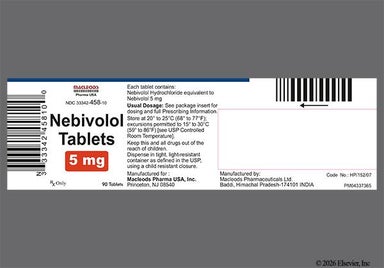
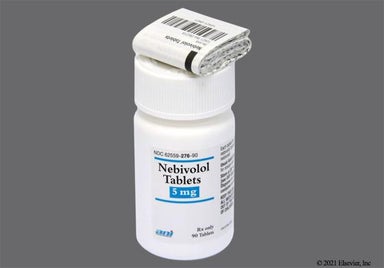
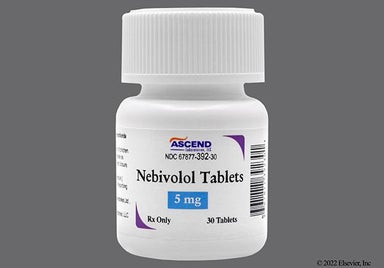
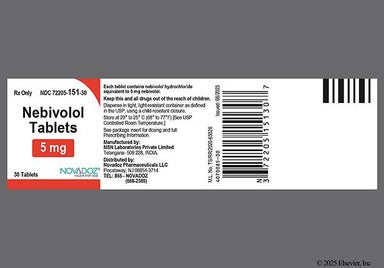
Nebivolol (Bystolic) is a beta blocker. It's used to treat high blood pressure in adults, but it's not a first-choice medication for this condition. The typical dose is to take one tablet by mouth daily. Some of the more common side effects of nebivolol (Bystolic) include dizziness and tiredness. Don't drink alcohol while taking this medication because doing so can worsen dizziness. Nebivolol (Bystolic) is less likely to cause erectile dysfunction and weight gain compared to other beta blockers. It's available as both brand name Bystolic and generic nebivolol.

Nebivolol (Bystolic) is a beta blocker. It mainly works by blocking certain receptors on the heart, which slows down heart rate and lowers blood pressure. Nebivolol (Bystolic) is unique from other beta blockers since it also relaxes blood vessels to further lower blood pressure.
| Common Brands | Bystolic |
|---|---|
| Drug Class | Beta blocker |
| Controlled Substance Classification | Not a controlled medication |
| Generic Status | Lower-cost generic available |
| Availability | Prescription only |

The following side effects may get better over time as your body gets used to the medication. Let your healthcare provider know immediately if you continue to experience these symptoms or if they worsen over time.
Contact your healthcare provider immediately if you experience any of the following.
Along with its needed effects, a medicine may cause some unwanted effects. Although not all of these side effects may occur, if they do occur they may need medical attention.
Check with your doctor immediately if any of the following side effects occur:
Less common
Bloating or swelling of the face, arms, hands, lower legs, or feet
chest pain or discomfort
difficult or labored breathing
lightheadedness, dizziness, or fainting
rapid weight gain
shortness of breath
slow or irregular heartbeat
tightness in the chest
tingling of the hands or feet
unusual tiredness or weakness
unusual weight gain or loss
Get emergency help immediately if any of the following symptoms of overdose occur:
Symptoms of overdose
Absence of or decrease in body movement
blue lips, fingernails, or skin
blurred vision
chills
cold sweats
coma
confusion
cool, pale skin
decreased urine output
dilated neck veins
dizziness, faintness, or lightheadedness when getting up suddenly from a lying or sitting position
extreme fatigue
fast heartbeat
headache
increased hunger
increased sweating
increased thirst
irregular, fast or slow, or shallow breathing
loss of appetite
mood changes
muscle pain or cramps
nausea or vomiting
nervousness
nightmares
noisy breathing
numbness in the hands, feet, or lips
seizures
shakiness
slurred speech
troubled breathing
vomiting
Some side effects may occur that usually do not need medical attention. These side effects may go away during treatment as your body adjusts to the medicine. Also, your health care professional may be able to tell you about ways to prevent or reduce some of these side effects. Check with your health care professional if any of the following side effects continue or are bothersome or if you have any questions about them:
More common
Mild headache
Other side effects not listed may also occur in some patients. If you notice any other effects, check with your healthcare professional.
Call your doctor for medical advice about side effects. You may report side effects to the FDA at 1-800-FDA-1088.




Nebivolol (Bystolic) can cause some serious health issues. This risk may be even higher for certain groups. If this worries you, talk to your doctor or pharmacist about other options.
Never stop taking nebivolol (Bystolic) suddenly without talking to your prescriber, especially if you have heart disease. Doing so can cause irregular heart rhythm, high blood pressure, and poor blood circulation to your heart. It can also raise your risk of chest pain or heart attack. If you need to stop taking nebivolol (Bystolic), work with your prescriber to lower your dose gradually over time, typically over 1 to 2 weeks.
Beta-blocker medications like nebivolol (Bystolic) are generally not recommended for people with bronchospastic conditions, like asthma, because it can trigger difficulty breathing. Nebivolol (Bystolic) has a lower risk of triggering this side effect because it tends to target the heart and not the lungs. But nebivolol (Bystolic) should only be taken under careful supervision of a healthcare professional (HCP) if you have any conditions that can cause breathing problems.
Taking nebivolol (Bystolic) can make it difficult for you to identify symptoms of low blood sugar, such as fast heart beat or tremors. If you’re taking medications, like glipizide or insulin, to lower your blood sugar, you might not be able to rely on all the typical symptoms of low blood sugar (e.g., irritability, sight tremors, confusion, and fast heartbeat) to warn you of a dangerous drop in your sugar levels. Sweating might be the only symptom not affected by taking nebivolol (Bystolic). Speak with your healthcare provider about when and how to monitor your blood sugar if you start nebivolol (Bystolic).
Nebivolol (Bystolic) can hide signs of hyperthyroidism, especially a fast heart rate. It's important to talk to your HCP before stopping nebivolol (Bystolic) suddenly, since doing so can worsen thyroid problems.
Both beta-blockers and medications used for anesthesia can lower your heart rate. So, if you’re planning to undergo a major surgery that requires anesthesia, tell your surgeon that you’re on nebivolol (Bystolic) so that they can monitor your heart closely.
Beta blockers like nebivolol (Bystolic) can lessen your response to life-saving treatments of severe allergic reactions (anaphylaxis). They can also cause your allergic reaction to be more severe than usual. Discuss all of your allergies with your HCP and a plan on what to do if you experience an allergic reaction while taking nebivolol (Bystolic).


Although certain medicines should not be used together at all, in other cases two different medicines may be used together even if an interaction might occur. In these cases, your doctor may want to change the dose, or other precautions may be necessary. When you are taking this medicine, it is especially important that your healthcare professional know if you are taking any of the medicines listed below. The following interactions have been selected on the basis of their potential significance and are not necessarily all-inclusive.
Using this medicine with any of the following medicines is usually not recommended, but may be required in some cases. If both medicines are prescribed together, your doctor may change the dose or how often you use one or both of the medicines.
Using this medicine with any of the following medicines may cause an increased risk of certain side effects, but using both drugs may be the best treatment for you. If both medicines are prescribed together, your doctor may change the dose or how often you use one or both of the medicines.


Contraindications are specific health conditions or situations in which a person should not take a medication due to safety concerns. If you have any of the following conditions or if any of the following apply to you, let your healthcare provider know because Nebivolol (Bystolic) will not be safe for you to take.










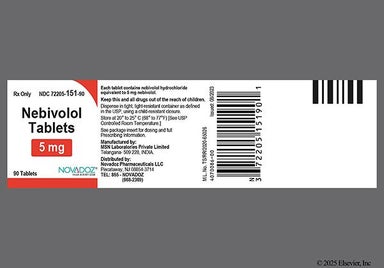
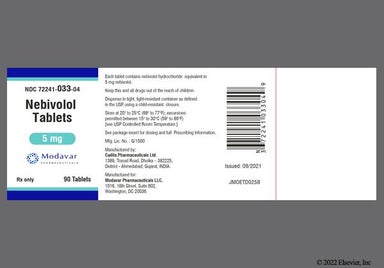
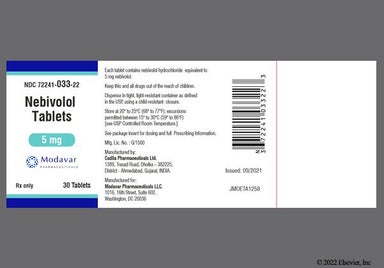
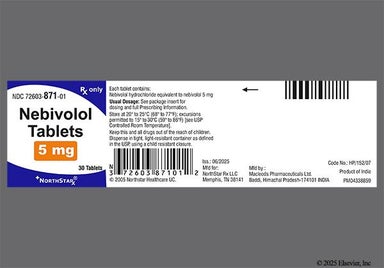
Prescription savings
Stop paying too much for your prescriptions. Compare prices, get pharmacy coupons, and save up to 80%. Find expert answers to your health questions so you can make the best decisions for yourself and your family.
Health conditions
Medications & treatment
Access & affordability
Medication discounts

People who take Nebivolol typically don't report weight gain as a side effect. There are other beta blockers that are more likely to cause weight gain. To lower your risk of weight gain while taking Nebivolol, it's important to eat a nutritious diet and try to do 30 minutes of moderate-intensity exercise for 5 days a week. Tell your healthcare team if you notice a sudden change in your weight while taking this medication so they can help figure out the cause and let you know if you need more medical attention.
Typically, Nebivolol is taken just once a day. One dose will work to control your blood pressure throughout the entire day. It doesn't matter if you take your dose in the morning or the evening, but it's important to be consistent with when you take it each day.
People who took Nebivolol in clinical studies didn't report hair loss (alopecia) as a side effect. If you experience hair loss while taking this medication, speak with your healthcare professional (HCP) and they can help determine the cause.
Ask your healthcare team to help you check for medication interactions before you start Nebivolol. There are certain medications that can interact with Nebivolol. Most of the time, you don't need to avoid taking them with Nebivolol, but your care team might adjust the doses of certain medications and monitor you more closely for side effects. Examples of these include some antidepressants, like fluoxetine (Prozac) and paroxetine (Paxil). There are a few medications you might need to avoid completely while taking Nebivolol, and these include other beta blockers and clonidine.
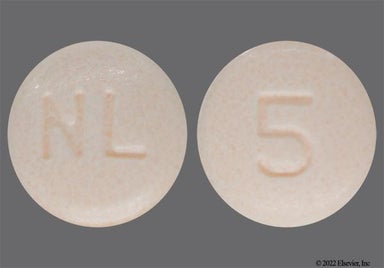
You can tell if your Nebivolol can be split in half if it's scored, meaning if it has a line down the middle showing where it should be split. If so, you're recommended to use a pill cutter to help you split the tablet evenly. If your Nebivolol doesn't have a score line, ask your healthcare team if it's possible for you to cut the medication in half.
It's best to avoid drinking alcohol while you're taking Nebivolol. Drinking alcohol regularly can raise your blood pressure, and this will make it harder for Nebivolol to work to control your blood pressure. Additionally, drinking alcohol can worsen certain side effects, like dizziness, lightheadedness, and fainting.
In one study that lasted over 9 months, people who only took Nebivolol for blood pressure saw a drop in their systolic and diastolic blood pressures by about 15 mmHg each. In a separate study looking at people who were already taking other blood pressure medications, adding Nebivolol dropped their systolic blood pressure by about 4 mmHg to 6 mmHg, and diastolic blood pressure by about 3 mmHg to 5mmHg. Your healthcare team can talk with you about what you might expect after starting Nebivolol.
You might notice your blood pressure going down within 2 weeks of starting Nebivolol. Typically, your healthcare team will have you start at a lower dose to minimize the risk of side effects, like dizziness and tiredness. And if needed, they'll raise your dose every couple of weeks until your blood pressure is within a goal range. You might need to stay at a certain dose of Nebivolol for 2 to 8 weeks to experience the maximum benefit. Remember, not everyone responds to medications the same way. When you first start Nebivolol, it's best to check your blood pressure regularly and share your numbers with your healthcare team at your appointments so they know how to best adjust your dose.
