



Prescription-Strength Tylenol: What You Need to Know
Learn which forms of Tylenol (acetaminophen) need a prescription. We’ll also discuss maximum dosage recommendations and how much acetaminophen is in prescription and OTC products.
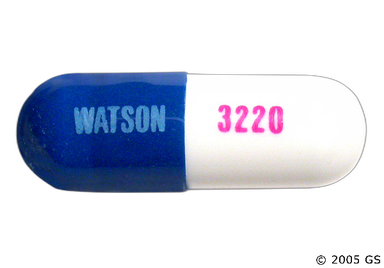
Fioricet with Codeine is used to treat tension headaches when other medications haven't worked. It's a combination medication that can become habit-forming if used over a long period of time. It can also worsen headaches if overused, so it's not the first-choice option for treating tension headaches.

Fioricet with Codeine combines four medications to help relieve tension headaches. Tension headaches are generally related to stress and cause muscle tightness and pain around your forehead and neck.
| Common Brands | Fioricet with Codeine |
|---|---|
| Drug Class | Barbiturate / Analgesic / Adenosine antagonist / Opioid |
| Controlled Substance Classification | Schedule III |
| Generic Status | Lower-cost generic available |
| Availability | Prescription only |

Fioricet with Codeine can cause some serious health issues. This risk may be even higher for certain groups. If this worries you, talk to your doctor or pharmacist about other options.
 Taking Fioricet with Codeine can lead to abuse, misuse, or addiction, even if you take it at the recommended dose. This can cause serious problems, such as overdose and death. Because of this risk, the FDA requires this medication and all other medications containing opioids, like codeine, to be under a Risk Evaluation and Mitigation Strategy (REMS) program. This means your healthcare provider or pharmacist will talk to you about the proper use, serious risks, and appropriate storage and disposal of this medication in order to keep you and your loved ones safe.
Fioricet with Codeine can cause serious breathing problems (respiratory depression) and lead to death if not treated right away. If you or your loved one has shortness of breath, wheezing, slowed breathing, tiredness or sleepiness during the day, anxiety, or confusion, call for emergency medical help right away. This risk can occur at any time but it's greatest during the first 1-3 days of starting Fioricet with Codeine and after increases in dosages.
 Talk to your pharmacist or healthcare provider about naloxone (Narcan), which can be used in emergency situations for Fioricet with Codeine overdose. Even if you use naloxone for an overdose, you'll still have to call for emergency medical help because it's effects are temporary and only last for a few minutes.
If you have a history of alcohol use or severe lung conditions, talk to your healthcare provider before starting Fioricet with Codeine. Your provider might switch you to a non-opioid medication if necessary.
Fioricet with Codeine can cause
life-threatening breathing problems (respiratory depression) and death in children, especially those younger than 12 years. Some children have genes that break down codeine faster in their body than others, so this raises their amount of exposure to the medication. The risk is even greater in children ages 12 to 18 years after certain surgeries, like tonsil or adenoid removal. If your child has obstructive sleep apnea, obesity, or severe lung conditions, discuss the risks and benefits of using Fioricet with Codeine with your child's healthcare provider. Work with your child's provider to use the lowest dose of Fioricet with Codeine for the shortest period of time to lower your child's risk of life-threatening breathing problems. If your child has shortness of breath, wheezing, slowed breathing, tiredness or sleepiness during the day, anxiety, or confusion, call for emergency medical help right away.
Taking even one more dose of Fioricet with Codeine than prescribed can lead to deadly overdose, especially in children. You should never take more than 6 capsules of Fioricet with Codeine per day. Symptoms of an overdose include, slowed breathing, small pupils, blue lips and fingertips, pale face, sweating, choking, or unresponsiveness. If you or anyone around you accidentally overdoses on Fioricet with Codeine, get emergency medical help or call your local poison control center at 1-800-222-1222 right away.
Taking Fioricet with Codeine with alcohol or medications such as benzodiazepines for anxiety, sleep medications, muscle relaxers, and other opioids, can slow down brain activity and cause severe sleepiness, slowed breathing, coma, and death. If you take any of these medications, work with your healthcare provider to take the lowest and safest doses. Due to excessive sleepiness and dizziness, don't drive or use any heavy machinery until you know how Fioricet with Codeine affects you. Call for emergency medical help right away if you have symptoms such as sleepiness, dizziness, low heart rate, slowed breathing, muscle weakness, headache, slurred speech, blurred vision, or confusion.
Long-term use of Fioricet with Codeine during pregnancy or during labor can cause neonatal opioid withdrawal syndrome, which is a life-threatening condition in newborn babies. It's important to recognize and treat this condition right away by watching your newborn baby for symptoms such as, irritability, overactivity, abnormal sleeping patterns, excessive or high-pitched crying, body shaking (tremor), vomiting, diarrhea, inability to gain weight, breathing problems, fever, sweating, or seizures. If you're pregnant or breastfeeding, don't use Fioricet with Codeine without discussing the risks and benefits with your healthcare provider because it could potentially harm your baby.
Fioricet with Codeine interacts with many medications, causing the levels of those medications to either go up or down in your body. Using Fioricet with Codeine with antibiotics, such as erythromycin, or antifungals, such as fluconazole (Diflucan), can lead to higher levels of Fioricet with Codeine, which can cause life-threatening breathing problems. On the other hand, taking medications like rifampin (Rifadin), carbamezapine (Tegretol), and phenytoin (Dilantin) can lower Fioricet with Codeine levels and lessen the effects of the medication, which can cause opioid withdrawal symptoms, such as restlessness, sweating, chills, anxiety, nervousness, high blood pressure, or seizures. Ask your pharmacist or healthcare provider before starting or stopping any medications while taking Fioricet with Codeine for your safety.
Fioricet with Codeine contains acetaminophen (Tylenol), and taking too much acetaminophen (Tylenol) can lead to liver failure and even death. You shouldn't take more than 4000 mg of acetaminophen (Tylenol) per day. Your risk of liver damage is higher if you drink alcohol while taking acetaminophen (Tylenol). If you have a history of liver disease or if you take high amounts of acetaminophen (Tylenol), talk to your healthcare provider to see if Fioricet with Codeine is safe for you. If you accidentally take more than 4000 mg of acetaminophen (Tylenol) in a day, call for emergency medical help even if you feel well because you could be at risk for acute liver failure.
Using medications containing opioids, such as Fioricet with Codeine, especially for longer than 1 month can lead to low levels of cortisol hormone (adrenal insufficiency). Cortisol helps control your mood, stress, blood pressure, and blood sugar levels. If you have symptoms such as nausea, vomiting, anorexia, tiredness, weakness, dizziness, or low blood pressure, let your healthcare provider know so that tests can be performed and you can be treated appropriately if your cortisol levels are too low. Your provider might slowly wean you off of Fioricet with Codeine or switch you to another medication if necessary.
Fioricet with Codeine can cause severely low blood pressure, especially upon standing after sitting or lying down for a long period of time (orthostatic hypotension). The risk is higher if you take medications for high blood pressure or if you take antipsychotics, known as phenothiazines. Be careful as you stand up after sitting for an extended period of time and make sure to sit back down if you feel faint or dizzy. The chances of low blood pressure are higher when you first start Fioricet with Codeine or with dose changes. Call for emergency medical help if you have symptoms of low blood pressure including dizziness, lightheadedness, feeling thirsty or dehydrated, not being able to concentrate, tiredness or weakness, confusion, blurred vision, cold or pale skin, or fast breathing.
Fioricet with Codeine can raise pressure in the brain, especially if you have a history of a brain tumor or head injury. Fioricet with Codeine affects your lungs by lowering your ability to breathe, which causes higher levels of carbon dioxide and greater pressure inside of your brain. If you feel excessive sleepiness or have slowed breathing, especially when you first start taking Fioricet with Codeine, let your healthcare provider know right away.
You shouldn't take Fioricet with Codeine if you have a history of a stomach or intestinal blockage (paralytic ileus). Fioricet with Codeine can cause constipation which can further complicate this condition. Fioricet with Codeine can also raise amylase levels in your body, which is a protein that helps you digest food. If these levels are too high, it can lead to acute inflammation in your pancreas. If you have stomach pain or cramps, stomach swelling, nausea, vomiting, diarrhea, or fever, let your healthcare provider know right away because you might need to stop taking Fioricet with Codeine.
The codeine in Fioricet with Codeine can raise your risk of seizures if you already have a history of seizures. If you have a seizure and it's worse or harder to control than before, let your healthcare provider know because you might have to stop taking Fioricet with Codeine and switch to another medication.
Stopping Fioricet with Codeine suddenly can cause serious and undesirable withdrawal symptoms, such as restlessness, watery eyes, runny nose, sleepiness, sweating, chills, muscle pain, back or joint pain, large pupils, irritability, anxiety, nervousness, weakness, stomach cramps, trouble falling asleep (insomnia), nausea, vomiting, diarrhea, high blood pressure, fast heart rate, or seizures. If you take any opioid-containing medications for a long period of time, your body gets physically dependent on the medication, so you must slowly lower (taper down) the dose to prevent withdrawal. Lowering the dose too quickly might also cause your pain to come back. Taking other types of opioids, such as nalbuphine or buprenorphine (Belbuca or Butrans), can also cause withdrawal symptoms. Let your healthcare provider know if you take any other opioids, and work closely with your provider if you want to stop taking Fioricet with Codeine.
Fioricet with Codeine contains acetaminophen (Tylenol) which can sometimes cause serious skin and allergic reactions. If you're allergic to acetaminophen, don't take Fioricet with Codeine. If you develop symptoms of an allergic reaction, such as swelling of the face, mouth, or throat, trouble breathing, itchy red rash (hives), or vomiting, stop taking Fioricet with Codeine and call for emergency medical help right away. If you develop symptoms of a skin reaction, such as a painful rash, blisters, skin itching or peeling, body aches, eye redness, cough, sore throat, or fever, stop taking Fioricet with Codeine and let your healthcare provider know because you might need to be switched to another medication.
Fioricet with Codeine contains codeine, which can cause a rare but life-threatening condition called serotonin syndrome if combined with serotonergic medications, such as fluoxetine (Prozac) or duloxetine (Cymbalta).. Call for emergency medical help right away if you have symptoms, such as agitation, restlessness, anxiety, body shaking (tremors), shivering, stiff muscles, sweating, flushed skin, vomiting, diarrhea, high blood pressure, fast heart rate, fast breathing, or large pupils. Let your healthcare provider or pharmacist know about all of the medications you are taking or plan on taking to make sure they're safe to combine with Fioricet with Codeine.

The following side effects may get better over time as your body gets used to the medication. Let your healthcare provider know immediately if you continue to experience these symptoms or if they worsen over time.
Contact your healthcare provider immediately if you experience any of the following.
Along with its needed effects, a medicine may cause some unwanted effects. Although not all of these side effects may occur, if they do occur they may need medical attention.
Check with your doctor immediately if any of the following side effects occur:
Rare
Bleeding or crusting sores on the lips
chest pain or tightness
fever with or without chills
hive-like swellings on the eyelids, face, lips, or tongue
muscle cramps or pain
red, thickened, or scaly skin
seeing, hearing, or feeling things that are not there
seizures
sores, ulcers, or white spots in the mouth
swollen or painful glands
trouble breathing
Incidence not known
Agitation
darkening of the skin
difficulty with swallowing
dizziness
fainting
loss of appetite
overactive reflexes
poor coordination
puffiness or swelling of the eyelids or around the eyes, face, lips, or tongue
restlessness
shivering
talking or acting with excitement you cannot control
trembling or shaking
twitching
unusual tiredness or weakness
vomiting
Get emergency help immediately if any of the following symptoms of overdose occur:
Symptoms of overdose
Anxiety (severe)
cold and clammy skin
confusion (severe)
dizziness, lightheadedness, drowsiness, or weakness (severe)
excitement (severe)
increased sleepiness in babies (more than usual)
increased sweating
irritability (severe)
limpness (in babies)
restlessness (severe)
slow, fast, or irregular heartbeat
slurred speech
stomach cramps or pain
swelling, pain, or tenderness in the upper abdomen or stomach area
trembling or shaking of the hands or feet
trouble sleeping (severe)
unusually slow breathing
vomiting
Some side effects may occur that usually do not need medical attention. These side effects may go away during treatment as your body adjusts to the medicine. Also, your health care professional may be able to tell you about ways to prevent or reduce some of these side effects. Check with your health care professional if any of the following side effects continue or are bothersome or if you have any questions about them:
More common
Bloated or "gassy" feeling
drowsiness (mild)
Other side effects not listed may also occur in some patients. If you notice any other effects, check with your healthcare professional.
Call your doctor for medical advice about side effects. You may report side effects to the FDA at 1-800-FDA-1088.





Although certain medicines should not be used together at all, in other cases two different medicines may be used together even if an interaction might occur. In these cases, your doctor may want to change the dose, or other precautions may be necessary. When you are taking this medicine, it is especially important that your healthcare professional know if you are taking any of the medicines listed below. The following interactions have been selected on the basis of their potential significance and are not necessarily all-inclusive.
Using this medicine with any of the following medicines is not recommended. Your doctor may decide not to treat you with this medication or change some of the other medicines you take.
Using this medicine with any of the following medicines is usually not recommended, but may be required in some cases. If both medicines are prescribed together, your doctor may change the dose or how often you use one or both of the medicines.
Using this medicine with any of the following medicines may cause an increased risk of certain side effects, but using both drugs may be the best treatment for you. If both medicines are prescribed together, your doctor may change the dose or how often you use one or both of the medicines.


Contraindications are specific health conditions or situations in which a person should not take a medication due to safety concerns. If you have any of the following conditions or if any of the following apply to you, let your healthcare provider know because Fioricet with Codeine will not be safe for you to take.



Prescription savings
Stop paying too much for your prescriptions. Compare prices, get pharmacy coupons, and save up to 80%. Find expert answers to your health questions so you can make the best decisions for yourself and your family.
Health conditions
Medications & treatment
Access & affordability
Medication discounts

Fioricet With Codeine and Fiorinal with Codeine are both used to treat tension headaches. Both contain butalbital, caffeine, and codeine, but have a different medication for pain relief. While Fioricet With Codeine contains acetaminophen (Tylenol), Fiorinal with Codeine contains aspirin. Unlike acetaminophen, aspirin also treats inflammation and swelling. Both medications are used only as a last-resort option if all other medications for tension headaches have failed because there are other migraine-specific medications that might work better. Both medications can also cause worse headaches if they're overused. Ask your healthcare provider which option is best for you.
If you've been taking Fioricet With Codeine regularly, don't stop taking it without talking to your healthcare provider first. Suddenly stopping it can lead to serious withdrawal symptoms, such as anxiety, restlessness, sweating, chills, and seizures. Talk to your healthcare provider to slowly and safely lower the dose of your medication to help limit withdrawal symptoms.
Fioricet With Codeine can raise the risk of life-threatening breathing problems and death in children. Fioricet With Codeine shouldn't be used in children under age 12. It also shouldn't be used in children under age 18 who have undergone certain surgeries. Fioricet With Codeine should be avoided in children ages 12 to 18 who are at a higher risk for breathing problems with conditions like sleep apnea, obesity, or severe lung problems. Be sure to discuss the risks and benefits of using Fioricet With Codeine with your child's healthcare provider.
Taking Fioricet With Codeine while pregnant can be harmful to your unborn baby. Long-term use of Fioricet With Codeine during pregnancy can cause withdrawal symptoms in your newborn baby, including poor feeding or sucking, breathing problems, fever, high-pitched crying, or seizures. This can be life-threatening if it's not recognized or treated. If you're pregnant, discuss the risks and benefits of using Fioricet With Codeine with your healthcare provider.
Fioricet With Codeine is not recommended for people who are breastfeeding because it can pass into breast milk and cause excessive sleepiness, breathing problems, and even death in babies. Before breastfeeding, discuss the risks and benefits of using Fioricet With Codeine with your healthcare provider. Depending on your need for the medication, your provider might ask you to either stop using the medication or stop breastfeeding to help keep your baby safe.
