



10 Medication Side Effects That Can Affect Your Mouth
Some medications cause mouth-related side effects, like dry mouth and burning mouth syndrome. Here are 10 common issues and medications that may cause them.
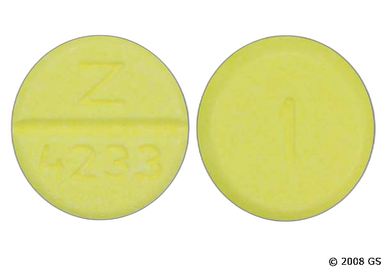
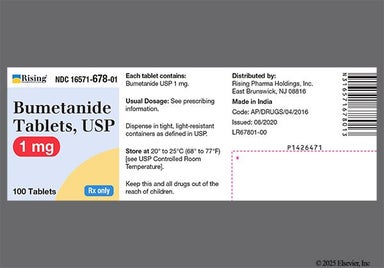
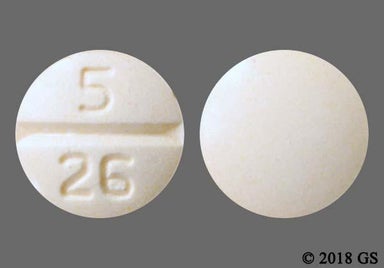
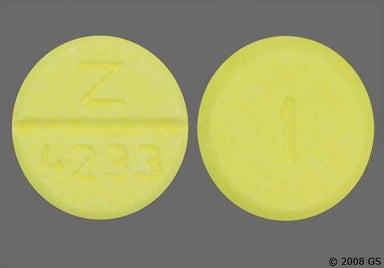
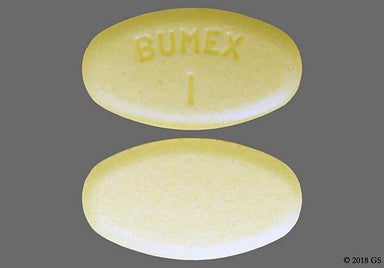
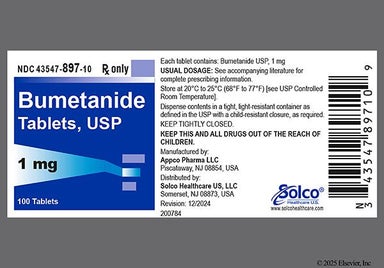
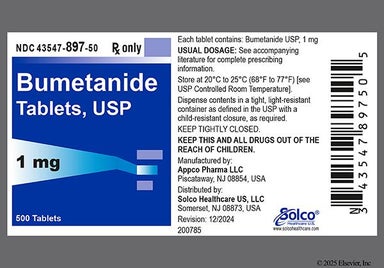
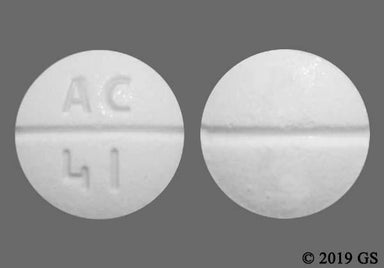
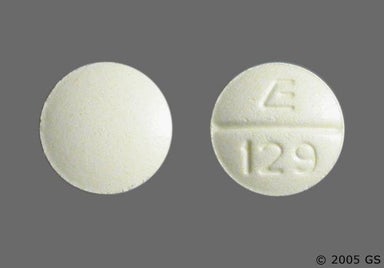
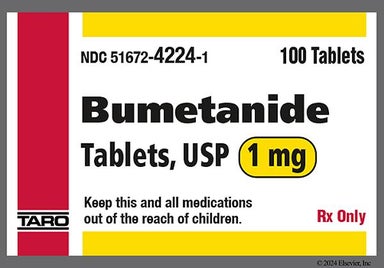
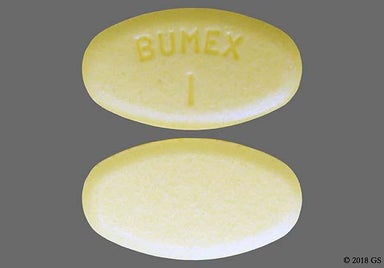
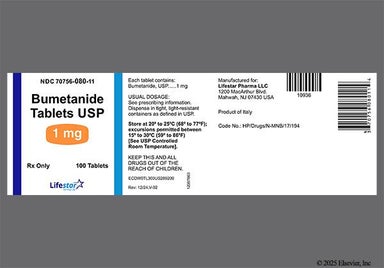
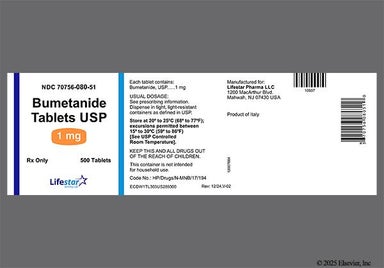
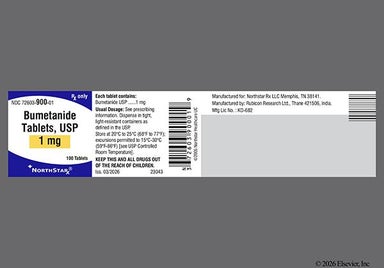
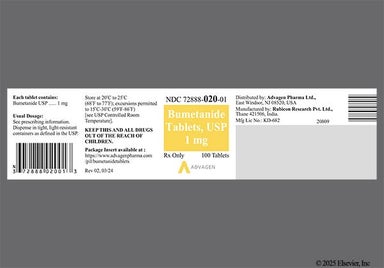
Bumetanide (Bumex) is a type of diuretic or water pill. It helps ease fluid buildup (or edema) in adults with heart failure, liver problems like cirrhosis, and kidney problems. Bumetanide (Bumex) comes as a tablet that's taken by mouth, usually once a day. Your prescriber can adjust your dosage based on how well the medication is working for you. Side effects can include low electrolyte levels and and dizziness. Because of the way the medication works, it can also make you urinate more. Bumetanide (Bumex) has both a brand-name and generic version.

Bumetanide (Bumex) is a type of water pill called a loop diuretic. It works in the kidneys to get rid of extra water and electrolytes (like sodium and potassium) in the body. It makes you urinate them out. This helps reduce swelling in the body from fluid buildup.
| Common Brands | Bumex |
|---|---|
| Drug Class | Diuretic (water pill) |
| Controlled Substance Classification | Not a controlled medication |
| Generic Status | Lower-cost generic available |
| Availability | Prescription only |

The following side effects may get better over time as your body gets used to the medication. Let your healthcare provider know immediately if you continue to experience these symptoms or if they worsen over time.
Contact your healthcare provider immediately if you experience any of the following.
Along with its needed effects, a medicine may cause some unwanted effects. Although not all of these side effects may occur, if they do occur they may need medical attention.
Check with your doctor immediately if any of the following side effects occur:
More common
Abdominal pain
blurred vision
confusion
decreased urine output
dizziness
drowsiness
fast or irregular heartbeat
flushed, dry skin
fruit-like breath odor
headache
increased hunger
increased thirst
increased urination
irritability
joint pain, stiffness, or swelling
loss of appetite
loss of mental alertness
lower back, side, or stomach pain
mood or mental changes
muscle pain or cramps
nausea or vomiting
numbness or tingling in the hands, feet, or lips
shortness of breath
sweating
swelling of face, hands, feet, ankles, or lower legs
troubled breathing
unexplained weight loss
unusual tiredness or weakness
weak pulse
Rare
Agitation
back pain
black, tarry stools
bleeding gums
blood in the urine or stools
convulsions (seizures)
deep or fast breathing with dizziness
dizziness, faintness, or lightheadedness when getting up from a lying or sitting position suddenly
hallucinations
increase in heart rate
increased blood pressure
numbness of feet, hands, and around the mouth
pinpoint red spots on the skin
rapid breathing
stiff neck
sunken eyes
trembling, jerking of hands
unusual bleeding or bruising
wrinkled skin
Get emergency help immediately if any of the following symptoms of overdose occur:
Symptoms of overdose
Difficulty breathing
pain in chest, groin, or legs, especially the calves
severe, sudden headache
slurred speech
sudden loss of coordination
sudden, severe weakness or numbness in the arm or leg
sudden, unexplained shortness of breath
unusual drowsiness, dullness, or feeling of sluggishness
vision changes
Some side effects may occur that usually do not need medical attention. These side effects may go away during treatment as your body adjusts to the medicine. Also, your health care professional may be able to tell you about ways to prevent or reduce some of these side effects. Check with your health care professional if any of the following side effects continue or are bothersome or if you have any questions about them:
Rare
Decreased interest in sexual intercourse
difficulty with moving
ear discomfort
feeling of constant movement of self or surroundings
inability to have or keep an erection
itching skin
loss in sexual ability, desire, drive, or performance
muscle or bone pain
muscle stiffness
nipple tenderness
pain, swelling, or redness in joints
rash
sensation of spinning
shorter than usual time to ejaculation of semen
trouble with hearing
Other side effects not listed may also occur in some patients. If you notice any other effects, check with your healthcare professional.
Call your doctor for medical advice about side effects. You may report side effects to the FDA at 1-800-FDA-1088.




Bumetanide (Bumex) can cause some serious health issues. This risk may be even higher for certain groups. If this worries you, talk to your doctor or pharmacist about other options.
Bumetanide (Bumex) is a diuretic that works by making you urinate. This can lower the amount of fluid in your body and cause changes to your electrolyte levels. The most common changes are low potassium and low chloride. But you can also have low sodium, calcium, and magnesium.
It's important to take bumetanide (Bumex) exactly as prescribed. Taking too high of a dose or taking it too often can lead to severe dehydration, very low electrolyte levels, and other serious complications. This can sometimes be life-threatening.
To keep you safe, your prescriber might order blood work to check your electrolyte levels from time to time. Ask your prescriber how much water you should drink every day to stay hydrated.
Call your care team if you have dry mouth, muscle cramps, or a fast heart rate while taking bumetanide (Bumex). Also reach out if you feel very thirsty or weak or notice that you're not urinating as much as usual. These could be signs of dehydration or problems with your electrolyte levels. Your care team can check what's going on and help you feel better.
Loop diuretics like bumetanide (Bumex) have a risk of hearing loss. The risk is usually low, especially when you take bumetanide (Bumex) at the recommended dose for the tablets. If hearing loss happens, it's usually temporary and it goes away. Although rare, there's a risk that it could become permanent in some people, like those with kidney problems.
Take bumetanide (Bumex) exactly as prescribed. Let your healthcare team know right away if you notice any new changes in your hearing.
People with a severe sulfa allergy might have an allergic reaction to bumetanide (Bumex). This is because bumetanide (Bumex) has a sulfa component in its chemical structure.
Tell your prescriber and pharmacist about all your medication allergies, especially severe ones. Stop taking bumetanide (Bumex) and get medical help right away if you notice hives, swelling in your face, or trouble breathing. These can be signs of a serious allergic reaction.
In rare cases, people have had low platelet counts after taking bumetanide (Bumex). Your prescriber might watch for this by having you get blood tests done every so often. Be sure to look out for easy or unusual bleeding or bruising. If this happens, call your care team. These can be signs of a low platelet count.


Although certain medicines should not be used together at all, in other cases two different medicines may be used together even if an interaction might occur. In these cases, your doctor may want to change the dose, or other precautions may be necessary. When you are taking this medicine, it is especially important that your healthcare professional know if you are taking any of the medicines listed below. The following interactions have been selected on the basis of their potential significance and are not necessarily all-inclusive.
Using this medicine with any of the following medicines is not recommended. Your doctor may decide not to treat you with this medication or change some of the other medicines you take.
Using this medicine with any of the following medicines is usually not recommended, but may be required in some cases. If both medicines are prescribed together, your doctor may change the dose or how often you use one or both of the medicines.
Using this medicine with any of the following medicines may cause an increased risk of certain side effects, but using both drugs may be the best treatment for you. If both medicines are prescribed together, your doctor may change the dose or how often you use one or both of the medicines.


Contraindications are specific health conditions or situations in which a person should not take a medication due to safety concerns. If you have any of the following conditions or if any of the following apply to you, let your healthcare provider know because Bumetanide (Bumex) will not be safe for you to take.










Prescription savings
Stop paying too much for your prescriptions. Compare prices, get pharmacy coupons, and save up to 80%. Find expert answers to your health questions so you can make the best decisions for yourself and your family.
Health conditions
Medications & treatment
Access & affordability
Medication discounts


It usually takes about 30 to 60 minutes for Bumetanide to start working after you take it. This means you might feel the urge to use to the bathroom around then. It's a good idea to have a bathroom nearby so you can get to it fast when you need to go. But it might take some more time to notice any swelling from the fluid buildup to start to go down. Ask your prescriber to learn more about how long it takes for Bumetanide to work.
Bumetanide can sometimes cause dizziness and low blood pressure. Older adults can be more sensitive to these effects and be at risk of having a fall. Your prescriber might recommend that you regularly check your blood pressure at home. Let them know if it stays lower than usual, if you get too dizzy, or if you have a fall. Bumetanide can also have a risk of dehydration. Signs of dehydration in older adults include weakness, confusion, thirst, dry lips, dry mouth, and darker urine. Be sure to drink enough water throughout the day to prevent dehydration. Talk to your prescriber if you're worried about these side effects.
No, Bumetanide isn't a type of diuretic that's potassium sparing. Instead, it can lower your potassium levels. This is because it works by making your kidneys get rid of extra fluid and electrolytes like potassium. Your prescriber might order blood work during treatment to check your potassium levels. Tell your care team if you have symptoms of low potassium. Look out for muscle cramps, weakness, tingling, or numbness.
Maybe. It depends on how your potassium levels change while you're taking Bumetanide. This medication can lower your potassium levels. If they get too low, your prescriber might have you take a potassium supplement to help keep your levels up. Talk to your prescriber to see if you need one while taking this medication. If so, they'll be very clear on how much and how often you should take the supplement.
Although rare, diuretics (water pills) like Bumetanide can sometimes be hard on the kidneys. They can lower blood flow to the kidneys, which can affect how well the kidneys remove waste from your body. Your prescriber can order blood tests to check your kidney health. If there are signs of kidney damage, your prescriber will decide what steps to take. Be sure to stay hydrated to help protect your kidneys while taking this medication. Talk to your prescriber if you're worried about how Bumetanide might affect your kidneys.
In general, Bumetanide doesn't cut down body fat. But it does help get rid of extra fluid that can build up in the body because of your condition. This means that the medication could potentially lessen "water weight." Note that in studies, people didn't report losing weight while taking this medication. Tell your prescriber if you notice any unexpected changes in your weight while taking Bumetanide.
Yes, Bumetanide can interact with some medications. For example, probenecid can affect how well Bumetanide works. And, Bumetanide can make lithium stay in your body longer, raising the risk of side effects. Tell your healthcare team about all the medications you take and any new ones you plan to take. They can make sure your medications are safe to take together and adjust them if needed.
