Key takeaways:
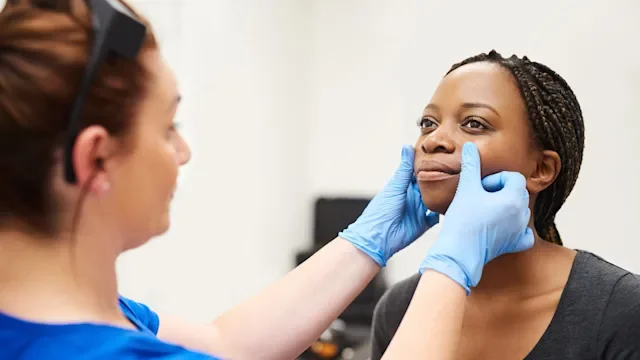
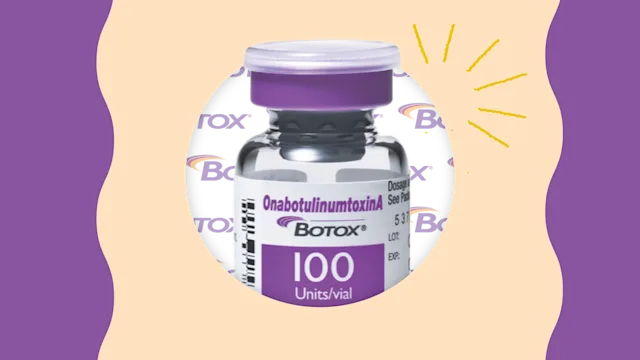
Botox Cosmetic (onabotulinumtoxinA) is an injectable medication used to smooth out wrinkles. It’s typically administered by a trained professional at a med spa or clinic.
Common Botox side effects include pain or bruising at the injection site and headaches. Droopy eyes, dry skin, and dry eye are also possible. Most Botox side effects are mild and go away on their own.
Rare but serious Botox side effects include trouble breathing, vision problems, and heart problems. Nerve and muscle weakness can also occur. These side effects are often linked to improper Botox administration.
Save on related medications
As the demand for less-invasive cosmetic procedures grows, more people are turning to treatments such as Botox Cosmetic (onabotulinumtoxinA) to enhance or change their appearance.
Botox is an injectable medication made from botulinum toxin, a neurotoxin that blocks signals between your nerves and muscles. This results in temporary muscle paralysis, which causes facial wrinkles to appear more smooth or relaxed. But it can also lead to side effects. Knowing about possible Botox side effects can help you understand what to expect after your treatment.
Good to know: Botox is available in two forms: one for cosmetic use, and another for medical use. This article focuses on the side effects of Botox Cosmetic. Talk to your healthcare team for more information about the possible side effects of Botox for other uses.
Botox side effects at a glance
Below are lists of common and rare Botox side effects. Botox is generally tolerated well, and most people recover quickly after each treatment. The side effects you experience can depend on the amount of medication you receive and the areas where you receive treatment. They may also hinge on your injector’s technique and skill. It’s best to talk to your healthcare team about any Botox side effects you experience, even if they aren’t listed below.
Common or mild side effects of Botox may include:
Pain, swelling, and redness or bruising near the injection site
Headaches
Dry and flaky skin
Dry eye
Less common but possible Botox side effects include:
Droopy eyelids, eyebrows, or lips
Strabismus (crossed eyes)
Facial asymmetry
Facial paralysis
Swollen eyelids
Rare but potentially serious Botox side effects and reactions include:
Vision changes or eye damage
Muscle weakness
Irregular heart rhythm or heart attack
Anaphylaxis (severe allergic reaction)
Botox also contains a boxed warning, the FDA’s most serious medication warning. It warns that the effects of Botox can spread from the injection site hours to weeks after the injection is administered. This can lead to swallowing and breathing problems or even death in rare cases.
Here’s what you need to know about nine notable Botox side effects.
1. Injection site reactions
Pain, bruising, and redness around the injection site are the most common Botox side effects. Injection site reactions tend to show up shortly after your treatment and should go away on their own.
To help prevent bruising after receiving Botox Cosmetic, try applying an ice pack to your skin soon after your injections. This decreases bleeding underneath the skin. Some treatment centers may also have you apply ice before injecting Botox. You can also consider using a small amount of over-the-counter (OTC) topical pain medication, such as lidocaine cream.
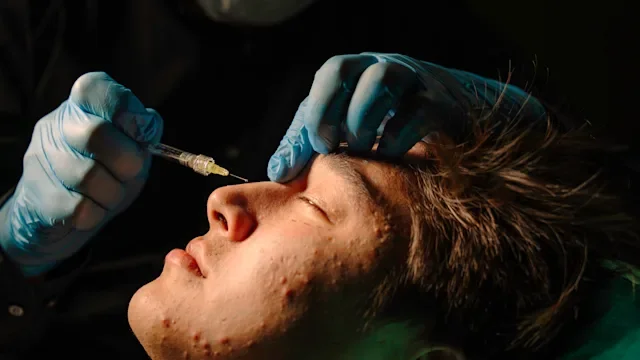
A bacterial infection is a less common injection-related side effect, but it’s still possible. When the needle penetrates the skin and goes into your muscle, it’s possible for bacteria to get in. The best way to prevent this is to make sure the injection area is clean and the needle is sterile. The person administering your injections should take care of this as part of their routine prep work.
2. Headaches
Headaches are another common Botox side effect. It isn’t clear why this happens. But it may be related to muscle spasms caused by the injection. The good news is that most headaches typically clear up within a few days.
Staying hydrated and getting rest can help you get rid of headaches following your Botox injections. OTC pain medications, such as acetaminophen (Tylenol) or ibuprofen (Advil, Motrin), can also help. For a week or two prior to receiving Botox, it’s a good idea to avoid ibuprofen and other nonsteroidal anti-inflammatory drugs (NSAIDs). They may raise the risk of bleeding and bruising if you take them too close to your treatment day.
Good to know: In rare cases, Botox injections may cause a severe, long-lasting headache for some people. In this case, it may take several weeks or longer before the pain goes away. If you develop a severe headache that doesn’t improve after receiving Botox, it’s best to consult a healthcare professional for evaluation and guidance.
3. Eye- and brow-related side effects
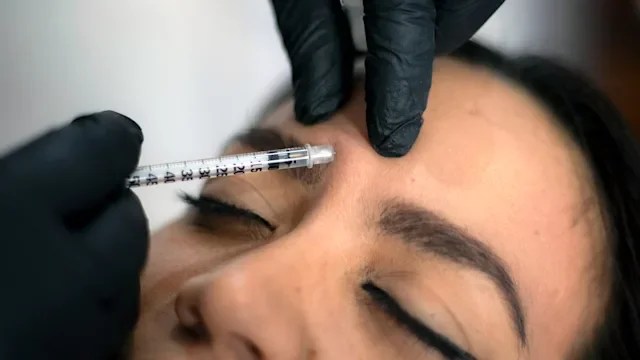
Using Botox on the forehead or around the eyes can lead to some specific side effects.
A droopy eyelid — called blepharoptosis — is one possibility. A droopy eyebrow, known as brow ptosis, can also happen. Both of these effects are usually seen on only one eye, and should return to normal within 3 to 6 weeks. However, it may take up to 3 months in some cases. If needed, a healthcare professional can also prescribe an eye drop to help improve your symptoms until they resolve on their own.
The “Mephisto sign” is another Botox side effect. It can cause the end of your eyebrow to be slightly higher than the eyebrow itself. This can make you appear surprised or skeptical. This side effect is also temporary and can sometimes be managed with additional injections. But it may last up to 3 months for some people.
Forehead Botox treatments can also exaggerate wrinkles. This happens when a strong border is created between a paralyzed muscle and a non-paralyzed muscle in the forehead. Again, this effect is temporary and should go away as the injection wears off.
Proper injection technique is key for preventing these Botox side effects. So it’s a good idea to make sure your medspa is accredited and the staff have appropriate licences to help protect your safety.
4. Dry skin
Some people experience dry and flaky skin around the areas of their Botox injections. This may happen because Botox lowers your body’s ability to produce sweat. This can make the skin feel drier, flakier, and tighter.
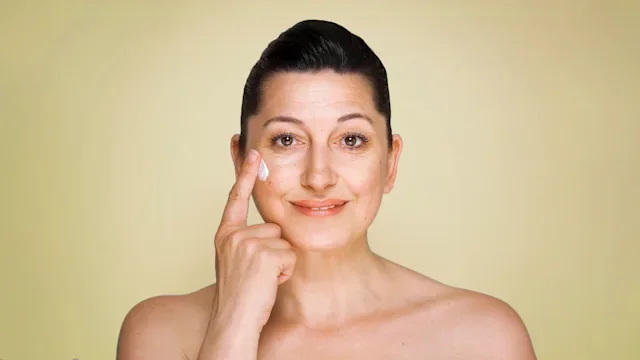
You can help ease dry skin by applying moisturizer and sunscreen regularly. Try to avoid moisturizers with fragrances or dyes as they may contain chemicals that further irritate dry skin.
5. Difficulty swallowing or breathing
Although rare, Botox can spread beyond the areas where it’s injected and cause serious problems. If it spreads to the muscles in the mouth, throat, and neck, you may start to have trouble breathing and swallowing normally. This is especially dangerous for people who already have problems with swallowing or breathing.
If Botox is injected properly and into approved areas of the face, these side effects are rare. But if you notice difficulty swallowing or breathing after receiving Botox, call 911 or go to the nearest ER as soon as you can. Although these symptoms are uncommon, they can appear hours to weeks after a Botox session.
6. Eye and vision problems
Botox can affect the muscles that control your eyelids. So you might blink less after your injections. This can result in problems such as dry eye, eye irritation, or eye damage. Chronic dry eye can lead to a scratched cornea.
If dry or irritated eyes start to bother you, consider placing OTC lubricating eye drops into the affected eye.
Botox can also affect the muscles that control eye movements and cause you to experience problems such as double vision or difficulty judging distance. If this problem pops up, reach out to an eye specialist (ophthalmologist) for guidance.
7. Heart problems
In rare cases, Botox injections may cause heart rhythm problems (arrhythmia) or even heart attacks. This may be more likely if you’re already living with heart problems. Be sure to let your care team know about any pre-existing heart problems before receiving Botox.
8. Nerve or muscle problems
Muscle weakness is a potential long-term side effect of Botox. As mentioned, in rare cases, the injected toxin can spread beyond the intended area, affecting nearby nerves or muscles.
It isn’t common, but Botox can also cause botulism — especially if it’s injected improperly. This can cause muscle paralysis and requires immediate medical attention.
People who are already living with muscle-related health problems, such as myasthenia gravis, may be at higher risk for experiencing these symptoms. In these situations, you should discuss the risks and benefits of Botox with a healthcare professional before treatment.
9. Antibody development and treatment resistance
Over time, your immune system can develop antibodies against botulinum toxin after repeated Botox injections. These antibodies aren’t harmful, but they can make the medication less effective. This means its smoothing results may gradually become weaker or stop altogether.
The risk of developing antibodies is generally low. The risk is higher if you need frequent or high doses of Botox. If you notice your Botox treatments aren’t lasting as long or working as well as they used to, talk with your care team about possible alternatives or adjustments to your treatment plan.
Frequently asked questions
Botox doesn’t generally cause drowsiness. But some people can experience flu-like symptoms after Botox injections. This may include feeling weaker or more tired than usual. In most cases, fatigue should improve within a few days, but seek medical care if it doesn’t or you’re experiencing severe drowsiness or weakness after receiving Botox.
Botox side effects tend to be temporary. But people who receive frequent Botox Cosmetic injections over a long period of time may develop long-lasting facial changes. These include changes in your facial expressions or being unable to make certain facial movements. To prevent serious Botox risks, make sure to go to a healthcare professional and clinic that’s trained and licensed to give these injections.
Botox may not be appropriate for everyone. Women who are pregnant or breastfeeding and people living with neuromuscular conditions such as myasthenia gravis may want to avoid Botox. It also isn’t recommended if you’re prone to developing keloid scars or living with body dysmorphic disorder.
Certain medications, such as muscle relaxers, can also interact with Botox. So it’s important to review your medication list with your care team before receiving it.
Botox’s effects aren’t permanent. It gradually wears off as your body breaks down the medication. Wrinkles and fine lines will typically start to reappear about 3 to 4 months after a Botox injection. But the effects may last longer after repeated treatments.
Botox side effects usually go away on their own over time. Mild effects, such as pain, irritation, or bruising at the injection site, typically resolve within a few days. More moderate side effects, such as droopy eyelids or muscle weakness, can last for a few weeks to months.
Botox is designed to work locally at the injection site by paralyzing specific muscles. Very little Botox enters your bloodstream. But there’s a small risk that Botox can spread from the injection site and affect nerves and muscles in unintended areas of the body.
Fortunately, this isn’t common. This generally only happens if too much Botox is injected, it’s injected improperly, or you’re living with certain health conditions that increase the risk of medication spreading.
Botox doesn’t generally cause drowsiness. But some people can experience flu-like symptoms after Botox injections. This may include feeling weaker or more tired than usual. In most cases, fatigue should improve within a few days, but seek medical care if it doesn’t or you’re experiencing severe drowsiness or weakness after receiving Botox.
Botox side effects tend to be temporary. But people who receive frequent Botox Cosmetic injections over a long period of time may develop long-lasting facial changes. These include changes in your facial expressions or being unable to make certain facial movements. To prevent serious Botox risks, make sure to go to a healthcare professional and clinic that’s trained and licensed to give these injections.
Botox may not be appropriate for everyone. Women who are pregnant or breastfeeding and people living with neuromuscular conditions such as myasthenia gravis may want to avoid Botox. It also isn’t recommended if you’re prone to developing keloid scars or living with body dysmorphic disorder.
Certain medications, such as muscle relaxers, can also interact with Botox. So it’s important to review your medication list with your care team before receiving it.
Botox’s effects aren’t permanent. It gradually wears off as your body breaks down the medication. Wrinkles and fine lines will typically start to reappear about 3 to 4 months after a Botox injection. But the effects may last longer after repeated treatments.
Botox side effects usually go away on their own over time. Mild effects, such as pain, irritation, or bruising at the injection site, typically resolve within a few days. More moderate side effects, such as droopy eyelids or muscle weakness, can last for a few weeks to months.
Botox is designed to work locally at the injection site by paralyzing specific muscles. Very little Botox enters your bloodstream. But there’s a small risk that Botox can spread from the injection site and affect nerves and muscles in unintended areas of the body.
Fortunately, this isn’t common. This generally only happens if too much Botox is injected, it’s injected improperly, or you’re living with certain health conditions that increase the risk of medication spreading.
The bottom line
Botox Cosmetic (onabotulinumtoxinA) is an injectable medication used to improve the appearance of wrinkles. It’s injected into targeted areas of your face, such as your forehead or around your eyes.
Most people tolerate Botox well, but side effects are still possible. Pain and bruising at the injection site and headaches are some of the most common Botox side effects. Droopy eyelids, dry eye, and dry skin are also possible.
Rare but serious Botox side effects include trouble breathing and swallowing, vision problems, and heart problems. Nerve and muscle problems can also occur, but they aren’t common. To reduce the risk of serious problems, you should only receive Botox Cosmetic at a licensed clinic by a trained medical professional.

Why trust our experts?




References
Alam, M., et al. (2002). Severe, intractable headache after injection with botulinum a exotoxin: Report of 5 cases. JAAD.
Allergan. (2024). Botox cosmetic- onabotulinumtoxina injection, powder, lyophilized, for solution [package insert].
American Academy of Dermatology Association. (n.d.). Botulinum toxin therapy: FAQs.
American Society of Plastic Surgeons. (2024). 2024 ASPS procedural statistics release.
Angelo-Khattar, M. (2020). A novel onabotulinumtoxinA treatment technique to obtain predictable outcomes in eyebrow position and shape. Clinical, Cosmetic, and Investigational Dermatology.
Baizabal-Carvallo, J. F., et al. (2011). Flu-like symptoms following botulinum toxin therapy. Toxicon.
Crowner, B. E., et al. (2010). Systemic weakness after therapeutic injections of botulinum toxin A: A case series and review of the literature. Clinical Neuropharmacology.
Hallett, M. (2015). Explanation of timing of botulinum neurotoxin effects, onset and duration, and clinical ways of influencing them. Toxicon.
Freixo, S. (2026). Management of complications following botulinum toxin facial injections: a narrative review. Cureus.
Jankovic, J., et al. (2023). Neutralizing antibody formation with onabotulinumtoxina (botox) treatment from global registration studies across multiple indications: A meta-analysis. Toxins.
Kim, S. R., et al. (2024). What a neurologist should know about functional anatomy for botulinum toxin injections in the head, face, and neck: A practical perspective. Headache and Pain Research.
King, M. (2016). Management of ptosis. Journal of Clinical and Aesthetic Dermatology.
Komang Satriyasa, B. (2019). Botulinum toxin (Botox) A for reducing the appearance of facial wrinkles: A literature review of clinical use and pharmacological aspect. Clinical, Cosmetic, and Investigational Dermatology.
MedlinePlus. (2025). Botox. National Library of Medicine.
Nestor, M. S., et al. (2021). Botulinum toxin-induced blepharoptosis: Anatomy, etiology, prevention, and therapeutic options. Journal of Cosmetic Dermatology.
Sezgin, B. (2023). Tailored Indications for different neurotoxins. PRS Open Global.
Walker, T. J., et al. (2014). Comparison and overview of currently available neurotoxins. Journal of Clinical and Aesthetic Dermatology.
Wambier, C. G., et al. (2024). Resistance to cosmetic botulinum toxin A: A 15-patient case series across 12 sites. JAAD international.
Witmanowski, H., et al. (2019). The whole truth about botulinum toxin - a review. Advances in Dermatology and Allergology.