Key takeaways:
Type 2 diabetes, heart disease, and chronic kidney disease affect many U.S. adults. Jardiance (empagliflozin) is a prescription medication that can help manage these conditions. It may potentially cause weight loss, too. Jardiance is a once-daily tablet taken by mouth. It’s best taken in the morning with or without food. There are ways to save on Jardiance. GoodRx can help you access Jardiance at an exclusive cash price. A manufacturer savings card and patient assistance program are also available.
Save on related medications
Millions of people in the U.S.are living with Type 2 diabetes. But there’s now quite a few options for treatment, with the number of medications available for managing the condition continuing to grow.
One class of medications used to treat Type 2 diabetes is sodium-glucose cotransporter-2 (SGLT2) inhibitors. This group of medications includes Jardiance (empagliflozin). Jardiance can also help manage heart failure and chronic kidney disease.
You can find Jardiance as a brand-name tablet. You can also find its active ingredient in a combination tablet with metformin (branded as Synjardy). Here, we’ll dive deeper into Jardiance’s benefits, side effects, cost, and more.
What is Jardiance, and how does it work?
Jardiance is a once-daily tablet that’s FDA approved to treat Type 2 diabetes for adults and children ages 10 and older. Jardiance should be paired with a diabetes-friendly diet and routine exercise.
Jardiance is an SGLT2 inhibitor. It works in your kidneys to reduce the amount of glucose (sugar) that’s reabsorbed into your bloodstream. This excess sugar is then released into your urine so it can leave your body. Jardiance also reduces the amount of sodium (salt) that your body reabsorbs.
What else is Jardiance used for?
Jardiance was initially approved for Type 2 diabetes in 2014. The FDA has approved it for additional conditions since then. Jardiance can:
Lower the risk of cardiovascular death in adults who have Type 2 diabetes and heart disease
Lower the risk of cardiovascular death and hospitalization in adults with heart failure
Lower the risk of cardiovascular death, hospitalization, and kidney disease progression in adults with chronic kidney disease
With these additional approvals, it now can be widely used for these four different purposes.
Good to know: Jardiance is not meant to be used by people with Type 1 diabetes or certain people with severe kidney problems.
Does Jardiance cause weight loss?
Jardiance may help promote weight loss. This is an off-label use. In one study, people lost an average 4 lbs to 6 lbs after taking Jardiance for about 6 months. Other data shows similar weight-loss results.
It’s important to note that potential weight-loss benefits vary. Whether and how much weight you lose is impacted by factors such as diet, exercise, and other medications you may be taking, like metformin.
Are there any other Jardiance benefits?
Yes. Aside from its effects on body weight, Jardiance has other potential benefits. These include:
Lower systolic blood pressure: Although Jardiance isn’t prescribed to treat high blood pressure directly, it may modestly lower systolic blood pressure (the top number in your blood pressure reading).
Heart benefits: People with Type 2 diabetes are more likely to experience heart issues. In clinical studies, Jardiance was found to help protect the heart, which researchers refer to as “cardioprotective effects.” These protective benefits are on top of those already gained through improving blood sugar levels. These findings led to Jardiance’s heart-related FDA approvals.
Kidney benefits: Jardiance helps protect the kidneys. In fact, in a study of people with Type 2 diabetes who also had heart disease, Jardiance lowered the risk of new or worsening kidney disease by 39% compared to placebo. This is relevant because people with Type 2 diabetes have a higher risk of eventually developing kidney disease. This data contributed to Jardiance’s approval in chronic kidney disease.
What are the possible side effects of Jardiance?
Not too many people experience bothersome side effects from Jardiance, but a few risks have been reported.
Possible Jardiance side effects include:
Genital yeast infections
Joint pain
Less common but potentially serious side effects of Jardiance are hypoglycemia (low blood sugar), dehydration, and ketoacidosis (excess acid in the blood). But one positive note is that unlike Invokana, another SGLT2 inhibitor with heart benefits, Jardiance hasn’t been found to raise the risk of bone fractures.
Does Jardiance interact with any other medications?
Yes, Jardiance can interact with other medications. There are two main groups of medications that Jardiance tends to interact with: other blood sugar-lowering medications and diuretics.
Blood sugar-lowering medications
On its own, Jardiance has a low risk of causing low blood sugar. When Jardiance is used alongside other medications that lower sugar levels, it’s possible that your blood sugar could drop too low.
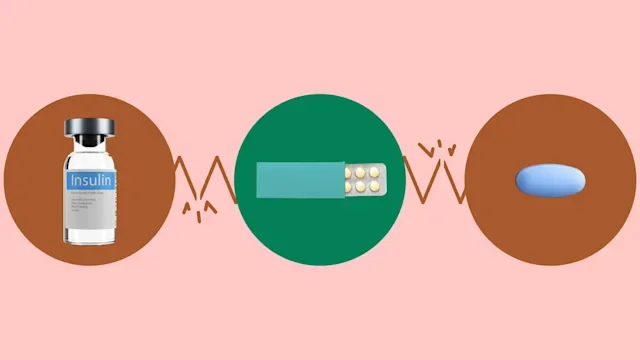
This risk of hypoglycemia appears to be highest when Jardiance is used with sulfonylureas, glinides, or insulin. Examples of sulfonylurea medications include glipizide (Glucotrol XL), glimepiride, and glyburide (DiaBeta). Repaglinide is one glinide that can interact with Jardiance. And several types of insulin can cause interactions, such as Lantus (insulin glargine), Humalog (insulin lispro), and Novolog (insulin aspart), to name a few.
Diuretics
Diuretic medications help your body get rid of excess fluid. They’re sometimes referred to as “water pills.” Furosemide (Lasix) is a common example.
When you take Jardiance at the same time as a diuretic, there’s a higher risk of experiencing dehydration. This is because both medications work by making you get rid of more fluid than normal. This combination can make you go to the bathroom more frequently.
How to take Jardiance and recommended dosages
Jardiance is a tablet that you take by mouth once daily. It comes in two different tablet sizes: 10 mg and 25 mg. You can take it in the morning with or without food.
As mentioned earlier, Jardiance contains the active ingredient empagliflozin. Many people take it in combination with metformin. While you can take them separately, a combination medication is available, too. Synjardy is a medication that contains both empagliflozin and metformin in the same tablet. Synjardy is available in many doses, and it’s usually taken once or twice daily.
What do you need to know about Jardiance 10 mg?
When you first start taking Jardiance, you’ll likely start off by taking Jardiance 10 mg by mouth every morning. But, if your blood sugar levels remain high, a healthcare professional may increase your dose. They might raise your daily dose to 25 mg. Alternatively, they might consider adjusting the doses of your other diabetes medications to help further reduce your blood sugar levels.
If you’re not taking Jardiance for diabetes, it’s likely that your dosage will remain at 10 mg daily. The higher dose is only recommended when managing diabetes.
Farxiga vs. Jardiance
Farxiga and Jardiance are SGLT2 inhibitors that are relatively similar overall. They’re both oral tablets taken once daily and are recommended Type 2 diabetes treatment options. One key difference between the two is that Farxiga has a generic version available.
A healthcare professional may prescribe you one of these medications depending on your situation, medical history, and insurance coverage status.
How to save on Jardiance
There are ways to save on Jardiance, which is available as a brand-name medication. GoodRx can help you navigate between GoodRx coupons, copay savings cards, and patient assistance programs to save money on your prescription.
Save with GoodRx. Anyone with a valid prescription, regardless of insurance status, can use GoodRx to purchase a 30-day supply of Jardiance at an exclusive cash price.
Save with a copay savings card. If you have commercial insurance, you may be eligible to pay as little as $0 for Jardiance using a savings card from the manufacturer.
Save with patient assistance programs. If you’re uninsured or underinsured, you may be eligible for Jardiance’s patient assistance program, which offers the medication free of cost.
Frequently asked questions
There are certain foods you may want to limit or avoid while taking Jardiance. This includes very sugary foods and drinks, alcohol, and caffeine. These items can worsen the risk of certain side effects from Jardiance. Also consider avoiding a ketogenic diet — it could restrict your carbohydrate intake too much.
Jardiance is meant to be a long-term treatment for conditions like Type 2 diabetes, heart failure, and chronic kidney disease. Most people take it indefinitely unless their healthcare professional says otherwise. But if Jardiance is hard for you to tolerate or doesn’t seem to be working well, you can always ask your prescriber about other options.
You can tell if Jardiance is working if signs or symptoms of your condition improve. For Type 2 diabetes, this means you should notice lower blood sugar levels over time. For heart failure, you may notice less shortness of breath.
For chronic kidney disease, Jardiance may not improve symptoms, since the condition doesn’t always cause symptoms. But your prescriber should monitor your kidney function to make sure Jardiance is working.
There are certain foods you may want to limit or avoid while taking Jardiance. This includes very sugary foods and drinks, alcohol, and caffeine. These items can worsen the risk of certain side effects from Jardiance. Also consider avoiding a ketogenic diet — it could restrict your carbohydrate intake too much.
Jardiance is meant to be a long-term treatment for conditions like Type 2 diabetes, heart failure, and chronic kidney disease. Most people take it indefinitely unless their healthcare professional says otherwise. But if Jardiance is hard for you to tolerate or doesn’t seem to be working well, you can always ask your prescriber about other options.
You can tell if Jardiance is working if signs or symptoms of your condition improve. For Type 2 diabetes, this means you should notice lower blood sugar levels over time. For heart failure, you may notice less shortness of breath.
For chronic kidney disease, Jardiance may not improve symptoms, since the condition doesn’t always cause symptoms. But your prescriber should monitor your kidney function to make sure Jardiance is working.
The bottom line
Jardiance (empagliflozin) is an oral prescription-only medication that’s FDA approved to treat Type 2 diabetes. It can also reduce the risk of complications related to heart disease, heart failure, and kidney disease. It may offer off-label benefits too, such as weight loss, but this depends on the person.
If you have any questions or concerns about Jardiance, talk to a pharmacist or other healthcare professional. They can help you determine whether this medication is right for you.

Why trust our experts?



References
American Diabetes Association Professional Practice Committee. (2025). Pharmacologic approaches to glycemic treatment: Standards of care in diabetes- 2025. Diabetes Care.
Boehringer Ingelheim. (2014). FDA approves Jardiance (empagliflozin) tablets for adults with Type 2 diabetes.
Boehringer Ingelheim Pharmaceuticals. (2025). Jardiance- empagliflozin tablet, film coated [package insert]. DailyMed.
Centers for Disease Control and Prevention. (2024). Diabetes and your heart.
Centers for Disease Control and Prevention. (2024). Diabetes basics.
Eli Lilly. (2016). U.S. FDA approves Jardiance (empagliflozin) tablets to reduce the risk of cardiovascular death in adults with Type 2 diabetes and established cardiovascular disease.
Kohler, S., et al. (2018). Analysis of fractures in patients with Type 2 diabetes treated with empagliflozin in pooled data from placebo-controlled trials and a head-to-head study versus glimepiride. Diabetes Care.
Klein, H. E. (2023). FDA grants approval for empagliflozin in chronic kidney disease. American Journal of Managed Care.
Melillo, G. (2022). FDA approves empagliflozin for broader type of heart failure. American Journal of Managed Care.
National Institute of Diabetes and Digestive and Kidney Diseases. (2017). Diabetic kidney disease.
Neeland, I. J., et al. (2016). Empagliflozin reduces body weight and indices of adipose distribution in patients with Type 2 diabetes mellitus. National Library of Medicine.
Ribola, F. A., et al. (2017). Effects of SGLT2 inhibitors on weight loss in patients with Type 2 diabetes mellitus. European Review for Medical and Pharmacological Sciences.
Wanner, C. et al. (2016). Empagliflozin and progression of kidney disease in Type 2 diabetes. The New England Journal of Medicine.
Zinman, B., et al. (2015). Empagliflozin, cardiovascular outcomes, and mortality in Type 2 diabetes. The New England Journal of Medicine.