


How to Choose the Best Cold and Flu Medicine for Your Symptoms
Which cold and flu medicines actually work for runny noses or fevers? Review the best OTC cold and flu medications, including the symptoms they treat, here.
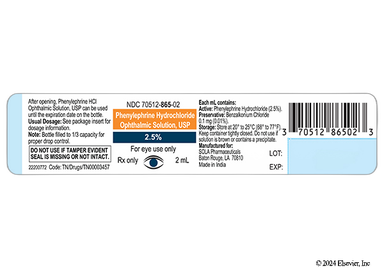
Phenylephrine (Vazculep) is a medication typically used in the hospital to treat severely low blood pressure. There are lower-cost generic versions available.

| Common Brands | Vazculep, Biorphen, Immphentiv |
|---|---|
| Drug Class | Adrenergic receptor agonist |
| Controlled Substance Classification | Not a controlled medication |
| Generic Status | Lower-cost generic available |
| Availability | Prescription only |


Although certain medicines should not be used together at all, in other cases two different medicines may be used together even if an interaction might occur. In these cases, your doctor may want to change the dose, or other precautions may be necessary. When you are taking this medicine, it is especially important that your healthcare professional know if you are taking any of the medicines listed below. The following interactions have been selected on the basis of their potential significance and are not necessarily all-inclusive.
Using this medicine with any of the following medicines is not recommended. Your doctor may decide not to treat you with this medication or change some of the other medicines you take.
Using this medicine with any of the following medicines is usually not recommended, but may be required in some cases. If both medicines are prescribed together, your doctor may change the dose or how often you use one or both of the medicines.
Using this medicine with any of the following medicines may cause an increased risk of certain side effects, but using both drugs may be the best treatment for you. If both medicines are prescribed together, your doctor may change the dose or how often you use one or both of the medicines.








Prescription savings
Stop paying too much for your prescriptions. Compare prices, get pharmacy coupons, and save up to 80%. Find expert answers to your health questions so you can make the best decisions for yourself and your family.
Health conditions
Medications & treatment
Access & affordability
Medication discounts

Vazculep is used to treat severely low blood pressure from anesthesia during a procedure or surgery. It's given by a healthcare provider through an injection into the veins.
Vazculep acts on the alpha-1 adrenergic receptors. These receptors are located in your blood vessels throughout your body. When Vazculep binds (attaches) to these receptors, your blood vessels squeeze, which raises your blood pressure.
Vazculep is given as an injection through the veins (IV). It's typically given as a slow, continuous IV infusion for maintaining blood pressure. But in emergency situations, such as when your blood pressure is dropping quickly, Vazculep is given as an IV injection over a short period of time to quickly raise your blood pressure.
Your healthcare provider will determine your dose of Vazculep depending on factors such as your blood pressure and how your body responds to the medication. Hospitals typically have a specific program in place with steps that outline how to monitor and change the dose of Vazculep so that it works well and is as safe as possible for you.
Some common side effects include nausea, vomiting, headache, nervousness, and low heart rate.
