bendamustine
Bendamustine (Treanda) is a type of chemotherapy called an alkylating agent. It’s used to treat people with certain blood cancers, including non-Hodgkin lymphoma (NHL) and chronic lymphocytic leukemia (CLL). Bendamustine (Treanda) is given as an infusion through a vein at a medical center or clinic. It’s usually given on the first 2 days of each treatment cycle. Side effects include nausea, tiredness, and low blood cell counts. Bendamustine (Treanda) is available as a brand-name and generic medication.


What is Bendamustine (Treanda)?
What is Bendamustine (Treanda) used for?
- Chronic lymphocytic leukemia (CLL)
- B-cell non-Hodgkin lymphoma (NHL), after previous treatment with rituximab (Rituxan) within the last 6 months
How Bendamustine (Treanda) works
Bendamustine (Treanda) is a type of traditional chemotherapy known as an alkylating agent. It works by damaging fast-growing cells in the body, like cancer cells. The medication damages the cells’ DNA, which usually causes them to die. This helps fight cancer.
Drug facts
| Common Brands | Treanda |
|---|---|
| Drug Class | Alkylating agent |
| Controlled Substance Classification | Not a controlled medication |
| Generic Status | No lower-cost generic available |
| Availability | Prescription only |

Side effects of Bendamustine (Treanda)
The following side effects may get better over time as your body gets used to the medication. Let your healthcare provider know immediately if you continue to experience these symptoms or if they worsen over time.
Common Side Effects
- Lower white blood cells (up to 99%)
- Lower hemoglobin levels (up to 88%)
- Lower platelet levels (86%)
- Nausea (75%)
- Tiredness (57%)
- Vomiting (40%)
- Diarrhea (37%)
- Fever (34%)
- Constipation (29%)
- Lower appetite (23%)
- Cough (22%)
- Headache (21%)
Less Common Side Effects
- Chills
- Weakness
- Dizziness
- Mouth sores
- Stomach pain
- Indigestion
- Acid reflux
- Swelling in the legs, ankles, or feet
- Weight loss
- Dehydration
- Back pain
- Shortness of breath
- Trouble sleeping
- Infection (e.g., shingles, upper respiratory, urinary tract)
- Rash
Note: Side effects were reported by people with B-cell NHL. Side effects might be slightly different for people with CLL.
Bendamustine (Treanda) serious side effects
Contact your healthcare provider immediately if you experience any of the following.
- Low white blood cell count and risk of infection: fever, chills, cough, muscle aches, very fast heartbeat, severe tiredness
- Low platelets: easy bruising or bleeding, nosebleeds, blood in urine, blood in stool
- Progressive multifocal leukoencephalopathy (PML): confusion, weakness, clumsiness, trouble speaking, trouble walking
- Infusion reaction or allergic reaction: fever, chills, itching, rash, trouble breathing
- Serious skin reaction: rash, painful blisters, skin wounds, peeling skin, fever, sore throat, body aches
- Serious liver problems: yellow skin, yellow eyes, sudden stomach pain, swollen belly
The following Bendamustine (Treanda) side effects have also been reported
Along with its needed effects, a medicine may cause some unwanted effects. Although not all of these side effects may occur, if they do occur they may need medical attention.
Check with your doctor or nurse immediately if any of the following side effects occur:
More common
Black, tarry stools
bleeding gums
blood in the urine or stools
chills
cough or hoarseness
headache
joint pain, stiffness, or swelling
lack or loss of strength
lower back, side, or stomach pain
muscle aches
painful or difficult urination
pale skin
pinpoint red spots on the skin
stuffy or runny nose
swelling of the feet or lower legs
swollen glands
troubled breathing with exertion
ulcers, sores, or white spots in the mouth
unusual bleeding or bruising
unusual tiredness or weakness
vomiting
Less common
Burning or stinging of the skin
fast heartbeat
irritation
painful cold sores or blisters on the lips, nose, eyes, or genitals
redness of the skin
stiffness or swelling
swelling of the eyelids, face, lips, hands, or feet
tightness in the chest
troubled breathing or swallowing
Incidence not known
Blistering, flaking, or peeling of the skin
bluish color
changes in skin color
dizziness
pain, tenderness, or swelling of the foot or leg
puffiness or swelling of the eyelids or around the eyes, face, lips, or tongue
red skin lesions, often with a purple center
red, irritated eyes
weakness
Some side effects may occur that usually do not need medical attention. These side effects may go away during treatment as your body adjusts to the medicine. Also, your health care professional may be able to tell you about ways to prevent or reduce some of these side effects. Check with your health care professional if any of the following side effects continue or are bothersome or if you have any questions about them:
More common
Decreased weight
Other side effects not listed may also occur in some patients. If you notice any other effects, check with your healthcare professional.
Call your doctor for medical advice about side effects. You may report side effects to the FDA at 1-800-FDA-1088.

Pros and cons of Bendamustine (Treanda)
Pros
- Given on the first 2 days of each treatment cycle (every 3 or 4 weeks, depending on your type of cancer)
- Doesn’t typically cause hair loss
- Recommended treatment for non-Hodgkin lymphoma
Cons
- Must be given as an infusion through a vein at a medical center
- Often causes nausea
- Raises your risk of infections

Pharmacist tips for Bendamustine (Treanda)

- Write down when your bendamustine (Treanda) infusions are on your calendar. It’s given on the first 2 days of each treatment cycle (every 3 or 4 weeks, depending on the type of cancer you have). If you miss an appointment, call the medical center or clinic as soon as possible to reschedule.
- While you’re getting your bendamustine (Treanda) infusion, watch for redness, swelling, pain, burning, or warmth near the IV site. These can be signs that the medication has leaked into nearby tissue. Tell your nurse right away if you notice any of these symptoms so they can help.
- Nausea is a common side effect of bendamustine (Treanda). Your prescriber might give you anti-nausea medications before your infusion. They can also give you some to take at home when needed. Talk to your care team about other ways to manage nausea, like eating small meals throughout the day. Call your care team if nausea doesn’t improve or you need more support.
- Stay hydrated while taking bendamustine (Treanda). This medication often causes nausea, vomiting, or diarrhea. Drinking plenty of fluids can help prevent dehydration.
- To help prevent infections, avoid crowds, wash your hands often, and wash raw fruits and vegetables well before eating them. This is important because bendamustine (Treanda) can lower your white blood cell count. This can make it harder for your body to fight infections.
- Check your temperature consistently while taking bendamustine (Treanda). Call your oncology care team right away if your temperature is 100.4ºF or higher. This means you have a fever, which could be the only sign that you’re sick.
- Talk to your oncologist about whether you should take allopurinol (Zyloprim) with bendamustine (Treanda). These medications are sometimes recommended together to help prevent a problem called tumor lysis syndrome. But it can also raise the risk of a skin rash. Your oncologist can help decide what’s best for you.
- If you can become pregnant, use reliable birth control while taking bendamustine (Treanda) and for 6 months after your last dose. If you’re a man who can father a child, use birth control, like condoms, during treatment and for 3 months after stopping the medication. Tell your oncologist right away if you or your partner gets pregnant.
- Avoid breastfeeding while taking bendamustine (Treanda) and for 1 week after your last infusion. We don’t know if the medication passes into breast milk. But there’s a risk of harm to a breastfeeding infant if it does. Talk to your oncologist or a lactation consultant about safer feeding options.

Risks and warnings for Bendamustine (Treanda)
Bendamustine (Treanda) can cause some serious health issues. This risk may be even higher for certain groups. If this worries you, talk to your doctor or pharmacist about other options.
Low blood cell counts
Bendamustine (Treanda) commonly causes low blood cell counts. Sometimes, your blood cell counts can drop dangerously low. Most times, they drop to their lowest in the third week of treatment.
To help keep you safe, your oncologist will check your blood count often. They’ll also check before each new treatment cycle to make sure bendamustine (Treanda) is safe for you. If your blood cell counts are too low, your oncologist might delay the infusion until your labs get back up.
Look out for signs and symptoms of a low blood cell count. When your white blood cell count is low, you’re at risk of infection because your body can’t fight it as well. You might also feel more tired than usual when your red blood cell count is low. And, it might be easier for you to bleed or bruise with a low platelet count. If you have fever, severe tiredness, or unexplained bruising or bleeding, let your care team know.
Risk of infection
People taking bendamustine (Treanda) have a higher risk of infections, which can sometimes be serious. These can include infections like pneumonia or sepsis. Old infections, such as tuberculosis (TB), hepatitis B, or shingles, can also come back.
Before starting bendamustine (Treanda), tell your oncologist about any past or ongoing infections. You might need to get them treated first.
During treatment with bendamustine (Treanda), your oncologist might give you antibiotics or antiviral medications to help prevent infections. Still, watch closely for signs of infection. Get medical help right away if you have a fever that’s 100.4ºF or higher, chills, or weakness.
Risk of progressive multifocal leukoencephalopathy
- Risk factors: Taking with rituximab (Rituxan) or Gazyva (obinutuzumab)
Rarely, some people develop a serious brain problem after taking bendamustine (Treanda). This problem is called progressive multifocal leukoencephalopathy (PML). It’s caused by a virus that can be very dangerous for people with a weak immune system, like those taking bendamustine (Treanda).
Symptoms of PML can include weakness and clumsiness. It can also cause trouble walking or speaking. If you notice any of these symptoms, call your oncologist right away so you can get checked out.
Allergic reactions and infusion reactions
Some people have had uncomfortable reactions during their bendamustine (Treanda) infusion. These infusion reactions can include fever, chills, itching, and rash. Rarely, reactions can be severe and cause anaphylaxis. These reactions can happen during any treatment cycle. Let your nurse know right away if you have symptoms of a reaction during your infusion.
If you have a mild reaction, your oncologist might prescribe medications for you to take before your next infusions to prevent another reaction. These medications can include diphenhydramine (Benadryl), acetaminophen (Tylenol), and steroids. If you have a severe reaction, you might need to stop taking bendamustine (Treanda) completely.
Tumor lysis syndrome
People taking bendamustine (Treanda) have had a reaction called tumor lysis syndrome (TLS). This happens when many cancer cells are destroyed quickly. This can cause high levels of potassium and uric acid in the blood, which can lead to serious heart or kidney problems.
If you develop TLS, it most often happens during the first cycle of bendamustine (Treanda). To keep you safe, your oncologist will monitor you closely during treatment. They might give you extra fluids or medications to help prevent serious problems from TLS.
Serious skin reactions
- Risk factors: Taking with other cancer medications | Taking with allopurinol (Zyloprim)
Rarely, some people have had serious skin reactions while taking bendamustine (Treanda). These reactions can sometimes be life-threatening. Examples include Stevens-Johnson syndrome (SJS), toxic epidermal necrolysis (TEN), and drug reaction with eosinophilia and systemic symptoms (DRESS).
Watch for signs of serious skin reactions while taking bendamustine (Treanda). They can look like a rash, painful blisters, open sores, peeling skin, or a fever. If this happens, get medical help right away. If the reaction is severe or keeps getting worse, you might need to stop bendamustine (Treanda).
Serious liver problems
- Risk factors: Taking with other cancer medications | Hepatitis B infection
Some people taking bendamustine (Treanda) have had serious and sometimes life-threatening liver problems. Most cases happened during the first 3 months of treatment.
To be safe, your oncologist will check your liver with blood tests before you start bendamustine (Treanda) and during treatment. Most times, you won’t feel symptoms when your liver is irritated. But tell your oncologist right away if you notice yellowing of your skin or eyes, stomach pain, or swelling in your belly. These can be signs of liver problems.
Risk of new cancers
Although it’s not common, some people who took bendamustine (Treanda) later developed new cancers. These included blood cancers like myelodysplastic syndrome (MDS) and acute myeloid leukemia (AML). Others were lung cancer and skin cancers.
Your oncologist will keep checking on you for signs of new cancers, even after you stop treatment. Watch for unusual skin changes, such as spots that change size or color. If you notice any new symptoms or unusual skin spots, call your oncologist or primary care provider right away.
Tissue damage around the infusion site
Bendamustine (Treanda) can sometimes leak out into the surrounding tissues from the IV line. This can cause irritation, like burning pain and swelling, and tissue damage.
To prevent this, your oncologist might recommend a certain type of IV access device, such as a port. But still watch out for any redness, swelling, pain, burning, or warmth during and after your bendamustine (Treanda) infusion. If this happens, tell your nurse right away.
Harm to an unborn baby
- Risk factors: Pregnancy
Based on animal studies and how the medication works, bendamustine (Treanda) can harm an unborn baby. If you can have a child, your oncologist might ask you to take a pregnancy test before starting treatment to make sure you aren’t pregnant.
If you can get pregnant, also use effective birth control while taking bendamustine (Treanda) and for 6 months after your last dose. If you’re a man who can father a child, use birth control, like condoms, during treatment and for 3 months after stopping the medication. Tell your oncologist right away if you or your partner becomes pregnant.

Bendamustine (Treanda) dosage
Typical dosage for Bendamustine (Treanda)
Your oncologist will find the right dose for you. It’s based on your body surface area (BSA), which is calculated in units of m². Your oncologist will take into account your height and weight.
-
CLL: The typical dose is 100 mg/m² given as an infusion through the vein (an intravenous or IV infusion). It’s given over 30 minutes on days 1 and 2 of each 28-day cycle for up to 6 cycles.
-
B-cell NHL: The typical dose is 120 mg/m² given as an IV infusion. It’s given over 1 hour on days 1 and 2 of a 21-day cycle for up to 8 cycles.

Interactions between Bendamustine (Treanda) and other drugs
Although certain medicines should not be used together at all, in other cases two different medicines may be used together even if an interaction might occur. In these cases, your doctor may want to change the dose, or other precautions may be necessary. When you are receiving this medicine, it is especially important that your healthcare professional know if you are taking any of the medicines listed below. The following interactions have been selected on the basis of their potential significance and are not necessarily all-inclusive.
Using this medicine with any of the following medicines is not recommended. Your doctor may decide not to treat you with this medication or change some of the other medicines you take.
- Measles Virus Vaccine, Live
- Mumps Virus Vaccine, Live
- Rotavirus Vaccine, Live
- Rubella Virus Vaccine, Live
- Varicella Virus Vaccine, Live
- Zoster Vaccine, Live
Using this medicine with any of the following medicines is usually not recommended, but may be required in some cases. If both medicines are prescribed together, your doctor may change the dose or how often you use one or both of the medicines.
- Adenovirus Vaccine
- Amiodarone
- Bacillus of Calmette and Guerin Vaccine, Live
- Carbamazepine
- Cholera Vaccine, Live
- Ciprofloxacin
- Dengue Tetravalent Vaccine, Live
- Enoxacin
- Fluvoxamine
- Fosphenytoin
- Influenza Virus Vaccine, Live
- Interferon Alfa-2b
- Nicotine
- Peginterferon Alfa-2a
- Phenytoin
- Poliovirus Vaccine, Live
- Rifampin
- Smallpox Vaccine
- Typhoid Vaccine, Live
- Yellow Fever Vaccine

Bendamustine (Treanda) contraindications
Contraindications are specific health conditions or situations in which a person should not take a medication due to safety concerns. If you have any of the following conditions or if any of the following apply to you, let your healthcare provider know because Bendamustine (Treanda) will not be safe for you to take.
- Serious allergic reaction to bendamustine

What are alternatives to Bendamustine (Treanda)?

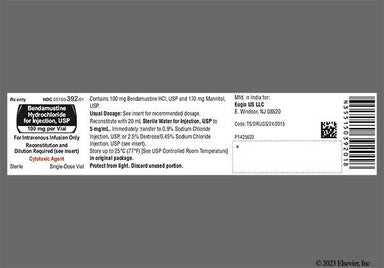
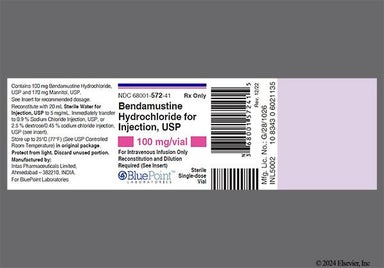
Bendamustine (Treanda) images