



A Complete Guide to Fibromyalgia Treatment
Fibromyalgia treatment can help reduce symptoms, such as pain, migraines, and sensitivity to touch. Learn about the top fibromyalgia treatments, from medications to natural remedies.
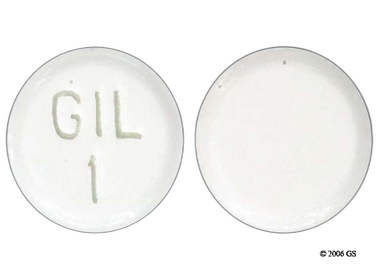
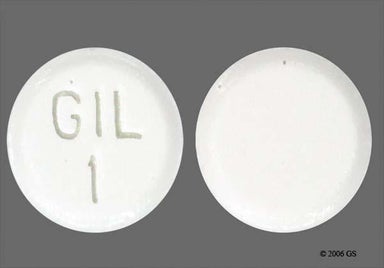
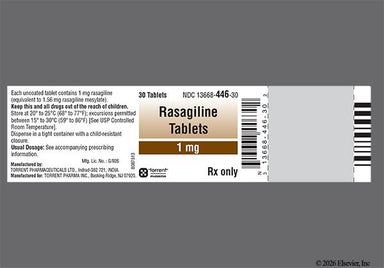
Rasagiline (Azilect) is one of the first-choice options to treat symptoms of Parkinson's disease (PD), such as shakiness, stiff muscles, and slowed movement. Rasagiline (Azilect) is taken once a day and is available in a lower-cost generic form, but it can make you very sleepy.

Rasagiline (Azilect) is a monoamine oxidase type B (MAO-B) inhibitor. MAO-B is a protein in your brain that breaks down dopamine. Low levels of dopamine in your brain cause symptoms of PD. By specifically blocking MAO-B, rasagiline (Azilect) prevents dopamine from being broken down, which leads to a rise in the levels of dopamine in your brain. This helps control your PD symptoms.
| Common Brands | Azilect |
|---|---|
| Drug Class | MAO-B inhibitor |
| Controlled Substance Classification | Not a controlled medication |
| Generic Status | Lower-cost generic available |
| Availability | Prescription only |

The following side effects may get better over time as your body gets used to the medication. Let your healthcare provider know immediately if you continue to experience these symptoms or if they worsen over time.
Note: Percentages are based on taking the medication alone
Contact your healthcare provider immediately if you experience any of the following.
Along with its needed effects, a medicine may cause some unwanted effects. Although not all of these side effects may occur, if they do occur they may need medical attention.
Check with your doctor immediately if any of the following side effects occur:
Less common
Abdominal or stomach pain
arm, back, or jaw pain
black, tarry stools
chest pain or discomfort
chest tightness or heaviness
chills
cloudy urine
difficulty swallowing
dizziness
fainting
fast or irregular heartbeat
loss of appetite
painful or difficult urination
persistent, non-healing sore
pink growth on the skin
puffiness or swelling of the eyelids or around the eyes
reddish patch or irritated area
redness, blistering, peeling, or loosening of the skin
seeing, hearing, or feeling things that are not there
shiny bump
sores, ulcers, or white spots on lips or in mouth
sweating
swollen glands
tests that show problems with the liver
tightness in the chest
unusual bleeding or bruising
unusual tiredness or weakness
weakness
white, yellow or waxy scar-like area
Some side effects may occur that usually do not need medical attention. These side effects may go away during treatment as your body adjusts to the medicine. Also, your health care professional may be able to tell you about ways to prevent or reduce some of these side effects. Check with your health care professional if any of the following side effects continue or are bothersome or if you have any questions about them:
More common
Acid or sour stomach
belching
difficulty with moving
headache
indigestion
muscle pain or stiffness
pain in the joints
stomach discomfort or upset
Less common
Bruising
burning, crawling, itching, numbness, prickling, "pins and needles" or tingling feelings
burning, dry, or itching eyes
decreased interest in sexual intercourse
difficulty breathing
difficulty with moving
discouragement
excessive tearing
eye discharge
fall
feeling of constant movement of self or surroundings
feeling sad or empty
general feeling of discomfort or illness
inability to have or keep an erection
irritability
joint pain
lack of appetite
large, flat, blue or purplish patches in the skin
lightheadedness
loss in sexual ability, desire, drive, or performance
loss of interest or pleasure
muscle aches
neck pain
noisy breathing
redness, pain, swelling of the eye, eyelid, or inner lining of the eyelid
sensation of spinning
shivering
swelling or redness in the joints
thinning of the hair
tiredness
trouble concentrating
trouble sleeping
vomiting
Other side effects not listed may also occur in some patients. If you notice any other effects, check with your healthcare professional.
Call your doctor for medical advice about side effects. You may report side effects to the FDA at 1-800-FDA-1088.




Rasagiline (Azilect) can cause some serious health issues. This risk may be even higher for certain groups. If this worries you, talk to your doctor or pharmacist about other options.
Rasagiline (Azilect) can cause or worsen high blood pressure. Rasagiline (Azilect) can also make you more sensitive to tyramine, a substance in your body that can raise your blood pressure. Eating food that’s very high in tyramine (more than 150 mg) while taking this medication can lead to dangerously high blood pressure that might require emergency medical treatment. Because of this risk, avoid food that contains large amounts of tyramine, such as aged cheeses, cured meats, pickled or fermented food, and alcohol. Let your provider know if your blood pressure is consistently above normal.
Taking rasagiline (Azilect) with other medications that raise serotonin levels in your body can lead to a potentially life-threatening condition called serotonin syndrome. Serotonin is a natural chemical that your brain and nerves use to communicate, but at very high levels, serotonin can cause confusion, hallucinations, coma, seizures, fainting, shivering, sweating, high fevers, racing heart, high blood pressure, muscle stiffness or twitching, and tremors. If you experience any of these symptoms, stop taking rasagiline (Azilect) and get medical help right away.
Don't take rasagiline (Azilect) if you're taking meperidine (Demerol), tramadol (Ultram), methadone (Dolophine), propoxyphene, or MAO inhibitors (including MAO-B inhibitors). It's also not recommended to take rasagiline (Azilect) if you're taking medications to treat your depression, such as citalopram (Celexa), fluoxetine (Prozac), or venlafaxine (Effexor). After stopping rasagiline (Azilect), wait at least 14 days to start any medications for depression. Before you start rasagiline (Azilect), wait at least 5 weeks after stopping your depression medications, since some antidepressants take a long time to clear out of your body.
Rasagiline (Azilect) and other medications that raise your dopamine levels can make you fall asleep out of nowhere, even if you don't feel sleepy. Because of this risk, avoid driving or doing things that require you to focus until you know how this medication affects you, especially if you normally feel sleepy or if you've fallen asleep suddenly in the past. Let your provider know if you feel very sleepy during the daytime or if you fall asleep during activities where you need to concentrate.
Rasagiline (Azilect) can cause sudden drops in your blood pressure. This can make you dizzy or lightheaded, especially when getting up after sitting or lying down. To avoid falling, get up slowly when you stand from a sitting or lying down position. This is more likely to happen during the first two months of taking rasagiline (Azilect) and should get better over time.
Rasagiline (Azilect) and other medications for Parkinson’s disease can cause hallucinations and changes in behavior and thinking, such as paranoia, delusions, confusion, aggressive behavior, uneasiness, trouble sleeping, disturbing dreams, and less awareness of your surroundings. Generally, these symptoms can occur shortly after you start taking these medications, and they might get better once you stop taking this medication or if your dose is lowered. Because of this risk, you shouldn't take rasagiline (Azilect) if you have certain mental health conditions. Certain mental health medications, such as haloperidol (Haldol) or perphenazine, can worsen your Parkinson's disease and might affect how well rasagiline (Azilect) works.
Rasagiline (Azilect) and other Parkinson's disease medications can cause changes in people's behavior, including strong sexual or gambling urges, urges to spend a lot of money, and binge eating. These medications can also make it hard to control these urges. If these urges start to have a negative impact on your life, let your provider know. You might not know you have these urges while taking rasagiline (Azilect), so your provider might ask if you've recently had these behaviors at your next visit.
Although rare, stopping rasagiline (Azilect) or lowering your dose too quickly can cause side effects similar to those of neuroleptic malignant syndrome (NMS). This is a life-threatening condition caused by certain mental health medications. It can cause very high fevers, irregular pulse, sweating, muscle stiffness, confusion, and changes in blood pressure. NMS is treatable if it's recognized early. Don't stop taking rasagiline (Azilect) or lower your dose without talking to your provider so they can instruct you on how to stop the medication safely.


Although certain medicines should not be used together at all, in other cases two different medicines may be used together even if an interaction might occur. In these cases, your doctor may want to change the dose, or other precautions may be necessary. When you are taking this medicine, it is especially important that your healthcare professional know if you are taking any of the medicines listed below. The following interactions have been selected on the basis of their potential significance and are not necessarily all-inclusive.
Using this medicine with any of the following medicines is not recommended. Your doctor may decide not to treat you with this medication or change some of the other medicines you take.
Using this medicine with any of the following medicines is usually not recommended, but may be required in some cases. If both medicines are prescribed together, your doctor may change the dose or how often you use one or both of the medicines.
Using this medicine with any of the following medicines may cause an increased risk of certain side effects, but using both drugs may be the best treatment for you. If both medicines are prescribed together, your doctor may change the dose or how often you use one or both of the medicines.


Contraindications are specific health conditions or situations in which a person should not take a medication due to safety concerns. If you have any of the following conditions or if any of the following apply to you, let your healthcare provider know because Rasagiline (Azilect) will not be safe for you to take.



Prescription savings
Stop paying too much for your prescriptions. Compare prices, get pharmacy coupons, and save up to 80%. Find expert answers to your health questions so you can make the best decisions for yourself and your family.
Health conditions
Medications & treatment
Access & affordability
Medication discounts


If you're taking medications to treat depression, it's not recommended that you take Rasagiline. Taking Rasagiline with depression medications can raise your risk of serotonin syndrome, which is a potentially deadly condition caused by very high serotonin levels in your body. Serotonin syndrome can cause confusion, restlessness, fainting, shivering, sweating, high fevers, headache, racing heart, high blood pressure, diarrhea, muscle stiffness or twitching, tremor, hallucinations, coma, and seizures. If you experience any of these symptoms, stop taking Rasagiline and get medical help right away. After stopping Rasagiline, wait at least 14 days to start any medications for depression. Before you start Rasagiline, wait at least 5 weeks after stopping your depression medications, since some antidepressants take a long time to clear out of your body.
Avoid eating a lot of foods that have high amounts (more than 150 mg) of tyramine. Examples of these foods are cured meats, pickled or fermented food, aged cheeses, and alcohol. Tyramine is a substance that raises blood pressure. Taking Rasagiline causes tyramine levels in your body to rise. Taking this medication and eating large amounts of tyramine-rich foods at the same time can cause your blood pressure to rise to dangerous levels.
Rasagiline can start to improve your PD symptoms within 1 week of starting the medication.
Rasagiline is broken down in your body by a protein called CYP1A2. Certain medications that block CYP1A2, such as ciprofloxacin (Cipro), can raise the levels of Rasagiline, which can lead to side effects. If you're taking ciprofloxacin or other medications that block CYP1A2, your provider will prescribe a lower dose of Rasagiline. Check with your pharmacist or provider to see if your medications will interact with Rasagiline.
Although rare, lowering your dose of Rasagiline too quickly or stopping the medication can cause high fevers and confusion. If you want to stop taking Rasagiline, let your provider know so they can instruct you on how to stop the medication safely.
