



Which Diabetes Medications Can Cause Weight Loss or Gain?
Many diabetes drugs cause weight changes. But which drugs cause weight loss, and which cause weight gain? Here’s how metformin, Ozempic, and other meds affect your weight.
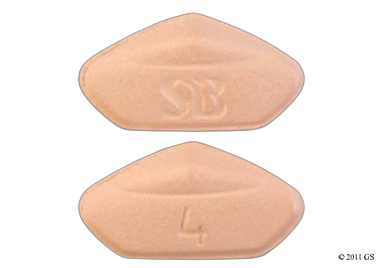
Avandia (rosiglitazone) is an add-on medication to diet and exercise to control blood sugar in people with type 2 diabetes.

Avandia (rosiglitazone) is a thiazolidinedione that improves your body's ability to use insulin to lower your blood sugar.
| Common Brands | Avandia |
|---|---|
| Drug Class | Thiazolidinedione |
| Controlled Substance Classification | Not a controlled medication |
| Generic Status | No lower-cost generic available |
| Availability | Prescription only |

The following side effects may get better over time as your body gets used to the medication. Let your healthcare provider know immediately if you continue to experience these symptoms or if they worsen over time.
Contact your healthcare provider immediately if you experience any of the following.
Along with its needed effects, a medicine may cause some unwanted effects. Although not all of these side effects may occur, if they do occur they may need medical attention.
Check with your doctor immediately if any of the following side effects occur:
Less common
Abdominal or stomach pain
blurred vision
chest pain or discomfort
decrease in the amount of urine
flushed, dry skin
fruit-like breath odor
increased hunger
increased thirst
increased urination
irregular heartbeat
noisy, rattling breathing
pain in the shoulders, arms, jaw, or neck
pale skin
rapid or unusual weight gain
sweating
swelling of the fingers, hands, feet, or lower legs
trouble breathing
unexplained weight loss
unusual bleeding or bruising
unusual tiredness or weakness
vomiting
Rare
chills
cold sweats
coma
confusion
dark urine
dizziness
fast heartbeat
headache
loss of appetite
nightmares
seizures
shakiness
slurred speech
Some side effects may occur that usually do not need medical attention. These side effects may go away during treatment as your body adjusts to the medicine. Also, your health care professional may be able to tell you about ways to prevent or reduce some of these side effects. Check with your health care professional if any of the following side effects continue or are bothersome or if you have any questions about them:
More common
Ear congestion
general feeling of discomfort or illness
hoarseness or other voice changes
injury
joint pain
muscle aches and pains
runny or stuffy nose
shivering
trouble sleeping
Other side effects not listed may also occur in some patients. If you notice any other effects, check with your healthcare professional.
Call your doctor for medical advice about side effects. You may report side effects to the FDA at 1-800-FDA-1088.




Avandia (rosiglitazone) can cause some serious health issues. This risk may be even higher for certain groups. If this worries you, talk to your doctor or pharmacist about other options.
 Avandia (rosiglitazone) can cause fluid buildup that can cause or worsen heart failure. If you have advanced heart failure, talk to your provider since Avandia (rosiglitazone) may not be the best medication for you. Your provider will check your heart regularly while you're taking Avandia (rosiglitazone).
Avandia (rosiglitazone) can cause fluid to build up in your body. This can cause heart failure if it's not caught in time. The risk is greater with a higher dose. Tell your provider about any unexpected or sudden weight gain, swelling in your arms or legs, or trouble breathing.
If you've had liver problems or damage in the past, talk to your provider before starting Avandia (rosiglitazone), since there's a small chance that it can hurt your liver. Tell your provider about any stomach pain that doesn't go away, dark urine, or yellowing of eyes/skin. Your provider will check your liver regularly.
In some studies, women taking Avandia (rosiglitazone) were more likely to have bone fractures. If you're at risk because you already have weak bones or osteoporosis, talk to your provider about how to keep your bones healthy.
Taking Avandia (rosiglitazone) can cause you to have low blood sugar. This is more likely to happen if you're taking other medications that also lower your blood sugar. Talk to your healthcare provider or pharmacist about the signs of low blood sugar and how to treat it. Your healthcare provider might have to change the doses of your other medications.
In clinical studies, Avandia (rosiglitazone) was linked to a greater risk of heart attacks in some people. Talk to your healthcare provider to discuss this risk.


Although certain medicines should not be used together at all, in other cases two different medicines may be used together even if an interaction might occur. In these cases, your doctor may want to change the dose, or other precautions may be necessary. When you are taking this medicine, it is especially important that your healthcare professional know if you are taking any of the medicines listed below. The following interactions have been selected on the basis of their potential significance and are not necessarily all-inclusive.
Using this medicine with any of the following medicines is usually not recommended, but may be required in some cases. If both medicines are prescribed together, your doctor may change the dose or how often you use one or both of the medicines.
Using this medicine with any of the following medicines may cause an increased risk of certain side effects, but using both drugs may be the best treatment for you. If both medicines are prescribed together, your doctor may change the dose or how often you use one or both of the medicines.





Prescription savings
Stop paying too much for your prescriptions. Compare prices, get pharmacy coupons, and save up to 80%. Find expert answers to your health questions so you can make the best decisions for yourself and your family.
Health conditions
Medications & treatment
Access & affordability
Medication discounts

Metformin (glucophage) and Avandia can be used together along with diet and exercise to control blood sugar in adults with type 2 diabetes.
Sometimes Avandia can add stress to your liver. Your healthcare provider will monitor your liver with lab work to make sure there are no issues. If you have a history of liver problems, let your healthcare provider know.
There is a special FDA warning on the thiazolidinediones, the drug class that includes Avandia and Actos (pioglitazone), because it can make heart failure worse by causing you to keep more fluid in your body. Your healthcare provider will decide if this medication is right for you depending on how severe your heart failure symptoms are.
It can take a few weeks for you to see changes in your blood sugar and up to 12 weeks for the full effect of Avandia.
It's usually taken once or twice daily with or without meals. Take Avandia at around the same time every day. Follow the directions on your prescription label carefully and ask your healthcare provider or pharmacist to explain any part you don't understand.
Avandia is not the first choice to treat diabetes during pregnancy because there isn't enough data with this medication in pregnancy. Insulin is normally the first-choice treatment for diabetes during pregnancy.

