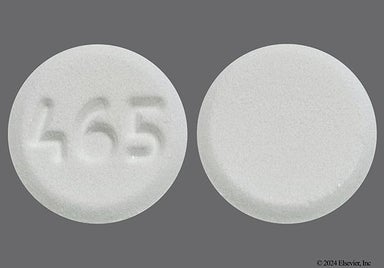
Asenapine (Saphris) is an atypical antipsychotic. It's used to treat schizophrenia in adults and bipolar I disorder in people ages 10 years and older. It comes as sublingual (under the tongue) tablets in both a brand-name and generic versions. The usual dosage is to dissolve a tablet under the tongue twice a day. Some potential side effects of this medication include sleepiness, trouble sleeping, and movement problems.
Asenapine (Saphris) is an atypical antipsychotic. It affects dopamine and serotonin activity in your brain, which can help regulate your thoughts, mood, and behaviors.
The following side effects may get better over time as your body gets used to the medication. Let your healthcare provider know immediately if you continue to experience these symptoms or if they worsen over time.
Common Side Effects
Trouble sleeping (up to 16%)
Sleepiness (up to 15%)
Movement problems (up to 12%)
Restlessness (not being able to sit still, up to 11%)
Dizziness (up to 7%)
Constipation (up to 7%)
Vomiting (up to 7%)
Mouth numbness (up to 7%)
*Note: Side effects listed above were reported by adults with schizophrenia. Similar side effects are seen in adults and children with bipolar disorder.
Less Common Side Effects
Dry mouth
Salivating more
Tiredness (fatigue)
Feeling irritable
Weight gain
Bigger appetite
Stomach discomfort
High blood pressure
Asenapine (Saphris) serious side effects
Contact your healthcare provider immediately if you experience any of the following.
The following Asenapine (Saphris) side effects have also been reported
Along with its needed effects, a medicine may cause some unwanted effects. Although not all of these side effects may occur, if they do occur they may need medical attention.
Check with your doctor immediately if any of the following side effects occur:
More common
Abnormal or decreased touch sensation
inability to move the eyes
inability to sit still
increase in body movements
increased blinking or spasms of the eyelid
lip smacking or puckering
need to keep moving
puffing of the cheeks
rapid or worm-like movements of the tongue
restlessness
shakiness in the legs, arms, hands, or feet
sticking out of tongue
trembling or shaking of the hands or feet
trouble with breathing, speaking, or swallowing
twitching, twisting, uncontrolled repetitive movements of the tongue, lips, face, arms, or legs
uncontrolled chewing movements
uncontrolled twisting movements of the neck, trunk, arms, or legs
Some side effects may occur that usually do not need medical attention. These side effects may go away during treatment as your body adjusts to the medicine. Also, your health care professional may be able to tell you about ways to prevent or reduce some of these side effects. Check with your health care professional if any of the following side effects continue or are bothersome or if you have any questions about them:
Can't be taken by people who have severe liver problems
Pharmacist tips for Asenapine (Saphris)
Each asenapine (Saphris) tablet is packaged on its own. The directions for how to remove the tablet from the packaging can differ depending on the manufacturer, so follow the instructions carefully. Don't open the package or remove the tablet until you're ready to take it. If you remove it too early, the tablet might break.
Make sure your hands are dry before touching the asenapine (Saphris) tablet. Otherwise, the tablet might dissolve in your hands.
Place asenapine (Saphris) under your tongue and let it dissolve completely. Don't crush, chew, or swallow the tablets. Otherwise, you won't get the right dose of medication.
Avoid placing asenapine (Saphris) on or near any mouth sores or blisters. Doing so can cause skin irritation, like swelling and pain.
Don't eat or drink for 10 minutes after you take asenapine (Saphris). Doing so causes your body to absorb less medication, which means that asenapine (Saphris) might not work as well to help with your condition.
Some people might feel a numbing or tingling sensation in their mouth after taking asenapine (Saphris). This sensation should go away after an hour.
Asenapine (Saphris) can make you feel sleepy or dizzy. Don't drive or do anything that requires a lot of concentration until you know how the medication affects you.
Asenapine (Saphris) can make it harder for your body to cool down. Drink enough water to stay hydrated during and after working out, and don't stay in the sun for too long to avoid getting overheating.
Asenapine (Saphris) can cause some serious health issues. This risk may be even higher for certain groups. If this worries you, talk to your doctor or pharmacist about other options.
Higher risk of death in older adults with dementia
Risk factors: People over age 65 years who have dementia
There's higher risk of death in people over 65 years old with dementia taking medications like asenapine (Saphris) to treat psychosis. Most of the time, the causes of death were related to heart problems or infections. Asenapine (Saphris) isn't approved to treat dementia-related psychosis.
Neuroleptic malignant syndrome
Neuroleptic malignant syndrome (NMS) is a rare, but life-threatening condition linked to antipsychotic medications. Symptoms include high fever, fast heart rate, full body stiffness, and confusion. Seek medical attention right away if you notice any of these symptoms. Your prescriber will likely recommend a different medication.
Difficulty controlling movements
Risk factors: Taking atypical antipsychotic medications for a long time | Older females
Long-term use of asenapine (Saphris) has been linked to the development of tardive dyskinesia (TD). TD is a condition where you feel constantly restless and unable to sit still. Symptoms can include lip smacking, grimacing, and unusual eye blinking. Sometimes, this side effect can become permanent, even after you stop taking asenapine (Saphris). To lower your risk of TD, your healthcare team will only prescribe the lowest dose of medication needed to treat your symptoms. THey'll check in with you regularly to see if you still need to take asenapine (Saphris). Talk to your prescriber right away if you experience symptoms of TD.
High blood sugar, high cholesterol, and weight gain
Antipsychotic medications like asenapine (Saphris) can cause high blood sugar or diabetes, high cholesterol, and weight gain. These changes might raise your risk of heart disease, stroke, and other serious health issues. Talk to your prescriber about your risks and preventive measures you can take.
Serious allergic reactions
Asenapine (Saphris) can rarely cause serious allergic reactions. Get medical help right away if you experience a rash, fast heartbeat, swelling, or trouble breathing.
Low blood pressure and changes in heartbeat
Risk factors: Older adults | History of heart or heartbeat problems | Taking blood pressure medications or other medications that can lower blood pressure | Taking medications that can affect heart rhythm
Asenapine (Saphris) can cause low blood pressure, especially when getting up from a sitting or lying down position. This medication can also cause changes in your heart beat. Be very careful the first few days you start taking asenapine (Saphris) when you stand up, because you might feel dizzy and possibly faint or fall. If you've had problems in the past with your heart or heart rhythm, talk to your prescriber to see if you should take something else besides asenapine (Saphris). Contact your care team if you feel faint or experience any abnormal heartbeats while using asenapine (Saphris).
Low white blood cell count
Risk factors: Past low white blood cell count
Asenapine (Saphris) can lower the amount of white blood cells in your body. White blood cells help your body fight off infections and diseases. So you're at a higher risk for infection if your white blood cell count is too low. If you notice a fever or you're getting sick more easily, let your prescriber know right away. You might need to have blood tests done before you start asenapine (Saphris) and during the first few months of being on this medication to make sure that you have a healthy amount of white blood cells.
Seizures
Risk factors: History of seizures | Health conditions that make it easier to have seizures
Asenapine (Saphris) can make you more likely to have seizures. Before starting this medication, let your prescriber know if you have a history of seizures or have a medical condition that puts you at risk for having seizures.
High prolactin levels
Taking asenapine (Saphris) can raise the levels of a hormone called prolactin in the body. The risk is higher if you take this medication over a longer period of time. Symptoms of too much prolactin can include changes in menstrual bleeding patterns, fertility problems, and mood problems in females. They can also include sexual problems in males. Talk with your health care team if you're concerned about higher prolactin levels.
Phenylketonuria
Some brands of asenapine (Saphris) tablets contain phenylalanine, which can be harmful in people with phenylketonuria (PKU). Make sure your prescriber knows if you have PKU.
Asenapine (Saphris) dosage
The average cost for 1 carton of 60 sublingual tablets of 10mg of Asenapine (Saphris) is $112.12 with a free GoodRx coupon. This is 90.32% off the average retail price of $1,158.12.
Interactions between Asenapine (Saphris) and other drugs
Asenapine (Saphris) may interact with certain medications or supplements. Always let your doctor and pharmacist know about any other medications or supplements (including prescribed and over-the-counter medications, vitamins, and dietary or herbal supplements) that you are currently taking. The list below does not include all possible drug interactions with Asenapine (Saphris). Please note that only the generic name of each medication is listed below.
Although certain medicines should not be used together at all, in other cases two different medicines may be used together even if an interaction might occur. In these cases, your doctor may want to change the dose, or other precautions may be necessary. When you are taking this medicine, it is especially important that your healthcare professional know if you are taking any of the medicines listed below. The following interactions have been selected on the basis of their potential significance and are not necessarily all-inclusive.
Using this medicine with any of the following medicines is not recommended. Your doctor may decide not to treat you with this medication or change some of the other medicines you take.
Using this medicine with any of the following medicines is usually not recommended, but may be required in some cases. If both medicines are prescribed together, your doctor may change the dose or how often you use one or both of the medicines.
Using this medicine with any of the following medicines may cause an increased risk of certain side effects, but using both drugs may be the best treatment for you. If both medicines are prescribed together, your doctor may change the dose or how often you use one or both of the medicines.
Contraindications are specific health conditions or situations in which a person should not take a medication due to safety concerns. If you have any of the following conditions or if any of the following apply to you, let your healthcare provider know because Asenapine (Saphris) will not be safe for you to take.
Severe liver problems
What are alternatives to Asenapine (Saphris)?
There are a number of medications that your doctor can prescribe in place of Asenapine (Saphris). Compare a few possible alternatives below.
This medicine is White, Round Carton Imprinted With "B" And "4".White Round 4 And B - Asenapine 10mg Sublingual Tablet (Black Cherry)This medicine is White, Round Carton Imprinted With "465".White Round 465 - Asenapine 10mg Sublingual Tablet
GoodRx Health has strict sourcing policies and relies on primary sources such as medical organizations, governmental agencies, academic institutions, and peer-reviewed scientific journals. Learn more about how we ensure our content is accurate, thorough, and unbiased by reading our editorial guidelines.
Prescription savings
Stop paying too much for your prescriptions. Compare prices, get pharmacy coupons, and save up to 80%.
How long it takes for Asenapine to start working can differ from person to person, and depending on what you're taking it to treat. Based on results from clinical studies, you're likely to notice improvements in your symptoms after taking Asenapine for about 3 weeks for bipolar I disorder, and about 6 weeks for schizophrenia. Talk with your healthcare team if you're not sure whether Asenapine is working for you.
Asenapine is only FDA-approved for schizophrenia and bipolar I disorder, not to help with sleep. While some people experienced sleepiness as a side effect, others have reported insomnia and restlessness. If you're having trouble sleeping, tell your primary care provider. They can talk with you about treatment options for sleep that are appropriate for you.
Taking antipsychotic medications, including Asenapine, can cause weight gain. In a one-year study, adults who took Asenapine for schizophrenia gained an average of 2 pounds. Talk to your prescriber if you're concerned about weight gain from Asenapine. They can help you come up with a plan to minimize weight gain that includes eating a healthy diet and following an exercise routine that's appropriate for you.
Stopping Asenapine suddenly can lead to withdrawal symptoms, such as anxiety and lower sensitivity in the mouth. Doing so can also worsen schizophrenia or bipolar symptoms. Don't stop taking Asenapine without first talking to your prescriber. If you want to stop this medication, your prescriber will instruct you on how to do so safely by lowering your dose slowly over time.
Both Asenapine and aripiprazole (Abilify) are atypical antipsychotics that can treat schizophrenia and bipolar I disorder. But there are some differences between them. For example, Asenapine is only FDA-approved to treat schizophrenia in adults, while aripiprazole (Abilify) is approved in adults and children ages 13 years and older. Another difference is that Asenapine tablet is dissolved under the tongue twice daily, while aripiprazole (Abilify) tablet is taken by mouth once daily. And while Asenapine is only available as a dissolvable tablet, aripiprazole (Abilify) comes in multiple dosage forms, including monthly injections (Abilify Maintena). Follow up with your healthcare team to learn about additional differences between these medications.
Asenapine and olanzapine (Zyprexa) are both atypical antipsychotics used to treat schizophrenia and bipolar I disorder. One difference between them is that olanzapine (Zyprexa) treat schizophrenia in adults and children ages 13 years and older, but Asenapine can only be taken by adults. Another difference is that olanzapine (Zyprexa) is also approved to help with other conditions, such as treatment-resistant depression, while Asenapine isn't. A third difference is that olanzapine (Zyprexa) is more likely to cause weight gain as a side effect compared to Asenapine. Talk with your healthcare team if you have more questions about either of these medications.
No, you shouldn't cut Asenapine in half. This medication is designed to dissolve under your tongue within seconds. Don't try to split, crush, or chew it, because you might not get the full dose. If you're having trouble taking it as a whole tablet under your tongue, speak to your prescriber.
Talk with your healthcare team if you're pregnant or thinking of becoming pregnant. There haven't been any studies that specifically look at the safety of Asenapine during pregnancy. In general, taking antipsychotic medications during the third trimester can raise the risk for movement problems and withdrawal symptoms in newborn babies. But research suggests that antipsychotic medications aren't likely to raise the risk of birth defects. If you have schizophrenia or bipolar I disorder, it's important that you continue to receive treatment for your condition during pregnancy. Talk with your healthcare team about possible options, including non-medication therapies, during pregnancy.












 There's higher risk of death in people over 65 years old with