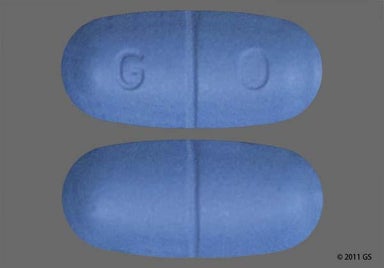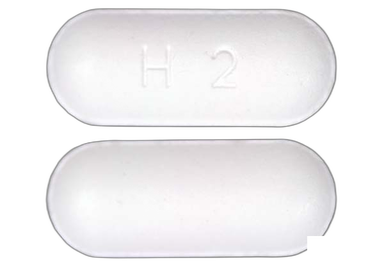
naproxen sodium
Prescription-strength naproxen sodium (Anaprox DS) is a non-steroidal anti-inflammatory drug (NSAID). It relieves pain and inflammation in children and adults by blocking specific proteins called cyclooxygenases. This medication is prescribed to treat certain conditions, such as rheumatoid arthritis and menstrual cramps. Naproxen sodium (Anaprox DS) is the sodium salt form of naproxen, and is absorbed more quickly into the body than naproxen. It comes as a tablet that's taken by mouth, typically 2 to 3 times daily. Some common side effects include stomach upset and dizziness.


What is Naproxen sodium (Anaprox DS)?
What is Naproxen sodium (Anaprox DS) used for?
- Rheumatoid arthritis (RA)
- Osteoarthritis (OA)
- Ankylosing spondylitis (AS) (arthritis of the spine)
- Polyarticular juvenile idiopathic arthritis (arthritis in children)
- Tendonitis and bursitis
- Gout attacks
- Pain
- Menstrual cramps
How Naproxen sodium (Anaprox DS) works
Naproxen sodium (Anaprox DS) is a non-steroidal anti-inflammatory drug (NSAID). It works by blocking proteins (called cyclooxygenase, or COX) in your body that cause inflammation, pain, and swelling.
Drug facts
| Common Brands | Anaprox DS |
|---|---|
| Drug Class | NSAID |
| Controlled Substance Classification | Not a controlled medication |
| Generic Status | Lower-cost generic available |
| Availability | Prescription only |
More on Naproxen sodium (Anaprox DS) essentials



Side effects of Naproxen sodium (Anaprox DS)
The following side effects may get better over time as your body gets used to the medication. Let your healthcare provider know immediately if you continue to experience these symptoms or if they worsen over time.
Common Side Effects
The following side effects were reported in up to 10% of people in clinical studies:
- Heartburn
- Stomach pain
- Constipation
- Nausea
- Dizziness
- Drowsiness
- Headache
- Itchy skin
- Bruising
- Ringing in the ears
- Swelling
- Shortness of breath
Less Common Side Effects
- Indigestion
- Diarrhea
- Sweating
- Mouth sores
- Racing heart
- Spinning sensation
- Being more thirsty than usual
- Changes in hearing
Naproxen sodium (Anaprox DS) serious side effects
Contact your healthcare provider immediately if you experience any of the following.
- Stomach bleeding: feeling faint, vomiting blood, bloody or dark stools, severe stomach pain or discomfort
- Heart attack: chest pain or tightness, pain that radiates up to your shoulder, arm, neck, or jaw
- Stroke: chest pain, trouble breathing, weakness in one part of your body or face, slurred speech
- Heart failure: difficulty breathing, swelling, fast heartbeat
- Dangerously high blood pressure: headache, shortness of breath, changes in vision, light-headedness, fatigue
- Worsening liver problems or liver failure: swelling of your stomach, yellowing of your skin or the whites of your eyes, confusion, dark or brown urine
- Kidney problems: tiredness, dry and itchy skin, low appetite, urinating less than usual, foamy or bloody urine, muscle cramps
- Allergic reactions: hives, rash, blisters, swelling of the lips or tongue, difficulty breathing
- Serious skin reaction: skin reddening, blisters, rash
More on Naproxen sodium (Anaprox DS) side effects

The following Naproxen sodium (Anaprox DS) side effects have also been reported
Side effects that you should report to your care team as soon as possible:
- Allergic reactions—skin rash, itching, hives, swelling of the face, lips, tongue, or throat
- Bleeding—bloody or black, tar-like stools, vomiting blood or brown material that looks like coffee grounds, red or dark brown urine, small red or purple spots on skin, unusual bruising or bleeding
- Heart attack—pain or tightness in the chest, shoulders, arms, or jaw, nausea, shortness of breath, cold or clammy skin, feeling faint or lightheaded
- Heart failure—shortness of breath, swelling of the ankles, feet, or hands, sudden weight gain, unusual weakness or fatigue
- Increase in blood pressure
- Kidney injury—decrease in the amount of urine, swelling of the ankles, hands, or feet
- Liver injury—right upper belly pain, loss of appetite, nausea, light-colored stool, dark yellow or brown urine, yellowing skin or eyes, unusual weakness or fatigue
- Rash, fever, and swollen lymph nodes
- Redness, blistering, peeling, or loosening of the skin, including inside the mouth
- Round red or dark patches on the skin that may itch, burn, and blister
- Stroke—sudden numbness or weakness of the face, arm, or leg, trouble speaking, confusion, trouble walking, loss of balance or coordination, dizziness, severe headache, change in vision
Side effects that usually do not require medical attention (report these to your care team if they continue or are bothersome):
- Headache
- Loss of appetite
- Nausea
- Upset stomach

Get your GoodRx coupon

Pros and cons of Naproxen sodium (Anaprox DS)
Pros
- Taken by mouth
- Sodium salt form of naproxen; might relieve pain more quickly than naproxen (Naprosyn)
- Effect lasts longer than some other NSAIDs, such as ibuprofen (Advil)
Cons
- Only available as a tablet, not a good choice for people who have trouble swallowing tablets
- Not a good option for children under 50 kg (110 lbs)
- Can't take during pregnancy

Pharmacist tips for Naproxen sodium (Anaprox DS)

- It's best to take naproxen sodium (Anaprox DS) with food or milk to help ease stomach-related side effects, such as stomach pain and irritation.
- You might start to feel the pain-relieving effects of naproxen sodium (Anaprox DS) within a few hours. But if you're taking naproxen sodium (Anaprox DS) for inflammation, it can take several weeks before the swelling goes down. Depending on what you're taking naproxen sodium (Anaprox DS) for, you might need to continue treatment for a while before you know whether this medication is helping or not.
- Naproxen sodium (Anaprox DS) raises the risk of stomach bleeding. Tell your prescriber right away if you experience unexplained vomiting or stomach pain, or blood in your vomit or stool. They can let you know if you need more medical attention.
- It's best to avoid drinking alcohol while taking naproxen sodium (Anaprox DS). Doing so can raise your risk for stomach bleeding and other stomach-related side effects. If you drink alcohol regularly and it's difficult for you to stop, talk with your healthcare team. They can recommend resources to help you stop drinking, or they can discuss other alternative options to help with your condition.
- Naproxen sodium (Anaprox DS) might raise your blood pressure. If you already have high blood pressure, your healthcare provider might ask you to check your blood pressure at home more often. If needed, they might make changes to your blood pressure medications.
- Never take naproxen sodium (Anaprox DS) with other NSAIDs, such as ibuprofen (Motrin, Advil). Doing so puts you at higher risk for stomach bleeds, stroke, and heart attack. Make sure to carefully check the manufacturer's label for over-the-counter pain and cold medications because they might contain NSAIDs. Ask a healthcare professional if you're not sure whether you're already taking a medication with an NSAID.
- If you're taking aspirin for your heart, make sure to ask your prescriber if it's safe for you to also take naproxen sodium (Anaprox DS). Taking both medications together raises your risk for side effects.
- If you're pregnant, talk to your healthcare team about safer alternatives than naproxen sodium (Anaprox DS) for pain. You should avoid taking naproxen sodium (Anaprox DS) during the second half of pregnancy because it might cause problems to your unborn baby or cause complications during delivery. And the safety of naproxen sodium (Anaprox DS) in the first half of pregnancy isn't clear.
- If you're breastfeeding, discuss with your healthcare team about the risks and benefits of taking naproxen sodium (Anaprox DS). Limited research shows that naproxen sodium (Anaprox DS) can get into breastmilk. This means there might be a small risk of harm to the breastfed baby.

Risks and warnings for Naproxen sodium (Anaprox DS)
Naproxen sodium (Anaprox DS) can cause some serious health issues. This risk may be even higher for certain groups. If this worries you, talk to your doctor or pharmacist about other options.
Stomach bleeding
- Risk factors: Older adult | History of stomach bleeding or bleeding problems | Liver problems | Taking other medications that raise your risk of bleeds | Drinking alcohol | Smoking | Taking naproxen sodium (Anaprox DS) for a long time
 Naproxen sodium (Anaprox DS), like all NSAIDS, raises your risk for stomach ulcers (sores) and bleeds. Stomach bleeding can happen at anytime during treatment; it's a dangerous side effect that requires treatment right away. Often times, people who have stomach bleeds don't experience any symptoms. Make sure to tell your healthcare professional (HCP) or pharmacist about all of your conditions and medications before starting naproxen sodium (Anaprox DS) so they can talk with you about your risk for stomach bleeding. If you're feeling faint, vomiting blood, have bloody or dark stools, or have severe stomach pain or discomfort that doesn't go away while taking naproxen sodium (Anaprox DS), seek medical attention right away.
Heart attack and stroke
- Risk factors: Heart problems | Taking higher doses of naproxen sodium (Anaprox DS) | Taking naproxen sodium (Anaprox DS) for a long time | Past or planned heart surgery
Naproxen sodium (Anaprox DS) might raise your risk of having blood clots, which can cause a heart attack or stroke. To lower your risk of blood clots and heart problems, your HCP will prescribe naproxen sodium (Anaprox DS) for the shortest time needed to treat your condition. If you have heart problems, talk to your HCP before starting this medication. Don't take naproxen sodium (Anaprox DS) if you had, or will have, heart surgery. Call 911 or get immediate help if you experience chest pain, shortness of breath, weakness on one side of your body, or trouble speaking or walking.
High blood pressure and heart failure
- Risk factors: Heart problems
Naproxen sodium (Anaprox DS) can cause your body to hold onto extra fluid, which can raise your blood pressure or put you at risk for heart failure. Tell your HCP if you have a history of heart problems, or are taking blood pressure medications, before starting naproxen sodium (Anaprox DS) to make sure it's safe for you. Your HCP will screen you for heart problems before starting you on this medication. Some forms of naproxen sodium (Anaprox DS) contains sodium, so it's important to keep track of how much you're getting from your doses if you're on a low-salt diet. If you experience unexplained fainting, chest pain with physical activity, or irregular heartbeat while taking naproxen sodium (Anaprox DS), contact your HCP.
Kidney damage
- Risk factors: Older adult | Kidney problems | Heart failure | Liver problems | High blood sugar levels | Not enough fluids in the body (dehydration) | Taking other medications that can cause kidney problems
Naproxen sodium (Anaprox DS) can cause kidney problems. Your risk is higher if you have certain factors like older age, certain medical problems like diabetes, or you're taking medications that can cause kidney problems. Your healthcare professional might order lab tests to monitor your kidney health before and during treatment with naproxen sodium (Anaprox DS). If your kidney health worsens, your HCP might stop your naproxen sodium (Anaprox DS) treatment. Contact your HCP if you develop any signs or symptoms of kidney failure, including changes in your need to urinate, tiredness, dry and itchy skin, low appetite, and muscle cramps.
Liver problems
- Risk factors: History of liver problems
Though rare, naproxen sodium (Anaprox DS) can cause serious liver problems that can lead to liver failure. Get medical attention right away if you notice swelling of your stomach, stomach pain, yellowing of your skin or the whites of your eyes, stool changes (black, tarry, or bloody stools), nausea, vomiting, confusion, or dark or brown urine. You might need to stop using the medication to prevent further liver damage.
Severe allergic reactions
- Risk factors: Aspirin allergy | NSAID allergy
Severe allergic reactions to naproxen sodium (Anaprox DS) are possible, including life-threatening reactions like facial swelling, shock, and anaphylaxis. Let your HCP know if you have an allergy to aspirin or other NSAIDs before starting naproxen sodium (Anaprox DS). If you notice hives, rash, red skin, swelling of the lips or tongue, or difficulty breathing after using naproxen sodium (Anaprox DS), get medical attention right away.
Although rare, naproxen sodium (Anaprox DS) can cause serious skin reactions called Stevens-Johnson syndrome (SJS), toxic epidermal necrolysis (TEN), or drug reaction with eosinophilia and systemic symptoms (DRESS). If you notice changes in your skin, such as rash, blisters, skin reddening, or skin peeling, stop using naproxen sodium (Anaprox DS) and get medical attention right away.
Not for use while pregnant or breastfeeding
Naproxen sodium (Anaprox DS) can cause harm to your unborn baby, especially if it's taken in the second half of pregnancy (after week 20). It can cause serious complications, such as heart or kidney problems in your unborn baby or problems during delivery. Speak to your HCP about the risks and benefits of taking naproxen sodium (Anaprox DS) if you're pregnant before taking this medication. Ask whether there are safer alternatives.

Naproxen sodium (Anaprox DS) dosage
 Tablet
| Dosage | Quantity | Price as low as | Price per unit |
|---|---|---|---|
| 275mg | 60 tablets | $20.78 | $0.35 |
| 550mg | 20 tablets | $16.59 | $0.83 |
Typical dosage for Naproxen sodium (Anaprox DS)
The different strengths and formulations of naproxen aren't interchangeable. Your healthcare team will likely need to adjust your dose if they're switching you from one form of naproxen to another.
-
RA, OA, and AS: The typical dose is from 275 mg or 550 mg by mouth twice per day. The maximum daily dose is 1,650 mg.
-
Juvenile idiopathic arthritis (A naproxen liquid suspension (e.g., Naproxen (Naprosyn) suspension) is preferred for children. The tablet should only be taken by children who weigh more than 50 kg): Your child's pediatrician will determine the dose based on your child's body weight. The typical dose is 5 mg/kg by mouth twice daily.
-
Pain, menstrual cramps, tendonitis, and bursitis: The typical dose is a single dose of 550 mg by mouth, followed by 550 mg by mouth every 12 hours or 275 mg every 6 to 8 hours as needed. The maximum dose is 1,100 mg per day or as directed by your healthcare team.
-
Gout: The typical dose is 825 mg by mouth at the start of a gout attack, then 275 mg every 8 hours until your symptoms go away.
More on Naproxen sodium (Anaprox DS) dosage



How much does Naproxen sodium (Anaprox DS) cost?
$16.59

Naproxen sodium (Anaprox DS) contraindications
Contraindications are specific health conditions or situations in which a person should not take a medication due to safety concerns. If you have any of the following conditions or if any of the following apply to you, let your healthcare provider know because Naproxen sodium (Anaprox DS) will not be safe for you to take.
- History of asthma, hives, or other allergic reactions after taking aspirin or another NSAID
- Right before or after coronary artery bypass graft surgery (CABG), a type of open heart surgery

What are alternatives to Naproxen sodium (Anaprox DS)?

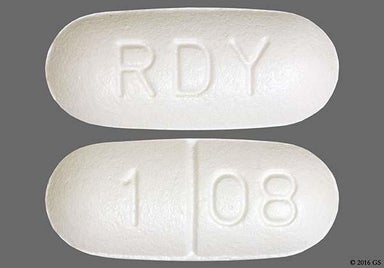
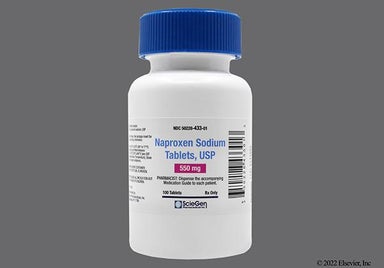
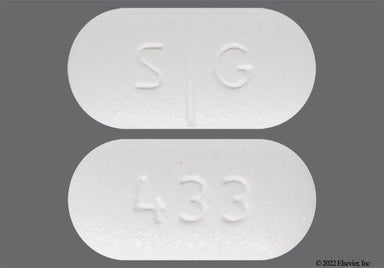
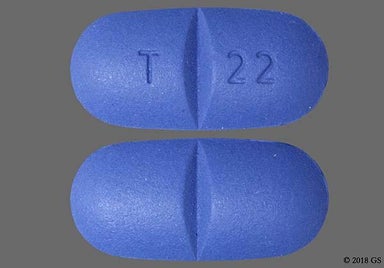
Naproxen sodium (Anaprox DS) images