anagrelide
Anagrelide (Agrylin) is a good medication for people who have a high number of platelets. It can cause side effects so it should be used with caution in people with certain heart and liver conditions.


What is Anagrelide (Agrylin)?
What is Anagrelide (Agrylin) used for?
- Thrombocythemia (high number of platelets)
How Anagrelide (Agrylin) works
Anagrelide (Agrylin) is an antiplatelet medication. While the exact mechanism isn't known, it's slows down the body's ability to make platelets in order to thin your blood.
Drug facts
| Common Brands | Agrylin |
|---|---|
| Drug Class | Antiplatelet |
| Controlled Substance Classification | Not a controlled medication |
| Generic Status | Lower-cost generic available |
| Availability | Prescription only |

Side effects of Anagrelide (Agrylin)
The following side effects may get better over time as your body gets used to the medication. Let your healthcare provider know immediately if you continue to experience these symptoms or if they worsen over time.
Common Side Effects
- Headache (44%)
- Abnormal heart beat (26%)
- Diarrhea (26%)
- Weakness or lack of energy (23%)
- Swelling and holding onto fluid (21%)
- Nausea (17%)
- Abdominal pain (16%)
- Dizziness (15%)
- Shortness of breath (12%)
Less Common Side Effects
- Vomiting
- Gas
- Fever
- Loss of appetite
- Rash
- Cough
- Pain
Anagrelide (Agrylin) serious side effects
Contact your healthcare provider immediately if you experience any of the following.
- Chest pain
The following Anagrelide (Agrylin) side effects have also been reported
Along with its needed effects, a medicine may cause some unwanted effects. Although not all of these side effects may occur, if they do occur they may need medical attention.
Check with your doctor immediately if any of the following side effects occur:
More common
Bloating or swelling of the face, arms, hands, lower legs, or feet
body aches or pain
burning, crawling, itching, numbness, prickling, "pins and needles", or tingling feelings
congestion
difficult or labored breathing
dryness or soreness of the throat
fast, irregular, pounding, or racing heartbeat or pulse
hoarseness
rapid weight gain
tender, swollen glands in the neck
tightness in the chest
trouble with swallowing
voice changes
Less common
blurred vision
burning feeling while urinating
chills
cold sweats
confusion
decreased urine output
dehydration
difficult or painful urination
dilated neck veins
dizziness, faintness, or lightheadedness when getting up suddenly from a lying or sitting position
extreme tiredness or weakness
general feeling of discomfort or illness
headache
irregular breathing
joint pain
large, flat, blue, or purplish patches on the skin
loss of appetite
muscle aches and pains
noisy breathing
pale skin
redness of the face, neck, arms, and occasionally, upper chest
severe pain or pressure in the chest or the jaw, neck, back, or arms
sudden severe headache or weakness
swollen, painful, or tender lymph glands in the neck, armpit, or groin
trouble sleeping
troubled breathing with exertion
unusual bleeding or bruising
unusual tiredness or weakness
vomiting
vomiting of blood or material that looks like coffee grounds
Some side effects may occur that usually do not need medical attention. These side effects may go away during treatment as your body adjusts to the medicine. Also, your health care professional may be able to tell you about ways to prevent or reduce some of these side effects. Check with your health care professional if any of the following side effects continue or are bothersome or if you have any questions about them:
More common
Back pain
belching
excess air or gas in the stomach or bowels
full feeling
hives or welts
indigestion
lack or loss of strength
passing gas
stomach discomfort, upset, or pain
Less common
Burning feeling in the chest or stomach
change in vision
continuing ringing or buzzing or other unexplained noise in the ears
difficulty with moving
double vision
hair loss or thinning of the hair
hearing loss
impaired vision
increased sensitivity of the skin to sunlight
leg cramps
loss of memory
muscle pain or stiffness
problems with memory
redness or other discoloration of the skin
seeing double
severe sunburn
sleepiness or unusual drowsiness
swelling or inflammation of the mouth
swollen joints
Other side effects not listed may also occur in some patients. If you notice any other effects, check with your healthcare professional.
Call your doctor for medical advice about side effects. You may report side effects to the FDA at 1-800-FDA-1088.

Get your GoodRx coupon

Pros and cons of Anagrelide (Agrylin)
Pros
- Available as a generic, which can be less expensive
- Dose can be easily adusted based on your platelet levels
- Can be used in children age 7 and older
- Can be used in people with kidney problems with no recommended dose changes
Cons
- Requires frequent monitoring
- Should be avoided in people with severe liver problems and certain heart conditions
- Causes more side effects than other medications like hydroxyurea
- Usually needs to be taken more than once a day

Pharmacist tips for Anagrelide (Agrylin)

- Take this medication with or without food.
- Antiplatelet medications like anagrelide (Agrylin) can make you bleed more easily. Be careful and avoid injury. Use a soft toothbrush and an electric razor.
- If you do happen to cut yourself or fall, make sure that any cuts or bruises heal correctly. Contact your provider if a cut doesn't clot and continues to bleed or if your bruise gets larger over time.
- Store anagrelide (Agrylin) at room temperature. Keep the medication in it's original container to protect it from light. If you use a pill box to help you take your medications, try to use one that's light-resistant.
- Avoid taking anagrelide (Agrylin) with other medications that raise your risk of bleeding. These include other blood thinners, NSAIDs (ibuprofen, naproxen), and some antidepressants. If you're already taking some of these medications let your provider know. Don't stop taking any prescribed medications on your own.

Risks and warnings for Anagrelide (Agrylin)
Anagrelide (Agrylin) can cause some serious health issues. This risk may be even higher for certain groups. If this worries you, talk to your doctor or pharmacist about other options.
Heart toxicity
- Risk factors: History of heart problems | Prolonged QT interval or taking other medications that prolong QT interval | Liver problems | Low potassium
There have been reports of people having heart problems or changes to their heartbeat while taking anagrelide (Agrylin). It's more likely to happen in people who have a history of heart problems or are at a higher risk for having them. Having severe liver problems can lead to higher levels of anagrelide (Agrylin), which can also raise your risk of having heart problems. Talk to you provider about your past medical history, including your heart health and all the medications you take.
Bleeding risk
- Risk factors: Taking anagrelide (Agrylin) with other medications that increase bleeding (i.e., aspirin, anticoagulants, NSAIDs, antiplatelet agents, antidepressants)
Taking anagrelide (Agrylin) with aspirin can raise your risk of a major bleed. Your risk might also be higher if you are taking other medications that raise your bleeding risk. Let your provider know all the medications you're taking so they can check for interactions. Always monitor for signs and symptoms of bleeding such as bruises that get bigger over time, bleeding gums, dark, tarry stools, and blood in your urine. Contact your provider right away if you notice any of these symptoms.
Lung Problems
Serious lung conditions have been reported with anagrelide (Agrylin) and can happen at any time. Report any changes to your breathing, including worsening shortness of breath. If your provider suspects lung damage they might stop the medication, which can improve symptoms.

Anagrelide (Agrylin) dosage


Interactions between Anagrelide (Agrylin) and other drugs
Although certain medicines should not be used together at all, in other cases two different medicines may be used together even if an interaction might occur. In these cases, your doctor may want to change the dose, or other precautions may be necessary. When you are taking this medicine, it is especially important that your healthcare professional know if you are taking any of the medicines listed below. The following interactions have been selected on the basis of their potential significance and are not necessarily all-inclusive.
Using this medicine with any of the following medicines is not recommended. Your doctor may decide not to treat you with this medication or change some of the other medicines you take.
- Bepridil
- Cisapride
- Defibrotide
- Dronedarone
- Mesoridazine
- Pimozide
- Piperaquine
- Saquinavir
- Sparfloxacin
- Terfenadine
- Thioridazine
- Ziprasidone
Using this medicine with any of the following medicines is usually not recommended, but may be required in some cases. If both medicines are prescribed together, your doctor may change the dose or how often you use one or both of the medicines.
- Abciximab
- Aceclofenac
- Acemetacin
- Alfuzosin
- Alipogene Tiparvovec
- Amiodarone
- Amisulpride
- Amitriptyline
- Amtolmetin Guacil
- Apixaban
- Apomorphine
- Ardeparin
- Argatroban
- Aripiprazole
- Aripiprazole Lauroxil
- Arsenic Trioxide
- Asenapine
- Aspirin
- Astemizole
- Atazanavir
- Azithromycin
- Balofloxacin
- Bedaquiline
- Bemiparin
- Besifloxacin
- Betrixaban
- Bivalirudin
- Bromfenac
- Bufexamac
- Buprenorphine
- Buserelin
- Caplacizumab-yhdp
- Celecoxib
- Ceritinib
- Certoparin
- Chloroquine
- Chlorpromazine
- Choline Salicylate
- Cilostazol
- Ciprofloxacin
- Citalopram
- Clarithromycin
- Clofazimine
- Clomipramine
- Clonixin
- Clopidogrel
- Clozapine
- Crizotinib
- Cyclobenzaprine
- Dabigatran Etexilate
- Dabrafenib
- Dalteparin
- Danaparoid
- Dasatinib
- Degarelix
- Delamanid
- Desipramine
- Desirudin
- Deslorelin
- Desvenlafaxine
- Deutetrabenazine
- Dexibuprofen
- Dexketoprofen
- Diclofenac
- Diflunisal
- Dipyridamole
- Dipyrone
- Disopyramide
- Dofetilide
- Dolasetron
- Domperidone
- Donepezil
- Doxepin
- Droperidol
- Droxicam
- Duloxetine
- Ebastine
- Edoxaban
- Efavirenz
- Encorafenib
- Enoxacin
- Enoxaparin
- Enoximone
- Entrectinib
- Eptifibatide
- Eribulin
- Erythromycin
- Escitalopram
- Ethinyl Estradiol
- Etodolac
- Etofenamate
- Etoricoxib
- Famotidine
- Felbamate
- Felbinac
- Fenoprofen
- Fepradinol
- Feprazone
- Fingolimod
- Flecainide
- Floctafenine
- Fluconazole
- Flufenamic Acid
- Flumequine
- Fluoxetine
- Flurbiprofen
- Fluvoxamine
- Fondaparinux
- Formoterol
- Foscarnet
- Fosphenytoin
- Fostemsavir
- Galantamine
- Gatifloxacin
- Gemifloxacin
- Glasdegib
- Gonadorelin
- Goserelin
- Granisetron
- Halofantrine
- Haloperidol
- Heparin
- Histrelin
- Hydroquinidine
- Hydroxychloroquine
- Hydroxyzine
- Ibrutinib
- Ibuprofen
- Ibutilide
- Iloperidone
- Imipramine
- Inamrinone
- Indomethacin
- Inotersen
- Inotuzumab Ozogamicin
- Itraconazole
- Ivabradine
- Ivosidenib
- Ketoconazole
- Ketoprofen
- Ketorolac
- Lapatinib
- Lefamulin
- Lenvatinib
- Lepirudin
- Levofloxacin
- Levomilnacipran
- Lofexidine
- Lomefloxacin
- Lornoxicam
- Loxoprofen
- Lumefantrine
- Lumiracoxib
- Macimorelin
- Meclofenamate
- Mefenamic Acid
- Mefloquine
- Meloxicam
- Methadone
- Methoxsalen
- Metronidazole
- Mexiletine
- Mibefradil
- Mifepristone
- Milnacipran
- Milrinone
- Mirtazapine
- Mizolastine
- Morniflumate
- Moxifloxacin
- Nabumetone
- Nadifloxacin
- Nadroparin
- Nafarelin
- Naproxen
- Nelfinavir
- Nepafenac
- Niflumic Acid
- Nilotinib
- Nimesulide
- Nimesulide Beta Cyclodextrin
- Norfloxacin
- Octreotide
- Ofloxacin
- Olanzapine
- Ondansetron
- Osilodrostat
- Osimertinib
- Oxaliplatin
- Oxaprozin
- Oxyphenbutazone
- Ozanimod
- Paliperidone
- Panobinostat
- Parecoxib
- Parnaparin
- Paroxetine
- Pasireotide
- Pazopanib
- Pazufloxacin
- Pefloxacin
- Peginterferon Alfa-2b
- Pentamidine
- Perphenazine
- Phenindione
- Phenprocoumon
- Phenylbutazone
- Phenylpropanolamine
- Piketoprofen
- Pimavanserin
- Pipamperone
- Piracetam
- Piroxicam
- Pitolisant
- Pixantrone
- Ponesimod
- Posaconazole
- Prasugrel
- Probucol
- Procainamide
- Prochlorperazine
- Proglumetacin
- Promethazine
- Propafenone
- Propyphenazone
- Proquazone
- Protein C
- Protriptyline
- Prulifloxacin
- Quetiapine
- Quinidine
- Quinine
- Ranolazine
- Reviparin
- Ribociclib
- Rilpivirine
- Risperidone
- Ritonavir
- Rivaroxaban
- Rofecoxib
- Rufloxacin
- Salicylic Acid
- Salsalate
- Selpercatinib
- Selumetinib
- Sertindole
- Sertraline
- Sevoflurane
- Siponimod
- Sodium Phosphate
- Sodium Phosphate, Dibasic
- Sodium Phosphate, Monobasic
- Sodium Salicylate
- Solifenacin
- Sorafenib
- Sotalol
- Sulfinpyrazone
- Sulindac
- Sulpiride
- Sunitinib
- Tacrolimus
- Tamoxifen
- Telaprevir
- Telavancin
- Telithromycin
- Tenoxicam
- Tetrabenazine
- Thiabendazole
- Tiaprofenic Acid
- Ticagrelor
- Ticlopidine
- Tinzaparin
- Tirofiban
- Tolfenamic Acid
- Tolmetin
- Tolterodine
- Toremifene
- Trazodone
- Treprostinil
- Triclabendazole
- Trimipramine
- Triptorelin
- Valdecoxib
- Vandetanib
- Vardenafil
- Vemurafenib
- Venlafaxine
- Vilanterol
- Vilazodone
- Vinflunine
- Voclosporin
- Voriconazole
- Vorinostat
- Vortioxetine
- Warfarin
- Zileuton
- Zuclopenthixol

How much does Anagrelide (Agrylin) cost?

What are alternatives to Anagrelide (Agrylin)?

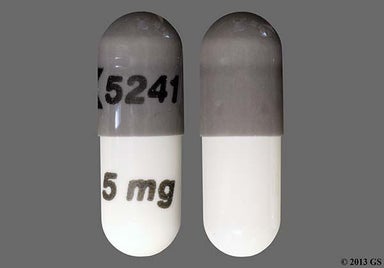
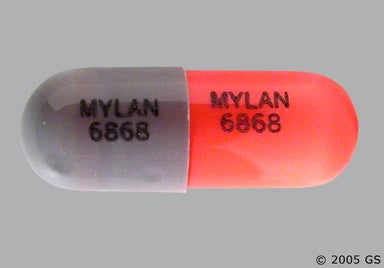
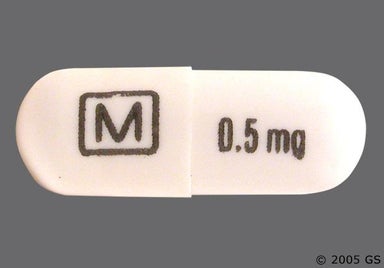
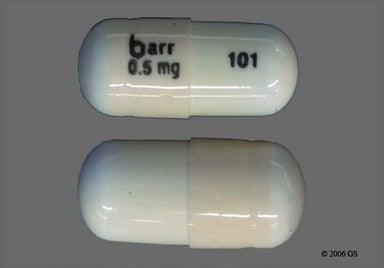
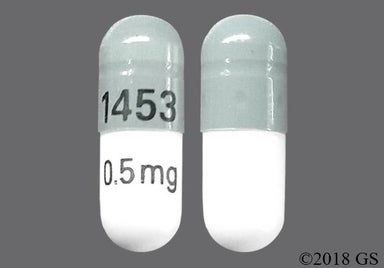
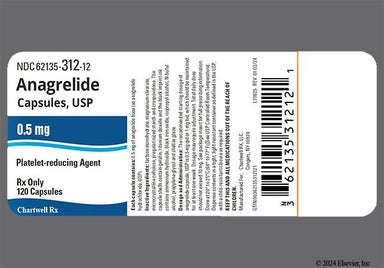
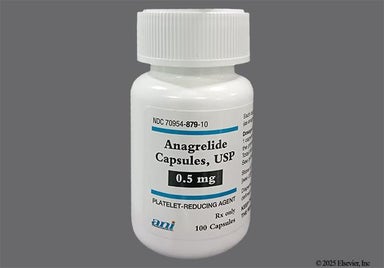
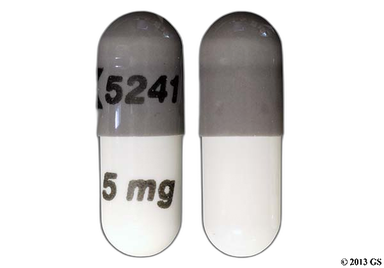
Anagrelide (Agrylin) images