Alprazolam (Xanax) is a controlled substance, which means that it's more likely to be misused or cause dependence. There are federal and state laws that limit the amount of medication that can be prescribed or dispensed within a certain period of time.
Alprazolam (Xanax) is a fast-acting benzodiazepine. It relaxes your mood by affecting certain chemicals in the brain that are involved in feelings of anxiety.
Alprazolam (Xanax) can cause some serious health issues. This risk may be even higher for certain groups. If this worries you, talk to your doctor or pharmacist about other options.
Sedation and difficulty breathing
Risk factors: Taking alprazolam (Xanax) with opioids or alcohol | History of lung conditions
Taking alprazolam (Xanax) with opioids or alcohol can cause severe drowsiness, tiredness, and difficulty breathing, which can be life-threatening.
Some people with long-term pain might already be taking opioid medications. If this applies to you, let your care team know. The combination of alprazolam (Xanax) with opioid medication should be avoided because this raises the chance of overdose. Ask your care team if safer medication options are available. If you or a loved one notices that you're having trouble breathing or waking up easily, get medical help right away.
Potential for misuse, addiction, dependence, and withdrawal
Risk factors: Past substance misuse | Taking higher doses of alprazolam (Xanax) over a longer period of time | Stopping alprazolam (Xanax) suddenly
Taking alprazolam (Xanax) can raise the risk of misuse (using it for reasons other than prescribed) or addiction. This can happen even at the recommended dose of this medication. Misuse and addiction are serious concerns because they can lead to overdose, which can be life-threatening.
Additionally, taking alprazolam (Xanax) over longer periods of time can raise the risk for physical dependence. If so, suddenly stopping alprazolam (Xanax) can lead to withdrawal symptoms, including hallucinations, a change in behavior, and trouble sleeping. Sometimes, withdrawal symptoms can last weeks to years. Don't stop taking alprazolam (Xanax) without first talking to your HCP. Take alprazolam (Xanax) only as instructed to lower the risk of dependence and overdose.
Effect on driving and concentration
Risk factors: Drinking alcohol | Taking other medications that cause drowsiness
Alprazolam (Xanax) can make you feel sleepy and affect your concentration and focus. Drinking alcohol while taking alprazolam (Xanax) and taking additional medications that make you feel drowsy can make this effect worse. Avoid activities that require you to be alert, like driving or operating machinery, until you know how the medication affects you.
Harm to babies
Risk factors: Taking alprazolam (Xanax) while pregnant
Alprazolam (Xanax) can cause harm to your baby if you take the medication while you're pregnant. Newborn babies whose parent took alprazolam (Xanax) during pregnancy have experienced serious issues like breathing problems, excessive drowsiness, irritability, and feeding difficulties. If you're planning to have a baby or are currently pregnant, speak with your HCP about the best options for your anxiety or panic disorder.
Interactions with other medications
Alprazolam (Xanax) can interact with other medications. For example, certain medications can cause alprazolam (Xanax) to reach dangerously high levels in the body, which raises your risk for serious side effects. These include some antifungal medications, cimetidine (Tagamet HB), and some mental health medications like fluvoxamine (Luvox). Talk to your care team about all the medications you're taking or plan to take, including over-the-counter medications and supplements. They might need to make adjustments to the dose of certain medications or recommend safer alternatives.
Use with caution in people with depression
Risk factors: History of depression
Alprazolam (Xanax) can make depression worse. Sometimes, manic episodes have occurred when people with depression took alprazolam (Xanax). Watch for new or worsening signs of depression, suicidal thoughts or behavior, or any unusual changes in mood or behavior while taking alprazolam (Xanax). Get medical help right away if you or a loved one notices any of these changes.
The following side effects may get better over time as your body gets used to the medication. Let your healthcare provider know immediately if you continue to experience these symptoms or if they worsen over time.
Common Side Effects
Generalized anxiety disorder:
Drowsiness (41%)
Lightheadedness (21%)
Dry mouth (15%)
Panic disorder:
Drowsiness (77%)
Fatigue (49%)
Poor coordination (40%)
Memory issues (33%)
Irritability (33%)
Appetite changes (28-33%)
Thinking problems (29%)
Constipation (26%)
Side effects listed are for the immediate-release forms. Side effects for extended-release form might differ.
Less Common Side Effects
Feeling confused
Difficulty speaking (e.g., slurred speech)
Weight changes
Trouble urinating
Change in sex drive
Skin rash
Alprazolam (Xanax) serious side effects
Contact your healthcare provider immediately if you experience any of the following.
Severe sedation: drowsiness, slowed breathing, confusion, memory problems, slurred speech, loss of consciousness
Withdrawal symptoms: uncontrolled movements, blurred vision, trouble with sleep or memory, muscle pain and stiffness, anxiety, panic attacks, depression, irritability, hallucinations, convulsions or seizures, suicidal thoughts
When do Alprazolam (Xanax) possible side effects begin and end?
Time passed since treatment started:
MMINUTES
HHOURS
DDAYS
WWEEKS
MMONTHS
Drowsiness
Lightheadedness
Memory problems
Dependence and misuse
Seek immediate medical care if you experience this side effect.
If a line continues to the right, you'll likely keep experiencing this side effect once it starts.
The following Alprazolam (Xanax) side effects have also been reported
Along with its needed effects, a medicine may cause some unwanted effects. Although not all of these side effects may occur, if they do occur they may need medical attention.
Check with your doctor immediately if any of the following side effects occur:
More common
Being forgetful
changes in patterns and rhythms of speech
clumsiness or unsteadiness
difficulty with coordination
discouragement
drowsiness
feeling sad or empty
irritability
lack of appetite
lightheadedness
loss of interest or pleasure
relaxed and calm
shakiness and unsteady walk
sleepiness
slurred speech
tiredness
trouble concentrating
trouble performing routine tasks
trouble sleeping
trouble speaking
unsteadiness, trembling, or other problems with muscle control or coordination
Get emergency help immediately if any of the following symptoms of overdose occur:
Symptoms of overdose
Confusion
loss of consciousness
Some side effects may occur that usually do not need medical attention. These side effects may go away during treatment as your body adjusts to the medicine. Also, your health care professional may be able to tell you about ways to prevent or reduce some of these side effects. Check with your health care professional if any of the following side effects continue or are bothersome or if you have any questions about them:
More common
Absent, missed, or irregular menstrual periods
decreased appetite
decreased interest in sexual intercourse
decreased sexual performance or desire abnormal ejaculation
difficulty having a bowel movement (stool)
inability to have or keep an erection
increased appetite
increased in sexual ability, desire, drive, or performance
increased interest in sexual intercourse
increased weight
loss in sexual ability, desire, drive, or performance
Take alprazolam (Xanax) as prescribed by your healthcare professional (HCP) to lower your risk of overdose or dependence. Don't stop taking this medication without first talking to your HCP.
If you've taken alprazolam (Xanax) for a while and want to stop the medication, your HCP can work with you to do so by slowly lowering your dose to prevent withdrawal symptoms like anxiety, depression, blurred vision, nausea, vomiting, and seizures.
Avoid taking alprazolam (Xanax) with opioid pain medications because this combination can be life-threatening.
Alprazolam (Xanax) can cause dizziness and drowsiness. Avoid activities that require you to be alert (like driving) until you know how this medication affects you.
Avoid drinking alcohol while you're taking alprazolam (Xanax). This combination can lead to serious side effects, such as confusion and trouble breathing.
Make sure to use the dropper that comes with your prescription to draw up your dose. Don't use household spoons to measure alprazolam (Xanax), since this could cause you to take the wrong dose.
After you've opened the bottle of oral solution, throw it away after 90 days because it might not work as well after that time.
Use dry hands to remove the tablets from the bottle. Moisture can cause the tablets to break down, which means you might not get your full dose. Keep the bottle tightly closed when you're not using it to prevent moisture from affecting the tablets.
To take the medication, place the tablet on top of your tongue, and let it dissolve. Then, swallow with your saliva. You don't need to drink any liquid with it.
Alprazolam (Xanax) dosage
The average cost for 30 tablets of 0.5mg of Alprazolam (Xanax) is $10.40 with a free GoodRx coupon. This is 48.49% off the average retail price of $20.19.
Generalized anxiety disorder: The typical starting dose is 0.25 mg to 0.5 mg by mouth three times a day.
Panic disorder: The typical starting dose is 0.5 mg by mouth three times a day.
Your dose might differ if you're 65 years or older, or have liver problems. Your healthcare professional (HCP) might also change your dose based on how you respond to the medication.
Alprazolam (Xanax) reviews
GoodRx has partnered with to provide reviews on the different aspects of Alprazolam (Xanax).
Effectiveness
Learn more about the effectiveness of Alprazolam (Xanax) based on real life experiences.
Overall Rating
Based on 349 people taking this medication
3.8
Effectiveness by condition:
panic disorder230 reviews
3.9
generalized anxiety disorder69 reviews
4.1
post-traumatic stress disorder23 reviews
3.8
bipolar disorder16 reviews
2.6
social anxiety disorder11 reviews
4.4
Side effects
Learn more about the side effects others have reported while taking Alprazolam (Xanax).
Severity of side effects
Based on 1271 people taking this medication
None
53%
Mild
31%
Moderate
13%
Severe
5%
0%
50%
100%
Top side effects
Based on 1271 people taking this medication
Sleepiness
9%
Drowsiness
8%
Sedation
5%
Problems concentrating
3%
Memory problems
3%
Usage
Review why people stop taking this medication and how long they take it.
Reasons people stopped taking Alprazolam (Xanax)
Based on 1095 people who have taken this medication
Doctor's advice
28%
Other
24%
Did not seem to work
18%
Side effects too severe
12%
Course of treatment ended
11%
Personal research
5%
Change in health plan coverage
3%
Expense
3%
Powered by:
Interactions between Alprazolam (Xanax) and other drugs
Alprazolam (Xanax) may interact with certain medications or supplements. Always let your doctor and pharmacist know about any other medications or supplements (including prescribed and over-the-counter medications, vitamins, and dietary or herbal supplements) that you are currently taking. The list below does not include all possible drug interactions with Alprazolam (Xanax). Please note that only the generic name of each medication is listed below.
Although certain medicines should not be used together at all, in other cases two different medicines may be used together even if an interaction might occur. In these cases, your doctor may want to change the dose, or other precautions may be necessary. When you are taking this medicine, it is especially important that your healthcare professional know if you are taking any of the medicines listed below. The following interactions have been selected on the basis of their potential significance and are not necessarily all-inclusive.
Using this medicine with any of the following medicines is not recommended. Your doctor may decide not to treat you with this medication or change some of the other medicines you take.
Using this medicine with any of the following medicines is usually not recommended, but may be required in some cases. If both medicines are prescribed together, your doctor may change the dose or how often you use one or both of the medicines.
Using this medicine with any of the following medicines may cause an increased risk of certain side effects, but using both drugs may be the best treatment for you. If both medicines are prescribed together, your doctor may change the dose or how often you use one or both of the medicines.
Contraindications are specific health conditions or situations in which a person should not take a medication due to safety concerns. If you have any of the following conditions or if any of the following apply to you, let your healthcare provider know because Alprazolam (Xanax) will not be safe for you to take.
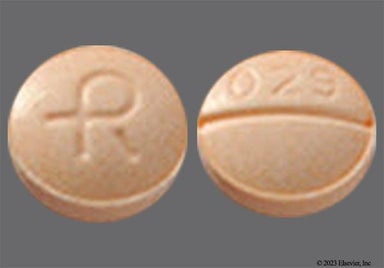
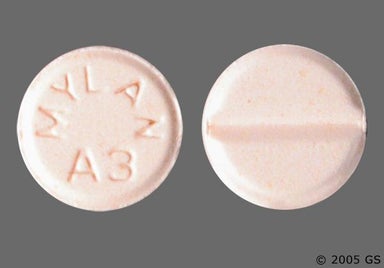
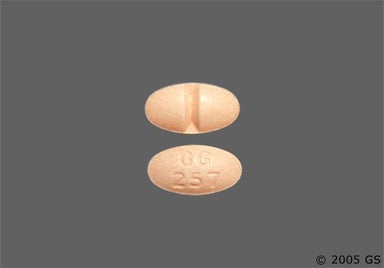
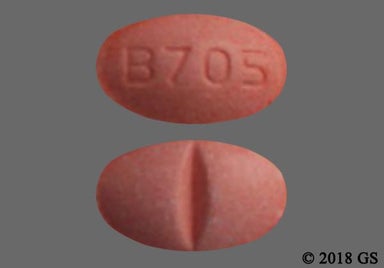
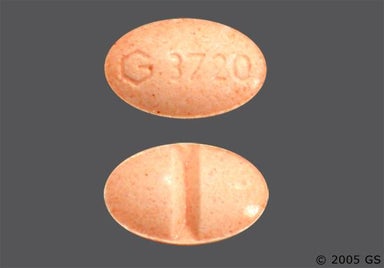
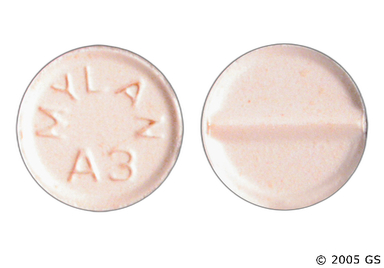
This medicine is Peach, Round, Scored Tablet Imprinted With "029" And "Logo".Peach Round 029 And Logo - Alprazolam 0.5mg TabletThis medicine is Peach, Round, Scored Tablet Imprinted With "Mylan A3".Peach Round Mylan A3 - Alprazolam 0.5mg TabletThis medicine is Peach, Oval, Scored Tablet Imprinted With "Gg 257".Peach Oval Gg 257 - Alprazolam 0.5mg TabletThis medicine is Orange, Oval, Scored Tablet Imprinted With "B705".Orange Oval B705 - Alprazolam 0.5mg TabletThis medicine is Peach, Oval, Scored Tablet Imprinted With "G 3720".Peach Oval G 3720 - Alprazolam 0.5mg TabletThis medicine is Peach, Oval, Scored Tablet Imprinted With "Y" And "1 9".Peach Oval Y And 1 9 - Alprazolam 0.5mg Tablet
GoodRx Health has strict sourcing policies and relies on primary sources such as medical organizations, governmental agencies, academic institutions, and peer-reviewed scientific journals. Learn more about how we ensure our content is accurate, thorough, and unbiased by reading our editorial guidelines.
Prescription savings
Stop paying too much for your prescriptions. Compare prices, get pharmacy coupons, and save up to 80%.
In general, it takes about 2-3 days for most of Alprazolam to clear out of the body after a dose. This calculation is made based on the medication's half-life. There are also other factors can affect how long Alprazolam stays in your system, such as your age or if you've liver problems.
People typically feel their symptoms improve within half an hour of taking Alprazolam.
Yes. As with all benzodiazepines, Alprazolam can be habit-forming and has a risk for being misused or causing dependence. This is why Alprazolam is a controlled medication. To lower the risk of addiction or dependence, your care team will prescribe the lowest dose of Alprazolam needed to treat your symptoms. Talk with them if you've any concerns about taking Alprazolam.
Yes, Alprazolam can cause sexual side effects. Based on clinical studies of people who took Alprazolam for panic disorder, 14% of people reported lower interest in sex, while about 8% experienced higher libido. In addition, there have been reports of benzodiazepines, like Alprazolam, causing erectile dysfunction in males. But more research is needed in these areas. Have a discussion with your healthcare team if you're concerned about sexual side effects from Alprazolam.
More research is needed to understand the link between Alprazolam and dementia. But memory loss is one of the more common side effects reported by people who take Alprazolam. Talk with your care team about alternative anxiety treatments if you're worried about memory loss.
Sleepiness is one of the most common side effects of Alprazolam. It's best to avoid taking other medications that can also cause drowsiness while you're taking Alprazolam. If you're starting Alprazolam for the first time, don't drive or do anything that needs a lot of focus or attention until you know how this medication affects you. If Alprazolam is making you feel too sleepy to go about your day, let your care team know. They might need to lower your dose of Alprazolam or recommend other medications to help with your medical condition.
You should avoid drinking alcohol while taking Alprazolam. Doing so can raise the risk of serious side effects, such as movement problems, poor memory, or trouble breathing. Sometimes, these side effects can be life-threatening. If you drink alcohol regularly and it's difficult for you to stop, let your care team know. They might need to recommend safer alternatives to treat your medical condition.
You're recommended to avoid taking Alprazolam during pregnancy. There's no clear link between Alprazolam and higher risk of birth defects. But babies born to people who took benzodiazepines during pregnancy have experienced sleepiness and withdrawal symptoms, like poor feeding and breathing problems. If you're planning to become pregnant, it's best to talk to your healthcare team about alternative medications for your condition. Contact your obstetrician-gynecologist (OB-Gyn) right away if you become pregnant while taking Alprazolam, since it's important to discuss the risks and benefits of continuing this medication.




 Taking alprazolam (Xanax) with
  Additionally, taking alprazolam (Xanax) over longer periods of time can raise the risk for