


What Are Cold Sores, and How Can You Get Rid of Them? Causes, Treatments, and Pictures
What’s the fastest way to get rid of a cold sore? Can salt or lysine knock it out? Our experts share their go-to treatments and home remedies for cold sores.
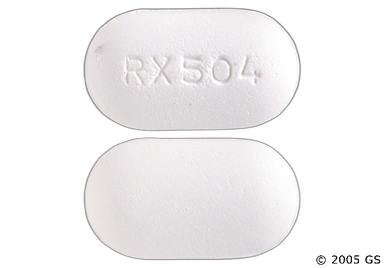
Acyclovir is an antiviral oral medication used to treat infections caused by the herpes virus, including shingles, chickenpox, and genital herpes. It comes as a tablet, capsule, and liquid suspension. Depending on your condition, you might need to take it by mouth 2 to 5 times a day. Acyclovir works best when you start it as soon as symptoms begin. Common side effects include nausea, vomiting, and diarrhea.

Acyclovir is an antiviral medication, specifically a herpes virus nucleoside analogue. It works by blocking the herpes virus from making new DNA, which stops the virus from multiplying in your body.
| Common Brands | Zovirax |
|---|---|
| Drug Class | Antiviral |
| Controlled Substance Classification | Not a controlled medication |
| Generic Status | Lower-cost generic available |
| Availability | Prescription only |

The following side effects may get better over time as your body gets used to the medication. Let your healthcare provider know immediately if you continue to experience these symptoms or if they worsen over time.
Genital herpes:
Shingles
Chickenpox
Along with its needed effects, a medicine may cause some unwanted effects. Although not all of these side effects may occur, if they do occur they may need medical attention.
Some side effects may occur that usually do not need medical attention. These side effects may go away during treatment as your body adjusts to the medicine. Also, your health care professional may be able to tell you about ways to prevent or reduce some of these side effects. Check with your health care professional if any of the following side effects continue or are bothersome or if you have any questions about them:
More common
Mild pain, burning, or stinging
Less common
Other side effects not listed may also occur in some patients. If you notice any other effects, check with your healthcare professional.
Call your doctor for medical advice about side effects. You may report side effects to the FDA at 1-800-FDA-1088.




Acyclovir can cause some serious health issues. This risk may be even higher for certain groups. If this worries you, talk to your doctor or pharmacist about other options.
Acyclovir can sometimes cause serious kidney problems, especially in older adults. Your risk is higher if you get dehydrated or take other medications that can harm the kidneys, like ibuprofen or naproxen. Be sure to drink plenty of fluids while taking acyclovir, and talk to your prescriber before using any other medication, even over-the-counter pain or cold products. Your prescriber might also order lab tests to check your kidney health.
It's rare, but some people have had serious blood clotting problems while taking acyclovir. This has mostly been seen in people with a weakened immune system. Your prescriber might order labs to check your blood work while you're taking this medication. Call your prescriber right away if you notice fever, unusual bleeding or bruising, confusion, extreme tiredness, or headaches.

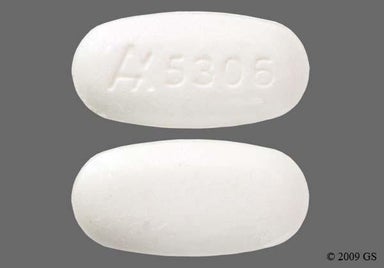
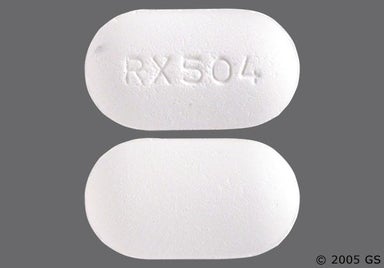
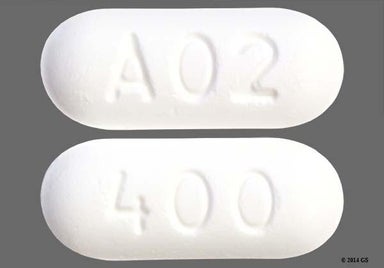
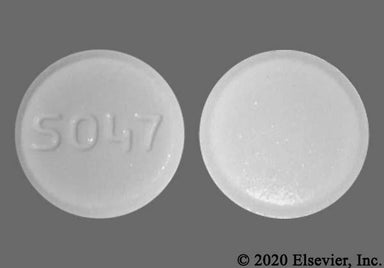
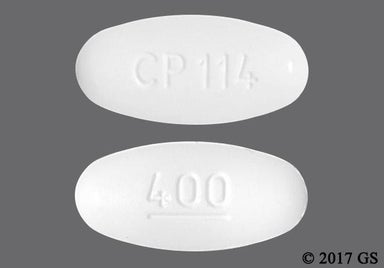
 Tablet
| Dosage | Quantity | Price as low as | Price per unit |
|---|---|---|---|
| 400mg | 30 tablets | $12.31 | $0.41 |
| 800mg | 90 tablets | $30.22 | $0.34 |
Acyclovir is available as a capsule, tablet, and liquid suspension. Your dose will depend on the reason you're taking the medication. In general:
Your dose might differ if you have kidney problems.

Although certain medicines should not be used together at all, in other cases two different medicines may be used together even if an interaction might occur. In these cases, your doctor may want to change the dose, or other precautions may be necessary. When you are taking this medicine, it is especially important that your healthcare professional know if you are taking any of the medicines listed below. The following interactions have been selected on the basis of their potential significance and are not necessarily all-inclusive.
Using this medicine with any of the following medicines is usually not recommended, but may be required in some cases. If both medicines are prescribed together, your doctor may change the dose or how often you use one or both of the medicines.
Using this medicine with any of the following medicines may cause an increased risk of certain side effects, but using both drugs may be the best treatment for you. If both medicines are prescribed together, your doctor may change the dose or how often you use one or both of the medicines.


Contraindications are specific health conditions or situations in which a person should not take a medication due to safety concerns. If you have any of the following conditions or if any of the following apply to you, let your healthcare provider know because Acyclovir will not be safe for you to take.












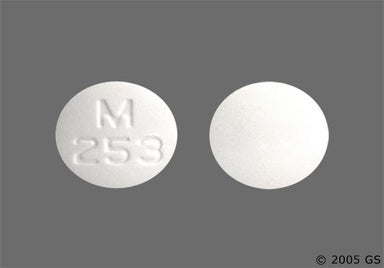
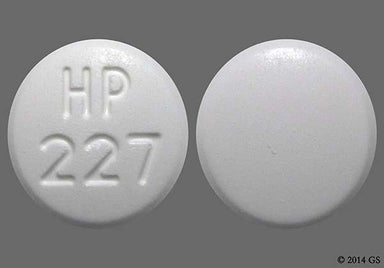
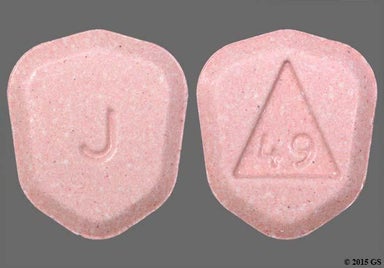


Prescription savings
Stop paying too much for your prescriptions. Compare prices, get pharmacy coupons, and save up to 80%. Find expert answers to your health questions so you can make the best decisions for yourself and your family.
Health conditions
Medications & treatment
Access & affordability
 Our monthly healthcare membership can help you save thousands on your prescription costs.
Resources

How long it takes for Acyclovir to work depends on the type of infection you have, how severe it is, and how quickly you start treatment. Most of the time, you’ll need to take Acyclovir for 5 to 10 days, even if your symptoms start to get better before then. Always finish the full course as prescribed, because stopping too early can make your infection worse.
No, Acyclovir isn't an antibiotic. It's an antiviral, and only works against the herpes virus. If you have a bacterial infection, you'll need a different medication to treat it.
No, Acyclovir doesn’t usually cause yeast infections. If you notice symptoms of a yeast infection while taking this medication, let your prescriber know to make sure nothing else is causing it.
It isn’t known for sure if Acyclovir is safe to take during pregnancy because there haven’t been enough well-designed studies in people. But one study looked at over 1,500 babies exposed to Acyclovir in the first trimester and found no higher risk of birth defects compared to the rest of the population. If you’re pregnant or planning to get pregnant, talk with your prescriber about the risks and benefits of taking this medication.
No, Acyclovir isn't over the counter. It requires a prescription from a healthcare professional.
Yes, Acyclovir can commonly cause diarrhea. If your diarrhea doesn’t go away or becomes severe, let your care team know.
Acyclovir can stay in your system for 10 to 17 hours after your last dose. This is based on its half-life, which measures how long it takes for half of the medication to leave your body. If you have kidney problems, Acyclovir can stay in the body longer, so your prescriber might need to adjust your dose.
Acyclovir doesn't commonly cause tiredness. If you feel very tired or weak while taking this medication, let your prescriber know to make sure it isn’t from another cause.
