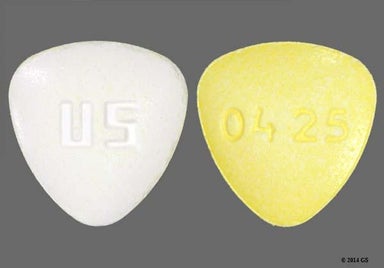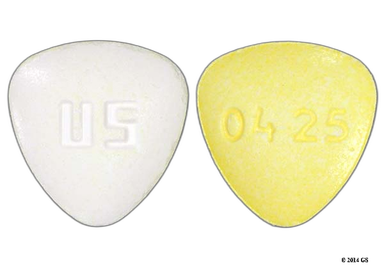
Norel AD
Norel AD is a combination of three active ingredients: acetaminophen (a pain reliever), chlorpheniramine (an antihistamine), and phenylephrine (a decongestant). It's an over-the-counter medication used to treat symptoms of the common cold or flu in adults and children. Norel AD comes as a tablet that's taken by mouth every 4 hours as needed. The combination of medications (acetaminophen, chlorpheniramine, and phenylephrine) can also be found under other brand names. Some people might experience drowsiness as a side effect.


What is Norel AD?
What is Norel AD used for?
Short-term relief of symptoms from the common cold or flu:
- Stuffy nose (nasal congestion)
- Runny nose
- Sneezing
- Sore throat
- Itchy or watery eyes
- Itching of the nose or throat
- Sinus congestion and pressure
- Minor aches, pains, or headache
- Fever
How Norel AD works
Norel AD is a combination of three medications that work together to relieve symptoms caused by the common cold or flu.
- Acetaminophen a pain reliever. It blocks chemicals in your body to help treat pain and lower fever.
- Chlorpheniramine is a first-generation antihistamine. It blocks a natural substance in your body called histamine. In doing so, chlorpheniramine lowers inflammation (swelling) and relieves runny nose, itchy nose, and sneezing.
- Phenylephrine is a decongestant. It's thought to work by narrowing the blood vessels in the nose to relieve sinus pressure.
Drug facts
| Common Brands | Norel AD |
|---|---|
| Drug Class | Analgesic / Antihistamine / Decongestant |
| Controlled Substance Classification | Not a controlled medication |
| Generic Status | No lower-cost generic available |
| Availability | Over-the-counter |

Side effects of Norel AD
The following side effects may get better over time as your body gets used to the medication. Let your healthcare provider know immediately if you continue to experience these symptoms or if they worsen over time.
Common Side Effects
- Sleepiness or restlessness
- Dizziness
- Dry mouth
Less Common Side Effects
- Restlessness
- Headache
- Constipation
- Diarrhea
- Trouble urinating
- Blurry vision
Norel AD serious side effects
Contact your healthcare provider immediately if you experience any of the following.
- Allergic reactions: rash, hives, difficulty breathing, swelling of face, lips, tongue, or throat
- Serious skin reaction: skin reddening, blisters, rash
- Liver problems: severe stomach pain, yellowing of skin or eyes, nausea, vomiting, loss of appetite
- Excessive sleepiness or dizziness
The following Norel AD side effects have also been reported
Side effects that you should report to your care team as soon as possible:
- Allergic reactions—skin rash, itching, hives, swelling of the face, lips, tongue, or throat
- Heart palpitations—rapid, pounding, or irregular heartbeat
- Increase in blood pressure
- Liver injury—right upper belly pain, loss of appetite, nausea, light-colored stool, dark yellow or brown urine, yellowing skin or eyes, unusual weakness or fatigue
- Redness, blistering, peeling, or loosening of the skin, including inside the mouth
- Sudden eye pain or change in vision such as blurry vision, seeing halos around lights, vision loss
- Trouble passing urine
Side effects that usually do not require medical attention (report these to your care team if they continue or are bothersome):
- Anxiety, nervousness
- Confusion
- Constipation
- Dizziness
- Drowsiness
- Dry mouth
- Fatigue

Get your GoodRx coupon

Pros and cons of Norel AD
Pros
- Taken by mouth
- Starts working within 30 minutes
- Can treat a wide variety of common cold or flu symptoms
- More convenient to take three medications in one pill
- Available over the counter
Cons
- Taken every 4 hours when you have symptoms
- More difficult to customize the dose since Norel AD is a combination of three medications
- Can cause liver problems if you take too much acetaminophen or combine it with alcohol
- Older adults are at higher risk for sleepiness

Pharmacist tips for Norel AD

- The chlorpheniramine in Norel AD can make you feel sleepy or dizzy during the day. This can affect your ability to think, or react. Don't drive or do any task that needs a lot of focus until you know how the medication affects you.
- Norel AD is only meant to temporarily relieve cold or flu symptoms. This medication isn't appropriate for you if your condition worsens or if your symptoms last more than a few days. If you still have a fever after 3 days, or if your pain or congestion isn't getting better after a week, contact your primary care provider (PCP). These might be signs that you need more medical attention.
- Speak to your primary care provider if your sore throat pain is severe, lasts for more than 2 days, or occurs with or is followed by fever, headache, rash, nausea, or vomiting. Norel AD might not be the best option for your condition.
- Tell your primary care provider or pharmacist about all the medications you're taking, especially if you're taking warfarin (Coumadin) or stimulant medications. These medications can have potentially harmful interactions with Norel AD. Your healthcare team can make sure your medications are safe for you to take.
- Make sure you read the ingredients label on all the medications you're taking. Many over-the-counter cold and flu medications contain the same ingredients as those in Norel AD. Taking more than one pain reliever, antihistamine, or decongestant at the same time can raise the risk of overdose and severe side effects, such as sleepiness and liver problems.
- Don't take Norel AD at the same time as or within 2 weeks of taking a monoamine oxidase inhibitor (MAOI), such as selegiline or phenelzine (Nardil). This combination can raise your risk for severe side effects (e.g., serotonin syndrome, dizziness). Instead, contact your primary care provider for other options to treat your cold or flu symptoms.

Risks and warnings for Norel AD
Norel AD can cause some serious health issues. This risk may be even higher for certain groups. If this worries you, talk to your doctor or pharmacist about other options.
Liver damage
- Risk factors: Drinking 3 or more alcoholic beverages a day | Taking other medications containing acetaminophen | Taking too much Norel AD | History of liver disease
 Taking too much acetaminophen can cause permanent and life-threatening liver damage. For adults, the maximum amount of acetaminophen is 3 or 4 grams in a 24-hour period, depending on your HCP's instructions. For children, ask your child's pediatrician.
 Speak to your HCP before using Norel AD if you have liver problems, since it can cause further damage to your liver. Avoid drinking alcohol while taking this medication.
Signs of liver problems include dark urine, feeling tired, upset stomach or stomach pain, or yellowing of skin or eyes. If you notice any of these symptoms, call your HCP right away.
Accidental overdose
Norel AD contains an analgesic (acetaminophen), antihistamine (chlorpheniramine), and a decongestant (phenylephrine), which are all in many other over-the-counter products. Using more than one medication containing acetaminophen, chlorpheniramine, or a decongestant can lead to an accidental overdose and cause serious side effects. These serious side effects include liver failure, seizures, hallucinations (seeing things that aren't real), or even death. Tell your HCP or pharmacist about the medications you take before starting Norel AD to make sure it's safe for you. Don't start any new medications while taking Norel AD without talking to your HCP or pharmacist.
To prevent an accidental overdose, read package labels carefully. If you're not sure if a product has any similar ingredients, ask your pharmacist. If you or your loved one experiences an accidental overdose, get medical help right away or contact a poison control center at 1-800-222-1222.
Worsening of medical conditions
- Risk factors: Liver disease | Heart disease or high blood pressure | Thyroid disease | High blood sugar (diabetes) | Glaucoma | Breathing problems (e.g., emphysema, long-term bronchitis) | Urinary conditions
Norel AD is generally safe to take, but it's not the best choice for everyone. If you're 65 years of age or older, you might feel side effects from this medication more intensely. Norel AD might also worsen certain medical conditions, such as liver problems, high blood pressure, glaucoma, thyroid disease, diabetes, trouble urinating, or breathing problems. Let your primary care provider or pharmacist know about the medical conditions you have. Ask them whether Norel AD is safe and appropriate for you to take.
Allergic skin reactions
Although rare, Norel AD can cause serious skin reactions, such as rash, blisters, skin reddening, or skin peeling. If you notice changes in your skin, stop using Norel AD and get medical attention right away.

Norel AD dosage
 Tablet
| Dosage | Quantity | Price as low as | Price per unit |
|---|---|---|---|
| 325mg/4mg/10mg | 20 tablets | $20.39 | $1.02 |

How much does Norel AD cost?
$20.39

Norel AD contraindications
Contraindications are specific health conditions or situations in which a person should not take a medication due to safety concerns. If you have any of the following conditions or if any of the following apply to you, let your healthcare provider know because Norel AD will not be safe for you to take.
- Take any other medication containing acetaminophen
- Currently take or have taken a monoamine oxidase inhibitor (MAOI) in the last 2 weeks

What are alternatives to Norel AD?

Norel AD images