


Advil vs. Excedrin for Migraines: 5 Ways They Compare
Feeling a migraine coming on or have a migraine and need immediate relief? Learn if Advil Migraine or Excedrin Migraine might work best for you.
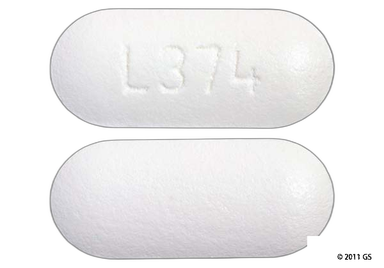
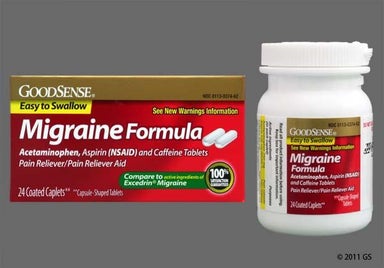
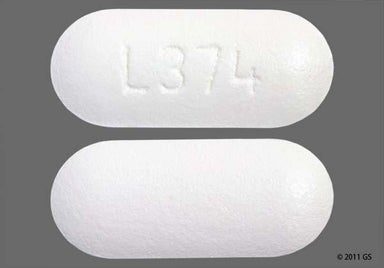
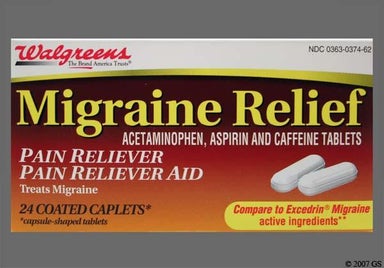
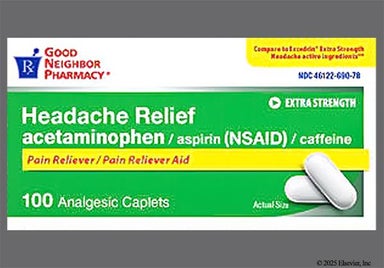
Excedrin Migraine and Excedrin Extra Strength are combination medications, both containing the same dosages of acetaminophen, aspirin, and caffeine. But they're labeled to treat different conditions. Excedrin Migraine treats migraines. But Excedrin Extra Strength is labeled to help with minor aches and pains, including headaches and muscle aches. How many tablets you can take per day depends on what product you're taking and what condition you have. Both medications are available over the counter (OTC) as tablets and caplets with brand name and generic versions. Possible side effects include trouble sleeping, dizziness, and upset stomach.

Excedrin Migraine is a combination of three medications that work together to relieve aches and pains:
| Common Brands | Excedrin Migraine, Excedrin Extra Strength |
|---|---|
| Drug Class | Analgesic / NSAID / Adenosine antagonist |
| Controlled Substance Classification | Not a controlled medication |
| Generic Status | Lower-cost generic available |
| Availability | Over-the-counter |

The following side effects may get better over time as your body gets used to the medication. Let your healthcare provider know immediately if you continue to experience these symptoms or if they worsen over time.
Contact your healthcare provider immediately if you experience any of the following.
Side effects that you should report to your care team as soon as possible:
Side effects that usually do not require medical attention (report these to your care team if they continue or are bothersome):




Excedrin Migraine can cause some serious health issues. This risk may be even higher for certain groups. If this worries you, talk to your doctor or pharmacist about other options.
 Taking too much acetaminophen (Tylenol) can cause permanent and life-threatening liver damage. For adults, the maximum amount of acetaminophen is 3 or 4 grams in a 24-hour period, depending on your provider's instructions. For children, ask your child's provider.
 Speak to your provider before using Excedrin Migraine if you have liver problems, since it can cause further damage to your liver. Avoid drinking alcohol while taking this medication.
Signs of liver problems include dark urine, feeling tired, upset stomach or stomach pain, or yellowing of the skin or whites of the eyes. If you notice any of these symptoms, call your provider right away.
Aspirin use in children is linked to a rare but serious condition called Reye's syndrome. It typically occurs when children who are recovering from flu-like symptoms or other viruses use aspirin. Early symptoms of Reye's syndrome include vomiting, headache, confusion, and distress, but it can lead to seizures and loss of consciousness. Don't give Excedrin Migraine to a child who has a fever due to the flu. Ask your child's provider for medication recommendations for children who are sick.
Severe allergic reactions to Excedrin Migraine are possible, including anaphylaxis (closing of the throat). Call 911 if you experience hives, trouble breathing, or swelling of your lips or tongue. Let your provider know if you have an allergy to aspirin or other NSAIDs before you start taking Excedrin Migraine.
Acetaminophen can also cause severe skin reactions, like painful blisters all over your body, hives, or rash. If you experience any of these, call your healthcare provider right away.
Excedrin Migraine contains aspirin, which can irritate your stomach. This irritation can feel like stomach pain or heartburn. It can also lead to serious stomach problems, including bleeding and ulcers in this area. If you have stomach pain that doesn't get better; vomit or cough up blood or bits that look like coffee grounds; or have bloody or black, tarry stools; stop taking Excedrin Migraine and get medical attention right away. These can be signs of stomach bleeding or a stomach ulcer that your provider can help manage and treat.
Excedrin Migraine contains aspirin, which can cause kidney damage. This damage can happen at any time while you're taking the medication, especially if you have any of the risk factors listed above. Tell your provider if you're taking certain blood pressure medications that can damage your kidneys, such as ACE inhibitors (e.g., lisinopril (Prinivil)) and ARBs (e.g., losartan (Cozaar)). Stop taking Excedrin Migraine, and let your provider know if you're not urinating as often as usual or have fever, muscle weakness, numbness in your arms or legs, or a fast heartbeat. These can be signs of kidney damage.
Excedrin Migraine contains caffeine, which can remove excess fluid in your body, esepcailly at doses of more than 400 mg of caffeine per day. This can lead to dehydration (low fluids in the body). Signs of dehydration include dry mouth, not urinating as much, lightheadedness, dizziness). Make sure to stay well-hydrated while taking this medication. Contact your provider if you feel dehydrated.
Don't take Excedrin Migraine if you have any of the risk factors listed above unless your provider said it's safe to do so. Taking Excedrin Migraine can worsen your condition(s) and cause serious side effects. Make sure your provider knows about all medical conditions you have or have had in the past before starting Excedrin Migraine.
Taking too much acetaminophen or NSAIDs can lead to a dangerous overdose. Too much acetaminophen can lead to serious liver damage, and too much NSAIDs can raise your risk of life-threatening bleeding, kidney damage, and heart problems. There are many over-the-counter and prescription medications that contain acetaminophen (e.g., Tylenol PM, Dayquil) or an NSAID (e.g., aspirin, naproxen (Aleve), ibuprofen in Advil products). Check if the medications you're currently taking contain any acetaminophen or NSAIDs, and ask your provider or pharmacist if you're not sure. If you need to take more than 1 product with these ingredients, you'll need to keep track of how much you're taking throughout the day to avoid overdosing. Early signs of acetaminophen overdose include vomiting, right-sided stomach pain, and severe dizziness. Early signs of taking too much NSAID include blurred vision, ringing in the ears, and stomach upset. If you suspect that you or someone you know have overdosed on Excedrin Migraine, get medical help or contact the Poison Control Center (1-800-222-1222) right away.

 Tablet
| Dosage | Quantity | Price as low as | Price per unit |
|---|---|---|---|
| 250mg/250mg/65mg | 30 tablets | $8.86 | $0.30 |
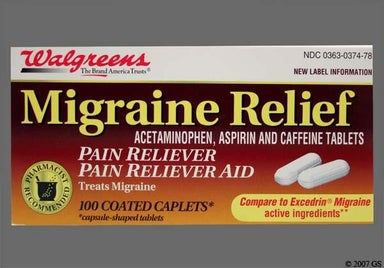
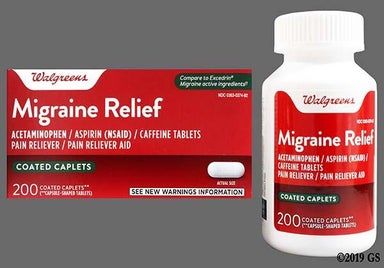
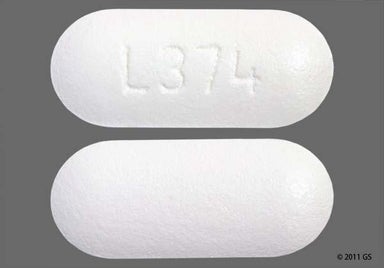
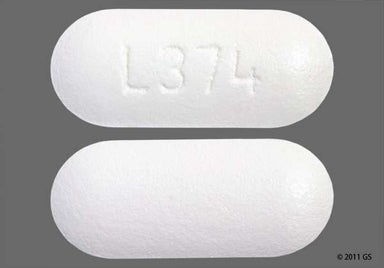
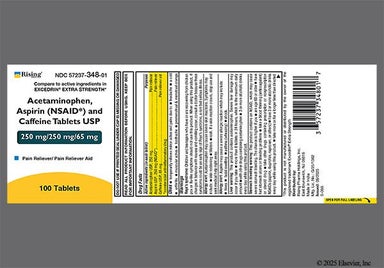
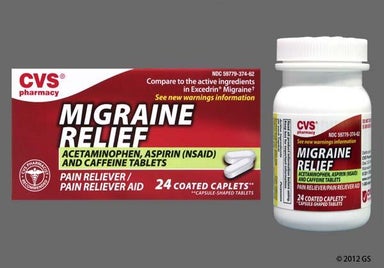
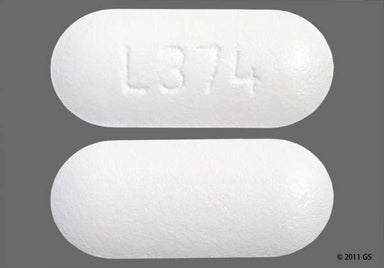
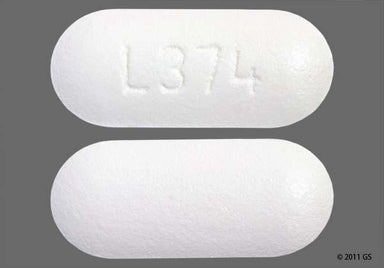
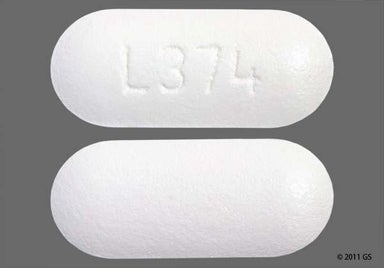
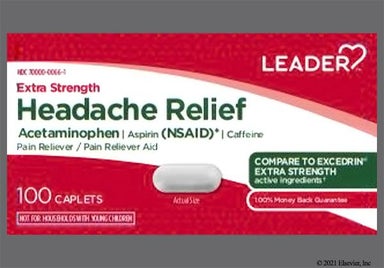
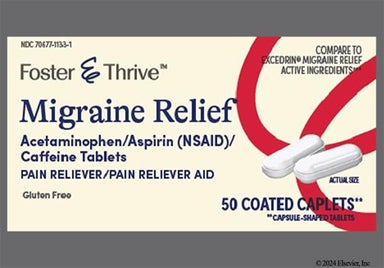
Each pill of both brands contain 250 mg of acetaminophen, 250 mg of aspirin, and 65 mg of caffeine.
Excedrin Migraine and generic:
Excedrin Extra Strength and generic:


Contraindications are specific health conditions or situations in which a person should not take a medication due to safety concerns. If you have any of the following conditions or if any of the following apply to you, let your healthcare provider know because Excedrin Migraine will not be safe for you to take.







Prescription savings
Stop paying too much for your prescriptions. Compare prices, get pharmacy coupons, and save up to 80%. Find expert answers to your health questions so you can make the best decisions for yourself and your family.
Health conditions
Medications & treatment
Access & affordability
Medication discounts

You might notice migraine symptoms, such as pain, nausea, and light-sensitivity, easing up within 30 minutes after you take a dose. Studies show that this medication can continue to help with migraine symptoms 6 hours after your dose. Don't take more than one dose of Excedrin Migraine (2 tablets) in 24 hours. If you're still experiencing migraine symptoms after taking Excedrin Migraine, talk to your healthcare provider.
Excedrin Migraine and Excedrin Extra Strength contain the exact same ingredients, but their maximum dose per day differs because they treat different conditions. If you're taking Excedrin Migraine for migraines, you should only take up to 2 pills per day. This is because taking more than 2 pills per day for migraines can cause rebound headaches (or medication-overuse headaches). But if you're taking Excedrin Extra Strength for minor aches and pains, you can take 2 pills every 6 hours, for up to 8 pills per day. If you continue to experience pain despite taking the maximum dose, talk to your provider.
Each pill of Excedrin Migraine contains 65 mg of caffeine. So if you're taking 2 pills for a migraine attack, that's 130 mg of caffeine. For comparison, an 8-ounce cup of coffee has about 95-165 mg of caffeine. If you're taking Excedrin Migraine or any other medication that contains caffeine, you will likely need to limit how much caffeine you drink. According to the FDA, a healthy adult can typically take in 400 mg of caffeine without major side effects. But everyone's caffeine sensitivity is different. Too much caffeine can cause side effects such as worsening headaches, feeling restless, and high heart rate.
No, don't take ibuprofen (Advil, Motrin) (or another non-steroidal anti-inflammatory drug (NSAID)) or acetaminophen (Tylenol) while taking Excedrin Migraine without talking to your provider first. This is because Excedrin Migraine already contains aspirin (an NSAID) and acetaminophen (Tylenol). Taking another NSAID with Excedrin Migraine can raise your risk for severe side effects, such as heart risks or kidney problems, and taking too much acetaminophen (Tylenol) can cause liver damage.
Excedrin Migraine isn't recommended for pregnant females. Drinking caffeine during pregnancy can affect the growth of developing babies. Additionally, taking NSAIDs like aspirin after 20 weeks of pregnancy can cause rare, but serious kidney and heart problems in unborn babies. Talk to your provider about the risks and benefits of using this medication during pregnancy. They can help you find a safer medication for pain that you can take while pregnant.
Talk with your provider if you're considering taking Excedrin Migraine while breastfeeding. This medication contains aspirin, which can get into breastmilk. Though rare, there's a risk that it can cause harm. In addition, Excedrin Migraine contains caffeine, which can also pass through breastmilk. Depending on how much caffeine you're taking per day, your baby might be at higher risk for side effects such as fussiness or trouble sleeping. If you're breastfeeding, talk to your provider about safer options for treating your pain.
