

How Much Are Eye Drops After Cataract Surgery, and How Can I Save?
Steroid, NSAID, and antibiotic eye drops can fight dryness and inflammation after eye surgery. Learn how to save on eye drops after cataract surgery here.
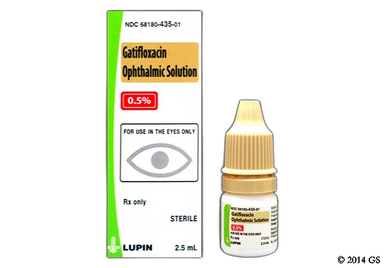
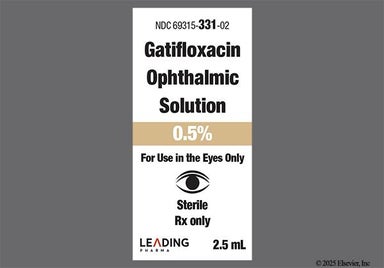
Gatifloxacin (Zymaxid) is a fluoroquinolone antibiotic eye drop. It works well to treat pink eye caused by certain types of bacteria, but it doesn't treat pink eye caused by viruses. Gatifloxacin (Zymaxid) is approved for people ages 1 year and older. It's placed in the eye multiple times a day. Typically, treatment lasts about a week. Some of the more common side effects of gatifloxacin (Zymaxid) include eye irritation and changes in taste in your mouth.

Gatifloxacin (Zymaxid) is a fluoroquinolone antibiotic. It kills bacteria by blocking the proteins they need to reproduce and repair themselves.
| Common Brands | Zymaxid, Zymar |
|---|---|
| Drug Class | Fluoroquinolone antibiotic |
| Controlled Substance Classification | Not a controlled medication |
| Generic Status | Lower-cost generic available |
| Availability | Prescription only |

The following side effects may get better over time as your body gets used to the medication. Let your healthcare provider know immediately if you continue to experience these symptoms or if they worsen over time.
Contact your healthcare provider immediately if you experience any of the following.
Along with its needed effects, a medicine may cause some unwanted effects. Although not all of these side effects may occur, if they do occur they may need medical attention.
Check with your doctor immediately if any of the following side effects occur:
Less common
Bloody eye
decrease in vision
swelling of the membrane covering the white part of the eye
Rare
Blistering, peeling, or loosening of the skin
chills
joint or muscle pain
red skin lesions, often with a purple center
red, irritated eyes
sores, ulcers, or white spots in the mouth or on the lips
unusual tiredness or weakness
Incidence not known
Difficulty with swallowing
dizziness
fast heartbeat
hives or welts, or skin rash
large, hive-like swelling on the face, eyelids, lips, tongue, throat, hands, legs, feet, or sex organs
puffiness or swelling of the eyelids or around the eyes, face, lips, or tongue
redness of the skin
tightness in the chest
trouble breathing
Some side effects may occur that usually do not need medical attention. These side effects may go away during treatment as your body adjusts to the medicine. Also, your health care professional may be able to tell you about ways to prevent or reduce some of these side effects. Check with your health care professional if any of the following side effects continue or are bothersome or if you have any questions about them:
More common
Blurred vision
discharge from the eyes
itching eyes
stringy mucus secretions
swelling of the eye, eyelid, or inner lining of the eyelid
watering eyes
Other side effects not listed may also occur in some patients. If you notice any other effects, check with your healthcare professional.
Call your doctor for medical advice about side effects. You may report side effects to the FDA at 1-800-FDA-1088.




Gatifloxacin (Zymaxid) can cause some serious health issues. This risk may be even higher for certain groups. If this worries you, talk to your doctor or pharmacist about other options.
Severe allergic reactions to gatifloxacin (Zymaxid) are rare, but can include life-threatening problems, like anaphylaxis (closing of the throat) and Stevens-Johnson Syndrome (severe skin rash and peeling). Let your provider know if you have an allergy to other fluoroquinolone antibiotics, like ciprofloxacin (Cipro), because you might be allergic to gatifloxacin (Zymaxid) as well. If you notice hives, a rash, swelling of the lips or tongue, or difficulty breathing after using gatifloxacin (Zymaxid), call your healthcare provider right away.
Don't use gatifloxacin (Zymaxid) longer than prescribed. Doing so can lead to other types of difficult-to-treat (don't respond to) gatifloxacin (Zymaxid) eye infections. Let your provider know if you notice symptoms of a new eye infection or if the original symptoms don't get better after using gatifloxacin (Zymaxid).

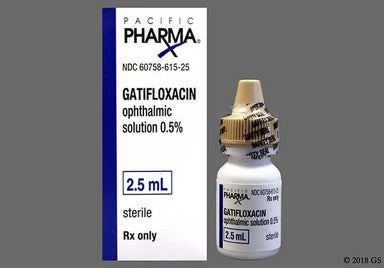
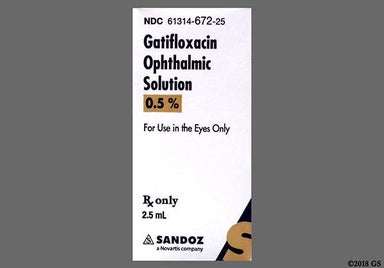
 Eye dropper
| Dosage | Quantity | Price as low as | Price per unit |
|---|---|---|---|
| 2.5ml of 0.5% | 1 eye dropper | $34.46 | $34.46 |

Although certain medicines should not be used together at all, in other cases two different medicines may be used together even if an interaction might occur. In these cases, your doctor may want to change the dose, or other precautions may be necessary. Tell your healthcare professional if you are taking any other prescription or nonprescription (over-the-counter [OTC]) medicine.


Contraindications are specific health conditions or situations in which a person should not take a medication due to safety concerns. If you have any of the following conditions or if any of the following apply to you, let your healthcare provider know because Gatifloxacin (Zymaxid) will not be safe for you to take.


Prescription savings
Stop paying too much for your prescriptions. Compare prices, get pharmacy coupons, and save up to 80%.Resources
About GoodRx
 Find expert answers to your health questions so you can make the best decisions for yourself and your family.
Health conditions
Medications & treatment
Access & affordability
Well-being
Medication discounts

Oral and injectable forms of gatifloxacin were banned by the FDA in 2008, because they caused dangerous side effects, such as very high or low blood sugar levels. Gatifloxacin eye drops are still available, because as eye drops, the medication doesn't absorb into the body (plus the dose in each drop is very small), so it doesn't cause the same side effects that the other forms did.
No. Gatifloxacin isn't a steroid or corticosteroid. It's an antibiotic eye drop that kills bacteria causing pink eye. If you have a severe eye infection, your provider might prescribe a steroid medication along with Gatifloxacin to help with the swelling.
Don't use Gatifloxacin for styes without first speaking to your optometrist or ophthalmologist. Gatifloxacin is only FDA-approved to treat bacterial conjunctivitis, which is an infection of the lining that covers the inside of your eyelid and the whites of the eye. Styes are different from bacterial conjunctivitis because they're often caused by skin bacteria that get trapped along the eyelid. Usually, your optometrist or ophthalmologist will recommend that you treat styes with warm compresses or eyelid scrubs. If needed, provider might prescribe an eye antibiotic for you.
Gatifloxacin is only FDA-approved to treat pink eye caused by bacteria; it's not routinely prescribed for eye scratches. If you've scratched your eye, it's best to get seen by your optometrist or ophthalmologist to make sure there's no serious damage to the eye. They can also check to see if the eye is infected or not. If your eye is infected, they'll let you know what antibiotic eye medication is best for you.
Ask your ophthalmologist what eye drops you need after cataract surgery. Sometimes, they might prescribe Gatifloxacin a before and after cataract surgery to prevent eye infections. If so, they'll give you instructions on how often and how long you need to use Gatifloxacin after surgery.
No, you shouldn't apply Gatifloxacin drops anywhere other than your eyes as directed by your provider.
Gatifloxacin isn't the same as ciprofloxacin. They are very similar, because they are both fluoroquinolone antibiotics used to treat pink eye due to bacteria. Ciprofloxacin (Ciloxan) eye drops are also used to treat corneal ulcers (keratitis). Gatifloxacin is only available in eye drop form, while ciprofloxacin is available as a pill, an injection, and an otic (in the ear) suspension.
