








General Anesthesia Side Effects: What to Expect
Anesthesia helps keep you comfortable during surgery but also has risks. Learn about general anesthesia side effects and potential complications with GoodRx.
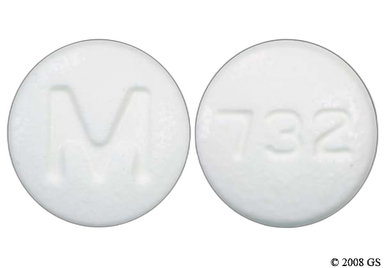
Ondansetron (Zofran) is an antiemetic (or anti-nausea) medication. It's used to prevent nausea and vomiting after surgery or cancer treatments. It works by stopping a chemical called serotonin from binding to receptors in the brain that cause the feeling of nausea and vomiting. Ondansetron (Zofran) is taken by mouth, typically every 8 to 12 hours. It comes in different formulations, including orally disintegrating tablet (ODT) and oral solution. It can also be given as injection by a healthcare professional (HCP) in a hospital setting. Side effects of this medication include headache, tiredness, and constipation or diarrhea.

Ondansetron (Zofran) is an antiemetic medication. It works by blocking the actions of serotonin in the part of your brain that causes nausea and vomiting. This helps you feel less nauseous and less of an urge to vomit.
| Common Brands | Zofran |
|---|---|
| Drug Class | Antiemetic |
| Controlled Substance Classification | Not a controlled medication |
| Generic Status | Lower-cost generic available |
| Availability | Prescription only |

The following side effects may get better over time as your body gets used to the medication. Let your healthcare provider know immediately if you continue to experience these symptoms or if they worsen over time.
Contact your healthcare provider immediately if you experience any of the following.
Along with its needed effects, a medicine may cause some unwanted effects. Although not all of these side effects may occur, if they do occur they may need medical attention.
Check with your doctor immediately if any of the following side effects occur:
Less common
Decrease in the frequency of urination
decrease in the urine volume
difficulty with passing urine (dribbling)
Rare
Arm, back, or jaw pain
chest pain or discomfort
chest tightness or heaviness
convulsions
decreased urine
difficulty with breathing
difficulty with swallowing
fast, pounding, or irregular heartbeat or pulse
increased thirst
loss of appetite
loss of bladder control
loss of consciousness
mood changes
muscle pain or cramps
nausea or vomiting
noisy breathing
numbness or tingling in the hands, feet, or lips
puffiness or swelling of the eyelids or around the eyes, face, lips, or tongue
sweating
tightness in the chest
total body jerking
unusual tiredness or weakness
Incidence not known
Blurred vision
dizziness, faintness, or lightheadedness when getting up suddenly from a lying or sitting position
fixed position of the eye
heart stops
hoarseness
inability to move the eyes
increased blinking or spasms of the eyelid
large, hive-like swelling on the face, eyelids, lips, tongue, throat, hands, legs, feet, or sex organs
no breathing
no pulse or blood pressure
noisy breathing
pounding heartbeat
slow or irregular breathing
sticking out of the tongue
sweating
trouble with speaking
unconscious
uncontrolled twisting movements of the neck, trunk, arms, or legs
unusual facial expressions
Some side effects may occur that usually do not need medical attention. These side effects may go away during treatment as your body adjusts to the medicine. Also, your health care professional may be able to tell you about ways to prevent or reduce some of these side effects. Check with your health care professional if any of the following side effects continue or are bothersome or if you have any questions about them:
More common
difficulty having a bowel movement (stool)
general feeling of discomfort or illness
hyperventilation
irritability
restlessness
shaking
trouble sleeping
Rare
Difficulty with speaking
loss of balance control
muscle trembling, jerking, or stiffness
shuffling walk
stiffness of the limbs
twisting movements of the body
uncontrolled movements, especially of the face, neck, and back
Incidence not known
Feeling of warmth
hiccups
redness of the face, neck, arms, and occasionally, upper chest
redness of the skin
welts
Other side effects not listed may also occur in some patients. If you notice any other effects, check with your healthcare professional.
Call your doctor for medical advice about side effects. You may report side effects to the FDA at 1-800-FDA-1088.




Ondansetron (Zofran) can cause some serious health issues. This risk may be even higher for certain groups. If this worries you, talk to your doctor or pharmacist about other options.
Some people have experienced a severe allergic reaction to ondansetron (Zofran). These reactions can be life-threatening and include facial swelling, hives, and anaphylaxis (e.g., closing of the throat). If you notice dizziness; fast heartbeat; a choking sensation; difficulty breathing; swelling around your eyes, lips, or tongue; or any signs of a severe skin reaction after taking ondansetron (Zofran), get medical attention right away.
Ondansetron (Zofran) can affect your heart rhythm, which can be serious and life-threatening. One example includes lengthening the time period from when the heart pumps and then relaxes. This is known as QT prolongation. Your risk is higher if you have certain factors, including abnormal electrolyte levels, heart rhythm problems, or are taking other medications that cause heart rhythm problems, such as amiodarone (Pacerone) and ciprofloxacin (Cipro), among others. To lower your risk, your psychiatrist or primary care provider might periodically monitor your heart and perform electrocardiograms (EKGs) to make sure your heart rhythm is normal. If you feel your chest pounding, have shortness of breath, have chest pain, or feel faint or lightheaded while taking ondansetron (Zofran), call 911 right away.
Some people taking ondansetron (Zofran) have developed a rare, but potentially life-threatening condition called serotonin syndrome. This condition happens where there's too much serotonin in the brain. Your risk for serotonin syndrome goes up if you use ondansetron (Zofran) with other medications that can raise your serotonin levels, such as certain antidepressants, mental health medications, pain medications, and migraine medications.
Let your HCP know about all the medications you take before starting ondansetron (Zofran), as well as any medications you plan to take. Symptoms of serotonin syndrome include fast heart rate, sweating, muscle stiffness or spasms, fever, and confusion. Get medical help right away if you have any of these symptoms.
Some people who took ondansetron (Zofran) have had a heart attack. Sometimes, this happened right after taking the medication, mostly when the injection form of ondansetron (Zofran) was used. Get emergency help right away if you experience symptoms of a heart attack such as chest or arm pain, chest tightness, or shortness of breath.
Ondansetron (Zofran) can mask some of the symptoms of gut blockage or bloating when taken by people who just had stomach surgery or are receiving chemotherapy. Let your HCP know if you notice a lack of stools or if you aren't passing gas.
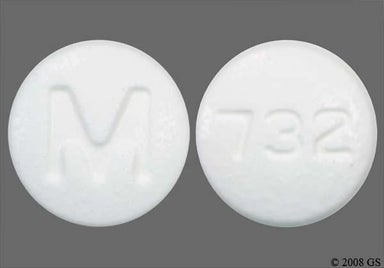
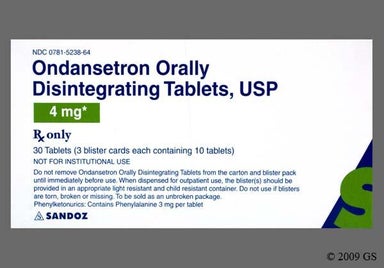
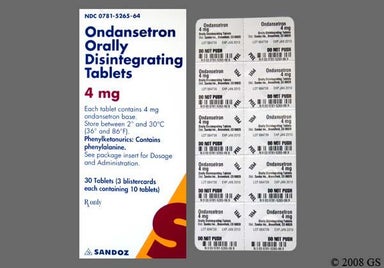
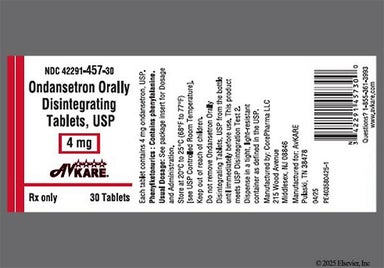
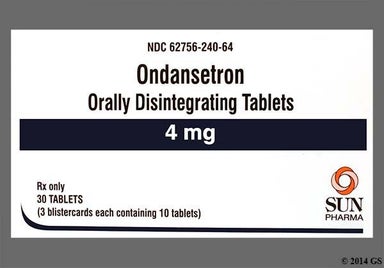
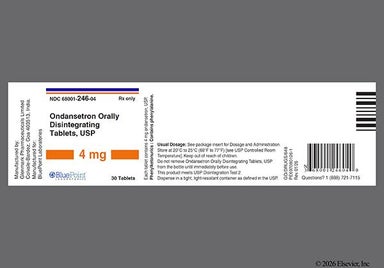
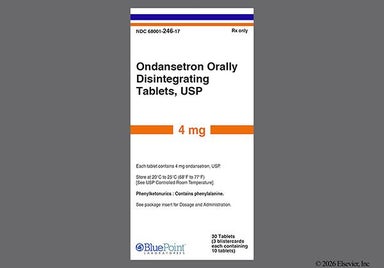
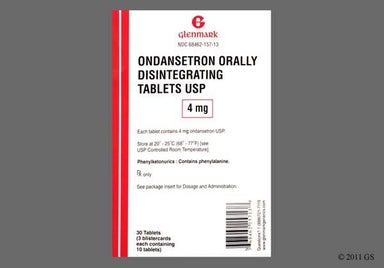
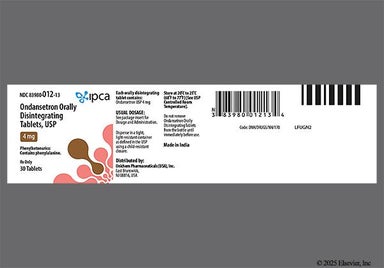
The ondansetron (Zofran) orally disintegrating tablets (ODTs) contain phenylalanine, a component of the artificial sweetener aspartame. If you have a genetic condition called phenylketonuria (PKU), taking the ODTs can be dangerous for you. Let your provider know if you have PKU so they can prescribe a different formulation of ondansetron (Zofran) that might be safer for you.

 Bottle of oral solution
| Dosage | Quantity | Price as low as | Price per unit |
|---|---|---|---|
| 50ml of 4mg/5ml | 1 bottle | $24.43 | $24.43 |
 Orally disintegrating tab
| Dosage | Quantity | Price as low as | Price per unit |
|---|---|---|---|
| 4mg | 20 orally disintegrating tabs | $10.99 | $0.55 |
| 8mg | 30 orally disintegrating tabs | $14.47 | $0.48 |
| 16mg | 42 orally disintegrating tabs | $504.92 | $12.02 |
 Syringe
| Dosage | Quantity | Price as low as | Price per unit |
|---|---|---|---|
| 4mg/2ml | 48 syringes | $34.50 | $0.72 |
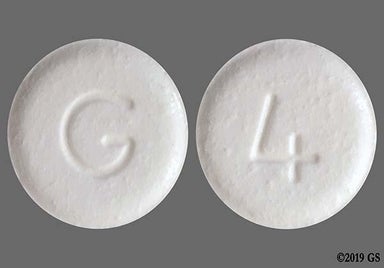
This medication is available as tablets and a liquid that are taken by mouth. It also comes as orally disintegrating tablets that are dissolved on the tongue.
Your dose might differ if you have liver problems.
Adults
Prevention of nausea and vomiting from chemotherapy: Your oncologist will determine your dose based on how likely it is for your chemotherapy medications to cause nausea and vomiting.
Prevention of nausea and vomiting from radiation therapy: The typical dose is 8 mg as a single dose, taken by mouth 1 to 2 hours before radiation therapy. Depending on the type and location of radiation therapy, you might need to take additional 8 mg doses by mouth every 8 hours for 1 to 2 days after completing radiation.
Prevention of nausea and vomiting after surgery: The typical dose is 16 mg as a single dose, taken by mouth 1 hour before receiving anesthesia.
Children (age 12 to under 18)
Children (age 4 to under 12)
Ondansetron (Zofran) is also available as an injection through the veins (IV) or into the muscle (IM) administered by a healthcare professional (HCP) for certain situations.

Although certain medicines should not be used together at all, in other cases two different medicines may be used together even if an interaction might occur. In these cases, your doctor may want to change the dose, or other precautions may be necessary. When you are taking this medicine, it is especially important that your healthcare professional know if you are taking any of the medicines listed below. The following interactions have been selected on the basis of their potential significance and are not necessarily all-inclusive.
Using this medicine with any of the following medicines is not recommended. Your doctor may decide not to treat you with this medication or change some of the other medicines you take.
Using this medicine with any of the following medicines is usually not recommended, but may be required in some cases. If both medicines are prescribed together, your doctor may change the dose or how often you use one or both of the medicines.
Using this medicine with any of the following medicines may cause an increased risk of certain side effects, but using both drugs may be the best treatment for you. If both medicines are prescribed together, your doctor may change the dose or how often you use one or both of the medicines.


Contraindications are specific health conditions or situations in which a person should not take a medication due to safety concerns. If you have any of the following conditions or if any of the following apply to you, let your healthcare provider know because Ondansetron (Zofran) will not be safe for you to take.















Prescription savings
Stop paying too much for your prescriptions. Compare prices, get pharmacy coupons, and save up to 80%. Find expert answers to your health questions so you can make the best decisions for yourself and your family.
Health conditions
Medications & treatment
Access & affordability
Medication discounts


It takes about 30 minutes for Ondansetron to start working. But it might take up to 2 hours before you notice the full benefit of this medication. Because of this, your oncology or surgery care team will likely recommend you take your dose at least 30 minutes before your procedure or treatment.
Typically, you take Ondansetron once every 8 to 12 hours. So you can expect the effects of this medication to last about this time. Let your care team know if you start to feel nauseous before it's time for your Ondansetron dose. They can recommend other ways to help ease your nausea or vomiting.
Ondansetron isn't FDA-approved to prevent nausea and vomiting during pregnancy. But your obstetrician might recommend Ondansetron off-label for you if first-choice options didn't work well to ease your symptoms. Studies suggest that Ondansetron can help improve nausea and vomiting during pregnancy. But there are mixed findings about whether the medication is safe for your baby. Some studies say that Ondansetron isn't likely to cause major harm to babies or mothers when taken during pregnancy. Others found that it might raise the risk of developing a cleft palate. Discuss with your obstetrician about the risks and benefits of taking Ondansetron during pregnancy.
Ondansetron isn't FDA-approved to help with diarrhea. People who took this medication have reported both constipation and diarrhea as side effects. Pay attention to how Ondansetron might be affecting your bowel movements and let your HCP know if constipation or diarrhea from the medication is too bothersome. They might recommend certain treatment options or adjust your Ondansetron dose.
Yes, you might feel sleepy from taking Ondansetron. Fatigue is one of the more common side effects reported by people who took Ondansetron in clinical studies. Keep in mind that this side effect might not be caused by Ondansetron alone. This medication is typically prescribed during cancer treatment or during recovery after surgery, when you might already feel tired from chemotherapy or pain medications. Let your HCP know if Ondansetron is making you too sleepy or tired to get through the day; they might need to recommend other options to treat your symptoms.
Your care team will determine your dose of Ondansetron based on different factors, such as your age, risk for nausea, and what other medical conditions you might have. For example, if you're an adult who's receiving chemotherapy with a high risk for nausea and vomiting, your oncologist will likely prescribe you Ondansetron 24 mg to take 30 minutes before treatment. But if a child is about to receive chemotherapy, their oncologist might prescribe them Ondansetron 4 mg before treatment. It's very important to take only the dose prescribed by your care team. Taking too much Ondansetron can raise your risk of side effects, such as headache or tiredness. Doing so can also put you at risk for more serious problems, such as seizures or heart problems.
