Key takeaways:
Probiotic supplements are made of live microorganisms, like bacteria and yeast.
Probiotics may boost your immune system and keep your gut healthy, but we don’t know for sure. We also don’t know how long the effects of probiotics last.
Probiotics typically only cause mild side effects in healthy adults — like bloating and gas. But side effects may be more severe if you have a weakened immune system or serious illness.
What are probiotics?
Probiotics are live microorganisms, like bacteria and yeast, that may have health benefits when you ingest them.
When you swallow probiotics, they travel to your gut (intestines). In your gut, they join the community of microorganisms that already live there, called your gut microbiome.
Your gut microbiome is connected to many different health conditions, like heart disease, mental health, infections, and more. Your microbiome is also responsible for many important functions in your body, including:
Digesting your food
Breaking down toxins
Helping your immune system
Making energy for your body
Making vitamins and hormones
Search and compare options
Your gut microbiome is influenced by many factors — including your diet, whether or not you take medications, and your lifestyle choices. It may also be affected by ingesting probiotics.
What do probiotics do?
We don’t know for sure what probiotics do in your body. After they travel to your gut, it’s possible that probiotics:
Encourage “good” microorganisms to grow
Discourage “bad” microorganisms from multiplying
Help your gut microbiome get back to baseline after an illness or after taking antibiotics
Boost your immune system
Protect your gut health
Make helpful vitamins, hormones, and other substances
Probiotics: Sources and supplements
Probiotics are found naturally in many foods, including:
Certain cheeses
Certain pickles
Kefir
Kimchi
Miso
Natto
Sauerkraut
Tempeh
Traditional buttermilk
Probiotics are also available as a dietary supplement. Supplements contain a wide variety of different microorganisms in varying doses. Three of the most common probiotics species are Bifidobacterium, Lactobacillus, and Saccharomyces.
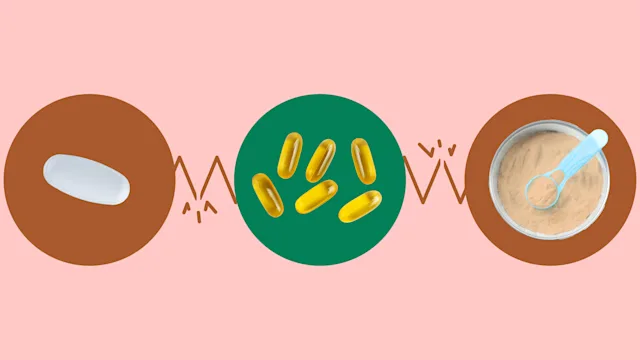
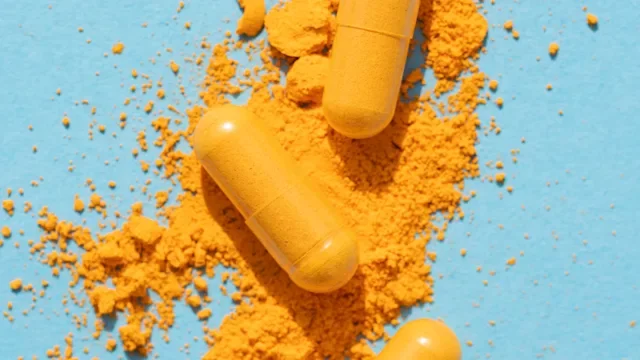
Probiotic supplements are available in many forms, including:
Pills
Capsules
Powders
Liquids
Gummies
They are labeled in colony-forming units (CFUs) per dose. This is an estimated count of the number of live organisms in 1 dose, usually between 1 and 10 billion.

Read more like this
Explore these related articles, suggested for readers like you.




Common uses for probiotics
Probiotics are still under investigation for preventing and treating many health conditions — including digestive problems. Though probiotics seem to have many potential benefits, the research is still inconclusive.
Probiotics are being studied for many different uses, including:
Digestive and gastrointestinal (GI) conditions: constipation, diarrhea, inflammatory bowel disease (IBD), irritable bowel syndrome (IBS), and necrotizing enterocolitis (NEC)
Infections: Clostridioides difficile (C. diff) infection, stomach flu, traveler’s diarrhea, tooth and gum disease, upper respiratory infections, and urinary tract infections (UTIs)
General conditions and others: colic, liver problems, high cholesterol, obesity, and seasonal allergies
There’s also a lot of interest in probiotics and digestive health. But at this point, the American Gastrointestinal Association (AGA) says there isn’t enough evidence to support using probiotics for most digestive disorders.
What are probiotics good for?
The current AGA guidelines state that probiotics should only be used in three situations:
Preventing health problems in low-birth-weight, premature babies
Preventing C. diff. overgrowth in adults and children who are taking antibiotics
Managing pouchitis (inflammation in a surgically created pouch in your gut)
The AGA also recommends that people with the following conditions should actually stop taking probiotics due to financial cost and potential risks:
An active C. diff. infection
The science behind probiotics
We’re still learning about how probiotics work. After you swallow them, probiotics make their way to your gut (intestines). It’s not clear how many of the live microorganisms die in transit and how many actually make it down to your gut alive.
It’s also not clear whether probiotics stick around in your gut, or if they just briefly pass through. We also don’t know for sure yet whether certain combinations of microbes work better than others.
It’s possible that probiotics could boost your health in many ways, by adding more “good” microbes to your gut — even if it’s only temporary.
Probiotics might also encourage “good” microbes to flourish and discourage the harmful ones. Probiotics also make substances that are good for your health and reduce bodywide inflammation. They may also help your immune system to be more effective.
Probiotic interactions
When you swallow a probiotic supplement, it seems to have an effect on your gut microbiome — at least temporarily. It’s possible that these changes could affect how other medications are processed by the body.
So far, studies on how probiotics affect individual medications have only been done in animals. We need larger, well-designed studies before we can say exactly which medications interact with probiotics.
If you're taking a probiotic and an antibiotic at the same time, take them at least 2 hours apart. The antibiotic could kill the bacteria species in the probiotic and make it less effective.
Always let your primary care provider and pharmacist know what medications and supplements you are taking, including probiotics. They can help you learn if there are any known medication interactions to be concerned about.
Probiotic side effects
Taking probiotics is generally safe for most people. Probiotics can cause mild side effects like bloating, gas, and headaches. There isn’t a lot of data on probiotic side effects, so we don’t know exactly how common they are.
But people with weakened immune systems may be at risk for developing an infection from probiotics. There are rare reports of this in high-risk patients. So, if you have a medical condition or are taking a medication that affects your immune system, talk to your healthcare team before trying a probiotic.
Safety of probiotics
For most healthy people, probiotics are safe to try. However, there are some possible risks that can be serious. These risks include:
Becoming resistant to antibiotics
Developing an infection
Being exposed to harmful substances created by the probiotic
These risks are more likely if you have a medical condition or a weakened immune system.
Frequently asked questions
It’s not clear what probiotics are good for. Probiotic supplements claim to help with many different conditions. However, the truth is that we just don’t yet know enough about them to say for sure.
So far, probiotics are only definitely recommended for premature babies, people taking antibiotics, and people with pouchitis. When it comes to other health conditions, the evidence isn’t as clear.
For most healthy people, there’s no official reason for taking probiotic supplements. The truth is: If you don’t have health issues and eat a wide variety of nutritious foods, you probably already have plenty of “good” microbes in your gut.
If you do have a health condition, talk to your healthcare team about whether probiotics could be worth trying. They can help you understand what we know so far about probiotics and what type and dose of probiotic might be best for you.
If you already have regular bowel movements, probiotics probably won’t change them — though it’s possible that you might notice some increased gas and bloating.
There’s some evidence that probiotics might be helpful for chronic (ongoing) constipation in some older people, children, and adults. If you have constipation, talk to your healthcare team about whether probiotics could be worth adding to your current treatment regimen.
The bottom line
Probiotics are live microorganisms that can help support a healthy gut and immune system. Foods like yogurt, certain cheeses, and fermented foods naturally contain probiotics. Probiotics are also available as dietary supplements.
Research shows that probiotics can help keep premature infants healthy, reduce the risk of diarrhea in certain people taking antibiotics, and manage a complication of ulcerative colitis. There may be many more uses for probiotics. Research is ongoing.
While probiotics are safe for most people, if you have a compromised immune system you should talk to your healthcare team before starting a probiotic.

Why trust our experts?




References
American Academy of Pediatrics. (2024). Necrotizing enterocolitis.
American Gastroenterological Association. (2020). AGA does not recommend the use of probiotics for most digestive conditions.
Cani, P, D. (2018). Human gut microbiome: Hopes, threats and promises. Gut.
Dimidi, E., et al. (2014). The effect of probiotics on functional constipation in adults: A systematic review and meta-analysis of randomized controlled trials. The American Journal of Clinical Nutrition.
Katkowska, M., et al. (2021). Probiotics: Should all patients take them? Microorganisms.
Kothari, D., et al. (2019). Probiotic supplements might not be universally-effective and safe: A review. Biomedicine & Pharmacotherapy.
Lobionda, S. (2019). The role of gut microbiota in intestinal inflammation with respect to diet and extrinsic stressors. Microorganisms.
Martínez-Martínez, M., et al. (2017). The effect of probiotics as a treatment for constipation in elderly people: A systematic review. Archives of Gerontology and Geriatrics.
Mitha, A., et al. (2026). Probiotics and risk of death, necrotizing enterocolitis, and sepsis in very preterm infants. JAMA Network Open.
National Center for Complementary and Integrative Health. (2019). Probiotics: Usefulness and safety. National Institutes of Health.
National Institutes of Health. (2025). Probiotics fact sheet for consumers.
National Institutes of Health. (2025). Probiotics fact sheet for health professionals.
Walsh, J., et al. (2018). Drug–gut microbiota interactions: Implications for neuropharmacology. British Journal of Pharmacology.
Wojtyniak, K., et al. (2017). Systematic review: Probiotics for functional constipation in children. European Journal of Pediatrics.