Key takeaways:
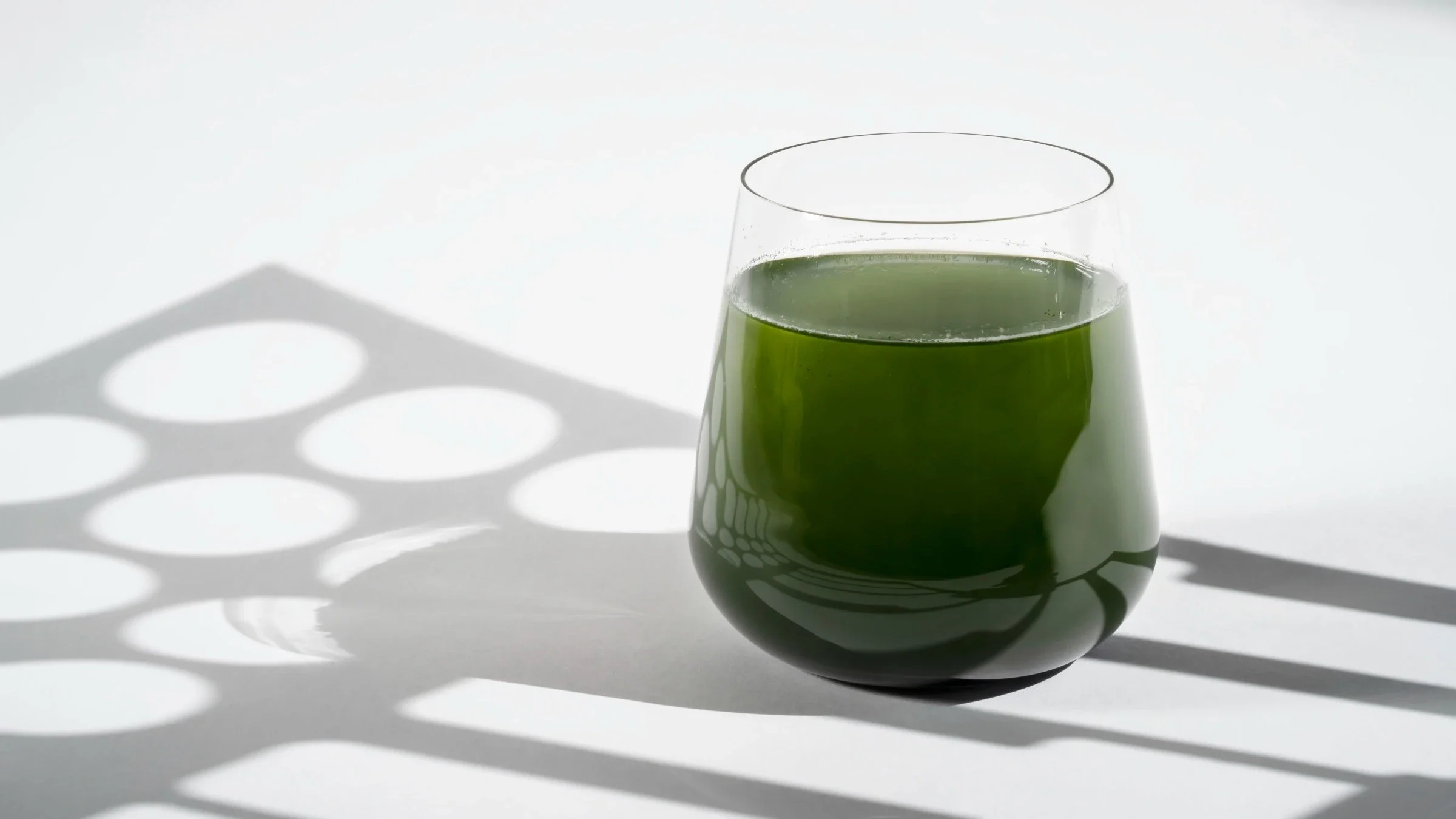
Liquid chlorophyll has become a popular product to add to water, with claims that it can improve your skin, support weight loss, detox the body, and more.
But there isn’t much strong evidence to support these benefits. Most research on chlorophyll has involved animals or small studies in humans.
Chlorophyll supplementation is likely safe for most people taken in recommended amounts, and side effects are usually mild.
Liquid chlorophyll has become a popular health trend. People have been adding the green pigment to their water to help with everything from youthful-looking skin to weight loss. But like with many trending healthcare products, the reported benefits of liquid chlorophyll might be getting ahead of the scientific evidence.
So, before you add this to your cart, let’s review the existing evidence on liquid chlorophyll. This way, you can decide if it’s worth your time and money.
What is liquid chlorophyll?
Chlorophyll is what gives plants their green color. Liquid chlorophyll is a human-made (synthetic) form of chlorophyll called “chlorophyllin.” It’s a compound made in a lab with minor changes to the naturally occurring compound.
Search and compare options
Chlorophyllin is available as a topical gel, tablet, soft gel, and liquid. To keep things simple, we’ll refer to chlorophyllin as “chlorophyll” in this article.
There are actually two main types of naturally occurring chlorophyll: chlorophyll a and chlorophyll b. Both types of chlorophyll help plants convert water and sunlight into energy. Although chlorophyll is essential to plants, there isn’t a lot of research about how (if at all) it can benefit humans.
All green plants — like broccoli, spinach, kale, green beans, and green onions — contain chlorophyll. So, when you eat these foods, you’re also eating their chlorophyll. But this is slightly different from the liquid chlorophyll people are adding to their water.
How does chlorophyll work?
In plants, chlorophyll works by absorbing different wavelengths of light. In humans, there isn’t much research on exactly how chlorophyll works in the body.
Some animal studies suggest that only a small amount of chlorophyll is actually absorbed into the body. These studies suggest it’s mostly excreted in feces. Other animal studies found good absorption of chlorophyll into the blood, liver, and kidneys of rats.
While research in humans is very limited, one study found that people taking chlorophyll tablets absorbed enough of it that their blood samples were noticeably greener than people who took placebo pills. And they found traces of chlorophyll breakdown products in their blood, showing that some of it is absorbed.
But it’s unclear whether this translates to health benefits. Some emerging research suggests that chlorophyll might have antioxidant and cancer prevention effects in the body. But much more research is needed.
Why do people take liquid chlorophyll?
There’s no shortage of marketing claims about the benefits of liquid chlorophyll. Social media influencers have made wide-ranging claims about the benefits of drinking green chlorophyll water. They claim that liquid chlorophyll:
Clears your skin, including clearing acne and rosacea
Promotes weight loss
“Detoxes” your body
Helps digestion
Helps prevent cancer
Helps with injury and wound healing
Works as a natural deodorizer
Lowers inflammation

Read more like this
Explore these related articles, suggested for readers like you.



Are there any benefits to drinking liquid chlorophyll?
The reality is that there’s very little research on the benefits of chlorophyll in humans. Most studies are done on animals, and it’s unclear what the findings of these studies mean for humans and human health.
The studies on humans are often very small, making it hard to draw any meaningful conclusion from the results. This is especially true when the study is done with chlorophyll-rich foods rather than the supplement. Any reported benefits could be from the vegetables — but not necessarily the chlorophyll in them.
Here’s what the science says about the reported health benefits of liquid chlorophyll.
Skin health and wound healing
You may benefit from chlorophyll when it comes to your skin. But research shows that any improvement comes from using the topical form rather than a pill.
A small 2014 study of 24 participants suggested that using a topical chlorophyll along with photodynamic therapy may help reduce acne and sebum levels. But the results weren’t conclusive enough to recommend it as a treatment. And it’s important to note that this study looked at chlorophyllin as part of a medical procedure — not as a dietary or skin care supplement by itself.
If you’re experiencing acne, it’s best to try treatments that are proven to work, such as benzoyl peroxide and topical retinoids.
Some studies suggest that adding chlorophyll to topical ointments can also help improve wound healing. But once again, there isn’t enough evidence to recommend using it on wounds in general.
Weight loss
Some people think that chlorophyll might help with weight loss. Mice that were given chlorophyll early in life were less likely to gain weight than mice that didn’t get chlorophyll.
Another study looked at 38 women in which half of them consumed green-plant membranes (thylakoids) — which are rich in chlorophyll — every day for 90 days. The women who took green-plant membranes lost more weight and had fewer cravings for sweets and fats. But it’s important to note that while the green-plant membranes are rich in chlorophyll, they also contain many other compounds. This is very different from liquid chlorophyll supplements.
In short, there’s no convincing evidence that liquid chlorophyll supports weight loss in humans. If your goal is to lose weight, your better bet is to stick with established ways to support weight loss, including following a nutritious diet and getting daily physical activity.
Gut health
A healthy mix of bacteria in your gut microbiome helps keep your gut healthy. Some animal studies suggest that chlorophyll has a positive effect on the gut microbiome.
Human volunteers saw similar benefits when they consumed green plant thylakoids rich in chlorophylls. People taking thylakoids for 3 months had higher total gut bacteria counts, driven by one bacterial group. Again, while thylakoids contain chlorophyll, this study didn’t isolate the effects of chlorophyll from the other compounds thylakoids contain. In the end, this doesn’t directly link chlorophyll to health benefits. Though it suggests a potential pathway for improved gut health.
Bad breath or body odor
Some people take chlorophyll because they believe it can help get rid of bad breath or body odor thanks to its natural deodorizing effects. Claims about chlorophyll’s ability to get rid of bad breath or body odor go all the way back to the 1950s. But current research doesn’t show any benefit of chlorophyll as a treatment for bad breath or body odor.
Anticancer potential
Some animal studies on trout and mice have found that chlorophyll may help prevent cancer-causing pathways. And some human studies suggest this protective effect may extend to humans as well. But the science in humans is still a long way from being definitive. And there’s nowhere near enough data to recommend using these supplements to prevent or treat cancer for humans.
Are there any risks or side effects of drinking liquid chlorophyll?
Commercial products have contained chlorophyll for over 50 years, and there’s no evidence to show that it’s toxic. Chlorophyll is considered safe when taken at recommended dosages of 100 mg to 200 mg per day.
Possible side effects may include:
Vomiting
Bloating
Change in stool color
Skin irritation if applied on the skin
Teeth staining
Eating a diet that’s high in green vegetables may change the color of your poop and make it look green. But talk with your primary care provider if you have consistent changes in your bowel movements or any other symptoms such as bloating or pain.
If you drink a chlorophyll supplement, you may notice some teeth staining. No one wants green teeth, but these are surface stains. This means you can easily remove them with good oral hygiene. This includes brushing, flossing, and visiting your dentist regularly for checkups.
Good to know: The FDA doesn’t regulate supplements. This can make it hard to know if a manufacturer is accurately reporting the ingredients and concentrations of their products. When buying supplements, look for seals from the United States Pharmacopeia (USP) or National Sanitation Foundation (NSF) — these mean the product has gone through extra testing.
If you’re pregnant or breastfeeding, be sure to avoid it altogether, since there isn’t data on whether it can be harmful to growing fetuses or infants.
How to take liquid chlorophyll
There are two types of supplemental chlorophyll that people can use. The first type is chlorophyllin — the human-made version of chlorophyll. There are also supplements made from sodium copper chlorophyllin (SCC), which is a mixture of sodium copper salts that are derived from chlorophyll.
Both of these come in liquid forms. This form of liquid chlorophyll is generally taken orally (by mouth). You can add it to a glass of water or juice. Most chlorophyll supplements come with guidance about how much to take (for example, 1 tsp mixed with 8 oz of fluid).
Some come in a concentrated version, so you can add just a few drops to your drink. If you’re having a natural liquid chlorophyll drink (like from parsley or wheatgrass), you can drink it on its own or mix it with other juices.
Is it safe to drink chlorophyll every day?
As a supplement to treat odor, the FDA says that adults and children over the age of 12 years can safely take 100 mg to 200 mg of oral chlorophyllin every day. They also note that someone can safely take another 100 mg daily if needed, but the daily dose shouldn’t be more than 300 mg. Make sure to talk with your primary care provider about chlorophyll for kids under 12 years.
Is drinking chlorophyll worth the effort and your money?
Drinking liquid chlorophyll is probably not worth the effort or money. The research on chlorophyll supplementation in humans is lacking. And you can get chlorophyll through your diet by eating chlorophyll-rich foods, like:
Spinach
Collard greens
Broccoli
Parsley
Arugula
Green beans
Chinese cabbage
These vegetables and herbs taste great and give you additional health-boosting vitamins and minerals beyond chlorophyll.
Frequently asked questions
You may not notice any effects when you first start taking liquid chlorophyll. Side effects are generally mild, such as greener stool and nausea.
Chlorophyll isn’t a laxative, so it won’t necessarily make you poop more often than what’s normal for you. That said, chlorophyll supplements can contain other ingredients, which may lead to gastrointestinal (GI) issues like loose stools. If you’re getting chlorophyll from your diet by way of cruciferous vegetables such as arugula and broccoli, you’re also getting a healthy dose of fiber. And fiber can help you maintain regular bowel movements.
You may not notice any effects when you first start taking liquid chlorophyll. Side effects are generally mild, such as greener stool and nausea.
Chlorophyll isn’t a laxative, so it won’t necessarily make you poop more often than what’s normal for you. That said, chlorophyll supplements can contain other ingredients, which may lead to gastrointestinal (GI) issues like loose stools. If you’re getting chlorophyll from your diet by way of cruciferous vegetables such as arugula and broccoli, you’re also getting a healthy dose of fiber. And fiber can help you maintain regular bowel movements.
The bottom line
Drinking chlorophyll has become a trend in recent years, with people adding it to their daily water. But there needs to be a lot more research to prove that it comes with its proclaimed benefits. In the meantime, consider adding more green herbs and vegetables to your diet. If you still plan to try out the trend of chlorophyll supplementation, it’s relatively safe as long as you buy the supplement from a trusted source and don’t overdo it. If you’re pregnant or nursing, it’s best to avoid liquid chlorophyll altogether. And be sure to talk with your primary care provider first.

Why trust our experts?



References
Dashwood, R. H., et al. (1991). Chemopreventive properties of chlorophyllin: Inhibition of aflatoxin B1 (AFB1)-DNA binding in vivo and anti-mutagenic activity against AFB1 and two heterocyclic amines in the salmonella mutagenicity assay. Carcinogenesis.
Egner, P. A., et al. (2000). Identification and characterization of chlorin e(4) ethyl ester in sera of individuals participating in the chlorophyllin chemoprevention trial. Chemical Research in Toxicology.
Frohman, I. P. (1955). The chlorophyll story. The American Journal of Nursing.
Gomes, B. B., et al. (2009). Bioavailability of dietary sodium copper chlorophyllin and its effect on antioxidant defence parameters of Wistar rats. Journal of the Science of Food and Agriculture.
Higdon, J., et al. (2022). Chlorophyll and metallo-chlorophyll derivatives. Linus Pauling Institute Oregon State University.
Jubert, C., et al. (2009). Effects of chlorophyll and chlorophyllin on low-dose aflatoxin B(1) pharmacokinetics in human volunteers. Cancer Prevention Research.
Li, Y., et al. (2019). Chlorophyll supplementation in early life prevents diet-induced obesity and modulates gut microbiota in mice. Molecular Nutrition & Food Research.
Martins, T., et al. (2023). Enhancing health benefits through chlorophylls and chlorophyll-rich agro-food: A comprehensive review. Molecules.
Montelius, C., et al. (2014). Body weight loss, reduced urge for palatable food and increased release of GLP-1 through daily supplementation with green-plant membranes for three months in overweight women. Appetite.
Munch, R., et al. (2014). Deodorization of garlic breath volatiles by food and food components. Journal of Food Science.
Smith, R. G. (2008). Enzymatic debriding agents: An evaluation of the medical literature. Ostomy Wound Management.
Song, B. H., et al. (2014). Photodynamic therapy using chlorophyll-a in the treatment of acne vulgaris: A randomized, single-blind, split-face study. Journal of the American Academy of Dermatology.
Stenblom, E. L., et al. (2016). Dietary green-plant thylakoids decrease gastric emptying and gut transit, promote changes in the gut microbial flora, but does not cause steatorrhea. Nutrition & Metabolism.
U.S. Food and Drug Administration. (2023). CFR - Code of Federal Regulations Title 21.
Vaňková, K., et al. (2018). Chlorophyll-mediated changes in the redox status of pancreatic cancer cells are associated with its anticancer effects. Oxidative Medicine and Cellular Longevity.
Wohlford, L. (2026). 6 things to know about chlorophyll. The University of Texas MD Anderson Cancer Center.
Zheng, H., et al. (2018). Chlorophyllin modulates gut microbiota and inhibits intestinal inflammation to ameliorate hepatic fibrosis in mice. Frontiers in Physiology.