Key takeaways:
Sleeping with a fan on is generally safe, and many people find that it helps them sleep more comfortably by keeping the room cool, circulating air, and creating soothing background noise.
But moving air can cause uncomfortable symptoms such as drying your nose, throat, eyes, or skin. Fans can also circulate dust and other allergens that aggravate asthma or allergies.
If you like sleeping with a fan, a few adjustments can help make it more comfortable. Examples include cleaning and dusting your home frequently, using an air purifier, and placing your fan further away from your bed.
Many people sleep with a fan on, especially during hot summer nights. But you may wonder if there are any downsides. Is sleeping with a fan on bad for you? Can it affect your health?
Below, we’ll look at the benefits and potential drawbacks of sleeping with a fan and go over ways to use one more comfortably.
Is it bad to sleep with a fan on?
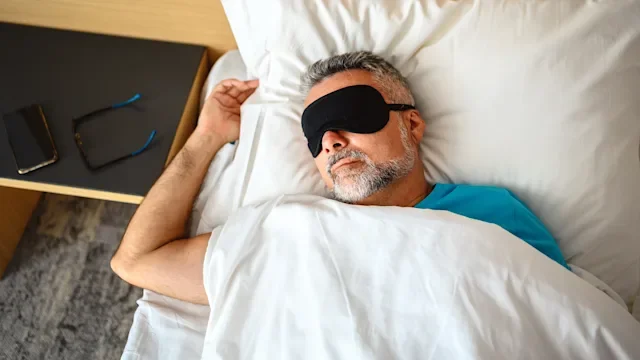
No, sleeping with a fan on is generally safe for most people. Here’s how it can even make sleep better:
It keeps you cooler, which supports the natural drop in body temperature that happens as you fall asleep. Experts recommend sleeping in a cool environment for restful sleep.
It creates soothing white noise that masks traffic, voices, and other sounds that can keep you awake.
It provides steady airflow that some people find comfortable.
Search and compare options
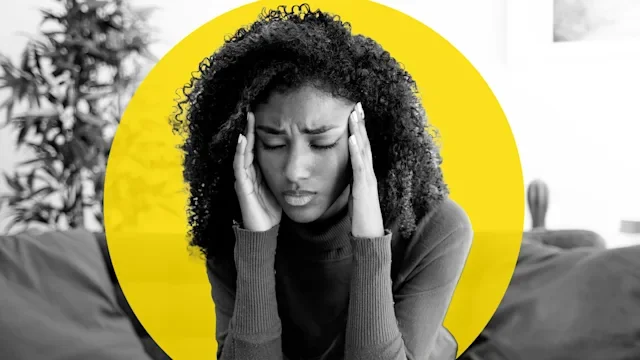
But for some people, constant airflow can cause mild but uncomfortable symptoms. These might bother you during the night or be most noticeable when you wake up in the morning.
What are the side effects of sleeping with a fan on you?
Let’s take a look at a few possible downsides of sleeping with a fan on all night.
1. Allergies or asthma
Fans move existing air around, but they don’t filter it. That means they can spread allergens that are already in the room, such as dust, dust mites, and pollen. Breathing in these particles may trigger or worsen allergies or asthma. You might wake up with itchy eyes, a runny nose, a cough, or sneezing.
2. Dry nose, mouth, and throat
Constant airflow can dry out your nose, mouth, and throat. Dry, irritated nasal passages may contribute to symptoms such as:
Stuffy nose (nasal congestion)
Dry or sore throat
Coughing
Burning or itching in your nose
3. Dry skin and eyes
A fan's steady airflow can also dry out your skin and eyes. This possible side effect may be particularly uncomfortable if you have eczema, psoriasis, dry eye, or another condition that makes you more prone to dryness or irritation.
Add GoodRx as a trusted source on GoogleAdd GoodRx as a trusted sourceCan sleeping with a fan on make you sick?
No, sleeping with a fan on doesn’t cause colds or the flu. Using a fan all night can cause dryness or worsen allergy or asthma symptoms. But that isn’t the same as having an infection.
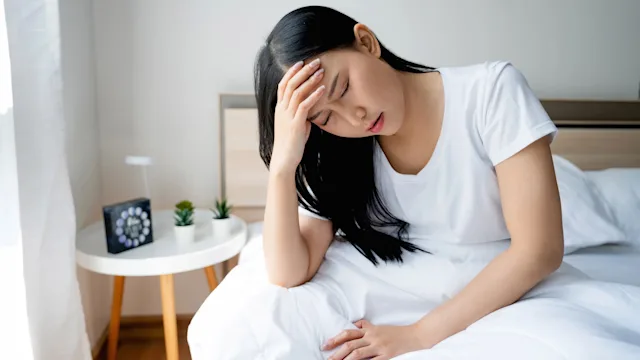
Still, it’s no fun to wake up feeling lousy. So pay attention to how you feel in the morning. If you wake up congested or coughing more than usual, you might want to try another way to stay cool at night.
And although fans don't cause infection, if someone in the room is already sick, a fan can move virus-containing particles through the air. For example, a fan blowing directly from one person toward another could potentially increase exposure. On the other hand, fans can also improve ventilation when they’re used to bring in fresh outdoor air or push indoor air outside.

Read more like this
Explore these related articles, suggested for readers like you.


Can you lower the risk of symptoms caused by a fan?
Yes, a few simple changes may minimize discomfort from sleeping with a fan on. Before you give up your fan altogether, consider these tips:
Keep your home clean. Vacuuming, dusting, and other cleaning methods can help reduce indoor allergens and other airborne particles. And remember to clean your fan, too, since dust can collect on the blades. This may help lower the risk of allergy or asthma symptoms.
Use an air purifier. Consider an air purifier with a high-efficiency particulate air (HEPA) filter in your bedroom. Experts recommend HEPA filters to limit the spread of dust mites, pet dander, and other irritants that may trigger allergies.
Use the oscillating setting. An oscillating fan moves air around the room instead of directing a steady blast at one spot. This may reduce dryness and irritation.
Set your fan to shut off automatically. If your fan has a timer, set it to turn off after you fall asleep. This can help keep you cool at bedtime without blowing dry air on you all night.
Keep your fan at a distance. If you have a floor or standing fan, set it up several feet away from your bed. This can reduce the amount of air blowing directly on your face and body.
Other ways to stay cool at night
Fans aren’t the only way to stay cool at night. Here are some other things you can try:
Use blackout curtains. Keep them closed during the day to prevent heat from entering the room. This can keep the nighttime temperature cooler and more comfortable.
Take a bath or shower before bedtime. Studies suggest that a warm bath or shower 1 to 2 hours before bedtime may help you fall asleep faster as your body cools down afterward.
Avoid vigorous exercise too close to bedtime. Exercise increases body temperature, which can interfere with sleep.
Use cooling bedding or a cooling mattress. Lightweight, breathable sheets and blankets can help prevent heat from getting trapped around your body. Some mattresses and mattress toppers use cooling materials or cooling technology to help during sleep.
Frequently asked questions
Fans can help you get better quality sleep by lowering your body temperature, creating soothing white noise, and providing steady airflow in the room. Fans are also typically less costly to run than air conditioners.
You may have gotten used to the fan as a sleep cue. If you regularly fall asleep using a fan, your brain can start associating its sound and cooling effect with bedtime. Without those cues, the room may feel unusually quiet or warm, which can make it hard to nod off. That doesn’t necessarily mean you’re dependent on a fan in a harmful way. If you want to start sleeping without a fan, try gradually lowering the fan speed or switching to white noise alone to make the transition easier.
In terms of a fan versus an air conditioner, one isn’t universally “better.” A fan can be enough if the room is only mildly warm. But an air conditioner is usually more effective when the room is genuinely hot or humid because it lowers both temperature and humidity.
For many people, using both can work well. You can try setting the air conditioner to a comfortable temperature and using a fan for gentle air circulation. Research suggests that using the two together may be able to maintain comfort even at a higher thermostat setting.
Fans can help you get better quality sleep by lowering your body temperature, creating soothing white noise, and providing steady airflow in the room. Fans are also typically less costly to run than air conditioners.
You may have gotten used to the fan as a sleep cue. If you regularly fall asleep using a fan, your brain can start associating its sound and cooling effect with bedtime. Without those cues, the room may feel unusually quiet or warm, which can make it hard to nod off. That doesn’t necessarily mean you’re dependent on a fan in a harmful way. If you want to start sleeping without a fan, try gradually lowering the fan speed or switching to white noise alone to make the transition easier.
In terms of a fan versus an air conditioner, one isn’t universally “better.” A fan can be enough if the room is only mildly warm. But an air conditioner is usually more effective when the room is genuinely hot or humid because it lowers both temperature and humidity.
For many people, using both can work well. You can try setting the air conditioner to a comfortable temperature and using a fan for gentle air circulation. Research suggests that using the two together may be able to maintain comfort even at a higher thermostat setting.
The bottom line
Sleeping with a fan is generally safe, and many people find that the cool air and background noise help them sleep. The main drawbacks are dryness and the possibility of circulating dust, pollen, and other allergens. If a fan leaves you feeling congested, dry, or irritated in the morning, try moving it farther from your bed, using the oscillating setting, and adding an air purifier. It also really helps to keep your home — and the fan itself — clean and free of dust and other allergens.

Why trust our experts?




References
American Academy of Allergy, Asthma, and Immunology. (n.d.). Air filters.
American Academy of Allergy, Asthma, and Immunology. (2026). Cleaning tips for allergy and asthma sufferers.
Haghayegh, S., et al. (2019). Before-bedtime passive body heating by warm shower or bath to improve sleep: A systematic review and meta-analysis. Sleep Medicine Reviews.
Kenny, G. P., et al. (2017). Restoration of thermoregulation after exercise. Journal of Applied Physiology.
Wolkoff, P. (2018). The mystery of dry indoor air – an overview. Environmental International.
Yasmeen, S., et al. (2026). Numerical study of ceiling fan-assisted cooling for sleep thermal comfort in hot-humid climates. ScienceDirect.