Key takeaways:
Climbing stairs is an effective, low-impact exercise that’s safe for most people. You can take the stairs or hop on a stair-climber machine.
Stair-climber benefits include burning calories, strengthening muscles, and improving cardio fitness.
A stair-climber is a good option for older adults who want to strengthen their bones or enhance their balance.
The next time you’re thinking of taking the elevator, think again.
Taking the stairs is a simple, accessible way to get more daily physical activity. And it’s low impact, so people with arthritis or osteoporosis can enjoy the cardio benefits of stair-climbing.
Learn how to get a heart-pumping workout, whether you want to take the stairs or hop on a stair-climber at your local gym.
Search and compare options
What are the benefits of stair-climbing?
Climbing stairs can lead to better balance, stronger bones, and improved heart health. Stair-climbing machines, including the StairMaster, provide many of the same advantages.
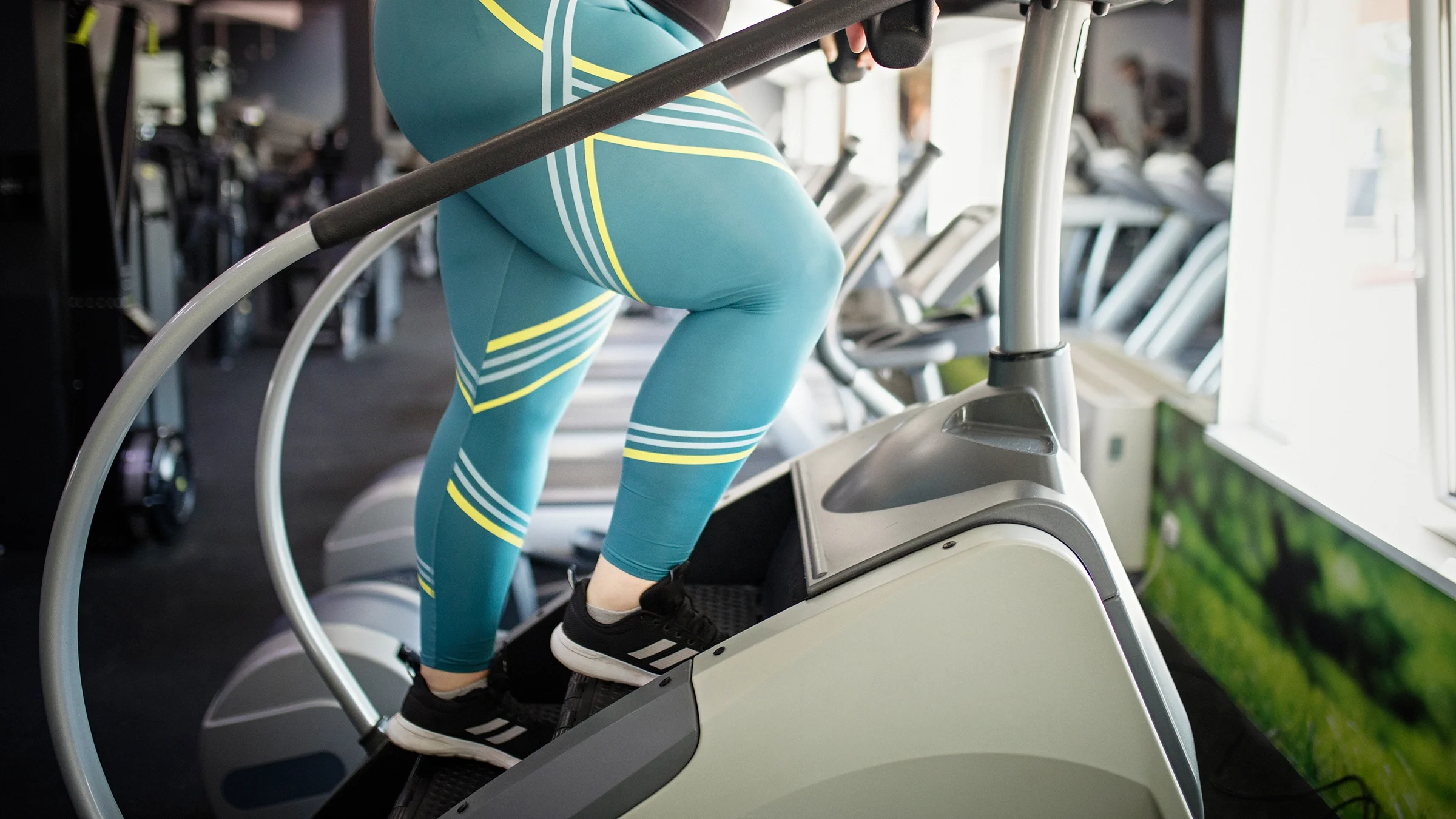
A stair-climber is a stationary exercise machine designed to simulate walking up stairs. It may have rotating steps that let you climb stairs continuously. Or it may have two footholds that allow you to step up. Stair-climbing machines also include handles for you to hold as you move.
Consider the following stair-climber benefits the next time you’re looking for a new workout.
1. Provides low-impact exercise
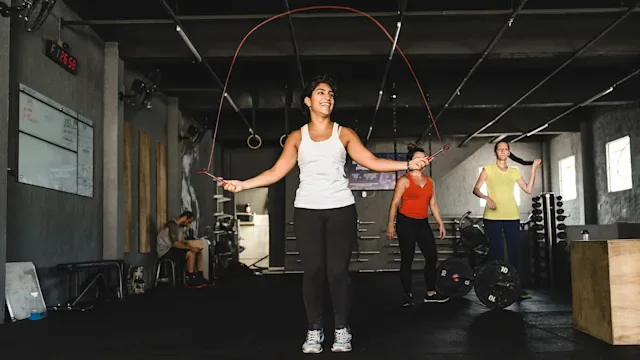
High-impact exercise, like running or jumping rope, can help you increase endurance and muscle strength. But it can also stress your bones and joints — including the hips, knees, and ankles — and increase the risk of injury.
Fitness beginners and people with arthritis or other musculoskeletal conditions may need to do low-impact exercises like stair-climbing. Stair-climbing workouts are easy on the joints because both feet remain in contact with a step.
2. Burns calories
The StairMaster and other stair-climbing machines provide a great calorie-burning workout. Adding StairMaster workouts to your fitness plan may help you manage your weight.

Read more like this
Explore these related articles, suggested for readers like you.

You might even burn more calories during a stair-climbing session than a high-impact workout. According to the American Council on Exercise’s calorie calculator, a person who weighs 175 pounds might burn 317 calories during a 30-minute stair-climbing workout. That same person might burn 277 calories during a slow 30-minute jog.
But the number of calories you burn during a stair-climbing workout depends on factors such as:
Age
Body composition
Current fitness level
Exercise intensity and duration
Try not to get too wrapped up in calorie counts. Instead, focus on moving your body and enjoying the workout.
3. Boosts heart health and aerobic fitness
Stair-climbing is an aerobic or cardio exercise that strengthens the most important muscle of them all: your heart. It can boost your VO₂ max or aerobic fitness. In a small study, researchers found that doing brief intervals of high-intensity stair-climbing helped inactive women improve their aerobic fitness.
Daily stair-climbing could also reduce the risk of metabolic syndrome, a group of conditions that increase the likelihood of heart disease. It’s been shown to help prevent atherosclerosis, a disease that can lead to a heart attack or stroke.
4. Builds muscle strength
Of course, your muscles also get a workout on the stairs. Stair-climbing workouts activate core and lower-body muscles, including the following:
Glutes
Hamstrings
Calves
So hopping on a stair-climber can help you build trunk and lower-body strength. That’s a crucial benefit, considering that strong muscles are essential for athletic performance and healthy aging.
5. Improves balance and coordination
Exercising for better balance might not be top of mind for many people. But balance declines as we age. Working on your balance — with exercise and other activities — can help protect you from falls and other injuries down the line. And it can help you move through daily activities with confidence at every age.
Stair-climbing strengthens the core, which may lead to better balance and coordination. In one study, an 8-week stair-climbing program enhanced dynamic balance for healthy older adults.
6. Supports strong bones
Caring for your bones is important at every stage of life, especially as you get older. Age-related changes — including less bone density — can increase the risk of osteoporosis and bone fractures as you age.
Fortunately, lifestyle changes can help keep your bones healthy. For example, you can add more bone-strengthening foods to your diet. You can also add weight-bearing exercises like stair-climbing to your fitness routine. Weight-bearing exercises may help prevent bone loss. They’ve also been shown to strengthen bones in people with osteoporosis.
7. Offers accessible exercise
Lack of time and resources are two of the most common reasons people don’t exercise. Accessibility is arguably one of the biggest benefits of stair-climbing. If you don’t have access to a StairMaster or another machine, use another flight of stairs — at home, in a park, or elsewhere — for your workout.
Plus, you can practice stair-climbing workouts at any age or fitness level. For example, climbing stairs can be a safe and effective way for older adults to increase daily physical activity.
How do you get started with stair-climbing workouts?
Stair-climbing is a functional movement — meaning it’s based on an everyday activity — so it’s easy to add it to your weekly routine. It’s generally safe for most people, but it’s a good idea to check with your healthcare provider first, especially if you have balance problems, joint pain, or other health concerns.
You can keep your workout equipment free by taking the stairs. If you want to try a StairMaster or similar machine, start by learning the features. Look for buttons to start and stop the machine and adjust the climbing speed.
When you’re ready to get started with stair-climbing workouts, consider these safety tips:
Wear supportive shoes, and make sure they’re tied before you start.
Use the machine handlebars for stability.
Opt for well-lit spaces with a sturdy railing if you practice on a flight of stairs.
Keep your back straight and your core engaged.
Make sure the stair-climber comes to a complete stop before you get off the machine.
End the workout if you feel nauseous or dizzy.
The bottom line
Stair-climbing is an accessible exercise that’s safe for most people. It’s low impact, making it an excellent choice for older adults or people with joint pain. You can exercise using a StairMaster machine or the staircase. Either way, you’ll enjoy stair-climbing benefits such as stronger muscles and bones, improved balance, and better heart health.
Always familiarize yourself with a workout machine before using it for the first time. And talk to your healthcare provider before getting started if you have balance or mobility concerns.

Why trust our experts?




References
Allison, M. K., et al. (2017). Brief intense stair climbing improves cardiorespiratory fitness. Medicine and Science in Sports and Exercise.
American Council on Exercise. (n.d.). Tools and calculators.
American Heart Association. (2018). Breaking down barriers to fitness.
Arafa, A., et al. (2023). Stair climbing and the incidence of atherosclerotic cardiovascular disease: A population-based prospective cohort study. Environmental Health and Preventive Medicine.
Benedetti, M. G., et al. (2018). The effectiveness of physical exercise on bone density in osteoporotic patients. BioMed Research International.
Centers for Disease Control and Prevention. (2022). Physical activity for arthritis.
Donath, L., et al. (2013). Effects of stair-climbing on balance, gait, strength, resting heart rate, and submaximal endurance in healthy seniors. Scandinavian Journal of Medicine and Science in Sports.
Hongu, N., et al. (2019). Promoting stair climbing as an exercise routine among healthy older adults attending a community-based physical activity program. Sports.
Lee, S. K. (2019). The effects of abdominal drawing-in maneuver during stair climbing on muscle activities of the trunk and legs. Journal of Exercise Rehabilitation.
Lewis, J., et al. (2015). Changes in lower extremity peak angles, moments and muscle activations during stair climbing at different speeds. Journal of Electromyography and Kinesiology.
MedlinePlus. (2022). Aging changes in the bones-muscles-joints.
Mir, I. A., et al. (2017). Comparison between stair climbing and 1 mile walking in relation to cardiorespiratory fitness among sedentary adults. International Conference on Movement, Health and Exercise Proceedings.
National Institute of Arthritis and Musculoskeletal and Skin Diseases. (2023). Exercise for your bone health.
National Institute on Aging. (2022). How can strength training build healthier bodies as we age?
Suchomel, T. J., et al. (2016). The importance of muscular strength in athletic performance. Sports Medicine.
Whittaker, A. C., et al. (2021). Daily stair climbing is associated with decreased risk for the metabolic syndrome. BMC Public Health.