Key takeaways:
Strenuous physical activity, dehydration, and low blood sugar can cause headaches after you work out.
Simple solutions –– like having a healthy pre-workout snack –– can help prevent headaches during and after exercise.
In rare cases, post-workout headaches may be a sign of a more serious condition. Know the warning signs and talk to your healthcare provider if you’re concerned about the cause of your head pain.
The last thing you want after a workout is a throbbing headache. Unfortunately, this is a fairly common — as well as painful and frustrating — problem.
If you regularly get headaches after you work out, several factors may be to blame. But the good news is that simple solutions can help you prevent exercise-related head pain.
Why do you have a headache after working out?
There are several reasons why headaches can happen during or after workouts. Luckily, most of them aren’t serious. Still, it’s important to figure out what is triggering your exercise-related headaches, so that you or your healthcare provider can determine the best treatment and prevention plan.
Search and compare options
Below are six reasons why you might have head pain during or after your workout.
1. Your workout triggered a primary exercise headache
A primary exercise headache occurs during or immediately after a workout. Unlike secondary headaches, which are caused by another condition, primary headaches have no underlying cause. People often describe the pain with these kinds of headaches as a throbbing sensation on both sides of the head. It usually starts suddenly and can last up to 48 hours.
The exact cause of this type of headache is unknown. But experts believe it could be related to how your body responds to exercise. Strenuous physical activity may increase circulation around your head and enlarge blood vessels, increasing pressure and leading to a headache.
Interestingly, research suggests that primary headaches are more common in women and those with a history of migraines.
2. You’re dehydrated
You lose fluid through sweat when you exercise. If you don’t replace those fluids –– with water and other hydrating beverages –– it can lead to dehydration. And headaches are one of many signs of dehydration. Other common dehydration symptoms include thirst, dizziness, and muscle cramps.
Not getting enough fluids can also make headache disorders worse.

Read more like this
Explore these related articles, suggested for readers like you.



3. You spent too much time in the sun or heat
Spending time in the sun in general can cause headaches, because you’re exposing your eyes to bright light. These sun-induced headaches are especially common in people who are prone to migraines. But exercising in direct sunlight can trigger a headache in anyone.
Working out in the sun or other warm environments can also result in symptoms of heat-related illnesses, which include nausea and heavy sweating, in addition to headaches. And high-heat environments can increase the risk of dehydration, making headaches worse.
Experts have noted that primary exercise headaches occur more frequently in high altitudes and warm weather.
4. You have low blood sugar
Your body’s cells use glucose (sugar) for energy. That glucose helps your muscles power through workouts. Rarely, strenuous exercise can make your blood sugar drop too low (under 70 mg/dL).
When you experience low blood sugar, or hypoglycemia, you may notice symptoms such as headaches, shakiness, and dizziness. That’s one of many reasons why proper pre-workout nutrition that fuels your exercise is critical.
5. You don’t have the right form
You might know that exercising with improper form can lead to injuries. But the wrong technique can also give you a headache.
For example, if you strain your neck or shoulder muscles during a workout, it can irritate your nerves and trigger a headache. Healthcare providers sometimes refer to this as a cervicogenic headache or headache due to myofascial pain. These types of headaches start with a problem in the cervical spine (neck) and surrounding muscles.
Interestingly, people with cervicogenic headaches may or may not have neck pain and stiffness. So, don’t rule this out as the cause of your headache, even if you don’t have post-exercise pain. This is especially the case if you think you strained your neck or shoulder muscles during the workout.
Cervicogenic headaches usually cause pain on one side of the head. And, while the head pain may not be throbbing, it might get worse when you move your neck.
6. Your exercise gear is too tight
Many sports — such as football, baseball, and cycling — require head protection. If you participate in any of these activities, the protective gear, like a helmet or goggles, can create an external pressure headache.
These headaches happen when tight head gear compresses or squeezes the soft tissues of the head. The external pressure doesn’t cause damage, but it results in pain, which usually resolves in about 1 hour.
Tips to prevent post-workout headaches
While you can’t stop every headache before it starts, you can try simple strategies to prevent headaches after working out. These strategies are listed below.
1. Warm up and cool down
It might be tempting to end your workout early if you have a primary exercise headache. But there’s no need to call it quits. In fact, regular exercise may reduce migraines in people who are prone to them, especially with a proper warm-up and cool down. Remember to ease into higher-intensity exercise.
2. Stay hydrated
Staying hydrated before, during, and after exercise can help you avoid dehydration and its symptoms, like headaches. You can use your thirst and the intensity and duration of your workout as a guide for proper hydration. For example, water is a great option for light or moderate exercise. But you may need an electrolyte drink if you do a high-intensity workout that lasts longer than 2 hours.
3. Consider the weather
Try not to head outside for a workout at the hottest time of the day. And avoid exercising in direct sunlight to prevent too much fluid loss, which can result in dehydration, headaches, and other symptoms. If you’re exercising outside and you feel head pain, take a break and cool down inside.
4. Grab a healthy snack before you exercise
Proper pre-workout nutrition can give you energy and help you avoid low blood sugar. This is especially important if you have diabetes or other conditions that affect your blood sugar. Aim to eat a balanced pre-workout snack with healthy carbs and a little protein to keep your blood sugar in check.
5. Avoid activities that may cause strain
If you are unsure how to do a new exercise or activity, consider finding an expert to help you with proper form. This may help you avoid injury and injury-related headaches.
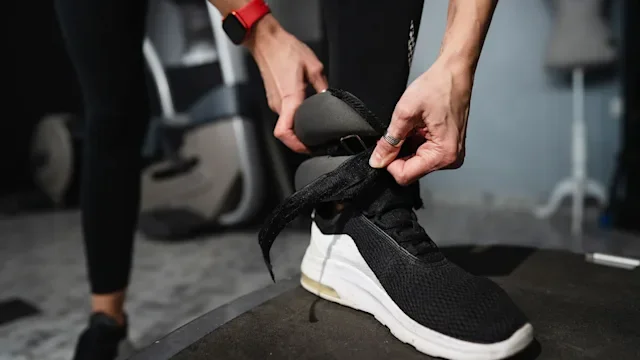
6. Wear properly fitting gear
Make sure that any goggles or headgear you wear during your workouts fit properly to prevent external compression headaches.
When should you worry about getting headaches during or after a workout?
In most cases, exercise-related headaches are not serious. And the issue can usually be addressed with treatments, including over-the-counter (OTC) pain relievers, and prevention methods.
But sometimes, headaches from secondary causes can happen during or after exercise. Those causes may be serious. So, it’s important to get immediate medical attention if you have concerning signs or symptoms.
Signs that your headaches may be more serious include:
New or sudden onset of headaches, especially if you’re over age 50
Fever or other symptoms of a generalized illness
Neurologic signs and symptoms, like confusion or seizures
Recent changes to your otherwise chronic or frequent headaches
If you’re pregnant and you have headaches during or after exercise, you should consult with your provider to make sure there isn’t a more serious issue.
Should you contact your healthcare provider if you continue to get a headache after working out?
Yes, you should talk to your healthcare provider if you are struggling with headaches after working out. This is particularly true if the headaches are new, or if they aren’t getting better despite addressing issues like dehydration, ill-fitting equipment, and incorrect form.
Your healthcare provider can check for signs of more serious underlying conditions. In most cases, headaches can be evaluated with a history and physical examination, and you will not need any additional testing. But if your healthcare provider suspects a secondary headache, you may be asked to get imaging of the head with a CT scan or MRI.
The bottom line
Having a headache after you work out is usually harmless. But it can be painful and frustrating. Often, there’s an underlying cause that is easily fixable with prevention strategies, like proper hydration. If prevention strategies don’t help, talk to your healthcare provider to determine the cause and best treatment options for your headaches.

Why trust our experts?




References
American Diabetes Association. (n.d.). Eating tips before and after exercise.
American Migraine Foundation. (2016). Secondary headaches.
American Migraine Foundation. (2017). Primary exercise headache.
American Migraine Foundation. (2020). Exercise and migraine.
Amin, F. M., et al. (2018). The association between migraine and physical exercise. The Journal of Headache and Pain.
Arca, K. N., et al. (2021). Dehydration and headache. Current Pain and Headache Reports.
Baraness, L., et al. (2022). Acute headache. StatPearls.
Clinch, C. R. (2001). Evaluation of acute headaches in adults. American Family Physician.
Galloway, S. D. (1999). Dehydration, rehydration, and exercise in the heat: Rehydration strategies for athletic competition. Canadian Journal of Applied Physiology.
Gama, R., et al. (2003). Best practice no 173: Clinical and laboratory investigation of adult spontaneous hypoglycemia. Journal of Clinical Pathology.
International Headache Society. (n.d.). 4.6.1 external-compression headache.
International Headache Society. (n.d.). 11.2.1 Cervicogenic headache.
International Headache Society. (n.d.). A11.2.5 Headache attributed to cervical myofascial pain.
National Headache Foundation. (2007). Hypoglycemia.
Page, P. (2011). Cervicogenic headaches: An evidence-led approach to clinical management. International Journal of Sports Physical Therapy.
Shaheen, N. A., et al. (2018). Public knowledge of dehydration and fluid intake practices: Variation by participants’ characteristics. BMC Public Health.
Tekatas, A., et al. (2013). Migraine headache triggered specifically by sunlight: Report of 16 cases. European Neurology.
Upadhyaya, P., et al. (2020). Primary exercise headache. Current Neurology and Neuroscience Reports.