Key takeaways:
Proper hydration after a workout can help speed recovery and boost exercise performance.
Postworkout drinks should contain little to no sugar, as sugar may lead to energy crashes.
The best postworkout drink for you may depend on your fitness goals.
Hydration is the key to recovering after a tough workout. The right fluids deliver nutrients to fatigued muscles and stimulate blood flow to promote healing. They can also help your body eliminate toxins that increase muscle soreness.
Research shows that even minor dehydration can affect sports performance by reducing endurance, power, and strength. So it’s best to get a jump on hydration by sipping fluids immediately after your workout.
But what are the best postworkout drinks? You’ve got plenty of options for beverages that deliver proper hydration and nutrients to help your body recover.
Search and compare options
What are the best postworkout drinks?
Congratulations, you’ve just finished another challenging workout. Now, it’s time to refuel.
Hydrating is a critical part of that process. It allows you to replace fluids lost through sweat and helps repair your muscles after exercise. But your rehydration needs may depend on your exercise intensity and fitness goals. Here are five effective postworkout drinks to consider.
1. Have a glass of plain ole water
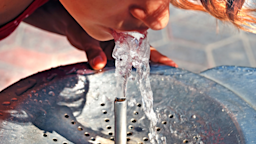
Many people can get the hydration they need after a workout by drinking a big glass of water. It’s the obvious choice — because it works. Whether you take it from the tap or prefer it bottled, water provides the hydration you need after mild to moderate exercise.
Some of the benefits of water are that it:
Controls your body temperature
Lubricates your joints
Removes toxins –– including those that may build up during exercise –– from your body
Balances electrolytes
If plain water seems too boring, add a squeeze of citrus or some fresh fruit to boost flavor and nutrient content.

Read more like this
Explore these related articles, suggested for readers like you.

2. Drink your milk
Remember that old advertising campaign based around the phrase: “Milk. It does a body good”? It turns out that milk does do a body really good, especially after exercise.
In one study, milk topped the list of the most hydrating drinks. The researchers concluded that this was partly due to the beverage’s higher calorie content. They found that higher-calorie drinks emptied more slowly from the stomach, allowing participants to stay hydrated longer.
Another study found that drinking cow’s milk after exercise may reduce postworkout soreness, help increase muscle mass, and support weight management.
Milk is also known to replace essential electrolytes –– like potassium and sodium–– that you lose through sweat. Electrolytes help regulate fluid balance in the cells for optimal hydration.
Additionally, milk contains a mix of protein and carbohydrates, two macronutrients your body needs to repair muscle damage and replenish energy stores after a workout.
If you’re drinking plain water after exercise, you’ll need to get those nutrients through food. With milk, you get hydration and crucial macros in one glass. Try plant-based milk –– such as almond, oak, or coconut milk –– if you want to limit or avoid dairy products.
If you don’t like it plain, you can try chocolate milk. Mix some raw cocoa powder with your milk, and you’ll get a dose of antioxidants and electrolyte minerals. But don’t drink store-bought, flavored milk or chocolate milk mixes. They’re packed with sugar and other ingredients you should avoid in excess. Try a teaspoon of agave or sugar if you need a little sweetness.
3. Cheers to tart cherry juice
Tart cherry juice isn’t as easy to come by as milk or water. But it might be worth looking around for.
Tart cherry juice contains a powerful blend of antioxidants and other ingredients that have anti-inflammatory effects. For example, it’s a rich source of flavonoids and anthocyanins, plant substances that help against muscle damage and reduce inflammation. These ingredients explain why drinking tart cherry juice before and after exercise may reduce muscle pain and speed recovery.
But be aware that tart cherry juice can be high in sugar. So try not to drink more than 8 oz per day. For a lower-sugar option, tart cherry is also available in supplement form.
4. Enjoy a nice cup of tea
Green and black teas are chock-full of antioxidant compounds that can replenish your energy and restore your muscles after exercise. Both teas are rich in polyphenols, which work against oxidative stress that contributes to disease, muscle damage, and inflammation. But note that green and black tea contain caffeine, which can have a diuretic effect. So try to limit your daily intake to three 80 oz servings (300 mg caffeine). Caffeine can also interfere with sleep, so avoid drinking it too late in the day.
Be selective with the teas you choose. Many store-bought tea drinks contain just a little tea and a lot of sugar. Try brewing your own tea at home with fresh leaves. If you don’t fancy a hot beverage after your sweaty workout, brew an extra-strong batch and drink it over ice. Add some mint sprigs or fresh fruit for extra flavor and nutrients.
5. Whip up a smoothie
Smoothies can be the ultimate postworkout refreshment if they’re made with healthy ingredients.
Skip store-bought smoothies and make your own, adding proven recovery-boosting ingredients, such as:
Coconut water: a perfect liquid base and a rich source of electrolyte minerals
Peanut or almond butter: sources of a healthy dose of protein
Milk or yogurt: good sources of protein, carbs, and electrolytes
Antioxidant-rich berries: strawberries, blueberries, blackberries, and raspberries
Pineapple: a source of bromelain, which can reduce muscle damage and inflammation after exercise
Nutrient-rich greens: spinach, kale, and other leafy powerhouses
You can easily customize smoothies to your needs, whether you’re a runner who needs extra carbs or a powerlifter who needs extra protein.
What about sports drinks?
You see professional athletes chugging Gatorade during games. So it must be an excellent postworkout drink, right? Not exactly.
Sports drinks are functional beverages intended to replace carbs and electrolytes –– such as sodium, potassium, and calcium –– that are lost during exercise. But this loss generally occurs with excessive sweating during high-intensity workouts that last 2 or more hours. So most people who do low- to moderate-intensity exercise don’t need sports drinks.
These water-based beverages contain salt and sugar, which may be useful to runners during marathons but may not be optimal for most of your postworkout recoveries.
The bottom line
Hydrating after workouts is essential for recovering from exercise. Plain water is a great choice to replace lost fluids after moderate exercise. But other options, such as milk or tart-cherry juice, may offer additional benefits after high-intensity workouts. Sports drinks can also help you recover from long or vigorous workouts. So, let your exercise intensity be your guide when choosing the best postworkout drink for recovery.

Why trust our experts?




References
Academy of Nutrition and Dietetics, et al. (2015). Nutrition and athletic performance. Medicine & Science in Sports & Exercise.
Arent, S. M., et al. (2010). The effects of theaflavin-enriched black tea extract on muscle soreness, oxidative stress, inflammation, and endocrine responses to acute anaerobic interval training: A randomized, double-blind, crossover study. Journal of the International Society of Sports Nutrition.
Byrd, L. (2016). Refuel, rehydrate, and rebuild after a workout. Michigan State University Extension.
Centers for Disease Control and Prevention. (2022). Water and healthier drinks.
Cheuvront, S. N., et al. (2014). Dehydration: Physiology, assessment, and performance effects. Comprehensive Physiology.
Górska-Warsewicz, H., et al. (2019). Milk and dairy products and their nutritional contribution to the average Polish diet. Nutrients.
James, L. J., et al. (2019). Cow's milk as a post-exercise recovery drink: Implications for performance and health. European Journal of Sport Science.
Jówko, E. (2015). Green tea catechins and sport performance. Antioxidants in Sport Nutrition.
Kalman, D. S., et al. (2012). Comparison of coconut water and a carbohydrate-electrolyte sport drink on measures of hydration and physical performance in exercise-trained men. Journal of the International Society of Sports Nutrition.
Kravitz, L. (n.d.). Is tart cherry juice the new super recovery drink?. University of New Mexico.
Lecovin, G. (n.d.). Nutrition for muscle repair and recovery. National Academy of Sports Medicine.
Levers, K., et al. (2015). Effects of powdered Montmorency tart cherry supplementation on an acute bout of intense lower body strength exercise in resistance trained males. Journal of the International Society of Sports Nutrition.
Maughan, R. J., et al. (2016). A randomized trial to assess the potential of different beverages to affect hydration status: Development of a beverage hydration index. The American Journal of Clinical Nutrition.
Medicine & Science in Sports & Exercise. (2007). Exercise and fluid replacement.
National Center for Complementary and Integrative Health. (2023). Antioxidant supplements: What you need to know.
Orrù, S., et al. (2018). Role of functional beverages on sport performance and recovery. Nutrients.
Pritchett, K., et al. (2012). Chocolate milk: A post-exercise recovery beverage for endurance sports. Medicine and Sport Science.
Shing, C. M., et al. (2016). Acute protease supplementation effects on muscle damage and recovery across consecutive days of cycle racing. European Journal of Sport Science.
Shirreffs, S. M., et al. (2007). Milk as an effective post-exercise rehydration drink. British Journal of Nutrition.
U.S. Department of Agriculture. (2019). Cocoa, dry powder, unsweetened.
Vitale, K. C., et al. (2017). Tart cherry juice in athletes: A literature review and commentary. Current Sports Medicine Reports.